


Carotid Artery Disease and Heart Surgery Risk
Carotid artery disease surgery risk before heart surgery: learn how neck artery narrowing raises stroke risk.
What Is Carotid Artery Disease and Why Does It Matter Before Heart Surgery?
When a cardiac surgeon evaluates you for an operation, they look beyond the heart itself. The carotid arteries — the two main blood vessels running along either side of your neck — supply oxygen-rich blood to your brain. If these vessels are narrowed by plaque buildup, the condition is called carotid artery disease, and it changes the risk profile of any planned heart operation. The concern is straightforward: during cardiac surgery, blood pressure and blood flow to the brain can fluctuate. If the carotid arteries are already compromised, that fluctuation raises the chance of a stroke during or immediately after the procedure.
Why vascular health in the neck affects the heart operating room: The relationship between carotid artery disease surgery and cardiac procedures is well established in clinical literature. Research published in BMJ demonstrates that patients with significant carotid stenosis facing concurrent cardiac surgery carry elevated perioperative stroke risk. The narrower the carotid lumen, the less blood reaches the brain when the heart-lung machine takes over circulation. Surgeons must account for this before they ever make an incision.
This assessment is commonly part of the pre-operative workup. Your surgical team will want to know whether your carotid arteries are clear, moderately narrowed, or severely blocked before recommending a timeline. This is not about creating alarm — it is about making sure every risk factor is measured so the operation proceeds under the safest possible conditions for your individual situation.
How Carotid Artery Stenosis Develops in the Neck Arteries
Carotid stenosis — the medical term for narrowing of the carotid artery — does not happen overnight. It develops over years through a process called atherosclerosis, in which fatty deposits, cholesterol, calcium, and cellular waste accumulate along the inner wall of the artery. These deposits form what is known as an atheromatous plaque, and as the plaque grows, it progressively restricts the channel through which blood flows to the brain.
What makes plaque dangerous in the carotid position: Unlike plaque in some other vessels, carotid plaque sits at a branching point where blood flow is naturally turbulent. This turbulence can weaken the plaque surface, making it prone to rupture. When a plaque ruptures, the body responds as it would to any injury — it forms a clot. A clot that breaks loose from the carotid artery can travel into the brain and block a smaller vessel, causing a stroke. This is why even moderate narrowing matters: the risk is not only from the degree of blockage but from plaque instability. Elevated levels of Apolipoprotein B — a protein carried by cholesterol particles — are associated with more aggressive plaque formation and are sometimes measured as part of cardiovascular risk assessment.
Several factors accelerate this process: smoking, high blood pressure, diabetes, high cholesterol, and advancing age. The Brazilian Guidelines of Hypertension - 2020 reinforce that uncontrolled hypertension is among the strongest drivers of both carotid and coronary atherosclerosis, making blood pressure management a cornerstone of prevention long before surgery is ever discussed.
Carotid Artery Disease Symptoms Patients Should Never Ignore
One of the most difficult aspects of carotid artery disease is that it is frequently silent. Many people with significant narrowing have no symptoms at all until a stroke or transient ischemic attack (TIA) occurs. A TIA — sometimes called a mini-stroke — is a temporary blockage that resolves on its own but serves as a critical warning sign. Recognizing these warning signals matters even more when you are preparing for heart surgery, because the stakes are higher and the surgical team needs a complete picture of your vascular health.
Symptoms that warrant immediate medical attention: If you experience sudden weakness or numbness on one side of your body, slurred speech, vision loss in one eye (sometimes described as a curtain dropping), or difficulty understanding others, these may indicate that blood flow to part of your brain has been compromised. Arm pain or a sudden heavy sensation in a limb can also signal reduced circulation. Some patients describe these episodes as brief and reversible, which makes them easy to dismiss — but they should never be ignored.

Why these symptoms change the surgical conversation: If you have had a TIA or stroke and are also facing heart surgery, your cardiac team needs this information before planning anything. A history of cerebrovascular events combined with confirmed carotid stenosis shifts the management strategy — your surgeon may recommend treating the carotid artery before or during the cardiac procedure to reduce overall stroke risk. An atypical infarction — a heart attack with symptoms that do not follow the classic chest-pain pattern — can further complicate the picture. Careful auscultation, which means listening to the neck with a stethoscope, may reveal a bruit (an abnormal sound) over the carotid artery that prompts further imaging.
How Carotid Artery Screening Works Before Cardiac Surgery
Before any major cardiac operation, your surgical team will perform a thorough pre-operative carotid assessment. The goal is to identify whether carotid stenosis exists, measure how severe it is, and determine whether it changes the plan for your heart surgery. Screening is non-invasive, painless, and typically completed in a single visit.
The first-line tool is a carotid artery ultrasound — a Doppler study that uses sound waves to visualize blood flow through the neck vessels. This test can reveal the location and approximate severity of narrowing. If the ultrasound suggests significant stenosis, your team may order a CT angiogram or MR angiogram for a more detailed view. These imaging studies show the three-dimensional anatomy of the carotid bifurcation and help the surgeon decide whether intervention is needed before the cardiac procedure. This step is essential because operating on the heart without knowing the carotid status can expose the brain to preventable risk.
What the results mean for your surgical timeline: If screening reveals no significant stenosis, the cardiac surgery proceeds as planned. If mild-to-moderate narrowing is found, your team may recommend medical management and proceed with surgery under careful monitoring — an arterial line placed during the operation provides real-time blood pressure data to protect cerebral perfusion. If severe stenosis is identified, the team will discuss whether carotid revascularization should happen first. This is a decision made jointly by the cardiac surgeon, vascular surgeon, and cardiologist, and it depends on the urgency of the heart condition, the anatomy of the blockage, and your overall health.
Carotid Endarterectomy vs Carotid Stenting: Comparing Treatment Options
When carotid stenosis requires treatment before or alongside heart surgery, two primary options exist. The first and most established is carotid endarterectomy — an open surgical procedure in which the surgeon makes an incision in the neck, opens the carotid artery, and physically removes the plaque causing the narrowing. This procedure has decades of clinical evidence supporting its effectiveness in reducing stroke risk in patients with symptomatic severe stenosis.
How the two approaches compare: The second option is carotid artery stenting, a minimally invasive technique in which a catheter is threaded through a small puncture in the groin or wrist and guided to the carotid artery. A balloon angioplasty is performed to widen the narrowed segment, and a stent — a tiny mesh tube — is placed to hold the artery open. Stenting avoids a neck incision and may be preferred for patients whose anatomy or medical conditions make open surgery riskier. However, endarterectomy remains the gold standard for most patients with symptomatic stenosis, as clinical trials have consistently shown lower rates of peri-procedural stroke compared to stenting in this group.
- Endarterectomy: Open neck incision, direct plaque removal, one to two days in hospital, strongest evidence for symptomatic patients with high-grade stenosis.
- Stenting: Catheter-based, no neck incision, often overnight stay, preferred for high-risk surgical anatomy or prior neck radiation.
- Recovery difference: Endarterectomy patients typically resume normal activities in three to four weeks; stenting patients may return sooner but require closer imaging surveillance.
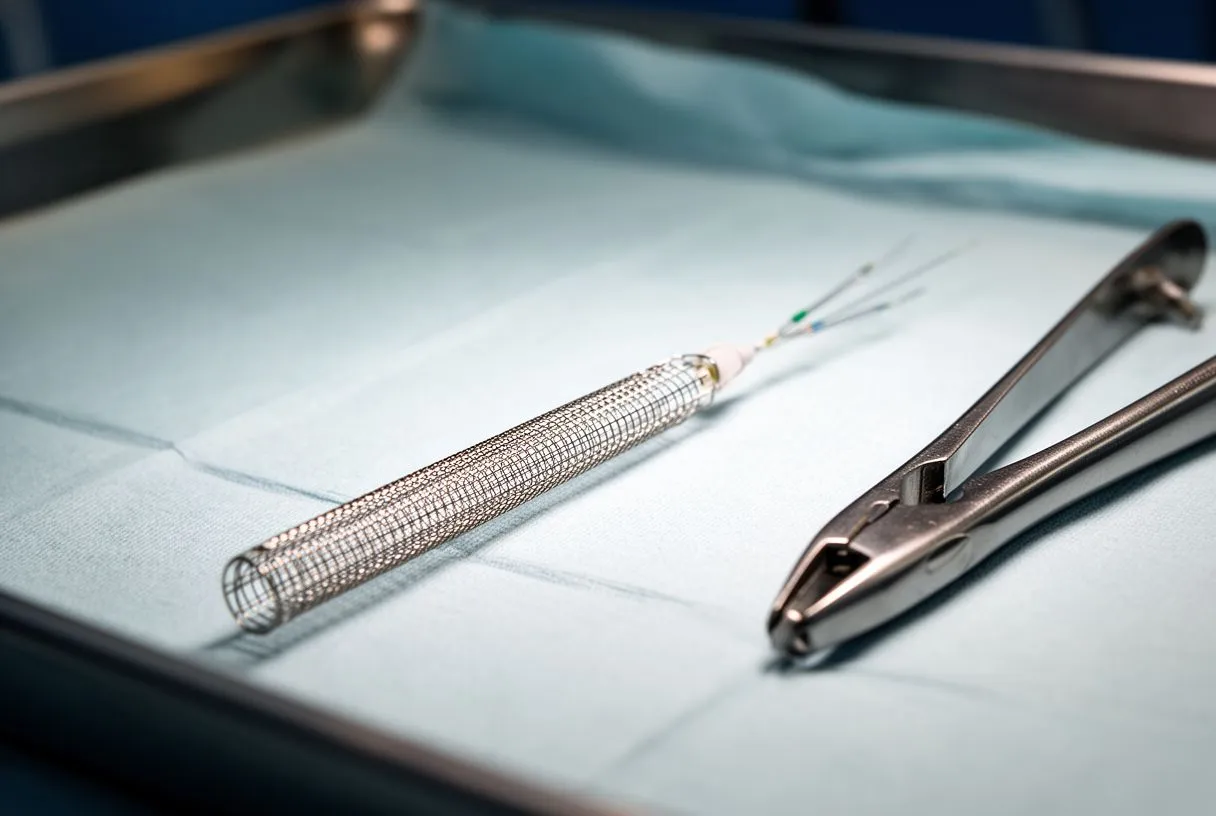
Which option is right for your situation: The choice between endarterectomy and stenting depends on multiple factors: the location and characteristics of the plaque, whether you have had previous neck surgery or radiation therapy, your age, and the presence of other conditions such as severe lung disease or heart failure. If you are already facing heart surgery, the combined risk must be weighed carefully. Some patients benefit from a staged approach — carotid treatment first, cardiac surgery a few weeks later — while others may have both procedures in a single setting. Your surgical team at Cirugía de Corazón will discuss which sequence offers the lowest risk for your specific anatomy and cardiac condition.
When Should Carotid Revascularization Happen Before Heart Surgery?
Timing is one of the most debated questions in combined carotid and cardiac care. If you have both severe carotid stenosis and a cardiac condition requiring surgery, the order in which these are treated can influence outcomes. The decision is not one-size-fits-all; it depends on which condition poses the more immediate threat and how stable you are at the time of evaluation.
Staged vs. synchronous approaches explained: In a staged approach, the carotid artery is treated first — either with endarterectomy or stenting — and the heart surgery follows days to weeks later. This allows recovery from the vascular procedure before the larger cardiac operation. The advantage is that each surgery is less complex, but the disadvantage is that the heart condition remains untreated during the interval. In a synchronous or combined approach, both procedures are performed during the same anesthetic session. This eliminates the waiting period but increases the complexity and duration of the operation. There is no universal answer; guideline bodies recommend individualized decision-making based on symptom status, urgency, and comorbidities.
For urgent cardiac conditions — such as a severely narrowed aortic valve with symptoms, or a rapidly worsening valve problem — waiting weeks for a staged carotid procedure may not be safe. In these cases, your team may proceed with heart surgery first and address the carotid later, or choose a combined approach if the carotid stenosis is critical. The ascending aorta and the carotid arteries are evaluated together as part of the whole vascular system, and the surgical plan reflects the interaction between them. Your surgeon will explain the reasoning behind the recommended sequence so you and your family understand why one approach is safer than another for your particular case.
What Are the Risks of Combining Carotid and Cardiac Procedures?
Combining carotid artery disease surgery with a heart operation does increase certain risks compared to either procedure alone. The most significant concern is stroke — both during the operation and in the early recovery period. Other risks include bleeding, infection, longer time under anesthesia, and stress on the kidneys and lungs. Understanding these risks does not mean they will happen, but it helps you and your family have realistic expectations and participate meaningfully in the decision-making process.
Specific perioperative risks to discuss with your team: During combined procedures, the brain is exposed to potential embolic events — small fragments of plaque or clot that can travel from the carotid artery to the cerebral circulation. Blood pressure management becomes more delicate, as the anesthetic must protect both the heart and the brain simultaneously. Patients with atrial flutter or other arrhythmias may need additional monitoring because irregular heart rhythms can further reduce cerebral blood flow. Large-scale data such as the OpenSAFELY study on factors associated with COVID-19-related death highlighted how comorbidities compound risk in medically complex patients — a principle that extends to combined vascular and cardiac surgery, where each added condition increases the importance of careful planning.

Your surgical team mitigates these risks through detailed pre-operative imaging, intraoperative neuromonitoring, and blood pressure management protocols. An arterial cannula may be used during the procedure to provide precise circulatory control. The use of autologous blood — your own blood collected before or during surgery — can reduce transfusion-related complications. These measures are part of standard practice in modern cardiac surgery and are tailored to each patient's risk profile. The goal is always the lowest risk approach for your situation, not a blanket protocol applied to everyone.
Carotid Artery Disease Prevention Strategies for Cardiac Patients
Whether you have already had carotid treatment or are working to prevent progression before surgery, lifestyle and medication play a central role. Prevention is not a single action but a combination of habits and treatments that together reduce plaque buildup and stabilize existing plaque. For cardiac patients, these strategies protect both the heart and the brain simultaneously.
Medical therapy that supports vascular health: Antiplatelet medication — most commonly aspirin — reduces the chance of clot formation on plaque surfaces. Statins are prescribed not only to lower cholesterol but to stabilize plaque, making it less likely to rupture. Blood pressure control is critical; the Brazilian Guidelines referenced earlier set clear targets for hypertensive patients. If you have diabetes, tight glucose management slows the vascular damage that accelerates atherosclerosis. Your cardiologist may also discuss anticoagulant options — the ARISTOTLE trial, for example, established the role of apixaban in patients with atrial fibrillation — and how these medications interact with your overall surgical plan.
Lifestyle changes carry equal weight. Stopping smoking is the single most impactful step you can take — tobacco use accelerates plaque formation in every artery in your body. A Mediterranean-style diet, regular walking, and weight management all contribute to vascular health. If you have been treated with a balloon-expandable valve or are undergoing transcatheter aortic valve replacement (TAVR), these same prevention principles apply and become even more important as part of long-term care after your procedure.
Recovery Timeline After Carotid Artery Treatment and Heart Surgery
Recovery from carotid treatment and heart surgery follows different timelines depending on whether the procedures were staged or combined. After carotid endarterectomy alone, most patients stay in the hospital for one to two days. The neck incision heals over two weeks, and normal activities resume within three to four weeks. After heart surgery, hospital stays range from five to seven days, with full recovery taking six to twelve weeks.
What to expect in the first weeks at home: After carotid endarterectomy, you may notice neck swelling, mild discomfort, and changes in sensation near the incision — these are normal. After heart surgery, chest discomfort, fatigue, and limited endurance are expected as the sternum heals. Your team will provide specific wound-care instructions and a gradual activity plan. If you had a combined procedure, expect a longer initial recovery period with closer follow-up. An automated external defibrillator is not typically needed at home, but your team will advise on any specific monitoring requirements based on your cardiac condition and risk factors.

Follow-up appointments are essential. Your surgeon will check the carotid artery with repeat ultrasound to confirm the vessel remains open and will monitor your heart recovery through clinical examination and imaging. Long-term, patients who have had carotid revascularization need periodic surveillance ultrasounds — typically annually — because plaque can develop in the opposite carotid artery or elsewhere in the vascular system. Maintaining the medication regimen and lifestyle changes discussed with your team is what protects the results of surgery over the long term.
When to Seek Help After Carotid Artery Disease Surgery
Knowing when to contact your surgical team after discharge is one of the most important pieces of information you can carry home. Most patients recover without complications, but certain symptoms require immediate attention. The key is distinguishing normal post-operative sensations from signs that something may be wrong.
Red flags that need urgent evaluation: Seek emergency care immediately if you experience sudden weakness or numbness on one side of your body, difficulty speaking or understanding speech, sudden vision loss, a severe headache unlike anything you have had before, or chest pain that does not resolve. These could indicate a stroke, heart complication, or other serious event. Less urgent but still requiring prompt contact with your team are fever above 38.5 degrees Celsius, increasing redness or drainage from any incision, or worsening neck swelling that makes swallowing or breathing uncomfortable.
- Call emergency services immediately: Sudden one-sided weakness, slurred speech, vision loss, severe headache, or unresolved chest pain.
- Contact your surgeon promptly: Fever above 38.5°C, wound redness or drainage, or worsening neck swelling affecting swallowing or breathing.
- Routine follow-up as scheduled: Surveillance ultrasounds and cardiac check-ups to monitor long-term vascular and heart health.
For patients who live outside Guadalajara, Querétaro, or Hermosillo, plan ahead for how you would access emergency care if needed. Before you go home, your surgical team should provide clear discharge instructions with contact numbers and guidelines for when to call versus when to go to the nearest emergency department. Recovery from carotid artery disease surgery and heart procedures is a partnership — your team provides the expertise and the surgical intervention, but your awareness and communication complete the circle. If you are reading this because you or a family member is facing these decisions, we encourage you to schedule a consultation with Dr Alejandro Molina and the cardiac surgery team to discuss your specific situation in detail. Every patient's anatomy, cardiac condition, and personal circumstances are different, and the information here is meant to prepare you for that conversation — not to replace it.






