

Blood Products
Learn about blood products used in cardiac surgery, including red blood cells, plasma, and platelets.
What are blood products in cardiac surgery?
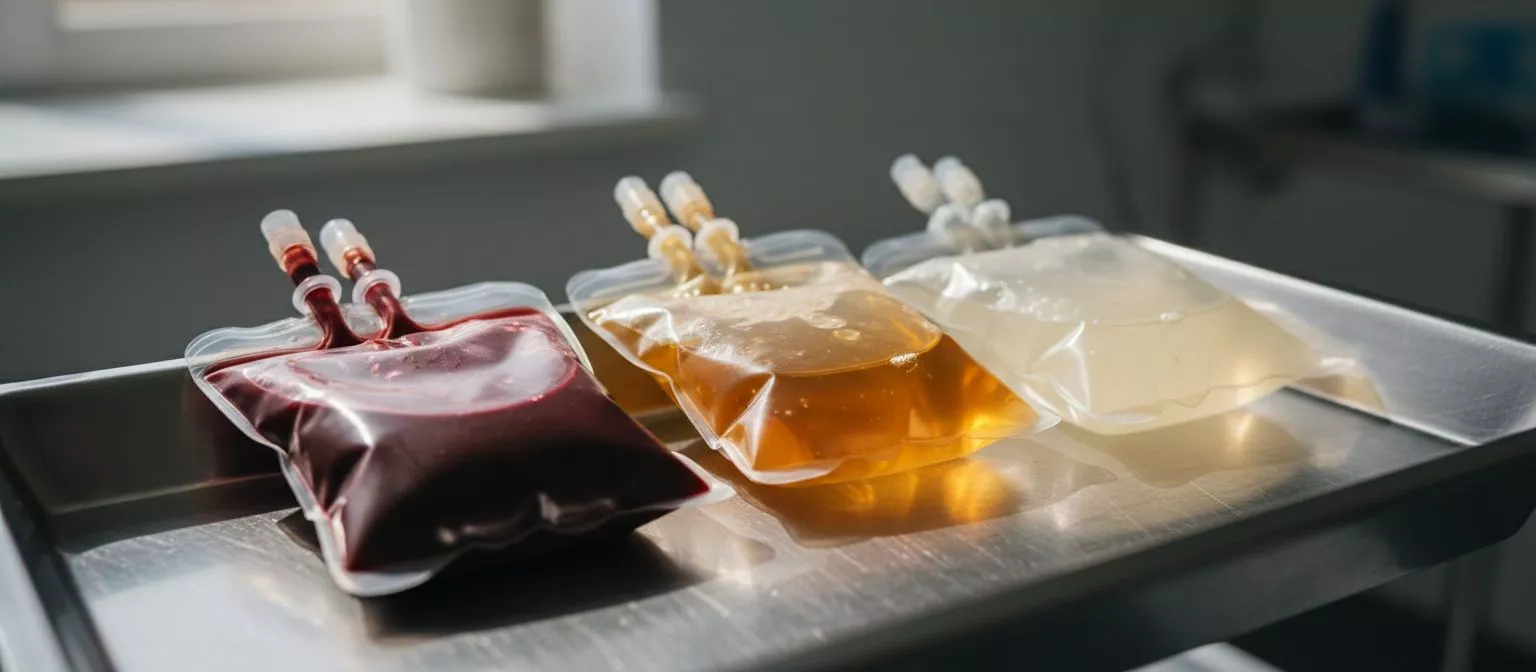
When we talk about blood products in cardiac surgery, we refer to the specific components of blood—such as red blood cells, plasma, and platelets—that are separated, tested, and prepared for transfusion. Instead of using whole blood, modern medicine relies on blood component therapy to give patients exactly what they need. This targeted approach ensures that heart surgery patients receive the most effective support for their bodies. For families preparing for a procedure, knowing that these life-saving resources are meticulously prepared can provide profound reassurance.
Cardiac operations, such as bypass surgeries or valve replacements, are complex procedures that inherently involve some degree of blood loss. To manage this safely, surgical teams rely on a highly coordinated supply of these components. Before any transfusion takes place, the medical team carefully reviews the patient's condition and anticipates their specific needs, ensuring the right component is available at the right moment.
Understanding how these therapies work helps demystify the operating room. Rather than a sudden emergency response, the administration of these components is a planned, proactive measure designed to stabilize your loved one. The goal is always to maintain optimal circulation and oxygen delivery to vital organs while the surgical team repairs the heart.
How blood transfusions support heart surgery patients
Cardiac surgery blood loss is a natural part of operating on an organ as vascular as the heart. A blood transfusion for cardiac patients acts as a critical support system, replacing volume and essential cells that are inevitably lost during the procedure. The heart-lung machine, which temporarily takes over the heart's pumping function, also requires a small amount of the patient's own blood to prime its circuit, which can lower the body's red blood cell concentration.
To compensate, the surgical team carefully administers prepared components to maintain safe blood pressure and ensure oxygen reaches the brain and other tissues. This supportive measure keeps the patient physiologically stable while the surgeon performs delicate repairs on the heart muscle.
Families can take comfort in knowing that anesthesiologists and perfusionists monitor these levels in real-time, making precise adjustments to keep the patient safe. Their continuous vigilance is a cornerstone of modern cardiac care.
Types of blood components used during surgery
Blood component therapy focuses on giving patients exactly what their body needs, rather than a one-size-fits-all approach. Modern blood banking for surgery allows medical teams to separate a single donation into distinct, life-saving elements, maximizing the benefit of every donation and tailoring care to the individual patient's surgical requirements.
- Packed red blood cells: Restore oxygen-carrying capacity to vital tissues.
- Fresh frozen plasma: Supplies clotting factors to help control bleeding.
- Platelets: Form the initial plug at surgical sites to prevent excessive bleeding.
- Cryoprecipitate: A concentrated source of specific proteins for clotting support.
By separating these elements, doctors can address specific imbalances. For example, if a patient needs more clotting factors but already has sufficient red blood cells, giving plasma alone avoids unnecessary volume expansion. This targeted approach is a hallmark of advanced surgical care.
Why packed red blood cells are essential for oxygen transport
Packed red blood cells are the most frequently transfused component in cardiac procedures. These cells are responsible for carrying oxygen from the lungs to every tissue in the body, including the brain and the heart muscle itself. During surgery, maintaining an adequate concentration of these cells is vital for patient survival and recovery.
When a patient's red blood cell count drops too low, the body struggles to deliver enough oxygen to meet its basic metabolic demands. Administering concentrated red cells ensures that the heart, which is temporarily stopped or supported by a machine, continues to receive the oxygen it needs to stay healthy. This intervention prevents cellular damage and supports overall organ function during the most critical phases of the operation.
The role of fresh frozen plasma in preventing bleeding
Fresh frozen plasma plays a crucial role in plasma transfusion for cardiac procedures. Plasma is the liquid portion of blood that holds essential proteins, known as clotting factors, which are necessary to form clots and stop bleeding. When a patient undergoes a major operation, these clotting factors can become depleted, making it harder for the body to control surgical bleeding.
By transfusing plasma, surgeons restore the building blocks the body needs to seal blood vessels and heal surgical incisions. This component is often given alongside platelets to ensure a balanced approach to hemostasis—the process that causes bleeding to stop. It is an essential tool for managing post-surgical bleeding support in the cardiac intensive care unit.
How platelet transfusions help heart surgery patients
Platelet transfusion in heart surgery is sometimes necessary because platelets—the tiny cell fragments that form the first plug in a bleeding vessel—can become diluted during the operation. As blood circulates through the heart-lung machine, some platelets are temporarily removed or activated, which can lower the patient's circulating count and impair their ability to clot properly.
When this happens, the medical team will administer a concentrated dose of platelets to restore this critical function. This ensures that once the surgery is complete, the patient's blood can effectively seal the surgical sites and promote healing. Providing this support is a standard, highly effective measure that guides the patient safely toward recovery. It is a vital step in comprehensive cardiac hemostatic therapy.
Are blood products safe during cardiac procedures?
Blood products safety is a top priority in modern medicine, and the rigorous testing protocols in place today make transfusions remarkably safe. Every unit of donated blood undergoes extensive screening for infectious diseases and is carefully matched to the patient's own blood type to prevent adverse reactions. Before any component reaches a cardiac surgery patient, it clears multiple layers of quality control.
Transfusion medicine in cardiac surgery follows strict guidelines to ensure that every transfusion is justified and beneficial. Medical teams weigh the risks and benefits of every intervention, administering only what is strictly necessary to keep the patient stable. This evidence-based approach minimizes potential complications and promotes a smoother recovery.
Patient safety is further enhanced by advanced monitoring systems in the operating room and intensive care unit. These systems track the body's response to the transfusion in real-time, allowing doctors to adjust their approach immediately if needed.
What is autologous blood transfusion and blood conservation?
Autologous blood transfusion is a technique where a patient receives their own blood rather than a donor's. This is often achieved through intraoperative blood salvage, a process where blood lost during the surgery is carefully collected, filtered, and returned to the patient. This method significantly reduces the need for banked donor blood and lowers the risk of immune reactions.
Blood conservation in surgery is a comprehensive approach that begins before the operation and continues into the recovery period. It involves medications that boost red blood cell production, surgical techniques that minimize bleeding, and advanced technology like the cell saver. These strategies work together to protect the patient's own blood supply.
By prioritizing these conservation methods, surgeons can often perform complex cardiac procedures with minimal reliance on external donations. This patient-centered approach is a cornerstone of patient blood management systems and reflects the highest standard of surgical care.
Understanding blood transfusion risks and safety protocols
Blood transfusion risks are real but have become exceedingly rare due to advances in medical science. Potential complications can include mild allergic reactions or, in very rare cases, immune responses. However, the rigorous screening, testing, and matching processes in modern blood banks make these events highly uncommon. The medical team is trained to recognize and manage any reaction immediately.
Before a transfusion begins, nurses and doctors double-check the blood label against the patient's identity to ensure a perfect match. During the transfusion, the patient's vital signs are monitored continuously. This layer of oversight ensures that if the body reacts to the new blood, the medical team can intervene instantly.
For families worried about these risks, it is helpful to remember that transfusions are only given when the benefits far outweigh the potential downsides. The decision to transfuse is never made lightly; it is a carefully considered step to save a life or prevent serious harm.
How blood banking supports successful cardiac surgery
Blood banking for surgery provides the essential infrastructure that makes complex heart procedures possible. Blood banks are highly specialized facilities that collect, test, process, and store components until they are needed in the operating room. They serve as the critical bridge between generous donors and the patients whose lives depend on these resources.
Every component has a specific shelf life and storage requirement. Red blood cells must be refrigerated, platelets are kept at room temperature with constant gentle agitation, and plasma is frozen until just before use. This meticulous blood products glossary of logistics ensures that when a surgeon calls for a specific component, it is ready, safe, and fully potent.
Behind the scenes, these laboratories work around the clock to support hospitals. Their dedication ensures that your surgical team has immediate access to the safest, highest-quality components available, giving patients the best possible foundation for a successful recovery and a healthy future.






