

Cell Salvage
Learn how cell salvage recovers your own blood during heart surgery, reducing donor transfusions and improving outcomes.
What is cell salvage
Cell salvage is a medical technique used during surgery to collect blood that a patient loses in the operating theatre, clean it, and then return it safely to their own body. In cardiac procedures, where bleeding is a natural part of the surgical landscape, this approach—also known as autologous blood recovery—ensures that precious red blood cells are not simply discarded. Instead, they are rescued, washed, and given back, helping to maintain healthy blood volume and oxygen delivery to the heart and brain.
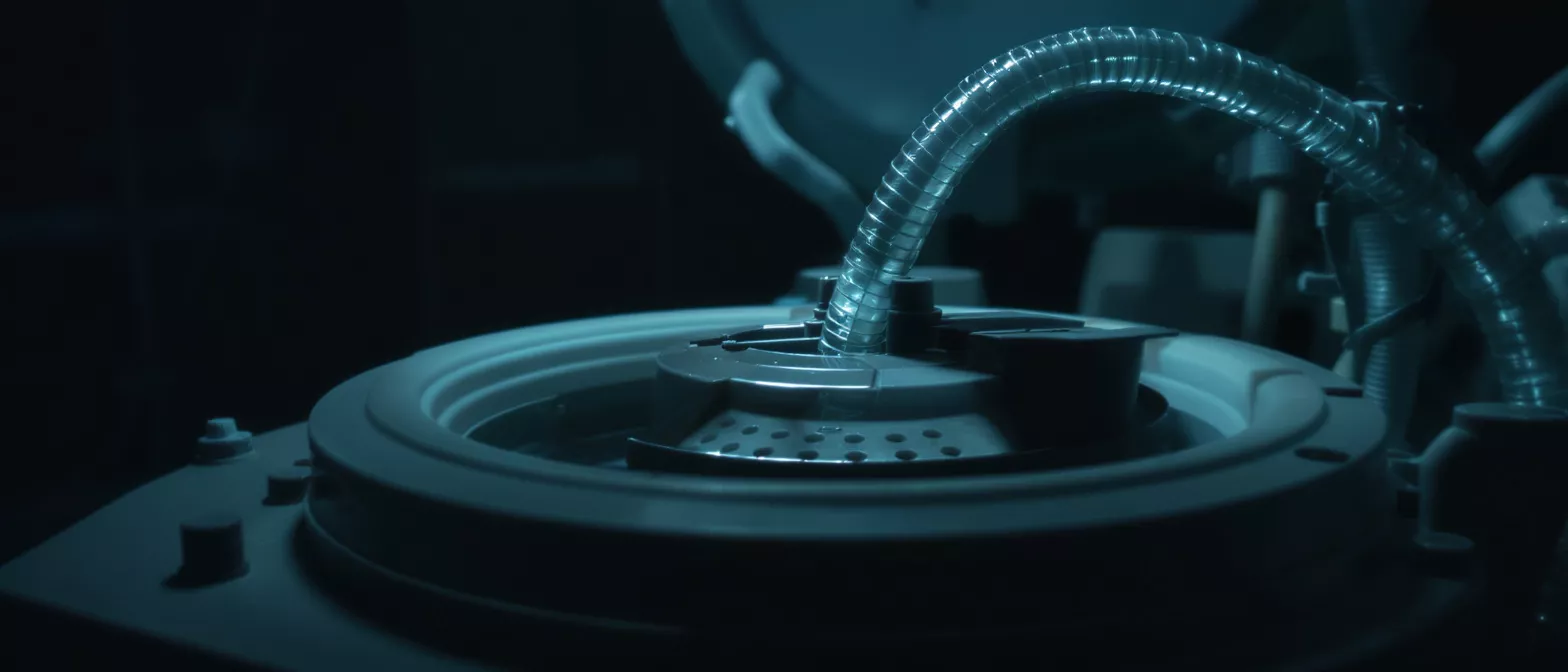
Understanding the cell salvage definition: At its simplest, the term describes a system that intercepts blood from the surgical field, processes it through a specialised centrifuge, and separates the usable red blood cells from other fluids, debris, and plasma. The cleaned, concentrated blood is then routed into an intravenous line, completing a closed circuit. The body receives its own healthy cells back, rather than relying immediately on a donor supply.
For a frightened patient facing heart surgery, knowing this technology exists can be deeply reassuring. It means the surgical team has a reliable way to support your circulation and protect you from unnecessary donor exposure, keeping your treatment as safe and self-contained as possible.
How does cell salvage work
To understand how the process functions, it helps to picture the surgical field as a place where blood pools as tissues are carefully cut and repaired. The surgical team uses a suction device that gently draws this blood away from the operation site, moving it through sterile tubing into a reservoir.
The cell salvage process step by step: Inside the reservoir, the collected blood is mixed with a mild anticoagulant to prevent it from clotting. From there, the fluid is drawn into a spinning centrifuge bowl. The spinning motion separates the heavy red blood cells from the lighter plasma, platelets, and surgical debris. The heavier red cells settle against the outer wall of the bowl, while the lighter fluids are washed away with sterile saline solution.
Once washing is complete, the purified red blood cells are pumped into a reinfusion bag. At the surgical team's direction, this concentrated blood is returned to the patient through an intravenous line. Because the circuit is completely closed and uses single-use sterile tubing, the technique maintains strict hygiene and safety standards throughout the operation.
Why is cell salvage important in cardiac surgery
Cardiac surgery is unique because operations on the heart often involve significant blood loss and the use of the heart-lung machine. When your blood circulates outside your body through this bypass machine, the volume of fluid must be carefully managed. Using a cell salvage system allows the medical team to recover blood from the chest cavity and the bypass circuit itself, ensuring nothing vital is wasted.
Avoiding donor transfusions: By reinfusing a patient’s own cleaned blood, surgeons can often reduce or completely avoid the need for donor blood transfusions. Donor blood, while rigorously tested, still carries a small risk of reactions and requires careful cross-matching. Returning your own blood eliminates these compatibility concerns because the body instantly recognises its own red blood cells.
This approach is particularly valuable in procedures where heavy bleeding is anticipated. It allows the surgeon to proceed with precision and confidence, knowing that a robust support system is in place to maintain your blood volume and oxygen-carrying capacity without waiting for external supplies.
What are the benefits of cell salvage
The cell salvage benefits extend well beyond simply replacing lost fluid. For the patient, the most immediate advantage is the preservation of red blood cells, which are the body’s primary vehicles for transporting oxygen. By keeping your own blood in circulation, your body is better equipped to heal, fight off infection, and recover from the physical stress of surgery.
Because you are receiving your own cells, there is no risk of transfusion-transmitted infections, no risk of allergic reactions to donor antibodies, and no delay waiting for blood bank supplies. This promotes a smoother postoperative recovery and can shorten your overall hospital stay.
- Immediate availability: Cleaned blood is ready to be reinfused the moment it is needed.
- Reduced infection risk: Your own blood carries no risk of foreign viral transmission.
- Faster recovery: Receiving fresh, well-oxygenated blood helps the body bounce back more efficiently.
Are there risks or cell salvage complications
While the technology is highly refined and routine in modern operating rooms, it is natural to ask about cell salvage complications. The overall risk profile is very low, especially when compared to the risks associated with receiving donated blood. However, the medical team monitors the process closely to ensure everything remains perfectly safe.
Understanding the safeguards: One potential risk in any blood recovery system is the return of microscopic debris or unwanted substances. This is why the washing phase is so critical. The centrifuge and saline wash are designed to remove tissue fragments, fat, and anticoagulants before the blood is given back. In cardiac cases, the team takes extra care to suction blood from areas free of bone dust or surgical debris to prevent complications.
Another monitored concern is the slight temporary drop in platelets and clotting factors, because the washing process removes plasma along with the debris. Your surgical team actively monitors your clotting levels and provides separate, targeted support if needed, ensuring your body has everything required to heal properly after the operation.
What happens to my own blood during the operation
For families waiting outside the theatre, understanding the journey of the patient's blood can ease anxiety. From the moment the operation begins, the cell saver surgery equipment acts as a silent assistant. It continuously collects blood that would otherwise be lost, ensuring the patient’s system remains balanced.
A continuous loop: If bleeding occurs during the opening of the chest or while the heart-lung machine is being disconnected, the blood is gently suctioned away. It travels safely into the machine, gets washed, and comes back to the patient in a steady, controlled manner. This closed circuit means the patient is effectively donating blood to themselves in real time.
This real-time recovery is crucial. It means that even in long, complex cardiac cases, the patient’s blood count is continuously supported. The surgical team does not have to pause or worry about a dwindling supply, because the patient is their own best source of healthy blood.
Who needs blood recovery surgery techniques
Autotransfusion cell salvage is not required for every single procedure, but it is considered standard practice in most major heart surgeries. Patients undergoing valve replacements, coronary artery bypasses, and aortic repairs will almost always have this equipment on standby or actively running.
Patients with rare blood types: For individuals who have rare blood profiles or specific antibodies that make finding a matching donor difficult, this equipment is a lifeline. It helps ensure that the patient has a reliable source of compatible blood available the moment it is needed, easing the stress of waiting for a matching donor.
Even if you are not expecting significant bleeding, having the equipment in the room ensures your safety. The decision to use it is made by your surgeon and anaesthetist based on the specific details of your operation, always with your wellbeing as the top priority.
How efficient is autotransfusion cell salvage
One of the most common questions patients ask is how much blood is actually saved. The cell salvage efficiency is remarkably high. Modern machines can recover the vast majority of red blood cells lost in the surgical field, provided the blood is suctioned quickly and carefully before it clots.
Maximising red blood cell return: The washing and spinning process isolates the red blood cells with great precision. Because the blood is returned immediately, these cells are fresh and fully functional, unlike stored donor blood, which can lose some of its flexibility and oxygen-carrying efficiency over time in a refrigerator.
This high efficiency translates directly into better patient outcomes. By maintaining a strong red blood cell count throughout the procedure, your organs receive a steady supply of oxygen, which is critical for protecting the kidneys and brain during the stress of surgery.
What should families know about cell saver surgery
When a loved one is in the operating room, families want to know that everything possible is being done to keep them safe. The use of a cell salvage machine is a clear sign that the surgical team is using advanced, evidence-based methods to protect the patient.
A sign of a modern cardiac centre: The presence of this equipment indicates that the hospital is equipped to handle bleeding safely and proactively. It means the surgical team can minimise reliance on external blood banks, reducing the risks of donor transfusions and ensuring your loved one keeps their own healthy blood.
Knowing this, families can take comfort in the fact that the surgical team has a comprehensive plan for fluid management. The continuous loop of recovery, washing, and reinfusion is a testament to the high standards of modern cardiac care and the team's commitment to a safe recovery.
A reassuring summary on cell salvage
Understanding the medical technology used during your heart surgery can transform fear into confidence. Cell salvage is one of the most effective tools available for protecting patients, ensuring that the blood you lose is cleaned and given right back to you.
By capturing, washing, and reinfusing your own red blood cells, this technique supports your circulation, reduces the need for donor transfusions, and promotes a smoother recovery. It is a routine, safe, and highly efficient practice in cardiac operating rooms around the world.
As you prepare for your procedure, remember that your surgical team has every measure in place to support your health. If you have further questions about how blood recovery will be managed during your specific operation, do not hesitate to discuss them with Dr Alejandro Molina and your care team.






