

Neochordae
Learn how neochordae repair mitral valve regurgitation without replacement.
What Are Neochordae?
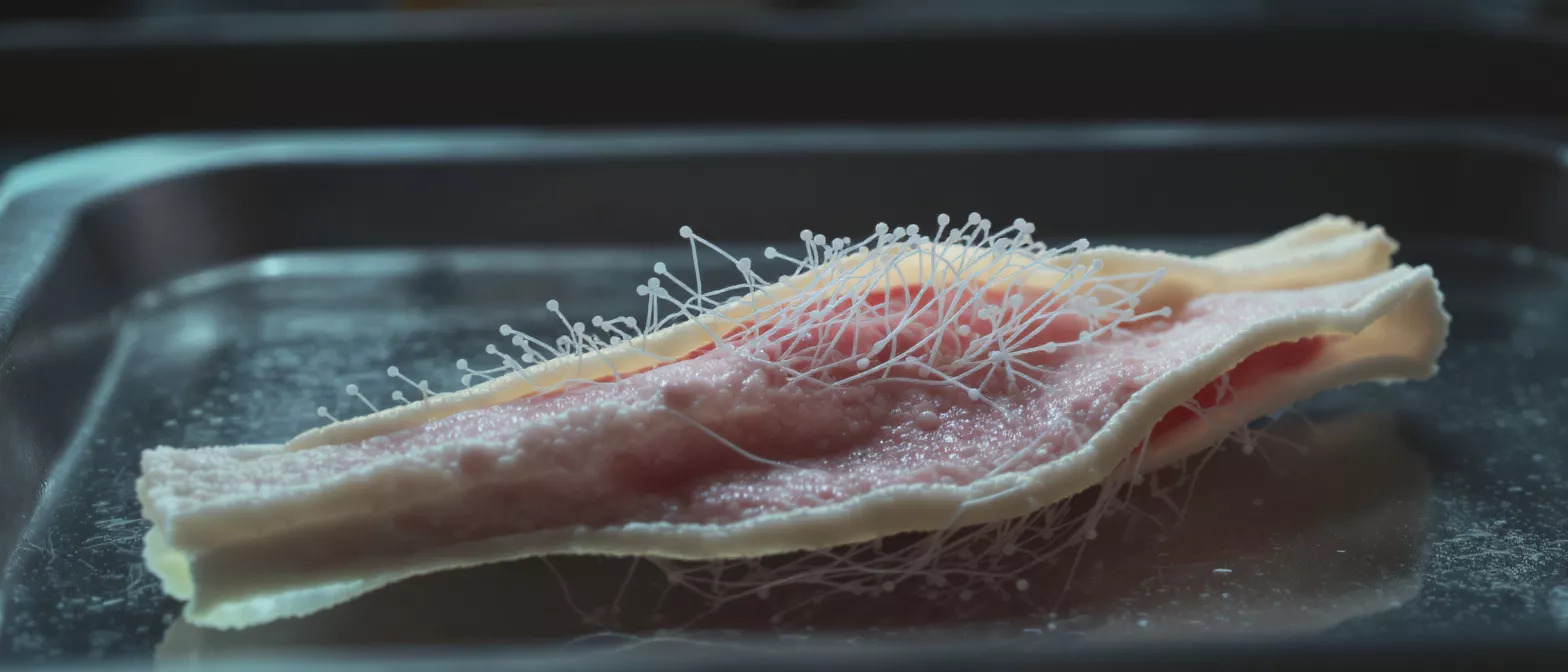
When a surgeon talks about repairing a leaking heart valve, they might mention using neochordae. In simple terms, neochordae are artificial chords, or strings, created to replace or support the natural tendinous cords inside the heart. These natural cords, known as the chordae tendineae, connect the heart valves to the small muscles on the heart wall, ensuring the valve leaflets open and close smoothly without prolapsing or leaking backward. Over time, or due to certain medical conditions, these natural strings can stretch, thin out, or snap entirely.
Understanding the anatomy of heart valves: The mitral valve acts like a set of swinging doors between the upper and lower chambers of the heart's left side. To prevent these doors from swinging backward into the atrium, they are anchored by the chordae tendineae. When these natural anchors fail, blood flows backward, a condition called mitral regurgitation. This forces the heart to work harder and can lead to fatigue and breathlessness.
By crafting new artificial anchors, your cardiac surgeon can rebuild the valve's support structure. These replacement strings are typically made from a highly durable, medical-grade material called polytetrafluoroethylene (ePTFE), which is well-tolerated by human tissue. This innovation has completely transformed modern cardiac surgery, allowing surgeons to fix a damaged valve rather than completely removing it.
How Neochordae Work in Mitral Valve Repair
Mechanics of artificial chordae: The mechanism of neochordae is elegantly simple but requires immense surgical precision. Once the surgeon identifies a ruptured or overly stretched natural chord, they measure the exact length needed to allow the valve leaflet to close tightly against its neighboring leaflet. An artificial suture is then anchored to the heart muscle and attached to the free edge of the failing valve leaflet, creating a new, taut string.
This artificial chord functions identically to a healthy natural tendon. When the heart contracts, pressure pushes against the valve, but the neochordae hold the leaflet firmly in place, preventing it from flopping backward. The length of the artificial chord is critical; it must be measured to the millimeter to ensure a perfect seal while maintaining smooth blood flow.
Because the material used is flexible and strong, it mimics the natural biomechanics of the heart. The surrounding tissue readily accepts the material, and over time, the body's own cells will encapsulate the artificial chord, integrating it permanently into the valve's functional apparatus. This dynamic interaction restores normal heart flow without relying on mechanical metal valves or animal tissue replacements.
Why Neochordae Matter for Heart Surgery Patients
Facing heart surgery is naturally frightening, but understanding the tools available can bring a profound sense of relief. For patients, the use of neochordae represents the possibility of a restorative approach. Instead of replacing the entire valve with a mechanical device that requires lifelong blood thinners, or a biological replacement that eventually wears out, repairing your own native valve is always the preferred medical route when feasible.
Preserving your native heart anatomy: Keeping your own valve means maintaining the natural geometry and blood flow patterns of your heart. Your native tissue grows and adapts, offering a functional durability that artificial replacements struggle to match. This preservation helps maintain the overall strength and efficiency of the heart muscle over the long term.
Furthermore, successful valve repair using artificial chords significantly reduces the risk of future complications. Patients are often able to return to their normal daily activities without the strict regimens associated with mechanical valve replacements. It is a solution that aims to give you your life back, restored to its natural rhythm and capacity.
Types of Neochordae Implants
Standard ePTFE sutures: The most common type of artificial chord used today is made from expanded polytetrafluoroethylene. This material has been used safely in vascular and cardiac surgery for decades. Surgeons appreciate its flexibility, strength, and its proven track record of long-term durability inside the human body.
Pre-measured loops and chordal systems: Modern surgical advancements have introduced pre-measured loops. Instead of manually measuring and tying knots to get the perfect length during surgery, surgeons can use these pre-fabricated loops to ensure highly precise, reproducible leaflet coaptation. This technique streamlines the procedure and enhances the consistency of the repair.
- ePTFE sutures: The traditional gold standard for durability and flexibility.
- Loop systems: Allow for precise, pre-measured adjustments before securing the valve.
- Minimally invasive applications: Specialized instruments used to deploy these chords through smaller incisions.
Benefits of Neochordae in Valve-Sparing Surgery
Choosing a repair strategy utilizing artificial chords offers several distinct advantages over total valve replacement. The primary benefit is the avoidance of lifelong anticoagulation therapy. Mechanical valves require patients to take strong blood thinners daily, necessitating frequent blood tests and dietary restrictions. Valve repair eliminates this burden, allowing patients to live freely without the constant management of blood thinners.
Long-term survival and quality of life: Clinical observations consistently show that patients who undergo successful valve-sparing surgery experience excellent long-term outcomes. By maintaining the natural architecture of the heart, the muscle functions more efficiently. This translates to better energy levels, improved exercise capacity, and a return to normal activities.
Additionally, repairing a valve rather than replacing it protects against the structural deterioration seen in biological tissue valves over time. Your own tissue does not calcify or wear out the way animal-derived replacement valves eventually do, making the repair a potentially permanent, lifelong fix for the right candidate.
Neochordae Procedure Explained
Surgical access and visualization: The procedure is typically performed under general anesthesia. Depending on the surgical approach, the surgeon may access the heart through a traditional sternotomy or, increasingly, through minimally invasive techniques involving smaller incisions between the ribs. The heart is temporarily stopped, and a bypass machine takes over the work of pumping blood, allowing the surgeon a still, clear field to operate.
Once the heart is exposed, the surgeon inspects the mitral valve to identify the exact location of the ruptured or elongated chordae. The damaged segments are carefully trimmed away. The new artificial sutures are then meticulously threaded through the papillary muscle and the free edge of the prolapsing leaflet. The tension is adjusted until the valve closes perfectly without leaking.
Before closing the chest, the surgeon tests the repair, often using echocardiography to visualize the valve in action. Once confirmed that the seal is tight and the blood flows smoothly in one direction, the temporary bypass is removed, and the heart resumes its normal beat. Finding a specialist in structural heart repair ensures you receive this meticulous level of surgical care.
Are Neochordae Safe and Durable?
Proven safety profile: The use of artificial chords in cardiac surgery has been extensively studied and refined over several decades. The materials used are inert, meaning they do not react with the body or cause rejection. Infection rates associated with these artificial sutures are exceedingly low, and they do not require any special maintenance once implanted inside the heart.
From a durability standpoint, the synthetic material is extraordinarily strong and resistant to degradation. It does not stretch over time the way diseased natural cords do. For the vast majority of patients, a successful repair using these artificial anchors lasts a lifetime, completely resolving the leaking valve and preventing the need for future repeat surgeries.
It is natural for patients to worry about the material breaking, but the tensile strength of the medical-grade suture is exceptionally high, designed specifically to withstand the repeated snapping forces of the beating heart. The body's natural healing process further reinforces the artificial chord by coating it with a thin layer of natural tissue, adding an extra layer of biological durability.
Recovery After Neochordae Implant Surgery
Recovery from valve repair surgery is a gradual process that requires patience and careful adherence to your medical team's guidelines. Immediately after the procedure, you will spend a few days in the intensive care unit for close monitoring. Once your heart function is stable and your breathing is independent, you will transition to a standard ward to begin walking and regaining your strength.
Cardiac rehabilitation: A structured rehabilitation program is highly recommended after surgery. This involves monitored exercise, nutritional counseling, and lifestyle education to help you safely return to your daily routine. Because you have a repaired native valve rather than a mechanical replacement, your rehabilitation often progresses without the added complication of heavy blood-thinner management.
- Initial healing: Expect a hospital stay of a few days for initial cardiac monitoring.
- Gradual movement: Walking and light activity are encouraged early to prevent stiffness.
- Follow-up care: Regular echocardiograms will track your repaired valve's performance over time.
Neochordae vs Valve Replacement
When discussing surgical options with your doctor, the conversation usually weighs repair against replacement. If a valve is heavily calcified or entirely destroyed by infection, replacement might be the only viable option. However, if the valve is fundamentally healthy but failing due to stretched or broken cords, repair using artificial chords is universally considered the superior medical choice.
Weighing the surgical options: Replacement valves, whether mechanical or biological, come with inherent trade-offs. Mechanical valves last forever but require lifelong blood thinners. Biological valves do not require long-term blood thinners but wear out after a decade or two, necessitating high-risk repeat operations. Repairing your valve with artificial strings avoids both of these severe downsides.
Ultimately, the goal of the surgical team is to restore your heart to its most natural, functional state. By utilizing advanced repair techniques, surgeons can offer a solution that acts and feels like a natural heart. Patients considering their surgical options are encouraged to look into advanced heart valve repair devices to better understand the technology driving these modern outcomes.
Conclusion on Neochordae in Cardiac Surgery
Understanding the role of neochordae in heart surgery demystifies a complex procedure and highlights the incredible advancements in modern cardiac care. These artificial chords act as vital lifelines for damaged heart valves, allowing surgeons to restore normal blood flow by repairing your native anatomy rather than replacing it entirely with artificial hardware.
Empowering your healthcare journey: If you or a loved one is facing mitral valve surgery, knowing that restorative options exist can significantly ease the anxiety of the unknown. By preserving your natural valve, this approach offers a return to a vibrant, active life without the constant burden of mechanical valve maintenance or the ticking clock of biological valve deterioration.
Always discuss your specific condition, surgical risks, and long-term prognosis with your specialized cardiac care team. Every heart is unique, and a personalized consultation is the best way to determine if a valve-sparing approach utilizing artificial chords is the right path forward for your health and peace of mind.






