

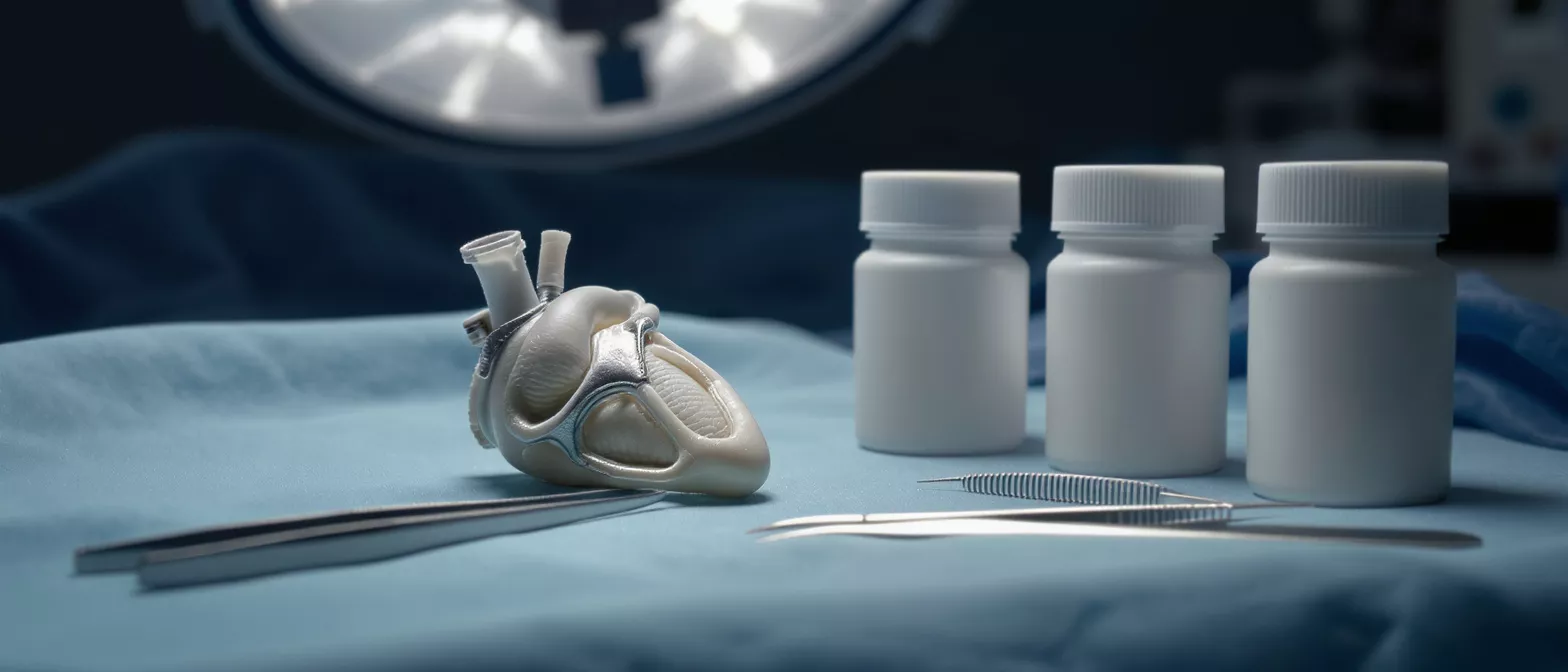
SAVR
Learn about SAVR: surgical aortic valve replacement procedure, candidacy, recovery, and risks.
What Is SAVR (Surgical Aortic Valve Replacement)?
SAVR stands for surgical aortic valve replacement, a highly effective open-heart procedure designed to treat severe diseases of the aortic valve. The aortic valve controls the flow of oxygen-rich blood from the heart to the rest of the body. When this valve becomes damaged or diseased, it cannot open fully or close properly, forcing the heart to work harder. SAVR involves surgically removing the diseased valve and replacing it with a durable prosthetic substitute, restoring healthy blood flow and relieving the strain on the heart muscle. For many patients, this surgical aortic valve replacement is the most reliable, definitive solution for restoring cardiovascular function.
Understanding the surgical aortic valve replacement procedure begins with understanding the anatomy of the heart. The aortic valve has three flaps, or leaflets, that open and close with each heartbeat. Over time, these leaflets can become stiff, calcified, or structurally weakened. During SAVR, the surgical team temporarily stops the heart, uses a heart-lung bypass machine to maintain circulation, extracts the failing native valve, and securely sews a new mechanical or biological valve into place. This restores normal blood ejection, which immediately reduces the workload on the left ventricle and helps the heart pump efficiently.
Why surgical valve replacement matters for heart health: Without intervention, severe aortic stenosis or regurgitation progressively worsens, eventually leading to heart failure, lung congestion, or fatal arrhythmias. SAVR directly addresses the mechanical failure of the valve, preventing irreversible heart muscle damage. By restoring proper valve function, this procedure dramatically improves physical endurance, resolves symptoms like chest pain and fainting, and grants patients a return to daily activities. The surgery is a cornerstone of modern cardiovascular treatment, offering a second chance at a healthy, active life.
How Does SAVR Treat Aortic Stenosis?
Aortic stenosis is the primary condition that necessitates SAVR. This condition occurs when the aortic valve leaflets become thick and calcified, narrowing the valve opening and restricting blood flow. The heart must generate significantly higher pressure to push blood through the narrowed opening, eventually causing the heart muscle to thicken and weaken. SAVR treats aortic stenosis by completely removing the calcified, obstructive tissue and replacing it with a fully functional prosthesis. This immediately eliminates the pressure overload, allowing the heart to return to a normal, healthy pumping rhythm.
For patients experiencing symptoms such as severe shortness of breath, chest pain during exertion, or fainting spells, surgical aortic valve replacement is often the recommended treatment. By physically widening the pathway for blood to exit the heart, SAVR resolves the mechanical obstruction at its source. The left ventricle no longer has to fight against a stiff, narrowed valve, which allows the heart muscle to gradually remodel and recover its natural strength over the months following the surgery.
Resolving pressure overload on the heart: The primary therapeutic goal of SAVR in aortic stenosis is the immediate reduction of the pressure gradient across the valve. Before surgery, the pressure inside the left ventricle is dangerously high. Once the new valve is in place, blood flows smoothly without resistance, dropping this pressure back to normal physiological levels. This sudden relief prevents further heart failure progression and gives the cardiovascular system the mechanical stability it needs to heal and sustain the body's organs effectively.
Who Are the Best Candidates for SAVR?
Determining who should undergo surgical aortic valve replacement requires a comprehensive evaluation of the patient's overall heart health and physical condition. Generally, the best candidates for SAVR are individuals suffering from severe aortic stenosis or regurgitation who are experiencing clinical symptoms. Additionally, patients whose heart function has begun to decline, even if symptoms are mild, are often evaluated for SAVR to prevent long-term damage. Age, anatomical structure of the chest and blood vessels, and the presence of other heart conditions requiring surgical intervention, such as coronary artery disease, also play a crucial role in identifying ideal candidates.
Patients who require bypass surgery or repair of other heart valves alongside their aortic valve replacement are typically steered toward SAVR rather than minimally invasive alternatives. Because SAVR provides the surgeon with direct visualization and access to the heart, it allows for multiple complex cardiac procedures to be performed safely during a single operation. This comprehensive approach ensures that all structural heart issues are corrected at once, optimizing long-term outcomes and sparing the patient from needing multiple future surgeries.
Younger patients and mechanical valve suitability: Younger, healthier individuals with a long life expectancy are often excellent candidates for SAVR, particularly when a mechanical valve is chosen. Mechanical valves are highly durable and designed to last a lifetime, eliminating the need for future redo surgeries. For these patients, the required lifelong blood-thinning medication is a manageable trade-off for the permanent structural solution that SAVR provides, making it the preferred clinical pathway.
SAVR vs TAVR: Understanding the Key Differences
The primary alternative to SAVR is TAVR (transcatheter aortic valve replacement), a minimally invasive procedure that threads a new valve through a catheter, typically via the femoral artery. The main difference lies in the surgical approach. SAVR requires a larger incision and the use of a heart-lung bypass machine, whereas TAVR is performed on a beating heart without major chest incisions. Because of this, TAVR generally offers a faster immediate recovery and shorter hospital stay, which initially made it highly popular for older, high-risk patients who could not withstand open-heart surgery.
Despite the less invasive nature of TAVR, SAVR remains the gold standard for many patients. The long-term durability of surgically implanted valves, particularly mechanical prostheses, is well-documented over decades. SAVR allows for complete removal of the calcified native valve, whereas TAVR compresses the old valve against the heart wall. For patients who need concurrent cardiac procedures, such as bypass grafting, SAVR is the only viable option. The clinical decision between SAVR and TAVR relies heavily on a multidisciplinary heart team's assessment of the patient's surgical risk, age, and specific anatomy.
- Approach: SAVR uses traditional open-heart surgery; TAVR uses a minimally invasive catheter.
- Durability: SAVR valves, especially mechanical ones, are known to last longer.
- Recovery: TAVR offers a faster immediate recovery; SAVR requires weeks of postoperative healing.
- Complexity: SAVR allows for simultaneous treatment of other heart conditions.
Types of Prosthetic Aortic Valves Used in SAVR
During surgical aortic valve replacement, the surgeon will implant one of two main types of prosthetic valves: mechanical or biological. Mechanical valves are constructed from extremely durable materials like carbon and titanium. They are designed to function indefinitely, meaning a patient will likely never need another valve replacement surgery. However, because artificial materials can cause blood clots, patients receiving a mechanical valve must take anticoagulant medications for the rest of their lives to prevent clotting on the valve components. For a comprehensive valve replacement journey, many patients require a durable mechanical heart valve replacement to ensure lifelong cardiac stability.
Biological valves, also known as bioprosthetic valves, are made from animal tissue, typically cow pericardium or pig heart valves, or occasionally from human donor tissue. These valves function much like a natural human valve and do not require long-term blood thinners. However, because they are made of biological tissue, they have a limited lifespan and may gradually degenerate over 10 to 15 years. Choosing a biological valve is often a careful decision weighing the desire to avoid blood thinners against the potential need for a future valve-in-valve procedure.
Tissue valves vs mechanical valves: The choice between these two options depends heavily on the patient's age, lifestyle, and ability to safely take anticoagulants. Younger patients are usually guided toward mechanical valves to avoid a second open-heart surgery later in life. Older patients, or those with a higher risk of bleeding, are typically recommended biological tissue valves. The surgical team will evaluate bleeding risks, medication management capabilities, and the patient's long-term health goals to determine the most appropriate prosthetic valve.
Surgical Aortic Valve Replacement Procedure Explained
The surgical aortic valve replacement procedure is a complex, highly orchestrated operation that requires specialized cardiac surgical expertise. After the patient receives general anesthesia, the surgeon makes an incision down the center of the chest to access the sternum. The breastbone is carefully divided to expose the heart. Once the heart is visible, the patient is connected to a cardiopulmonary bypass machine, which temporarily takes over the job of pumping blood and oxygenating it, allowing the surgeon to safely stop the heart.
With the heart still, the surgeon opens the aorta to reveal the diseased aortic valve. The calcified or damaged leaflets are meticulously removed, and the surrounding tissue is cleaned. The new prosthetic valve, carefully sized to fit the patient's specific anatomy, is then sewn into place using strong sutures. Once the valve is secured, the surgeon closes the aorta, removes air from the heart chambers, and allows the heart to resume beating normally. The patient is gradually weaned off the bypass machine, and the chest incision is closed.
What happens during open aortic surgery: The most critical phase of SAVR is the period of cardiac arrest and bypass. Because the heart must be completely still to perform the delicate suturing required for valve replacement, the heart-lung machine is essential to patient survival. Throughout the procedure, the anesthesia and perfusion teams continuously monitor the patient's vitals, ensuring that the brain and other organs receive adequate blood flow while the surgeon executes the mechanical repair.
SAVR Recovery and Postoperative Care Guide
Recovery from surgical aortic valve replacement is a gradual process that typically begins in the intensive care unit. For the first 24 to 48 hours, the patient is closely monitored to ensure the new valve is functioning properly and that the heart rhythm is stable. Once stabilized, the patient is moved to a cardiac recovery ward, where they begin gentle physical activity. Walking with assistance usually begins within two to three days following the operation to prevent blood clots and promote lung function.
Patients generally remain in the hospital for five to seven days after SAVR. Upon returning home, full recovery takes approximately six to eight weeks, during which patients are encouraged to gradually increase their physical activity. A structured cardiac rehabilitation program is highly recommended to safely rebuild cardiovascular strength. Patients must also practice strict sternal precautions, avoiding heavy lifting or pushing movements for several weeks to allow the breastbone to heal completely. To support healing during this critical phase, family members often look for postoperative heart surgery recovery support equipment.
Cardiac rehabilitation timeline after SAVR: The first few weeks at home are focused on pain management, wound care, and regaining basic stamina. By week four, patients can usually resume light household chores and short walks. Around week eight, provided the sternum has healed and follow-up echocardiograms confirm healthy valve function, patients are typically cleared to return to work, driving, and more strenuous exercise. Consistent follow-up with the cardiac surgeon is essential to monitor the long-term success of the replacement.
What Are the Risks of Surgical Aortic Valve Replacement?
As with any major surgical procedure, surgical aortic valve replacement carries inherent risks. Because it is an open-heart surgery requiring cardiopulmonary bypass, complications can occur, including bleeding, infection at the incision site, or adverse reactions to anesthesia. Specific cardiac risks include the possibility of a stroke, heart attack, or irregular heart rhythms such as atrial fibrillation. The surgical team takes extensive precautions, including administering prophylactic antibiotics and utilizing advanced monitoring techniques, to minimize these risks during the operation.
One specific risk associated with valve replacement is the potential for valve dysfunction or the formation of blood clots on the artificial valve. This is why precise anticoagulation management is critical for patients with mechanical valves. Additionally, because the heart is intentionally stopped and restarted, there is a risk of temporary heart block, where the electrical signaling is disrupted, potentially requiring a temporary or permanent pacemaker. However, for severe aortic disease, the risk of leaving the disease untreated far outweighs the surgical risks for the vast majority of candidates.
Managing complications after valve surgery: Modern cardiac surgery has made SAVR a remarkably safe procedure, with survival rates continually improving. Complications are actively managed through vigilant postoperative care. Irregular heartbeats are treated with medications, infections are aggressively addressed with intravenous antibiotics, and any signs of valve dysfunction are immediately evaluated using echocardiography. The multidisciplinary medical team is highly trained to recognize and react to any postoperative anomaly, ensuring patient safety throughout the recovery journey.
How Long Do Surgical Aortic Valves Last?
The longevity of a prosthetic aortic valve depends entirely on the type of valve implanted during SAVR. Mechanical valves are incredibly resilient and are designed to last a lifetime. Patients who receive a mechanical valve generally do not need to undergo another valve replacement surgery, making it an excellent choice for younger patients with a long life expectancy. The trade-off for this durability is the lifelong requirement to take blood-thning medications to prevent clot formation on the mechanical components.
Biological valves, while offering the significant advantage of not requiring long-term blood thinners, have a finite lifespan. These tissue valves typically last between 10 and 15 years, though some newer generation models are demonstrating slightly longer durability. Over time, the biological tissue can calcify or wear out, leading to a recurrence of aortic stenosis or regurgitation. When a biological valve fails, a secondary procedure, often a less invasive TAVR, can be performed to implant a new valve inside the failing biological shell.
Durability of mechanical vs tissue valves: The choice between valve materials represents a critical decision in surgical planning. Mechanical valves provide permanent structural correction but demand strict, lifelong anticoagulation therapy. Biological valves offer a superior quality of life regarding medication management but carry the eventual certainty of structural deterioration.
Life Expectancy and Quality of Life After SAVR
For patients suffering from severe aortic valve disease, surgical aortic valve replacement is a life-saving intervention that significantly extends life expectancy. Before surgery, severe aortic stenosis carries a grim prognosis with a high mortality rate. By restoring normal heart function and eliminating the obstruction to blood flow, SAVR returns a patient's life expectancy back to a normal trajectory. The procedure effectively cures the mechanical defect, preventing the heart failure and sudden cardiac death associated with untreated valve disease.
Beyond sheer survival, the improvement in quality of life after SAVR is profound. Most patients experience a dramatic reduction in symptoms, such as shortness of breath, chest pain, and fatigue. As the heart heals and the left ventricle recovers from its pressure overload, patients find they can exercise more vigorously, sleep better, and return to hobbies they had previously abandoned. The psychological relief of fixing a critical heart defect also provides a tremendous boost to mental well-being and overall life satisfaction.
Returning to normal activities after valve replacement: Within a few months of successful SAVR, the vast majority of patients are cleared to return to their normal daily routines, including work, travel, and physical exercise. While patients with mechanical valves must remain mindful of their blood thinner levels and avoid contact sports, the overall lifestyle after recovery is largely unrestricted. SAVR not only adds years to a patient's life but adds life to those years, allowing individuals to enjoy their retirement and family time without the constant burden of cardiac symptoms.






