

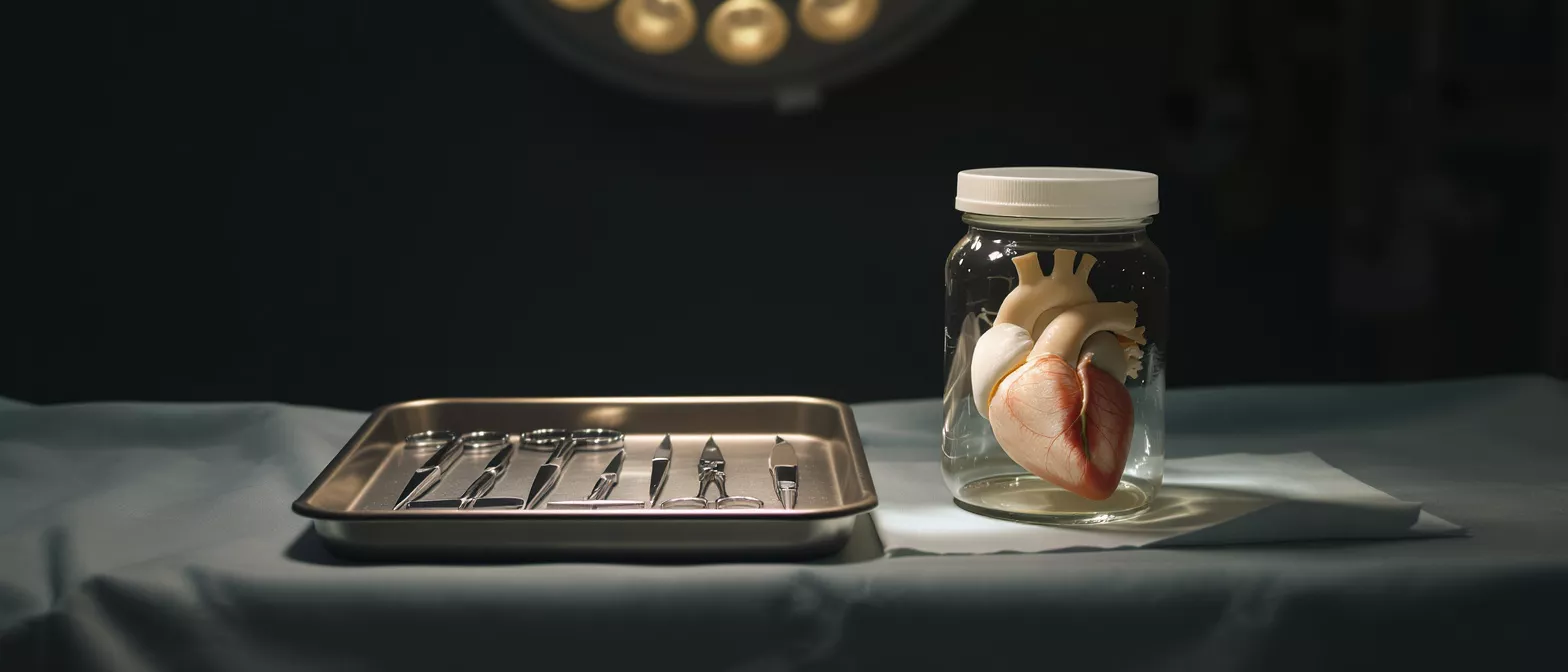
Surgical Aortic Valve Replacement
Discover how surgical aortic valve replacement restores heart function, recovery times, and risks.
What is surgical aortic valve replacement
Surgical aortic valve replacement is a major cardiac operation designed to remove a damaged heart valve and replace it with a new, fully functioning prosthetic valve. The aortic valve sits at the exit of the left ventricle, acting as a one-way door that opens to allow blood out to the body and closes to prevent blood from leaking backward. When this valve becomes diseased, the heart must work significantly harder to pump blood effectively. This surgery directly addresses that mechanical failure, restoring healthy circulation and relieving the intense strain on the heart muscle.
What is the main purpose of open heart valve surgery? The primary goal is to eliminate the severe pressure buildup inside the left ventricle caused by a narrowed valve. By implanting a new valve, the surgeon normalizes blood flow, reduces heart muscle stress, and prevents long-term heart failure. The procedure has been refined over many decades, making it one of the most reliable and thoroughly studied interventions in modern cardiovascular medicine.
For families trying to understand this diagnosis, the concept of replacing a worn-out mechanical part with a new one is highly accurate. The human body cannot regrow a damaged heart valve, so the only definitive way to restore its function is through this surgical intervention. It offers a structural solution to a structural problem, effectively resetting the heart's internal plumbing.
Why is aortic valve surgery recommended for aortic stenosis
Aortic stenosis treatment often becomes necessary when the valve's leaflets become heavily calcified and stiff. This narrowing, known as stenosis, forces the heart to pump against extreme resistance. Over time, the heart muscle thickens and eventually weakens, leading to shortness of breath, chest pain, and fainting. When these symptoms appear, medical guidelines strongly recommend intervening before irreversible heart damage occurs.
What happens if aortic stenosis is left untreated? The progressive narrowing of the valve leads to a dangerous decline in the heart's pumping ability. Patients may experience increasing fatigue, inability to perform routine physical tasks, and eventual heart failure. Replacing the valve removes the obstruction entirely, allowing the heart muscle to recover and return to a normal workload.
Surgeons recommend this operation when diagnostic tests, such as echocardiograms, show a critically reduced valve area. The decision to operate is heavily based on the severity of the narrowing and the presence of clinical symptoms. By addressing the stenosis promptly, the surgery protects the overall function of the left ventricle and vastly improves the patient's quality of life.
How does the aortic valve replacement procedure work
The aortic valve replacement procedure requires a highly coordinated team in a specialized operating room. The surgeon makes an incision in the chest to access the heart, and the patient is placed on a heart-lung bypass machine. This machine temporarily takes over the job of pumping and oxygenating the blood, allowing the surgical team to stop the heart safely and visualize the aortic valve with perfect clarity.
How does the surgeon remove the old valve? Once the heart is still, the surgeon carefully opens the aorta just above the diseased valve. The calcified, damaged leaflets are meticulously excised, and the surrounding tissue is cleaned to create a solid foundation. The new prosthetic valve is then securely sewn into this exact anatomical position, ensuring a perfect fit that will withstand decades of continuous cardiac cycles.
After the new valve is implanted, the heart is gradually weaned off the bypass machine and resumes beating on its own. The surgeon meticulously checks the area to ensure there are no leaks around the new valve. This meticulous approach ensures that the newly implanted valve functions seamlessly immediately upon restarting normal blood circulation.
Types of heart valve replacement options
When planning heart valve replacement, the surgical team chooses between two primary types of prosthetic valves: mechanical and biological. The choice depends heavily on the patient's age, lifestyle, and ability to take specific medications. Both options are highly effective, but they serve different long-term medical strategies.
- Mechanical valves are made from durable carbon and titanium, designed to last a lifetime, but require permanent blood-thinning medication.
- Biological valves are crafted from animal tissue, function naturally without requiring long-term blood thinners, but may need replacement after several years.
- Anticoagulation factor is the primary deciding metric for younger patients who must balance lifestyle impact with surgical longevity.
Discussing these options with a cardiac surgeon helps tailor the choice to the individual patient. The decision is a highly personalized one, weighing the inconvenience of daily medication against the possibility of a future reoperation. Modern surgical techniques ensure excellent outcomes regardless of the valve material chosen.
Mechanical aortic valve vs bioprosthetic aortic valve
A mechanical aortic valve is constructed from industrial-grade materials that resist wear and tear, making it an exceptional choice for younger patients. Because it lasts indefinitely, it prevents the need for a second open-heart surgery later in life. However, its artificial components can trigger blood clotting, meaning the patient must take anticoagulant medications daily to prevent dangerous clots from forming on the valve.
Who is the ideal candidate for a mechanical valve? Younger patients with a long life expectancy who do not have contraindications to blood thinners are ideal candidates. The durability of the mechanical valve is unmatched, providing a permanent structural fix. The daily medication requires strict dietary consistency and routine blood testing to ensure proper clotting levels.
Conversely, a bioprosthetic aortic valve is treated naturally by the body and does not require long-term blood thinners. Made from treated animal tissue, these valves mimic the flexibility of human tissue. They are often recommended for older adults or patients who cannot safely tolerate anticoagulant medications, accepting the trade-off that the tissue may eventually degrade and require replacement.
What are the aortic valve replacement risks
While modern surgical techniques have made this operation highly successful, it is still a major surgery, and aortic valve replacement risks must be understood. Potential complications include bleeding, infection, stroke, or irregular heart rhythms. The surgical team takes exhaustive precautions to mitigate these risks, using advanced monitoring and sterile techniques throughout the operation.
How do surgeons minimize the risk of stroke? The surgical team carefully manages the heart-lung bypass machine and uses advanced imaging to ensure no calcium debris breaks loose into the bloodstream. Intraoperative echocardiography is used to instantly verify the new valve is functioning perfectly before the chest is closed. This rigorous attention to detail significantly lowers the probability of neurological complications.
Patients with additional health conditions, such as diabetes or kidney disease, may face a slightly elevated risk profile. The preoperative evaluation is designed to identify these factors weeks in advance, allowing the medical team to optimize the patient's health before entering the operating room. Thorough preparation is the most effective tool for minimizing postoperative complications.
What to expect during aortic valve replacement recovery
The aortic valve replacement recovery process begins immediately in the intensive care unit. Patients typically wake up a few hours after surgery, with specialized monitoring lines and a breathing tube that is removed once they are fully alert. Within the first 24 hours, the nursing staff will assist the patient with sitting up and moving their legs to prevent blood clots and promote lung expansion.
How long is the hospital stay after SAVR? Most patients remain in the hospital for five to seven days following the SAVR procedure. The first few days are spent in intensive care, followed by a transfer to a standard cardiac ward where physical therapy begins. Patients are encouraged to walk the hospital corridors daily, gradually rebuilding their stamina before being cleared to go home.
Full recovery at home takes about six to twelve weeks. During this time, patients must adhere to a heart-healthy diet, manage their pain, and slowly increase their physical activity. Cardiac rehabilitation is highly recommended to guide this process safely, helping patients regain their strength under supervised medical oversight.
Understanding aortic valve replacement success rate
The aortic valve replacement success rate is exceptionally high, making this one of the safest major operations performed today. The vast majority of patients experience a complete resolution of their symptoms, returning to normal, active lives without the shortness of breath or chest pain that previously limited them. The surgical techniques are standardized globally, contributing to remarkably consistent outcomes across major medical centers.
What factors influence the long-term success of the surgery? The patient's overall health prior to the operation and the strict adherence to postoperative instructions play the largest roles. Regular echocardiograms ensure the new valve is functioning optimally, and managing blood pressure protects the integrity of the newly implanted prosthetic. Patients who actively participate in their recovery tend to experience the most enduring benefits.
Long-term success also depends on choosing the correct type of prosthetic valve during the initial planning phase. A well-matched valve minimizes lifestyle disruptions and reduces the likelihood of requiring a second intervention. This careful preoperative planning ensures the structural fix aligns perfectly with the patient's long-term medical needs.
Is SAVR procedure the right choice for you
Determining if the SAVR procedure is the correct intervention involves a thorough diagnostic evaluation. While less invasive transcatheter approaches exist for high-risk patients, traditional open surgery remains the gold standard for those who can safely tolerate it. The durability of a surgically implanted valve, especially mechanical options, is difficult to match with catheter-based deployments.
When is open surgery preferred over transcatheter methods? Traditional surgery is preferred for younger patients, those with complex valve anatomy, or when other cardiac structures require simultaneous repair. The direct visualization provided by open surgery allows the surgeon to address all anatomical issues at once. A comprehensive echocardiogram and coronary angiogram will help the heart team decide the safest, most effective approach.
The decision is ultimately a collaborative one between the patient, the cardiologist, and the cardiac surgeon. They must weigh the immediate surgical risks against the long-term benefits of valve durability. Understanding that this operation provides a definitive mechanical cure helps many patients confidently proceed with surgical planning.
Navigating heart valve surgery in Guadalajara
Accessing high-quality cardiac care is a priority for any family facing this diagnosis, and heart valve surgery Mexico options provide excellent medical outcomes. At Cirugía de Corazón, every case is reviewed by the team against international guidelines, and the patient receives the alternatives. Patients receive international-standard care in a modern, fully equipped cardiovascular center designed for optimal recovery.
Why choose a cardiac surgeon in Guadalajara? The region has become a recognized hub for medical excellence, combining advanced surgical technology with highly personalized patient care. Families benefit from clear communication, dedicated nursing staff, and a reassuring environment that supports both physical and emotional healing. The medical team is fully versed in the latest international guidelines for valve replacement.
For families evaluating the aortic valve replacement cost, understanding the value of comprehensive care is vital. Navigating the logistics of surgery is made easier by a dedicated team that coordinates everything from initial consultations to postoperative rehabilitation. Choosing the right surgical team ensures that the journey through valve replacement is as smooth and successful as possible.






