

Shock Wave Therapy
Discover how shock wave therapy promotes cardiac recovery and heart regeneration at Cirugía de Corazón in Guadalajara.
What Is Shock Wave Therapy in Cardiology?
Understanding the basics of cardiac shock wave therapy begins with recognizing it as a regenerative medical approach rather than a destructive one. While high-energy sound waves have been used for decades to break apart kidney stones, the cardiac application of shock wave therapy uses precisely calibrated, low-energy acoustic waves. These waves are directed at specific regions of the heart muscle to stimulate a natural healing response, promoting cellular repair and improving blood flow without causing damage to the delicate tissues.
For patients navigating heart disease, this technology represents a bridge between symptom management and true tissue regeneration. It is an evolving field within cardiovascular care that aims to support the heart's own biological repair mechanisms, offering a complementary option alongside traditional medical or surgical interventions.
When considering non-invasive cardiac therapy, it is important to understand that the goal is recovery and revitalization. The treatment is designed for patients who may have areas of the heart muscle that are ischemic, meaning they are not receiving adequate blood supply, and it seeks to reactivate the natural regenerative pathways that the heart struggles to maintain on its own. During your consultation, a specialist may recommend utilizing advanced cardiac regenerative therapy tools to support your specific treatment plan.
How Does Cardiac Shock Wave Therapy Work?
The biological mechanism behind heart shockwave treatment centers on a process called mechanotransduction. When the low-energy acoustic waves are applied to the heart muscle, the physical pressure creates microscopic mechanical stress on the cell membranes. This stress triggers a cascade of intracellular signals that prompt the cells to release growth factors, which are essential proteins that encourage the formation of new blood vessels and recruit stem cells to the area of tissue damage.
By stimulating angiogenesis, the creation of new blood vessels, shock wave therapy aims to improve perfusion to oxygen-deprived heart tissue. Over time, this enhanced blood flow can help the heart muscle recover some of its resting function and reduce the symptoms of ischemic heart disease, such as chest pain and shortness of breath. This process represents a shift from simply opening blocked arteries to actively healing the surrounding muscle tissue.
Patients often undergo a series of treatment sessions to allow these biological processes to unfold gradually. The regenerative effects are not instantaneous but build over weeks and months as the heart's natural healing pathways are re-engaged and supported by the stimulated blood vessel growth.
Extracorporeal Shock Wave Therapy for Heart Disease
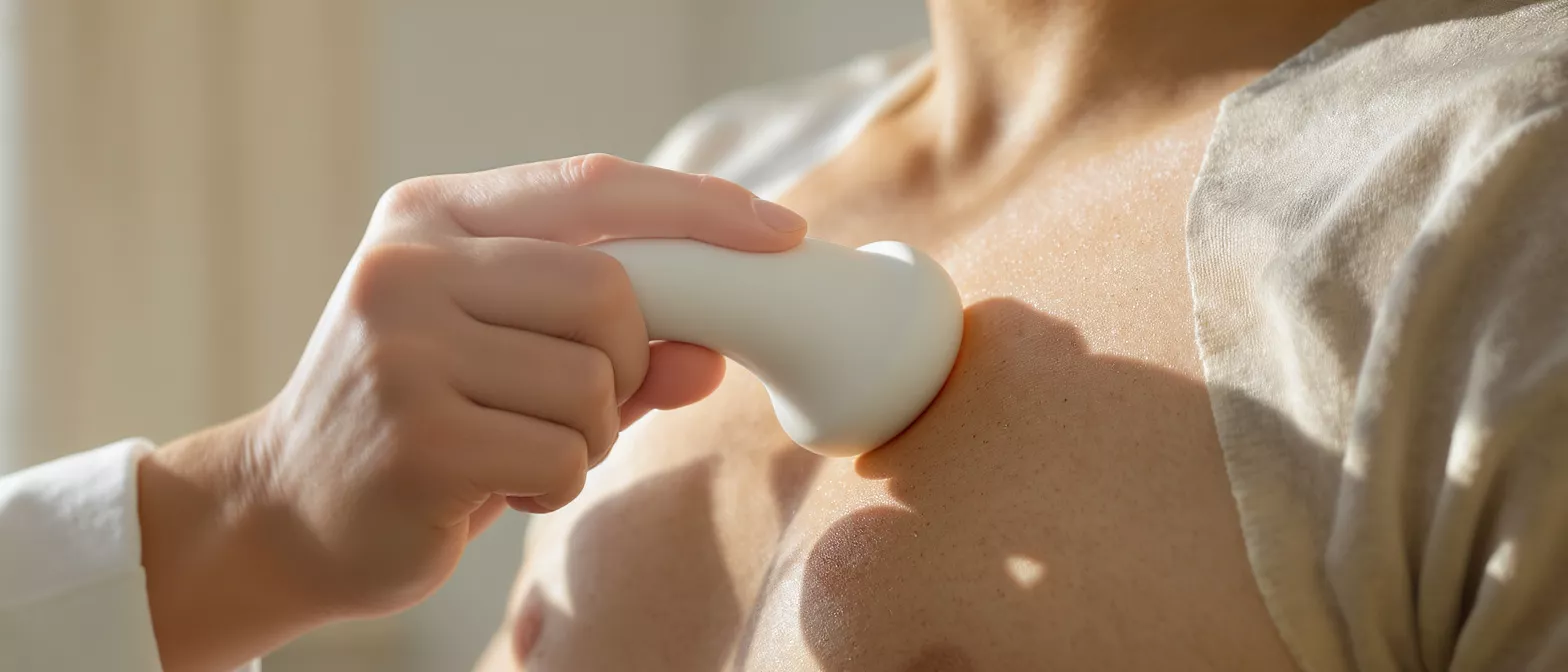
Defining extracorporeal shock wave therapy (ESWT) is key to understanding its appeal. The term extracorporeal means that the treatment is applied entirely outside the body. A specialized generating device sends acoustic pulses through the skin and chest wall, focusing the energy directly onto the targeted area of the heart muscle, completely eliminating the need for surgical incisions, needles, or catheter-based hardware inside the arteries.
This external application makes ESWT a particularly attractive option for patients who are seeking non-invasive cardiac therapy or those who may not be ideal candidates for additional invasive surgical procedures. It allows physicians to deliver targeted regenerative therapy without exposing the patient to the risks associated with open-heart surgery or the recovery time required for more invasive interventions.
- Non-invasive delivery: No incisions, no catheters, and no general anesthesia required.
- Targeted regeneration: Acoustic waves focus precisely on ischemic heart tissue to stimulate healing.
- Restorative focus: Aims to improve microvascular blood flow and support the heart's natural repair processes.
The procedure is typically performed in an outpatient setting, meaning patients can receive their treatment and return home the same day, resuming their normal daily activities almost immediately. This convenience significantly lowers the barrier to receiving regenerative cardiac care and makes the recovery process much smoother for the patient.
Shock Wave Therapy Benefits for Cardiac Recovery
Improving quality of life through cardiac recovery is the primary objective of any heart treatment. For patients suffering from chronic angina or severe ischemic heart disease, shock wave therapy has shown promise in reducing the frequency and intensity of chest pain. By promoting new blood vessel growth in areas of the heart that are not adequately served by the major coronary arteries, the treatment can help the heart muscle receive the oxygen it desperately needs to function properly.
As the heart muscle receives better blood flow, patients often experience an improvement in their exercise tolerance and a reduction in their reliance on pain-relief medications. This allows for a more active, fulfilling lifestyle, which is a crucial component of long-term cardiovascular health. Enhancing this recovery journey often involves using post-operative cardiac rehabilitation devices to monitor progress and maintain cardiovascular fitness.
Furthermore, the regenerative nature of the treatment addresses the underlying tissue damage rather than just managing the symptoms. This focus on healing at the microvascular level is what sets shock wave therapy apart from traditional medical management, offering hope for patients who have exhausted standard treatment options.
Is Shock Wave Therapy Safe for Heart Patients?
Assessing the safety profile of ESVWT cardiology reveals a remarkably well-tolerated procedure. Because the treatment uses low-energy acoustic waves that are precisely calibrated to stimulate rather than destroy tissue, the risk of significant complications is extremely low. The treatment does not involve radiation, iodinated contrast dyes, or surgical incisions, which removes many of the traditional risks associated with cardiac interventions.
During the procedure, patients typically remain awake and may only feel a mild tingling sensation or slight discomfort at the site of application. Unlike invasive cardiac surgeries that require weeks of recovery, shock wave therapy allows patients to walk out of the clinic and continue their day, making it an inherently safe option for those who need gentle, non-invasive care.
It is essential that a thorough evaluation is conducted by a cardiologist before beginning treatment to ensure the patient is an appropriate candidate. The medical team will review the patient's complete cardiac history, current medications, and overall health status to help ensure the therapy is applied safely and effectively to the correct areas of the heart.
Myocardial Shock Wave Therapy Procedure
What to expect during a shock wave therapy session is a common question for patients preparing for the procedure. The session begins with the patient lying comfortably on an examination table. A technician or cardiologist uses a specialized ultrasound probe to identify the exact areas of the heart muscle that are lacking adequate blood flow. This imaging ensures the acoustic waves are delivered precisely where they are needed most.
Once the target area is identified, a conductive gel is applied to the chest, and the shock wave generating head is placed against the skin. The device is then activated, delivering a series of acoustic pulses to the targeted heart tissue. The entire procedure usually takes only a few minutes per target zone, with the whole session lasting about 30 to 45 minutes from start to finish.
Patients remain awake and communicative throughout the entire process. Once the session is complete, the gel is wiped away, and the patient is free to go home immediately, resuming their regular daily routine without any downtime or recovery period required.
Coronary Shock Wave Therapy vs Other Treatments
Comparing regenerative therapy to standard interventions highlights the unique role of shock wave therapy in a comprehensive heart treatment plan. Traditional procedures like coronary stent placement or coronary artery bypass grafting are designed to open or bypass large, blockages in the major arteries. However, these interventions cannot treat microvascular disease, which involves the tiny blood vessels that are too small for surgical intervention.
Myocardial shock wave therapy specifically targets this microvascular network, making it a powerful complementary treatment rather than a replacement for surgery.
- Complementary, not competitive: Works alongside stents or bypasses to heal microvascular tissue.
- Targets microvascular disease: Addresses the tiny blood vessels that standard surgery cannot reach.
- Focuses on regeneration: Unlike traditional treatments that manage structural blockages, this therapy heals the tissue itself.
This distinction is crucial for patients with complex heart disease who may have persistent symptoms despite having clear major arteries. By addressing the microvascular level, shock wave therapy offers a completely different mechanism of action that fills the gaps left by traditional cardiac surgery.
Shock Wave Therapy Guadalajara Availability
Accessing specialized cardiac care in Mexico is an important consideration for patients in the region. Shock wave therapy is an advanced regenerative treatment that requires highly specialized equipment and trained cardiology experts to administer correctly. Patients seeking this therapy need to look for major cardiac centers that are at the forefront of international cardiovascular technology and research.
In Guadalajara, leading cardiac surgery and treatment facilities are beginning to offer these cutting-edge options for patients who have exhausted standard medical therapies or who are looking for non-invasive alternatives to support their heart health. Accessing this therapy close to home eliminates the need for international travel while receiving world-class cardiac care.
Patients are encouraged to consult with their cardiologist to determine if they are a candidate for this procedure and to receive a referral to a specialized center equipped to perform myocardial shock wave therapy safely and effectively.
Cardiac Regenerative Therapy Expectations
Setting realistic goals for heart recovery is a critical part of the consultation process. Because shock wave therapy relies on the body's natural biological processes, the results are not immediate. The stimulation of new blood vessel growth and the recruitment of stem cells take time, meaning patients should expect a gradual improvement in their symptoms over the course of several weeks to months following their treatment sessions.
Most patients require a series of treatments, often spaced out over several days or weeks, to achieve the optimal biological response. The cardiologist will monitor the patient's progress, looking for reductions in chest pain, improvements in exercise tolerance, and enhanced perfusion on follow-up imaging studies. Patience and adherence to the full treatment protocol are essential for maximizing the regenerative benefits.
While the therapy offers significant hope for improving quality of life, it is not a cure for end-stage heart disease. It is a powerful tool that works best when integrated into a comprehensive cardiac care plan that includes proper medication, diet, and lifestyle modifications to support ongoing heart health and prevent further progression of the disease.
Non-Invasive Cardiac Therapy Summary
Key takeaways on shock wave therapy for heart disease center on its unique ability to stimulate natural healing without surgery. By using low-energy acoustic waves to promote angiogenesis and recruit stem cells, this regenerative treatment offers a promising option for patients suffering from ischemic heart disease and microvascular dysfunction. It provides a safe, non-invasive alternative for those who continue to experience symptoms despite traditional medical or surgical interventions.
The therapy's ability to target the microvascular network, where traditional procedures like stents and bypasses cannot reach, makes it an invaluable complementary tool in modern cardiology. The procedure is quick, requires no downtime, and carries a very low risk of complications, making it highly accessible for patients who need gentle but effective care.
Ultimately, shock wave therapy represents a shift towards true regenerative medicine in the field of cardiology. By focusing on healing the heart tissue at the cellular level, it offers patients a path toward improved cardiac function and a significantly enhanced quality of life, bringing hope to those navigating the complex journey of heart disease recovery.






