

Bridge to Recovery: Letting a Weak Heart Heal
Bridge to recovery heart program: how temporary support lets a weak heart heal.
When the heart muscle becomes so weak that it cannot keep blood moving, families often hear frightening words: heart failure, critical care, machines. But there is a message of hope inside that frightening vocabulary. In carefully selected patients, a bridge to recovery heart program gives a failing heart the one thing it cannot create on its own: time. A temporary pump takes over the work of circulation, the muscle rests, and in some people the heart rebuilds enough strength for the device to be removed. This guide explains, in plain language, what that path looks like from first diagnosis to life after removal.
What Does a Bridge to Recovery Heart Program Mean?
What the term actually means. A bridge to recovery heart program is a treatment plan in which a temporary mechanical pump supports the circulation while the damaged heart muscle rests and, ideally, heals. The word "bridge" matters: the device is not the destination. It spans a period of crisis and carries the patient toward either a recovered heart or, in some cases, a transplant. The goal of this specific bridge is recovery, meaning the pump is intended to come out.
Doctors distinguish this from other uses of heart pumps. A bridge to transplant keeps a patient alive while waiting for a donor heart. A bridge to decision buys time when the team cannot yet judge whether the heart is likely to recover. In all three situations the technology is similar, but the intent changes the plan, the device choice, and the conversations families have.
Recovery is genuinely possible because some heart damage is temporary or treatable. Inflammation of the heart muscle, called myocarditis, a heart attack that has stunned muscle rather than killed it, or severe valve disease that overloads the heart can all weaken the muscle in ways that may improve. When the underlying problem is addressed and the muscle is unloaded, many hearts regain meaningful function.
How Does a Bridge to Recovery Heart Device Work?
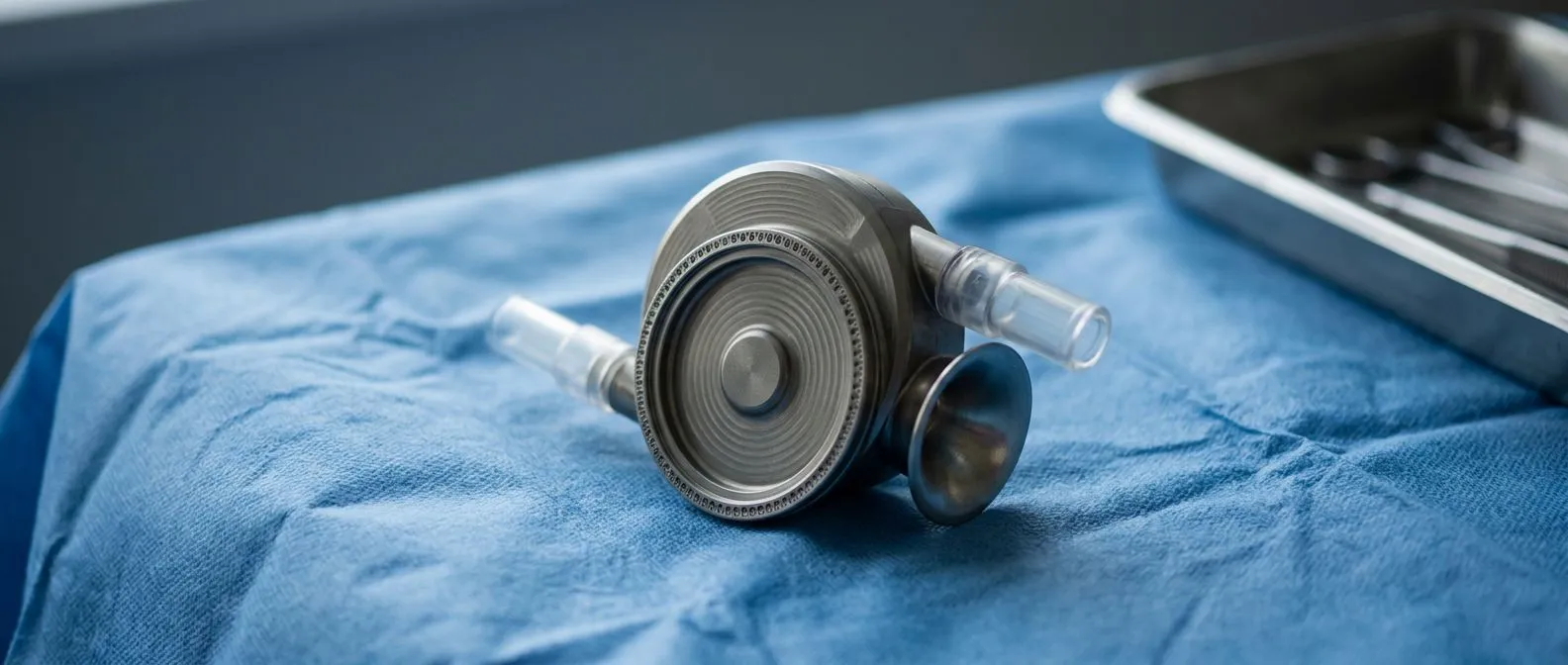
The device in simple terms. The main tool in this pathway is a ventricular assist device, or VAD. It is a small pump connected to the heart that helps move blood forward when the muscle cannot. In a bridge to recovery heart device situation, the pump is usually temporary: implanted through surgery, or sometimes placed through catheters in the groin or neck, and connected to an external controller. A thin cable, called the driveline, exits the skin and links the pump to the controller and a power source.
Most recovery programs support the left ventricle, the chamber that pushes blood to the entire body, using a temporary LVAD. By taking over part of that workload, the device lowers the pressure inside the heart. This "unloading" reduces the stretch and strain on muscle fibers, which is the mechanism behind heart muscle rest therapy. The heart is not being replaced; it is being given a controlled rest so that injured muscle can recover and healthy muscle can strengthen.
Mechanical circulatory support of this kind also restores blood flow to organs that were suffering. Kidneys, liver, and brain function often improve within days of the pump starting. That improvement matters for recovery too, because a body that is better perfused is better able to heal.
The global burden of heart failure and circulatory disease remains enormous, which is why recovery-focused technologies continue to advance. The Global Burden of Disease study documents heart disease among the leading causes of years of healthy life lost worldwide, and highlights how much room better treatments have to make a difference (The Lancet).
Who Needs Mechanical Circulatory Support for Heart Failure?
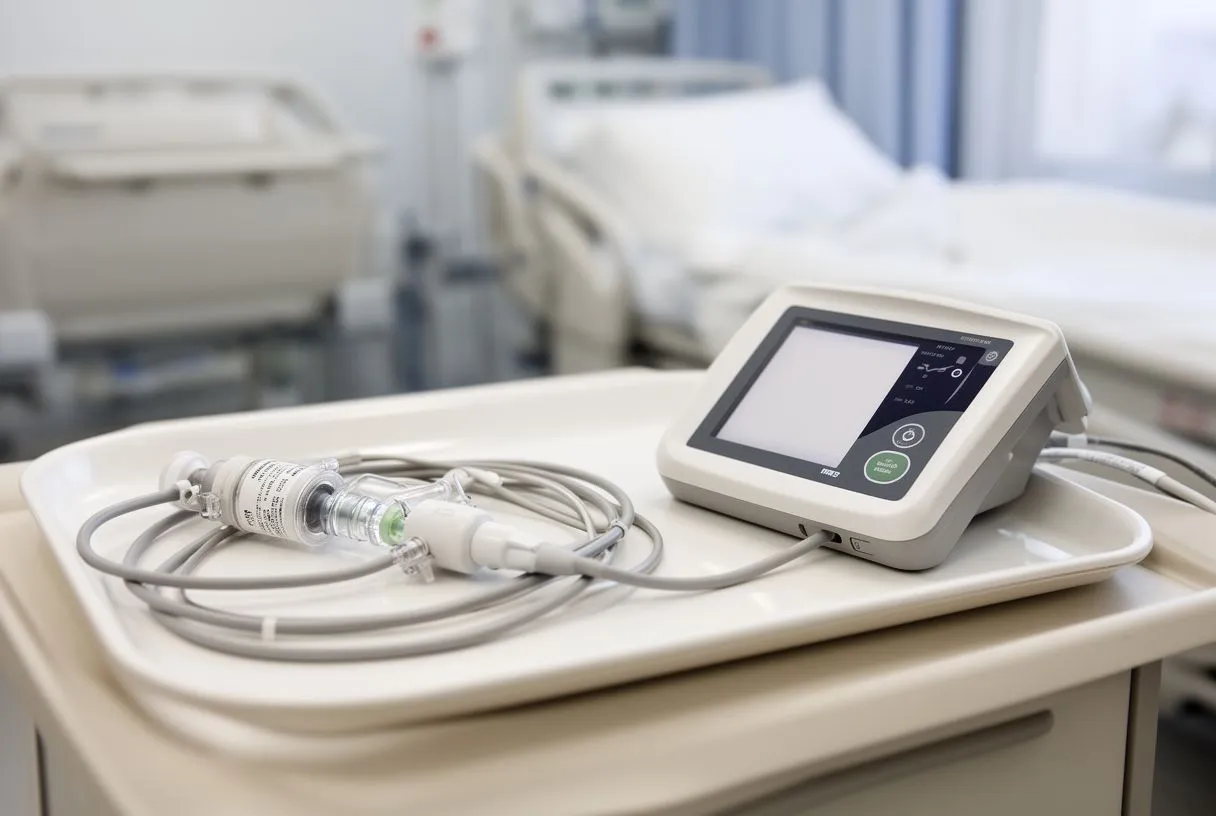
Not everyone with heart failure needs a pump. Mechanical circulatory support is reserved for hearts that are failing despite full medical treatment. Doctors look for specific warning signs before recommending it.
- Cardiogenic shock: blood pressure is dangerously low, organs are struggling, and the body is not responding to intravenous medications that strengthen the heartbeat.
- Dependency on drug support: the patient needs continuous infusions of powerful heart-stimulating medicines just to remain stable.
- Reversible cause suspected: imaging and testing suggest the weakness may improve, such as after a heart attack or in myocarditis.
How doctors decide. The team measures how well the heart ejects blood, how filled the chambers are, and how the organs are coping. Echocardiography, an ultrasound of the heart, is central to this assessment. Blood tests show kidney and liver function. The pattern of these findings tells the team whether the situation is a temporary crisis or the start of a longer journey.
Why timing matters. Earlier support often means better outcomes, because organs damaged by prolonged poor circulation may not fully recover even if the heart does. This is why heart failure recovery options increasingly include urgent referral to centers that offer temporary support, rather than waiting until every medication has been exhausted.
Bridge to Transplant vs Bridge to Recovery: What's the Difference?
Two bridges, two destinations. The phrase bridge to transplant vs bridge to recovery describes two different intents for the same family of devices. In a transplant bridge, the pump keeps the patient alive and stable while waiting for a donor heart; the device is expected to stay until the transplant. In a recovery bridge, the pump exists so that the patient's own heart can heal and the device can eventually be removed. Some patients begin one bridge and switch to the other as new information arrives.
How the choice is made. The decision rests on the cause of the weakness, the patient's age and other conditions, and how the heart responds once it is unloaded. A young patient with myocarditis has a real chance of recovery. A patient with long-standing, scarred, enlarged muscle may be better served by a durable pump intended to last years, or by transplant. Nothing in this decision is guesswork: the team watches the heart's response week by week.
In our practice, every case of advanced heart failure is reviewed by the multidisciplinary team against international practice guidelines before any recommendation is made, and the patient receives a clear proposal with the alternatives, with the final decision always theirs.
What Happens During Bridge to Recovery Heart Surgery?
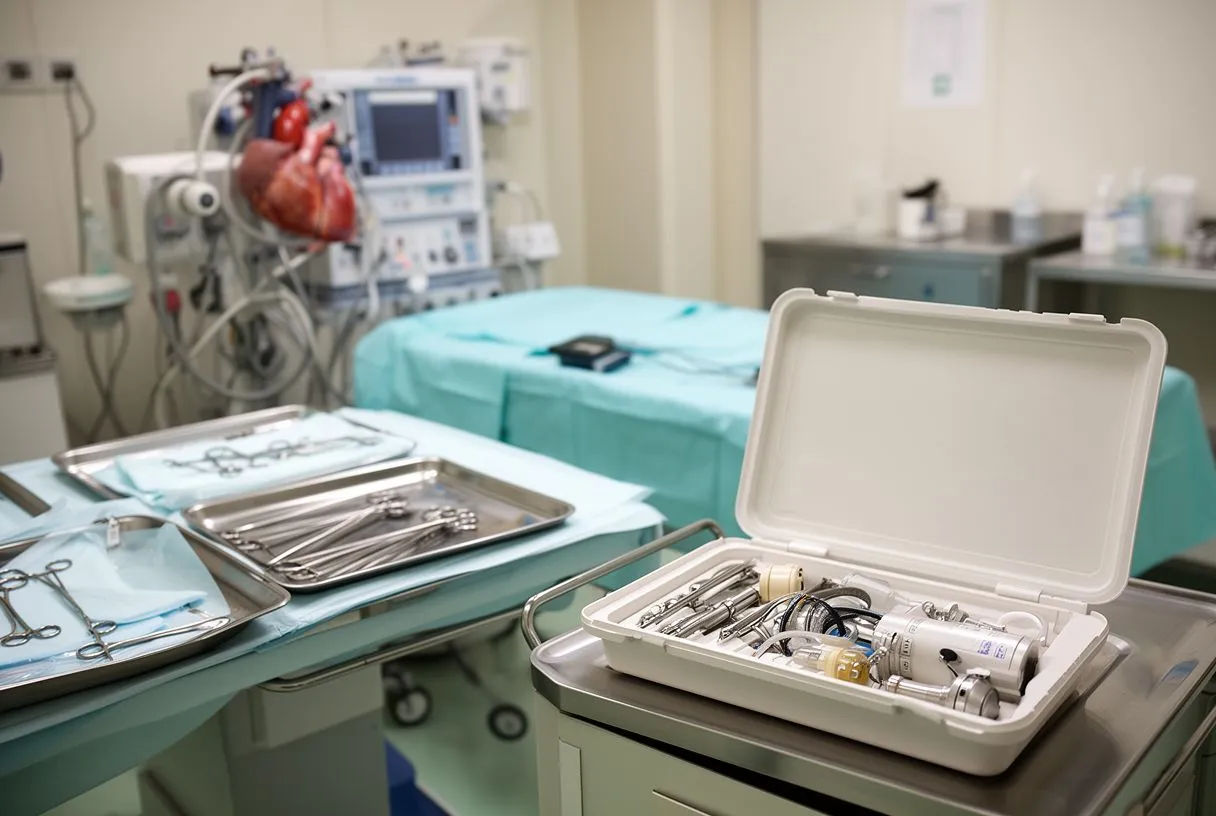
Before the operation. Once the team agrees that bridge to recovery heart surgery is the right route, the patient undergoes blood tests, imaging, and a careful evaluation for infection. The heart-lung machine is used in most temporary implants, especially when the pump is placed surgically. Catheter-based systems can sometimes be inserted in the catheterization laboratory or intensive care without full open surgery.
During the operation. In a surgical implant, the surgeon attaches the pump's inflow to the left ventricle or the left atrium and its outflow to the aorta, the main artery leaving the heart. The device then creates a channel that bypasses part of the weakened chamber. The operation itself typically lasts several hours, and the patient goes next to the intensive care unit.
Immediately after surgery. Patients wake in the Recovery Room and then transfer to intensive care, where the device settings are adjusted and organ function is watched closely. Bleeding, rhythm disturbances, and the gradual wake-up from anesthesia are managed in these first days. The pump's numbers on the monitor become part of daily life for the whole team.
The first days after implant are usually the most intensive, and families can expect regular updates on what the device readings are showing and what comes next.
Life With a Temporary Heart Pump: Recovery Room to Rehab
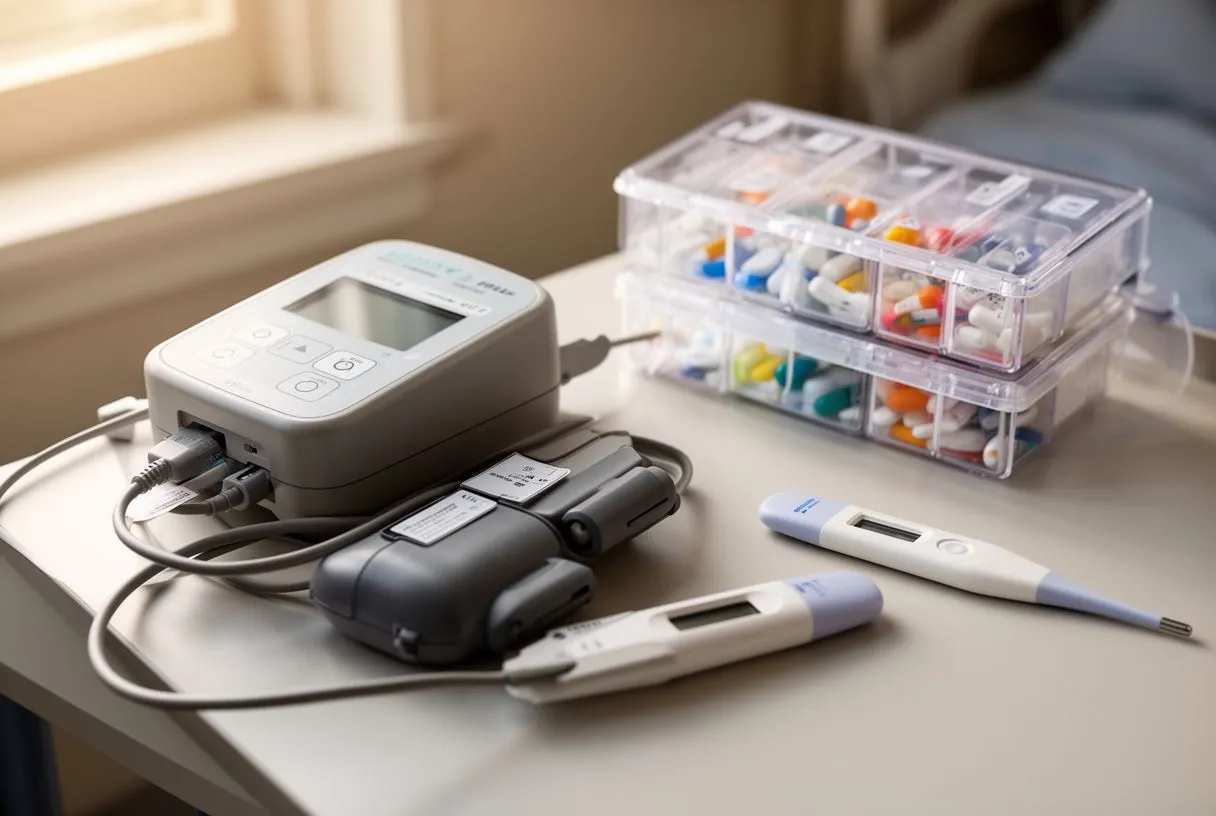
The early days. After the intensive care phase, life with a temporary heart pump follows a rhythm of healing and monitoring. The driveline site must be kept clean and dry to prevent infection, and the controller travels with the patient everywhere. Patients learn to check the device, manage the batteries, and recognize warning signs.
Rehabilitation. Once stable, patients begin cardiac rehabilitation: supervised, progressive exercise designed to rebuild strength safely. Activity is encouraged, not restricted to a bed. Walking, light cycling, and everyday tasks help the whole body, and the mind, recover. Nutrition and sleep receive the same attention as the device itself.
Support at home and in hospital. Modern programs increasingly use technology-based tools to help patients manage their condition between visits, from reminders to remote monitoring. Research on mobile-health interventions for health behavior change and disease management has shown that these tools can support patient self-care and engagement (PLOS Medicine).
Patients and family members are trained in driveline care before discharge, and no one should go home until they can manage the device confidently and know exactly who to call.
Can You Recover Heart Function With Support?
What recovery actually looks like. It is possible to recover heart function with support, and it happens often enough that the strategy is standard practice. Recovery means the heart's pumping strength improves on ultrasound while the pump runs. The team then performs "weaning" trials: temporarily reducing the pump's support to see whether the heart carries the load alone.
How the team weans the device. During weaning tests, the pump speed is lowered step by step while the heart is watched. If the heart maintains good output and the chambers handle the work, the team moves toward heart support device removal. This may happen weeks to months after implant, depending on the cause of the weakness and the pace of healing.
What the numbers say. Reported outcomes vary by cause and center. Myocarditis and postpartum cardiomyopathy have notably better recovery rates than long-standing heart muscle disease. Bridge to recovery heart success rate figures are best discussed with the specific team treating you, because the answer depends heavily on the underlying diagnosis and how quickly support was started.
In our consultations, we take the time to explain what the echocardiograms actually show, in plain words, so that patients can weigh the realistic chance of recovery alongside the alternatives.
Risks of a Bridge to Recovery Ventricular Assist Device
Being honest about risk. A bridge to recovery ventricular assist device is powerful therapy, and powerful therapy carries real risks. Families deserve a clear picture before deciding.
- Bleeding: the pump and the medications that prevent clotting both raise bleeding risk during and after surgery.
- Clotting and stroke: blood in contact with the pump can clot, so patients take anticoagulant medication and are monitored closely.
- Infection: the driveline site is a possible entry point for bacteria and requires daily care.
- Device complications: malfunctions or pump thrombosis are rare but managed with protocols and backup equipment.
How risks are managed. Anticoagulation levels are checked regularly, the driveline is dressed with sterile technique, and the patient is watched for early signs of infection or clotting. Teams also prepare for the unexpected: a bridge to decision exists precisely so that no irrevocable commitment is made before the heart's true potential is known.
When we discuss risk with patients, we review every alternative as well, because the lowest-risk choice for your situation is not always the same as the most technologically advanced one.
Heart Rest and Recovery After Device Removal
What removal involves. When the heart has proven itself, the team schedules heart support device removal. For surgically implanted pumps this is a smaller operation than the first; for catheter-based pumps, removal may be done at the bedside or in the catheterization lab. The temporary LVAD bridge recovery period ends with the device out, and the heart's progress is then followed closely.
Life after removal. Recovery does not stop at the operating room door. Patients continue heart failure medications that help the heart maintain its strength, keep up cardiac rehabilitation, and attend regular echocardiograms. Some patients experience full return of function; others keep a measure of weakness that is managed with medication, which is still a very good outcome.
Why continued care matters. The same habits that helped the heart rest and rebuild — controlled blood pressure, sensible activity, no smoking, regular follow-up — protect the recovery long term. A ventricular recovery program is a lifelong partnership, not a single operation. Patients who stay engaged with their cardiology team fare best over the years that follow.
Is a Bridge to Recovery Heart Program Right for You?
The honest answer. Only a full evaluation can tell whether a bridge to recovery heart program fits your situation. The decision depends on the cause of the weakness, how quickly treatment begins, your other medical conditions, and your goals. For some patients the heart recovers. For others the bridge leads to transplant. For others still, a durable pump or advanced medications are the better route. All of these are legitimate, well-established paths.
Questions to bring to any team. Ask what is causing the heart's weakness, and whether that cause is potentially reversible. Ask what happens if the heart does not recover: is a bridge to transplant or a durable device the plan? Ask about the team's experience with temporary pumps and with device removal. Ask about travel, costs, and how follow-up would work for an international patient.
Second opinions are normal. Deciding about advanced heart support is a major decision, and we encourage every patient to seek a second opinion and treat it as a normal part of choosing care. If you are facing severe heart failure or have been told you may need mechanical support, the first step is a conversation. We offer a free video consultation where we get to know you, talk through your condition, and tell you which studies are truly needed — so no unnecessary tests are ordered before you decide anything.
In summary, a bridge to recovery heart program is a way of giving a weak heart time, rest, and expert supervision so it may heal. For carefully selected patients, the pump comes out and the heart carries on. For others, the same technology is the path to transplant or long-term support. Either way, the first step is a calm, well-informed conversation with a qualified cardiac team — never a self-diagnosis made at 2 a.m. Book a consultation, bring your questions, and let the specialists help you weigh every option.






