

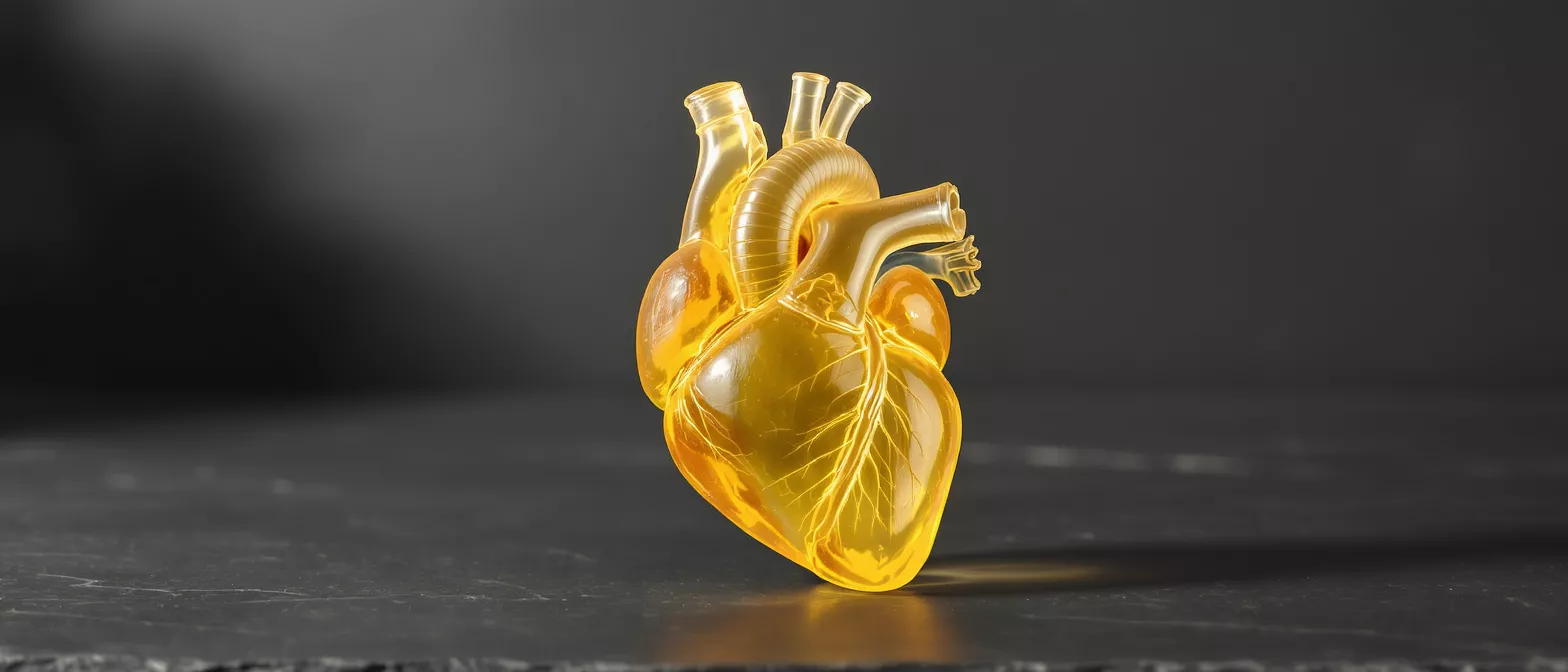
Stress Cardiomyopathy
Learn about stress cardiomyopathy causes, symptoms, and treatments.
What is stress cardiomyopathy
Stress cardiomyopathy is a temporary but severe weakening of the heart muscle, almost always triggered by intense physical or emotional stress. It is a genuine cardiac event, not an imagined reaction to a frightening moment. The condition is also widely known as takotsubo cardiomyopathy or, more colloquially, as broken heart syndrome, because it so often follows sudden grief or psychological trauma. When a person experiences stress cardiomyopathy, the main pumping chamber of the heart changes shape, bulging outward and contracting poorly, which temporarily limits blood flow to the body.
Why the name takotsubo? Japanese physicians first formally described the condition in the 1990s, naming it after a traditional octopus-trapping pot that has a narrow neck and a wide base. When the left ventricle stops pumping normally during an episode, an echocardiogram reveals that it balloons outward, closely resembling this fishing vessel. The comparison is purely visual, but it remains a vivid way for clinicians and patients alike to picture exactly how stress alters heart anatomy.
For a patient facing heart surgery or recovering from one, learning about this condition can feel overwhelming. The most important fact to keep in mind is that stress cardiomyopathy is almost always reversible. With appropriate monitoring, rest, and medical support, the heart muscle typically regains its normal shape and pumping function within a matter of weeks.
Stress cardiomyopathy causes
The root causes of stress cardiomyopathy lie in the body’s natural response to overwhelming stress. When a person faces an acute shock—whether from a personal loss, a frightening medical diagnosis, or even a sudden physical trauma—the brain releases a massive surge of stress hormones, particularly adrenaline and noradrenaline. This hormonal flood temporarily stuns the heart muscle cells, preventing them from contracting with their usual force.
What physical events trigger stress-induced heart failure? While broken heart syndrome is famously linked to emotional trauma, physical triggers are equally common. Patients might develop the condition after a severe asthma attack, a major surgical procedure, an acute infection, or a serious neurological event like a stroke. The unifying factor is that the body’s survival mechanisms temporarily overpower the heart’s ability to function normally.
Understanding these triggers matters deeply for cardiac surgery patients. The pre-operative anxiety and the physical toll of an operation itself can, in rare cases, provoke this temporary weakening. Cardiac care teams in Jalisco and worldwide closely monitor patients during these vulnerable windows. Knowing the cause helps doctors distinguish this reversible condition from a true heart attack, guiding them toward the right path of supportive care.
Stress cardiomyopathy symptoms
Stress cardiomyopathy symptoms closely mimic those of a classic heart attack, which is why the condition demands immediate emergency evaluation. The most common presentation is sudden, acute chest pain that feels like a heavy weight pressing down on the center of the chest. Patients often describe a sensation of tightness, squeezing, or fullness that may radiate outward.
- Sudden chest pain: Often the very first sign, mimicking a heart attack and requiring an immediate trip to the emergency room.
- Shortness of breath: Fluid backup from the stunned heart muscle makes breathing feel laborious, especially when lying flat.
- Palpitations: The heart may beat too fast or with an irregular rhythm as it struggles to compensate for its weakened state.
When do broken heart syndrome symptoms appear? Symptoms usually strike within minutes to hours of the triggering stressful event. Because these warning signs are indistinguishable from a blocked artery, doctors must act quickly. If you or a loved one experience sudden chest pressure, especially after a shocking emotional or physical event, do not wait to see if it passes. Seeking emergency cardiac care immediately ensures that whether the cause is a heart attack or stress cardiomyopathy, the heart is protected.
How stress cardiomyopathy diagnosis works
Accurately diagnosing stress cardiomyopathy is a process of elimination. When a patient arrives with chest pain, the medical team must first assume a true heart attack is underway. The evaluation begins with an electrocardiogram (ECG) to map the heart’s electrical activity, followed by a blood test to check for cardiac enzymes that leak into the bloodstream when heart tissue is damaged.
How do doctors spot takotsubo cardiomyopathy on an ultrasound? The definitive clue often appears on an echocardiogram, a non-invasive ultrasound of the heart. In a classic heart attack, a specific segment of the heart wall stops moving due to a blocked artery. In stress cardiomyopathy, however, the ultrasound reveals a much broader pattern: the apex of the left ventricle balloons outward while the base contracts forcefully, creating that characteristic fishing-pot shape.
During this diagnostic phase, cardiologists frequently perform a coronary angiogram. This test uses a special dye and X-rays to look for blockages in the coronary arteries. In cases of stress cardiomyopathy, the arteries will look surprisingly clean and clear. Finding healthy arteries alongside a stunned, weakened heart muscle confirms the diagnosis and directs the care plan away from stents or emergency surgery.
Are stress cardiomyopathy symptoms safe to ignore
No, stress cardiomyopathy symptoms are absolutely not safe to ignore. While the condition is temporary and fully reversible in the vast majority of cases, the acute phase carries real risks. The sudden, drastic weakening of the heart muscle can trigger dangerous arrhythmias, a significant drop in blood pressure, or even acute stress-induced heart failure. Leaving the condition untreated in its early hours can lead to severe complications.
Why does broken heart syndrome require hospital monitoring? In the first day or two after symptoms begin, the stunned heart is highly vulnerable. A patient needs continuous cardiac monitoring in an intensive care or step-down unit to track for irregular heart rhythms. This supervision ensures that if the heart’s pumping ability drops dangerously low, medications or mechanical support can be deployed instantly to stabilize the patient.
Because the early signs are indistinguishable from a myocardial infarction, assuming the pain is merely anxiety is a dangerous gamble. Only a hospital can run the tests necessary to rule out blocked arteries. Prompt medical attention is the safest way to ensure that a temporary heart stunning does not lead to permanent damage or a life-threatening cardiac event.
Stress cardiomyopathy treatment
Stress cardiomyopathy treatment focuses on supporting the heart while it heals itself. Since the condition is not caused by blocked arteries, stents or bypass surgery are not the primary tools. Instead, care relies heavily on medications that carefully guide the heart through its recovery phase, easing its workload and preventing dangerous complications.
How is acute stress cardiomyopathy managed in the hospital? Initially, doctors may prescribe short-term blood thinners to prevent clots from forming in the temporarily sluggish ventricle. If the heart is beating too forcefully in its base while the apex remains stunned, blood pressure medications help stabilize the patient. Most patients remain in the hospital for a few days until the heart’s rhythm and pumping function show clear signs of returning to normal.
As the acute phase passes, the medical team usually transitions the patient to standard heart-failure medications for a brief period. These drugs protect the stunned muscle while it fully regains its shape. Throughout treatment, the focus is on gentle, supportive care that allows the natural recovery process to unfold without unnecessary surgical intervention.
Stress cardiomyopathy recovery
Stress cardiomyopathy recovery is remarkably encouraging. Most patients begin to see a dramatic improvement in their heart’s pumping function within a few days, and the majority achieve a full recovery of their baseline cardiac function within four to eight weeks. The heart muscle cells are not permanently destroyed; they are merely stunned, and they wake up as the stress hormone levels in the bloodstream normalize.
- Timeline for healing: Most patients leave the hospital within days, with continued echo imaging confirming full recovery over the next month.
- Emotional recovery: Healing the original psychological or physical trigger is just as vital as healing the heart muscle itself.
- Gradual return to activity: Patients slowly resume normal exercise and daily tasks under their cardiologist’s guidance.
What does follow-up care involve? Recovery involves regular check-ups with a cardiologist to repeat echocardiograms and ensure the ventricle has returned to its normal shape. Medications prescribed during the acute event are often tapered off once imaging confirms a healthy, strong heart. Some patients may also benefit from speaking with a counselor or therapist to process the triggering event, building emotional resilience that protects their heart health moving forward.
Stress cardiomyopathy prognosis
The long-term prognosis for stress cardiomyopathy is overwhelmingly positive. Once the heart muscle has fully recovered, the vast majority of patients return to their normal lives without permanent cardiac damage or long-term limitations. The condition is a temporary detour, not a chronic disease, and the heart usually regains its structural integrity completely.
Can emotional stress cause heart failure again? Yes, recurrence is possible, though it is relatively rare. A small percentage of patients may experience another episode if they encounter severe, overwhelming stress in the future. Because of this small risk, cardiologists emphasize stress management and emotional well-being as key components of long-term health. Patients are encouraged to build coping mechanisms and seek support during difficult life transitions to protect their cardiovascular system.
While the immediate prognosis is excellent, patients who have experienced this condition should always inform their future healthcare providers about their history. This knowledge ensures that if they ever present with chest pain again, doctors will know to specifically look for the characteristic ballooning pattern. Knowing your full medical history allows clinicians to act faster and provide the most accurate care possible.
Stress cardiomyopathy management long term
Long-term stress cardiomyopathy management revolves around preventing another episode and protecting overall cardiovascular wellness. Because the condition is triggered by intense stress, the most effective long-term strategy is addressing the root causes of anxiety or physical trauma in a patient’s life. Cardiologists frequently collaborate with primary care doctors and mental health professionals to build a comprehensive, holistic care plan.
How do you prevent broken heart syndrome from returning? Prevention relies heavily on lifestyle modifications and stress-reduction techniques. Patients are encouraged to engage in regular, moderate exercise, maintain a heart-healthy diet, and prioritize sleep. Additionally, learning active coping strategies—such as mindfulness, meditation, or structured therapy—can significantly lower the body’s physiological response to future shocks. For those looking to optimize their daily routine, a physician-approved heart health multivitamin can help fill nutritional gaps that support cardiovascular function.
Medical management may also include keeping a patient on a low dose of heart medication for several months or years, depending on their individual risk factors and overall heart health. Routine follow-ups ensure that the heart remains strong. By combining medical supervision with proactive emotional care, patients can confidently move forward, knowing they are taking the right steps to safeguard their heart against future stress.
Finding cardiac care in Guadalajara
For patients experiencing heart issues in Mexico, accessing specialized, compassionate care is crucial to navigating conditions like broken heart syndrome. Finding excellent cardiomyopathy care in Guadalajara offers patients access to advanced diagnostic imaging, specialized intensive care monitoring, and expert follow-up protocols. The medical community in Jalisco is well-equipped to handle both the acute emergency and the delicate recovery phases of this condition.
Why choose specialized cardiac care in Jalisco? Specialists in the region understand that stress cardiomyopathy requires a nuanced approach, blending precise medical intervention with genuine emotional support. A dedicated cardiac team will guide patients from the emergency room through full rehabilitation, ensuring that the underlying triggers are addressed alongside the physical symptoms.
Dr Alejandro Molina and the team at Cirugía de Corazón are dedicated to providing this exact level of comprehensive, patient-centered care. We believe that understanding your diagnosis is the first step toward healing. If you or a family member have experienced chest pain or want to learn more about your heart health, reaching out to an experienced cardiac specialist can provide the clarity and comfort you need to move forward with confidence.






