Can You Die of a Broken Heart? Broken Heart Syndrome Explained
Can you die of a broken heart syndrome?
It sounds like a question from a romance novel, I know, but surprising as it may seem, the answer is yes: you really can die of a broken heart.
When we talk about heart disease, we usually think of heart attacks, damaged valves or rhythm problems. But there is a lesser-known heart condition with a surprising origin: an intense emotion. It is called Takotsubo syndrome, also known as broken heart syndrome.
What is Takotsubo syndrome?
Takotsubo syndrome is a usually temporary condition in which the heart muscle suddenly weakens, mainly in the middle and lower part of the left ventricle. That part “balloons” and takes on a shape similar to a Japanese octopus trap called a takotsubo, which is where the name comes from.
Although the symptoms closely resemble those of an acute myocardial infarction (chest pain, difficulty breathing, sweating), there is in fact no blockage of the coronary arteries. People describe a sense of impending death.
What causes it?
The syndrome is typically triggered by a massive release of stress hormones such as adrenaline (known as an adrenergic surge). This floods the heart with adrenaline and changes how several of its segments contract, causing acute heart failure. Common triggers include:
- The sudden loss of a loved one.
- An accident, an operation or bad news.
- A panic attack.
- Financial problems or severe stress at work.
- Even intense positive events (yes, “happy stress” can cause it too).
- Major surgery, including heart surgery.
Who is at greater risk?
- Postmenopausal women (over 50).
- People with a history of anxiety, depression or emotional trauma.
- People with previous neurological conditions (such as epilepsy or stroke).
- Anyone can have a similar episode after a severe trauma.
What are the symptoms?
The symptoms can be identical to those of a heart attack:
- Crushing chest pain.
- Shortness of breath.
- Dizziness or fainting.
- Palpitations.
- A sense of impending death.
That is why it is crucial to go to the emergency department immediately: only tests can tell Takotsubo apart from a heart attack.
The most common differential diagnoses: what else can look like it?
Because Takotsubo syndrome mimics a heart attack, it is very important to distinguish it from other conditions, as the treatment may be different. Doctors carry out a series of tests to rule out other causes of chest pain or heart dysfunction. The main differential diagnoses are:
- Acute myocardial infarction. This is the diagnosis most often confused with Takotsubo. It also causes chest pain and changes on the electrocardiogram. Unlike Takotsubo, in a heart attack a coronary artery is blocked, which is detected with catheterisation. In Takotsubo, the coronary arteries are usually clear.
- Myocarditis. Inflammation of the heart muscle, usually from a viral infection. It can cause similar symptoms (chest pain, heart dysfunction, arrhythmias). It is sometimes distinguished with cardiac MRI or an endomyocardial biopsy. Myocarditis may come with fever, recent viral symptoms and raised inflammatory markers.
- Chronic ischaemic heart disease or pre-existing ventricular dysfunction. Some patients already have a heart weakened by earlier disease, which can be mistaken for Takotsubo without a good clinical history or previous tests. In Takotsubo, however, the dysfunction is usually sudden and reversible.
- Pulmonary embolism. A clot in the lungs, which can also cause chest pain and sudden shortness of breath. It may come with ECG changes or raised cardiac markers. It is ruled out with tests such as CT pulmonary angiography or a ventilation/perfusion scan.
- Aortic dissection. A serious medical emergency in which the inner layer of the aorta tears. It causes very intense chest pain that may spread to the back, and is detected with a CT scan. Although less common, it must always be ruled out in severe cases.
How is the final diagnosis reached?
To tell Takotsubo apart from these other conditions, the medical team uses:
- An electrocardiogram (ECG).
- Cardiac biomarkers (such as troponins).
- An echocardiogram.
- Coronary catheterisation, which rules out a blocked artery.
- Sometimes cardiac MRI or other tests, depending on the case.
What does the echocardiogram show?
The echocardiogram is a key tool in this diagnosis. In Takotsubo syndrome it shows very characteristic findings:
- Transient apical ballooning: the middle and apical part of the left ventricle (its tip) moves little or not at all, while the base of the heart contracts normally or even more than usual. This produces the classic “balloon” or “octopus trap” shape.
- The ejection fraction is sometimes very low (even below 30%), and usually improves over time. The ejection fraction is the percentage of blood the heart pumps out with each beat; a normal value is around 60%.
What is the treatment?
There is no single specific treatment, but most patients respond very well to general medical care. Other conditions, such as arrhythmias, heart attacks or pulmonary embolism, must be ruled out first. Treatment may include:
- Beta blockers (to reduce the adrenaline load).
- ACE inhibitors or ARBs (to protect and strengthen the heart).
- Diuretics, if there is fluid retention.
- Stress management and emotional support (psychotherapy, antidepressants, mindfulness).
- Cardiac rehabilitation for several weeks.
- Very close follow-up by your medical team.
When might VA-ECMO support be needed?
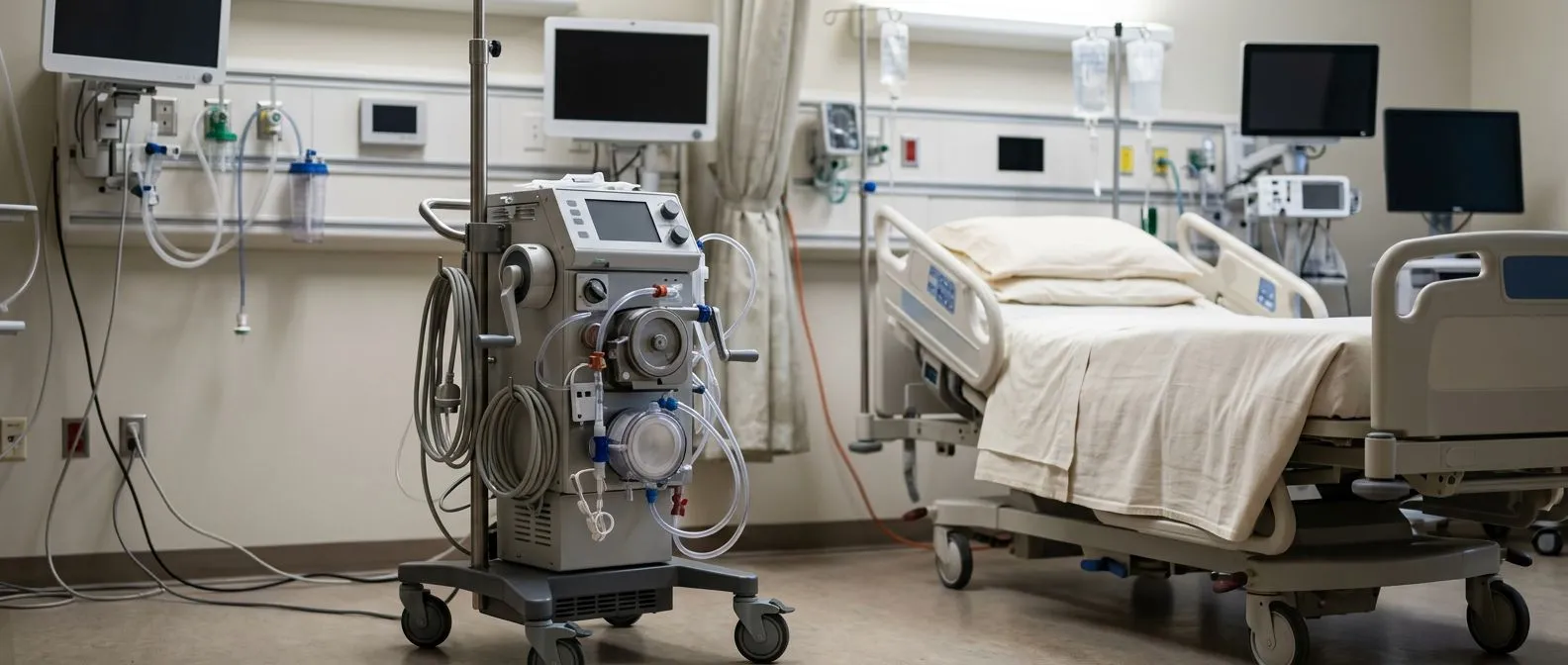
In severe cases, the heart can fail critically. Although it is rare, some patients develop cardiogenic shock, meaning the heart cannot pump enough blood to the body. In those situations, if they do not respond to medication, mechanical support such as veno-arterial (VA) ECMO may be needed; it temporarily takes over the work of the heart and lungs and gives the heart muscle time to recover.
Has the syndrome become more common?
Yes. In recent years several studies have shown a rise in the number of diagnosed cases, probably because of:
- Greater medical awareness and better technology to detect it.
- Greater exposure to stressful events (the pandemic, social isolation, financial losses).
- Rising chronic stress and mental health problems in the population.
During the COVID-19 pandemic, for example, a significant rise in Takotsubo cases was reported, even in people with no previous heart disease.

What is life like after a Takotsubo episode?
Fortunately, most patients recover completely within a few weeks or months, with full recovery of heart function. It is still important to:
- Look after your emotional health: therapy, family support and stress management.
- Keep up cardiology follow-up for some months.
- Adopt healthy habits: moderate exercise, a heart-healthy diet and no tobacco.
- Sleep well, keep a social support network and limit stress where you can.
In some patients the syndrome can recur, although this is not common.
The heart needs emotional care too
Takotsubo syndrome reminds us that the heart responds not only to physical disease but also to our emotions. Loss, fear, anxiety… can literally “break our heart”. But it also reminds us that the body can heal, that recovery is possible, and that seeking medical and emotional support is an act of strength, not weakness.
If you or someone you love has been through this diagnosis, you are not alone. Find out more, look after your emotional health and stay in touch with your cardiologist. With time and the right support, the heart can beat strongly again, without pain.