

Cardiomyopathy Treatment: Medicines, Devices and Surgery
Cardiomyopathy treatment explained: medications, implantable devices, and surgical options.
Cardiomyopathy means the heart muscle itself has become weakened, thickened, or stiff, so the heart can no longer pump blood the way it should. The encouraging news is that today's cardiomyopathy treatment options that combine medications, devices, and surgery give most people a real path to a longer, more active life. This guide walks through each option in plain language — what the drugs do, when a device is recommended, what surgery involves, and what recovery actually looks like — so you can walk into any consultation understanding the conversation.
What Is Cardiomyopathy and How Is It Treated?
What treats cardiomyopathy depends first on what kind of cardiomyopathy you have. The word describes a group of conditions that change the structure of the heart muscle. In some forms the muscle stretches and thins so it pumps weakly; in others it thickens so the chambers can't fill properly; in still others it stiffens or becomes inflamed. Because the mechanisms differ, the treatments differ too.
Doctors aim for three goals: relieve symptoms such as breathlessness and swelling, stop the disease from getting worse, and protect against dangerous rhythm problems. Most patients begin with medicines, add a device when the evidence supports one, and move to procedures or surgery only when less invasive steps are not enough. That stepped approach is the backbone of every credible cardiomyopathy treatment plan.
In our team's experience, patients do best when they understand exactly which of those three goals their own plan is targeting — we take the time in consultation to explain what each study shows, in plain words, before anything is decided. If you have just been told you have Cardiomyopathy, the most useful first step is a proper evaluation of your heart's function and rhythm, not a rushed decision.
Types of Cardiomyopathy and Why They Matter for Treatment
What are the different types of non-ischemic cardiomyopathy? Non-ischemic means the problem is not caused by blocked coronary arteries. The main types are dilated cardiomyopathy, where the left ventricle stretches and pumps weakly; hypertrophic cardiomyopathy, where the muscle thickens abnormally; restrictive cardiomyopathy, where the muscle stiffens; and arrhythmogenic cardiomyopathy, where heart muscle is gradually replaced by fat and scar tissue. A separate, often reversible form — Stress Cardiomyopathy, also called takotsubo or "broken heart syndrome" — comes on suddenly after severe emotional or physical stress and frequently improves within weeks.
Why the type changes the plan: a dilated heart responds well to heart-failure medicines and may need a pacemaker or defibrillator; a hypertrophic heart is treated with different drugs, septal reduction procedures, and careful rhythm surveillance; a restrictive heart often needs treatment of the underlying cause, such as amyloidosis. Diagnosing the specific type early — through echocardiography, cardiac MRI, genetic testing, and sometimes blood work — is the single most important step in choosing the right therapy.
There is also ischemic cardiomyopathy, which is not a separate muscle disease but heart-muscle weakness caused by coronary artery blockages and heart attacks. In that case, restoring blood flow to the muscle with stents or bypass surgery becomes part of the treatment, and long-standing weakness after an infarction can progress to a terminal form of ischemic cardiomyopathy when flow is not restored in time, as described in this case report in the Brazilian Journal of Cardiovascular Surgery.
What Are Four Signs of Cardiomyopathy?
The four signs doctors watch for most: breathlessness during activity or when lying flat, swelling in the ankles, legs, or abdomen caused by fluid retention, unusual fatigue that makes everyday tasks feel heavy, and palpitations or fainting spells caused by rhythm disturbances. Some people also notice a cough that worsens at night, or a sudden need to sleep propped up on pillows.
These signs appear because the failing heart either cannot pump enough blood forward, or cannot drain the blood returning to it, so fluid backs up into the lungs and body. They are not unique to cardiomyopathy — kidney disease, lung disease, and anemia can cause similar symptoms — which is why testing matters rather than self-diagnosis.
Warning signs that need urgent attention include fainting, chest pain, breathlessness at rest, or a racing, irregular heartbeat that does not settle. If you experience any of these, seek emergency care first; then arrange a full cardiac evaluation to find the cause.
Cardiomyopathy Treatment Drugs: The First Line of Therapy
Cardiomyopathy treatment drugs fall into families, each with a specific job. For a weakened, dilated heart, the cornerstone medicines are ACE inhibitors or ARBs (which reduce the workload on the heart), beta-blockers (which slow and steady the heartbeat and protect the muscle), and aldosterone antagonists such as spironolactone (which counteract harmful hormonal effects). Newer agents — ARNI combination pills and SGLT2 inhibitors, originally diabetes drugs — have added meaningful benefit for people with heart failure. For the hypertrophic form, beta-blockers and calcium channel blockers are used instead, to relax the over-thick muscle and ease obstruction.
Cardiomyopathy medication side effects are real, and worth knowing in advance: ACE inhibitors can cause a dry cough or raise potassium; beta-blockers can cause tiredness and slow pulse; spironolactone can raise potassium and affect kidney function; SGLT2 inhibitors carry a small risk of urinary infections. Most side effects are manageable with dose adjustments, but they should be reported rather than tolerated silently — never stop a heart-failure medicine on your own.
How dosing actually works: these medicines are started low and increased gradually toward the doses shown in trials to protect the heart, with blood tests to check kidney function and potassium along the way. The American Heart Association publishes the guideline recommendations that shape how these drug regimens are combined and escalated.

Cardiomyopathy Device Therapy: Pacemakers and ICDs
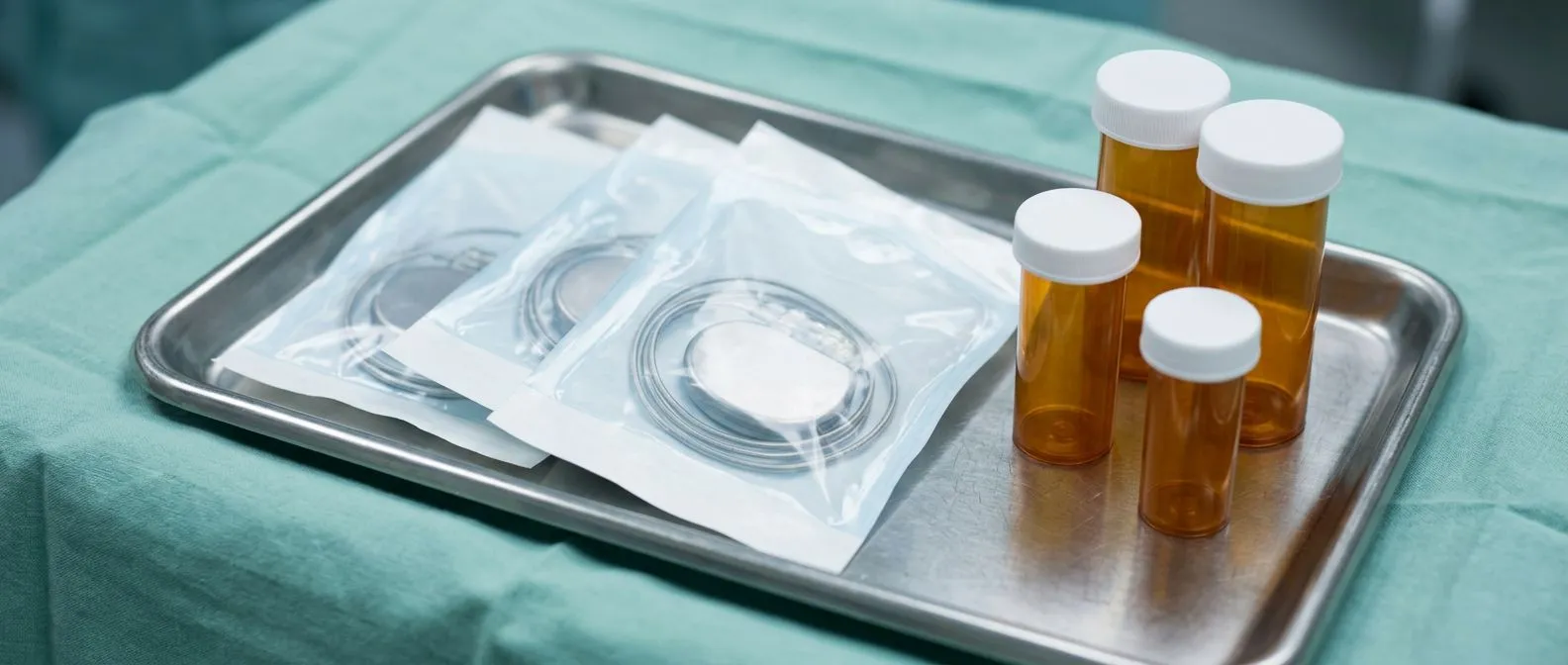
When medicines are not enough, cardiomyopathy device therapy becomes the next layer. An implantable cardioverter-defibrillator, or ICD, is a small box placed under the skin near the collarbone, with wires to the heart. It continuously monitors the rhythm and delivers an electrical shock to reset a dangerously fast rhythm — the kind of rhythm problem that causes sudden cardiac death in some cardiomyopathy patients. A cardiomyopathy ICD implant is recommended when the heart's pumping function falls below a threshold (usually an ejection fraction of 35% or less) or when the patient has already survived a dangerous rhythm event.
A cardiomyopathy pacemaker does a different job: it treats slow rhythms or electrical delay between the heart's chambers. In dilated cardiomyopathy, a special form called cardiac resynchronization therapy (CRT) paces both ventricles so they beat together again, which can measurably improve pumping. Some patients receive a combined device that does both jobs.
What the procedure and recovery involve: device implantation is usually done with local anesthetic and light sedation, takes one to two hours, and most patients go home the same day or the next morning. The wound site must stay clean and dry for about a week, and the arm on that side is kept from heavy lifting for several weeks. Because an ICD is a lifetime commitment, it should only be offered when the evidence for that specific patient genuinely supports it.
Dilated Cardiomyopathy Treatment: What Works
Dilated cardiomyopathy treatment follows a sequence. First, find and treat reversible causes: alcohol excess, certain chemotherapy drugs, viral infection, thyroid disease, and iron overload can all cause or worsen the dilated form, and removing them sometimes allows the heart to recover. Second, start and optimize guideline-directed heart failure cardiomyopathy treatment with the drug families described above. Third, add a device if the pumping function stays severely reduced after three to six months of good medical therapy.
Can you recover from cardiomyopathy? In the dilated form, sometimes yes — particularly when the cause is recent, treatable, or removed early. The heart muscle can regain strength over months, and some patients eventually taper off part of their medication. In hypertrophic and restrictive forms, the disease is usually managed rather than reversed, but it can be controlled well for many years.
Realistic expectations matter here: improvement is gradual, measured in months of consistent therapy and follow-up, not days. Regular echocardiograms and blood tests (especially BNP, a hormone that rises with heart failure) track whether the plan is working, and adjustments are made at each visit rather than waiting for symptoms to return.
Hypertrophic Cardiomyopathy Treatment Options
Hypertrophic cardiomyopathy treatment centers on easing the thickened muscle. Most patients are managed with medicines — beta-blockers or calcium channel blockers to relax the muscle and slow the heart, and newer drugs such as mavacamten that directly reduce the heart's over-contractility. These can relieve the breathlessness, chest pressure, and fainting that obstruction causes.
When obstruction is severe despite drugs, procedures exist: septal myectomy, an open operation that removes a strip of the thickened septum between the ventricles, and alcohol septal ablation, a catheter procedure that intentionally creates a small controlled infarct in the same spot. Both can dramatically improve symptoms when drug therapy fails.
Lifestyle factors matter more than many patients expect. Because obstructive hypertrophic cardiomyopathy worsens with dehydration and over-filling, doctors often advise steady hydration and caution with aggressive fluid intake; the guidance to avoid excessive alcohol, heavy salty meals, and stimulant decongestants is well established. Sleep apnea is another practical concern: untreated apnea stresses the hypertrophic heart, and clinical research is examining whether CPAP therapy benefits these patients, as registered in this study of CPAP in hypertrophic cardiomyopathy on ClinicalTrials.gov. Intense competitive sports are typically restricted until the risk profile is fully assessed.
Because the risk profile in hypertrophic cardiomyopathy is highly individual, every case should be reviewed carefully before surgery or another treatment is recommended, and patients should hear plainly which alternatives exist and why — the final decision always rests with them.
Is Cardiomyopathy Treatable Without Surgery?
Cardiomyopathy treatment without surgery is not only possible — it is the standard starting point. For most patients, the combination of optimized medicines, lifestyle changes (sodium restriction, fluid discipline, weight management, gentle progressive exercise), and treatment of underlying causes controls the disease for years. Cardiac rehabilitation programs, supervised exercise training, and management of sleep apnea and diabetes all measurably improve outcomes.
Where catheter-based options fit in: between drugs and open surgery there is a middle tier of treatments. Cardiac resynchronization via a pacemaker, alcohol septal ablation for hypertrophic obstruction, and catheter interventions to restore blood flow in ischemic cases all avoid open-heart surgery. This is precisely why defining the disease type correctly matters — it determines whether you need surgery at all.
What patients should still know: "no surgery" does not mean "no monitoring." Cardiomyopathy evolves, and the plan should be re-evaluated at regular intervals with echo, rhythm checks, and symptom review. Skipping follow-up because you feel well is one of the most common and costly mistakes; structured reviews exist so that changes are caught before they become crises.
Cardiomyopathy Surgery and Heart Transplant: When They Are Needed
Cardiomyopathy surgery enters the picture in specific circumstances. In ischemic cardiomyopathy, bypass surgery or stents restore blood flow to stunned, viable muscle and can improve pumping function. In dilated cardiomyopathy with severe heart failure, surgical ventricular reconstruction or mitral valve repair may help reshape the heart. In advanced heart failure treatment, mechanical circulatory support — ventricular assist devices, or VADs — can serve either as a bridge to transplant or as long-term "destination" therapy for patients who are not transplant candidates.
Cardiomyopathy heart transplant remains the definitive option for end-stage disease when medications, devices, and less invasive surgery no longer maintain quality of life. Transplant candidacy is assessed by specialized teams using measures such as peak oxygen consumption on exercise testing and risk scores; it is a major undertaking with lifelong immunosuppression afterward, so it is considered only when the benefit clearly outweighs those burdens.
In our own multidisciplinary practice, we perform conventional, minimally invasive, robotic, and transcatheter procedures, and we recommend the less invasive route only where the evidence supports it for that individual patient — sometimes that means a robotic mitral repair, sometimes a full sternotomy bypass, and sometimes that surgery is not the answer at all. Dr Molina trained in cardiothoracic surgery at the Universidad de Guadalajara and in cardiac, minimally invasive, robotic, and structural surgery at the University of Montreal, and he performed the first robotic mitral valve repair in the Ángeles Health System and the first robotic heart surgery in Guadalajara.
Cardiomyopathy Prognosis With Treatment: Living Longer, Living Well
How long can a person live with cardiomyopathy? There is no single answer, and no honest doctor will give you a number without seeing your tests. What is well established is that prognosis with treatment is substantially better than without it: guideline-directed medicines, devices when indicated, and treatment of the underlying cause each add years of good-quality life for many patients. The variability between patients is enormous — some people with dilated cardiomyopathy recover near-normal function, while others with advanced disease need a transplant — which is why individual assessment matters more than any statistic.
Cardiomyopathy treatment cost and access in Mexico: for international patients, the practical questions are often about cost and travel rather than medicine. Costs vary widely depending on the type of treatment — drug therapy is relatively inexpensive, device implantation and catheter procedures are moderate, and open surgery is the largest investment. The first contact in our practice is a free video consultation: we get to know the patient, talk through the condition, and specify which studies are still needed so no unnecessary ones are ordered, and a face-to-face visit follows only when the patient decides to go ahead. Consulting rooms are in Guadalajara, Querétaro, and Hermosillo.
Choosing the right team: look for a multidisciplinary group — cardiologists, electrophysiologists, and cardiac surgeons — that reviews every case against international guidelines and that welcomes second opinions. Seeking a second opinion is a normal part of deciding about heart surgery, and any team confident in its recommendations will encourage it. If you are searching for the best cardiomyopathy doctors in Mexico, the better question is which team can explain your options clearly, show you the evidence, and offer both the least invasive and the most definitive paths under one roof.
Cardiomyopathy is a serious diagnosis, but it is no longer a hopeless one. Modern treatment — medicines that protect and strengthen the heart, devices that guard against dangerous rhythms, and surgery reserved for when it is truly needed — has transformed what this condition means for daily life. The most important step you can take is not to self-diagnose or self-treat, but to bring your test results and your questions to a qualified cardiac team, and to book a proper consultation so that a plan built around your own heart can begin.






