

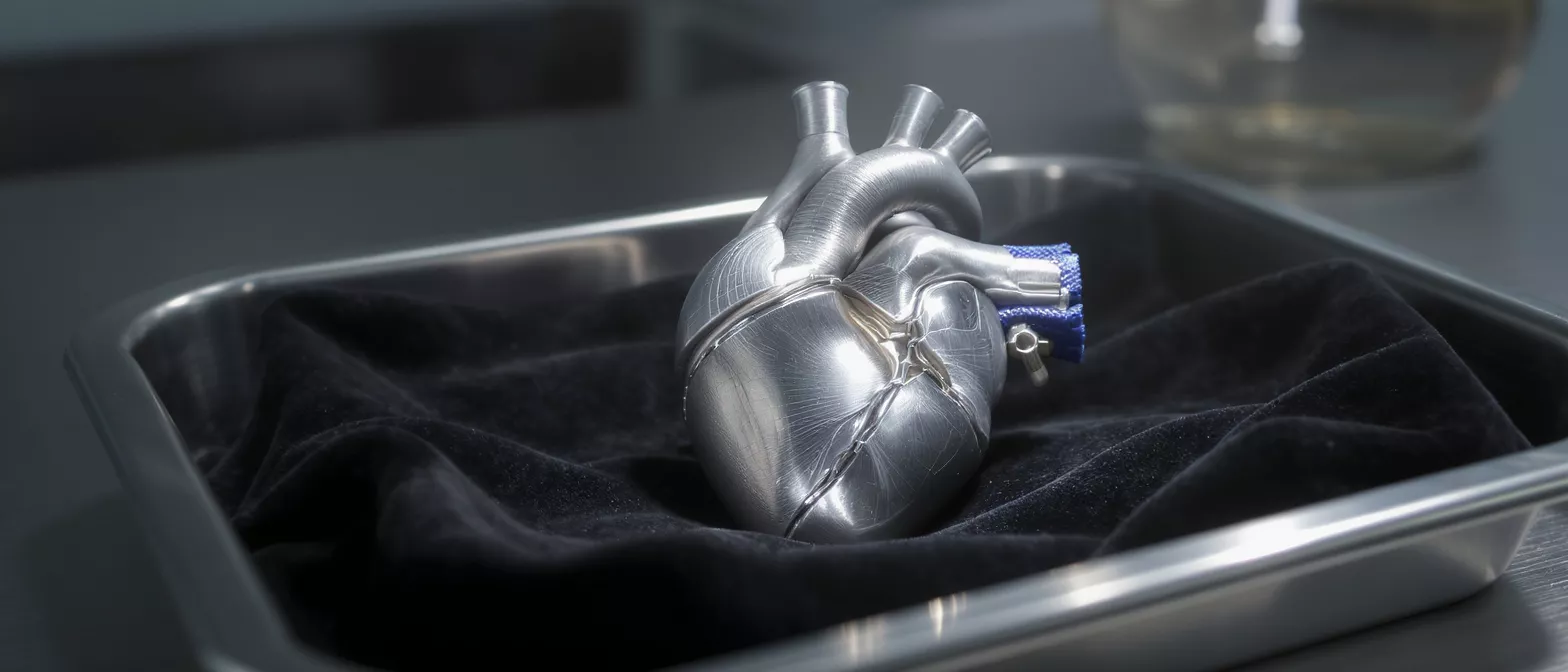
Supra-annular Valve
Learn how a supra-annular valve improves blood flow in heart valve replacement surgery.
What is a supra-annular valve?
A supra-annular valve is a specialized type of prosthetic heart valve designed to sit slightly above the native annulus—the fibrous ring that normally holds the heart's natural valve in place. Rather than fitting directly inside the annular ring, this surgical prosthesis rests just on top of it, opening up a new realm of possibilities for cardiac surgeons. This unique positioning allows for the use of a larger valve size, which translates to significantly better blood flow. For patients facing heart valve replacement, the distinction between annular and supra-annular placement may seem subtle, but it carries profound clinical weight. By elevating the prosthetic valve slightly above the natural ring, the surgeon can achieve optimal hemodynamics without compromising the structural integrity of the surrounding heart tissue.
Understanding the annulus in heart anatomy: To grasp why the supra-annular valve is so impactful, it helps to understand the anatomy of the annulus itself. The annulus is a rigid, fibrous band of tissue that anchors the native heart valve. In many patients, especially those with calcific disease, this ring becomes stiff and narrowed, restricting the size of the valve that can be safely implanted. If the native ring is too small for a standard implant, forcing a larger valve into the annular position can cause tissue tearing, irregular blood flow, or even rupture. The supra-annular design sidesteps this anatomical bottleneck entirely, resting securely just above the restrictive tissue.
For a frightened patient or family member trying to understand the surgical plan, the key takeaway is that the supra-annular valve is a carefully engineered solution to a common anatomical problem. By placing the new valve above the tightest part of the native anatomy, the surgeon secures better function and reduces the stress placed on the heart muscle. Understanding the aortic valve replacement procedure is the first step in demystifying the operating room and feeling confident in the surgical strategy.
How supra-annular valve placement works
The mechanics of supra-annular valve placement rely on the precise geometry of the prosthetic device. Most supra-annular designs feature a sewing ring that sits outside the structural flow area of the valve. During surgery, the cardiac surgeon removes the diseased native valve leaflets but leaves the native annular tissue largely intact. The prosthetic valve is then anchored using specialized sutures placed just above the fibrous ring. This positioning ensures the mechanical or biological leaflets of the new valve open and close without any obstruction from the patient's own tissue, maximizing the effective orifice area.
Surgical technique for supra-annular implant: The procedure requires immense precision. The surgeon must carefully measure the diameter of the left ventricular outflow tract just above the annulus to select the correct prosthesis size. If the supra-annular space is optimal, the new valve is seated securely using a running suture technique or interrupted pledgeted sutures. These sutures are tied off above the annulus, securing the sewing ring to healthy, pliable tissue rather than calcified, rigid tissue. This ensures a durable, leak-proof seal that can withstand the relentless pressure cycles of the beating heart.
Because the valve sits slightly higher in the aortic root, the surgical team must also ensure there is enough room in the surrounding anatomy to accommodate the prosthesis without kinking the coronary arteries. This is why meticulous preoperative imaging is essential. Advanced planning helps the surgeon determine the exact trajectory of the valve placement and confirm that a supra-annular implant will provide superior blood flow without impinging on nearby critical structures.
Why supra-annular aortic valve design matters
The design of a supra-annular aortic valve is a triumph of biomedical engineering. Its primary advantage lies in its hemodynamic profile—the way blood flows through the device. When a prosthetic valve is placed within a small, restrictive annulus, the blood must accelerate through a narrow space, creating turbulence and a high pressure gradient. By contrast, the supra-annular design positions the internal opening of the valve above the narrowed tissue. This means the effective orifice area—the actual space available for blood to flow—is larger, resulting in smoother, more natural blood flow and significantly less stress on the heart muscle.
Impact on long-term heart function: The long-term benefits of this improved hemodynamics cannot be overstated. When the heart does not have to work as hard to push blood through the prosthetic valve, the left ventricle can begin to remodel and recover. Over time, a well-placed supra-annular valve helps reduce the strain that leads to heart muscle thickening, a condition known as left ventricular hypertrophy. By optimizing the flow dynamics, the valve prosthesis preserves the patient's long-term cardiac health and improves their overall quality of life.
This design is particularly beneficial for patients with a small aortic root, a condition more frequently seen in women and elderly patients. Without a supra-annular option, these patients might face a phenomenon called "patient-prosthesis mismatch," where the implanted valve is too small for the body's requirements, leading to persistent high pressure in the heart. The supra-annular design effectively eliminates this risk, ensuring the patient receives the largest possible valve for their unique anatomy.
Supra-annular valve replacement vs. standard implant
When comparing a supra-annular valve replacement to a standard intra-annular implant, the differences center on physical placement and functional outcome. A standard implant sits entirely within the native fibrous ring, making it an excellent choice for patients with large, healthy annular tissue. However, when the annulus is heavily calcified or naturally small, a standard valve can severely restrict blood flow. The supra-annular approach shifts the valve's functional opening upward, bypassing the bottleneck and providing a larger pathway for blood circulation.
Comparing hemodynamic performance: The hemodynamic difference between the two approaches is striking. A standard valve in a small annulus creates a higher pressure gradient, meaning the heart must generate more force to push blood through. The supra-annular valve lowers this gradient dramatically. Studies of valve implantation technique consistently show that supra-annular designs yield lower transvalvular gradients and larger effective orifice areas, translating to better physical endurance and less shortness of breath for the patient.
- Placement: Standard implants sit inside the native annulus; supra-annular implants rest just above it.
- Hemodynamics: Supra-annular designs offer a larger effective orifice area and lower pressure gradients.
- Patient suitability: Supra-annular valves are ideal for patients with small or calcified aortic roots to prevent patient-prosthesis mismatch.
The choice between these two approaches is never made lightly. The surgical team evaluates the patient's specific anatomy, the degree of calcification, and the overall health of the heart tissue before deciding which positioning will yield the safest and most effective outcome.
Benefits of supra-annular valve surgery
The benefits of supra-annular valve surgery extend far beyond the operating room. For the patient, the most immediate relief is often the resolution of symptoms like severe fatigue, chest pain, and shortness of breath. Because the supra-annular valve allows for a larger prosthesis, the heart no longer has to fight against a restrictive opening. This leads to a more efficient cardiovascular system and a faster recovery timeline, as the heart muscle is not left exhausted from working against a poorly matched valve.
Preventing patient-prosthesis mismatch: The most critical benefit of this surgery is the prevention of patient-prosthesis mismatch. This mismatch occurs when the effective area of the prosthetic valve is too small relative to the patient's body size, leading to persistent high pressure in the heart. By utilizing the supra-annular space, the surgeon can implant a larger valve, effectively eliminating this risk. Preventing this mismatch safeguards the long-term function of the heart and ensures the durability of the surgical repair.
Additionally, the supra-annular technique can reduce the need for more complex, high-risk procedures. For patients with a small aortic root, surgeons might otherwise need to perform an aortic root enlargement to fit a standard valve. The supra-annular approach frequently eliminates the need for this additional step, reducing the complexity of the operation, shortening the time spent on cardiopulmonary bypass, and minimizing the overall risk of complications.
Are supra-annular valves safe for small aortic roots?
Yes, supra-annular valves are not only safe for small aortic roots, but they are often the preferred medical solution for this exact anatomical challenge. When a patient has a small aortic root, the risk of complications during valve replacement rises significantly. The surgeon must navigate a highly restricted space without damaging the surrounding tissue or the coronary arteries. The supra-annular design was specifically developed to address this challenge, allowing the surgical team to bypass the narrowest part of the anatomy safely and securely.
Reducing surgical complications: Safety in cardiac surgery is largely about minimizing trauma to the surrounding tissue. By placing the valve above the most calcified and rigid portion of the annulus, the surgeon reduces the risk of tearing the heart tissue. The sutures are passed through healthier, more pliable tissue just above the annulus, creating a stronger, more reliable seal. This technique also protects the left ventricular outflow tract and ensures the coronary arteries remain unobstructed during the valve's function.
For patients and families, knowing that a surgical option exists specifically tailored to small anatomies provides immense peace of mind. It means the surgical plan is not a one-size-fits-all approach, but a customized strategy designed to fit the patient's unique cardiovascular structure safely. This personalized surgical planning is the hallmark of excellent cardiovascular surgery terms and practice.
What to expect after supra-annular valve implant
Recovering from a supra-annular valve implant follows the standard trajectory of traditional open-heart surgery, though patients often report feeling better sooner due to the improved hemodynamics. Immediately after the operation, the patient will spend time in the intensive care unit for close monitoring. Once stable, they are transferred to a step-down unit where the focus shifts to walking, breathing exercises, and regaining strength. The improved blood flow provided by the supra-annular position often helps the heart recover faster, leading to a noticeable reduction in fatigue during the early days of recovery.
Long-term follow-up and monitoring: Once discharged, the recovery journey continues at home with gradual increases in physical activity. Regular follow-up appointments with the cardiologist are essential. During these visits, echocardiograms are performed to monitor the function of the new valve and ensure the pressure gradients remain low. Because the supra-annular design optimizes blood flow, these follow-ups typically reveal excellent heart function, allowing patients to return to their normal routines with renewed energy.
Patients will also receive specific guidance regarding medications, particularly blood thinners if a mechanical valve was used, or antiplatelet therapy for biological valves. Understanding the cardiac surgery recovery timeline helps patients and their families set realistic expectations for the weeks and months following the procedure, ensuring a smooth transition back to everyday life without undue anxiety.
Choosing the right heart valve prosthesis
Selecting the appropriate heart valve prosthesis is a deeply personalized decision made by the surgeon, cardiologist, and patient. The choice depends on several factors, including the patient's age, lifestyle, and the specific anatomy of their heart. The supra-annular design is available in both mechanical and biological options. Mechanical valves offer exceptional durability but require lifelong blood-thinning medication. Biological valves, often made from cow or pig tissue, do not require long-term blood thinners but may need to be replaced after a decade or two.
Biological vs. mechanical options: The decision between biological and mechanical supra-annular valves hinges on a careful risk-benefit analysis. For younger patients, the durability of a mechanical valve might be preferred to avoid future reoperations. For older patients or those who cannot safely take blood thinners, a biological valve is usually the better choice. The supra-annular design enhances both options by maximizing the effective orifice area, ensuring that whichever material is chosen, the heart receives the best possible blood flow.
The surgeon's expertise in valve implantation technique is paramount here. They will assess the calcium burden, the size of the aortic root, and the patient's overall health profile to recommend the best prosthetic type. The goal is always to provide a durable, safe, and highly functional replacement that restores the patient's quality of life.
Supra-annular valve surgery in Guadalajara
For patients seeking expert cardiac care, accessing advanced procedures like the supra-annular valve surgery in Guadalajara offers a combination of world-class surgical talent and compassionate patient care. Guadalajara has emerged as a hub for cardiovascular surgery terms and excellence, attracting highly trained specialists who are adept at complex valve replacements. The city's medical infrastructure provides state-of-the-art imaging and surgical technology, ensuring patients receive a level of care that rivals international standards.
Accessing specialized cardiac care: When facing a complex diagnosis, traveling for surgery can feel daunting. However, the concentration of medical expertise in Guadalajara means patients have access to multidisciplinary teams, including specialized anesthesiologists, perfusionists, and cardiac intensive care nurses. This team approach ensures every aspect of the patient's journey, from preoperative evaluation to postoperative recovery, is meticulously managed. Finding the right expert cardiovascular surgeon is the most critical step in ensuring a successful outcome.
Dr Alejandro Molina and his team understand the anxiety that accompanies cardiac surgery. By choosing a facility that prioritizes clear communication, patient education, and advanced surgical techniques, families can feel confident they are making the best choice for their loved one's heart health.
Key takeaways on supra-annular valve replacement
In summary, the supra-annular valve represents a significant advancement in the field of cardiac surgery. By placing the prosthetic valve just above the native annulus, surgeons can implant a larger device, optimize blood flow, and prevent the dangerous complications associated with patient-prosthesis mismatch. This technique is particularly vital for patients with small or heavily calcified aortic roots, offering a safe and effective alternative to more complex surgical enlargements.
Final considerations for patients: The ultimate goal of any cardiac procedure is to restore the patient's health and quality of life with minimal risk. The supra-annular valve replacement achieves this by respecting the natural anatomy while overcoming its limitations. It allows for a stronger surgical seal, better long-term heart function, and a smoother recovery. For anyone facing heart valve replacement, discussing the supra-annular option with their surgical team is an essential step in understanding the full scope of available treatments.
- Optimal flow: Supra-annular placement maximizes blood flow by utilizing the space above the restrictive native annulus.
- Safety profile: It reduces the risk of patient-prosthesis mismatch, especially in patients with small aortic roots.
- Recovery: Improved hemodynamics lead to less strain on the heart and a more comfortable postoperative recovery.
Understanding these concepts empowers patients to have informed, meaningful conversations with their surgeons, transforming fear into confident action as they prepare for their heart surgery journey.






