

Permanent Pacemaker After Heart Surgery: Living With It
Permanent pacemaker after heart surgery: recovery timeline, activity guidelines, and long-term care tips from Guadalajara heart specialists.
If you or a family member has been told you need a device, one of the first questions is what living with a permanent pacemaker after heart surgery will actually feel like day to day. A Pacemaker is a small metal-and-battery device placed under the skin near the collarbone. It watches every heartbeat and sends a tiny electrical signal only when your own rhythm needs help. For most people, it becomes something they stop noticing within weeks. This guide walks through what the device does, what implantation involves, how recovery unfolds, and which daily activities change — and which do not.
What Is a Permanent Pacemaker?
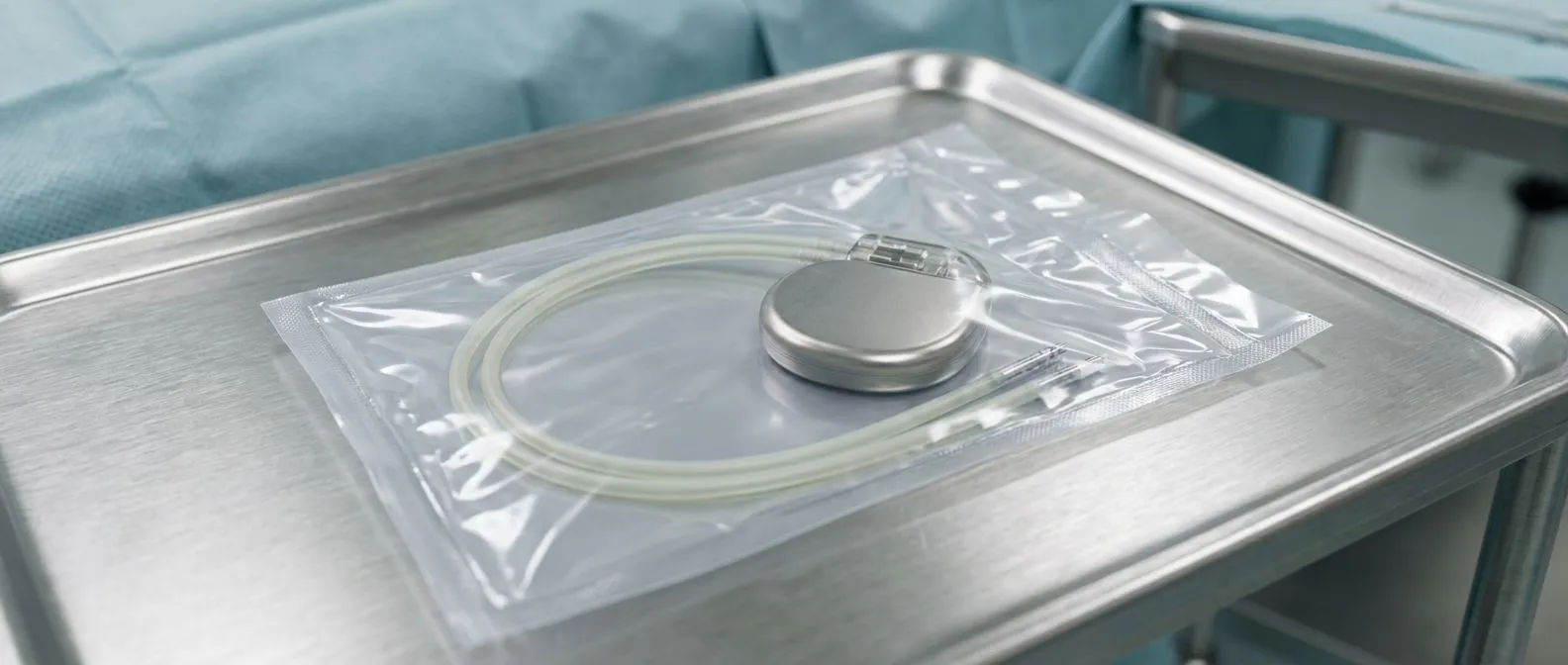
The device itself. A Permanent Pacemaker has two parts: a generator — a battery with a small computer inside, about the size of a pocket watch face — and one or more leads, which are thin insulated wires that carry the electrical signal to the heart. The generator sits under the skin below the collarbone, and the leads travel through a vein into the heart chambers. Everything is placed inside the body during a single procedure.
How it decides when to fire. The device continuously reads your heart's natural electrical activity. If your heart beats normally, it stays silent. If the rhythm drops below a rate your cardiologist has programmed, it delivers a pulse to keep the heart from beating too slowly. Modern devices adjust this automatically, speeding the heart up during activity and slowing it at rest.
What it can and cannot do. A pacemaker treats slow heart rhythms, not blocked arteries or valve disease, and it does not cure the underlying condition that caused the problem. It is there as a safety net. For a clear general overview of how these devices work, Healthline offers patient-friendly explanations that match what most cardiology teams tell their patients.
Why Would Someone Need a Permanent Pacemaker?
Slow rhythms that medications cannot fix. The most common indications for cardiac pacing are slow rhythms: sick sinus syndrome, where the heart's natural pacemaker — the sinus node — fires too slowly or pauses, and heart block, where the electrical signal between the upper and lower chambers is delayed or interrupted. Symptoms include dizziness, fainting, unexplained fatigue, and shortness of breath. When these come from a rhythm problem, medication cannot reliably fix them, and pacing can.
After other heart procedures. Some people need a Pacemaker Implantation as a consequence of another treatment. A patient who had valve surgery or a TAVR procedure — transcatheter aortic valve replacement, where a new aortic valve is delivered through a catheter — can develop heart block afterward because the valve sits right next to the electrical conduction system. This is one of the most frequent reasons patients need a pacemaker after a valve procedure, which is why heart rhythm is watched closely before and after these procedures to catch new block early.
Deciding with a team, not alone. Not everyone with an occasional slow beat needs a device, and international guidelines set clear thresholds — measured pauses, degree of block, and symptoms — that determine when pacing is genuinely indicated. Our multidisciplinary team reviews each patient against those guidelines and then presents the recommendation with the alternatives, so the final decision always rests with the patient. If you have been told you need a device but feel unsure, we encourage a second opinion; it is a normal, sensible part of deciding.
What Happens During Pacemaker Implantation?
The setting and preparation. Pacemaker Implantation is usually done in a catheterization lab or a specialized operating room, most often with local anesthetic and light sedation. You stay awake enough to breathe on your own, and the area below your collarbone is numbed thoroughly. Most people are surprised by how calm the procedure feels from the inside.
The steps, simplified. The team makes a small incision of a few centimeters, accesses a vein, and threads the lead wire through it under X-ray guidance into the heart. The lead is tested to confirm it records and stimulates the heart correctly. Then the generator is connected to the lead, placed in a pocket created under the skin, and the incision is closed. The whole procedure typically takes one to two hours.
Right after the procedure. You rest, the wound is checked, and the device is tested again to confirm it is working as programmed. In our experience the first hours are mostly about monitoring the puncture site and letting you ask questions — we take the time to explain what the studies actually show, in plain words, before you go home. Many patients go home the same day or the next morning.
Is a Permanent Pacemaker a Major Surgery?
How it compares to open heart surgery. The answer is no — Pacemaker Implantation is a minor procedure by cardiac surgery standards. It does not involve opening the chest, stopping the heart, or using a heart-lung machine. The incision is small, the recovery is measured in days rather than weeks, and general anesthesia is usually not needed. That is why the phrase "pacemaker surgery" can be misleading: it is a real procedure, but a modest one.
Why it is still a real decision. Minor does not mean trivial. It is an implantation of a foreign device into your body, and like any procedure it carries infection, bleeding, and lead-related risks that deserve a proper explanation beforehand. In our practice, every case is discussed by the multidisciplinary team before a recommendation is made, precisely so the patient hears the honest trade-offs and not just the reassurance.
Choosing the right route. For patients who need a device alongside another cardiac procedure — for example, a valve replacement — the team weighs whether the device can be placed at the same time, later, or whether the patient can safely be monitored first. Our team performs conventional, minimally invasive, robotic and transcatheter procedures, and we recommend the less invasive route only where the evidence supports it for that particular patient.
Pacemaker Recovery After Surgery: Week by Week
The first days. Pacemaker recovery after surgery moves quickly. In the first 48 to 72 hours, keep the wound clean and dry, avoid lifting the arm on the device side above shoulder height, and expect some soreness and bruising. Most people manage ordinary walking, dressing, and light household activity without difficulty. The dressing is usually removed after a few days at a wound check.
Weeks one to four. The leads settle into the heart tissue during this period, which is why doctors restrict certain arm movements. Avoid heavy lifting, sudden pulling, and forceful reaching on the device side. Stitches or staples are removed around the end of the first week. Driving is usually cleared within about one to two weeks, depending on your symptoms and your local rules, but follow your own team's instructions.
After one month. A full device check at around four to six weeks confirms the leads are stable and the battery is healthy. From that point, the vast majority of restrictions are lifted, and pacemaker recovery after surgery is essentially complete — the device simply becomes part of your life. Ask before discharge when your first wound and device check is scheduled, so you know exactly when they will be reviewed.
What Is the Difference Between a Temporary Pacemaker and a Permanent Pacemaker?
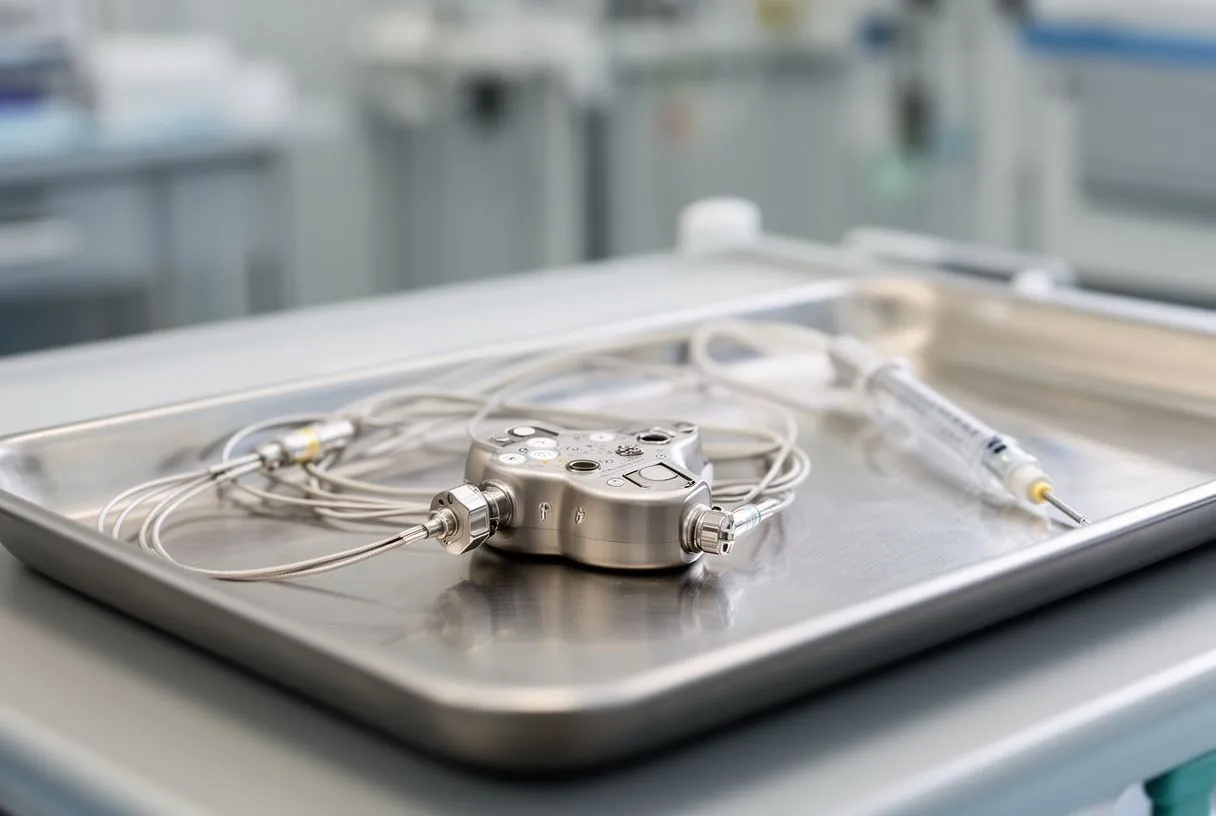
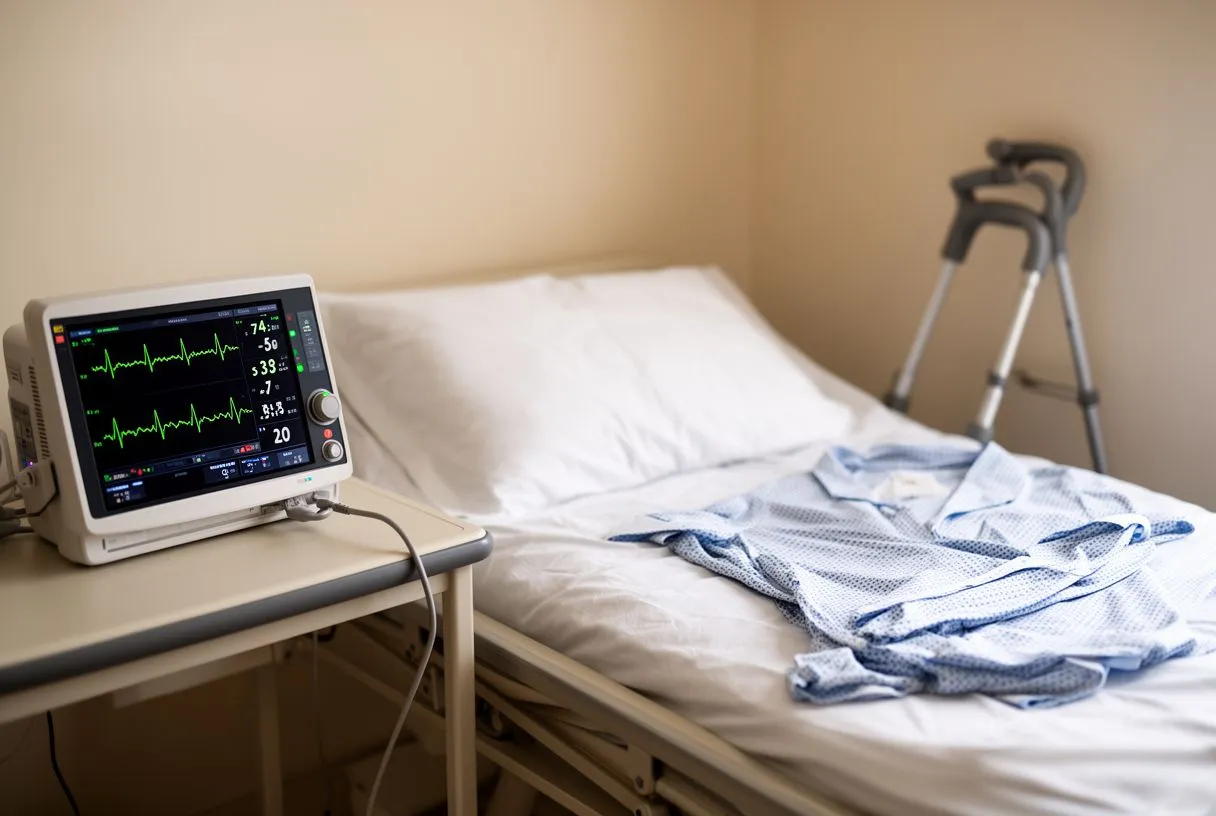
A temporary pacemaker is a bridge. A temporary pacemaker sits outside the body. Wires are brought through the skin — often through the neck or chest — and connected to an external pacing box that a nurse can adjust at the bedside. It is used in hospital settings: after open heart surgery, during an emergency where a rhythm has failed, or while doctors wait to see whether a block will recover on its own.
A permanent pacemaker is meant to stay. A Permanent Pacemaker is fully implanted, with nothing outside the skin, and it is designed to work for years — battery life commonly runs between six and twelve years depending on how much it is used and what features are switched on. Temporary pacing handles the crisis; permanent pacing handles the long term.
Why the distinction matters to you. If you wake up after heart surgery with external pacing wires attached, that does not automatically mean you will need a device. Many of these temporary systems are removed within days once the heart recovers. The decision to convert to a permanent device is made only if the slow rhythm persists beyond the observation period, and it is always reviewed with the patient first.
Settings you may hear about. Temporary pacing can be programmed in different modes — a fixed rate regardless of the heart's own activity, a demand mode that paces only when the heart pauses, and rate settings that are turned up or down at the bedside. The variety of these temporary pacemaker settings is a technical detail your care team manages; what matters is that the device protects you while your heart is given time to recover.
What Should You Avoid With a Permanent Pacemaker?
The honest short list. People often expect a long list of forbidden activities, but the practical answer about what to avoid with a permanent pacemaker is short. For most everyday life, the device changes very little. A few situations genuinely deserve attention:
- Strong magnetic fields: keep devices like large industrial magnets and certain portable power tools at a distance; the magnet can temporarily alter how the device paces.
- Magnetic resonance imaging (MRI): many modern devices are MRI-conditional, meaning a scan is possible with proper protocols — a documented case even describes safe MRI in a dual-chamber pacemaker patient when precautions are followed (Magnetic Resonance Imaging in a Patient with a Dual Chamber Pacemaker). Always tell the imaging team you have a device before any MRI.
- Airport security: carry your device identification card, tell the officer you have a pacemaker, and ask for a hand search rather than walking through a full-body scanner — this is routine and staff are used to it.
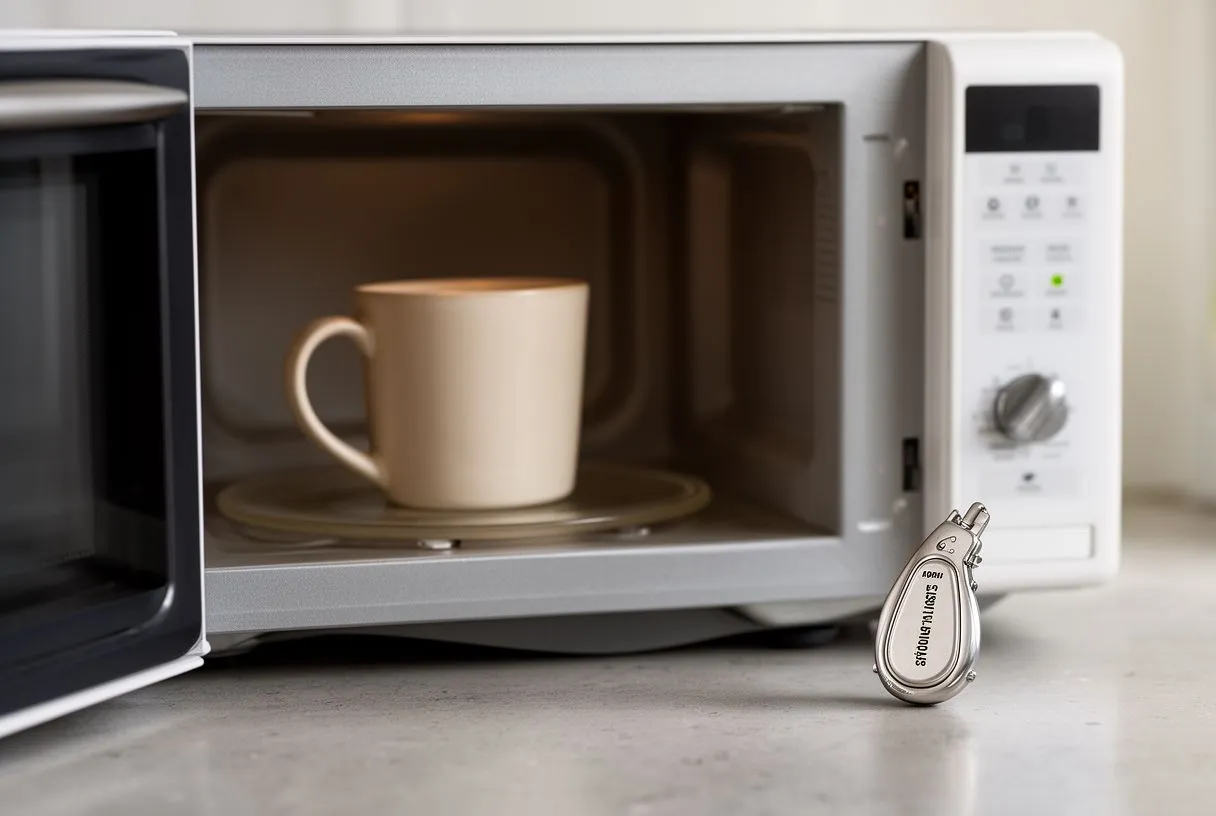
Sources of interference at home. Household electronics — phones, laptops, microwaves, televisions — are safe. The common-sense rule is not to hold a phone directly over the device for long periods and to keep induction cooktops and electric motors a reasonable distance away. If a device ever makes you feel dizzy or causes palpitations, simply move away from it; the pacemaker normally returns to normal operation immediately.
Pacemaker and Exercise Guidelines for Daily Life
You are meant to be active. Pacemaker and exercise guidelines are built to encourage movement, not restrict it. The device is designed to support your heart during effort — rate-responsive models speed up the heartbeat when you walk, climb stairs, or garden. Exercise strengthens the heart, helps blood pressure and weight, and improves how you feel overall, so in most cases it is part of the treatment.
What to start and how to build up. Walking is the ideal first exercise. Begin with short daily walks and extend them week by week. Once your first device check confirms the leads are stable — usually at four to six weeks — swimming, cycling, and most gym activities are back on the table. Full contact sports and activities that involve repetitive upper-arm pressure on the device side may need modification, so ask your team before returning to those.
Warning signs during exercise. Stop and seek advice if you feel persistent dizziness, chest pain, shortness of breath that is worse than usual, or palpitations that do not settle. These symptoms are often unrelated to the device, but they should never be ignored. Mention every one of these at each check, because the answers often tell your team more about the heart than the device readings do.
Permanent Pacemaker Complications to Watch For
The common and the uncommon. Most patients go through the entire life of the device without a problem. Still, permanent pacemaker complications to watch fall into two groups. Early complications, within the first weeks, include pocket bleeding, wound infection, and lead displacement. Late complications, over years, include lead fracture, device malfunction, and the rare pacemaker syndrome, where the pacing pattern itself causes fatigue or breathlessness.
Signs that deserve a call, not panic. Fever with swelling or redness over the device pocket, an opening or discharge at the wound, or a return of the dizziness and fainting the device was meant to fix — these need prompt medical review. The pocket area should also be monitored long term; if the skin over the generator becomes very thin or the device site grows painful, contact your cardiology team before the problem escalates.
How monitoring catches problems early. Routine device checks, many of which now happen remotely from home, read the battery level, the lead function, and the rhythms the device has recorded. Problems are usually detected at a scheduled check long before you would notice anything. Automatic readings are usually paired with periodic in-person reviews, so you are not relying on symptoms alone to tell you something is wrong.
Living With a Permanent Pacemaker After Heart Surgery: The Long Term
The device fades into the background. After the first weeks, living with a permanent pacemaker after heart surgery mostly means remembering you have it at medical appointments and security checks — and little else. The device needs a check roughly every six to twelve months, and as the battery nears its end, checks become more frequent. When replacement is needed, it is usually a simple generator exchange with the leads left in place, far shorter than the original implantation.
What the long-term outlook involves. People commonly live full, active lives for decades with a device, and survival depends far more on the underlying heart condition than on the pacemaker itself. Ongoing care is about managing the condition that required the device: medications, blood pressure, lifestyle, and regular follow-up. One active research question is how to reduce device needs after valve procedures; a clinical trial is studying whether prophylactic permanent pacing after TAVR in patients with right bundle branch block improves outcomes (Prophylactic Permanent Pacemaker in Patients With Right Bundle Branch Block Undergoing Transcatheter Aortic Valve Implantation).
Your questions deserve real answers. Life expectancy with a permanent pacemaker, exercise limits, battery replacement surgery, travel — every patient we meet has a slightly different list of worries, and all of them are fair questions. Our team in Guadalajara, Querétaro and Hermosillo reviews each case together and explains the options in plain language before anything is decided. If you are facing a pacemaker decision or adjusting to a device after heart surgery, bring your questions to a consultation — the first video visit is free, and the goal is simply to understand your situation and tell you which studies, if any, are still needed.






