Private Nursing at Home After Heart Surgery
Private nursing at home after heart surgery in Guadalajara: cardiac monitoring, wound care and medication management during your recovery.
What is Private Nursing After Heart Surgery?
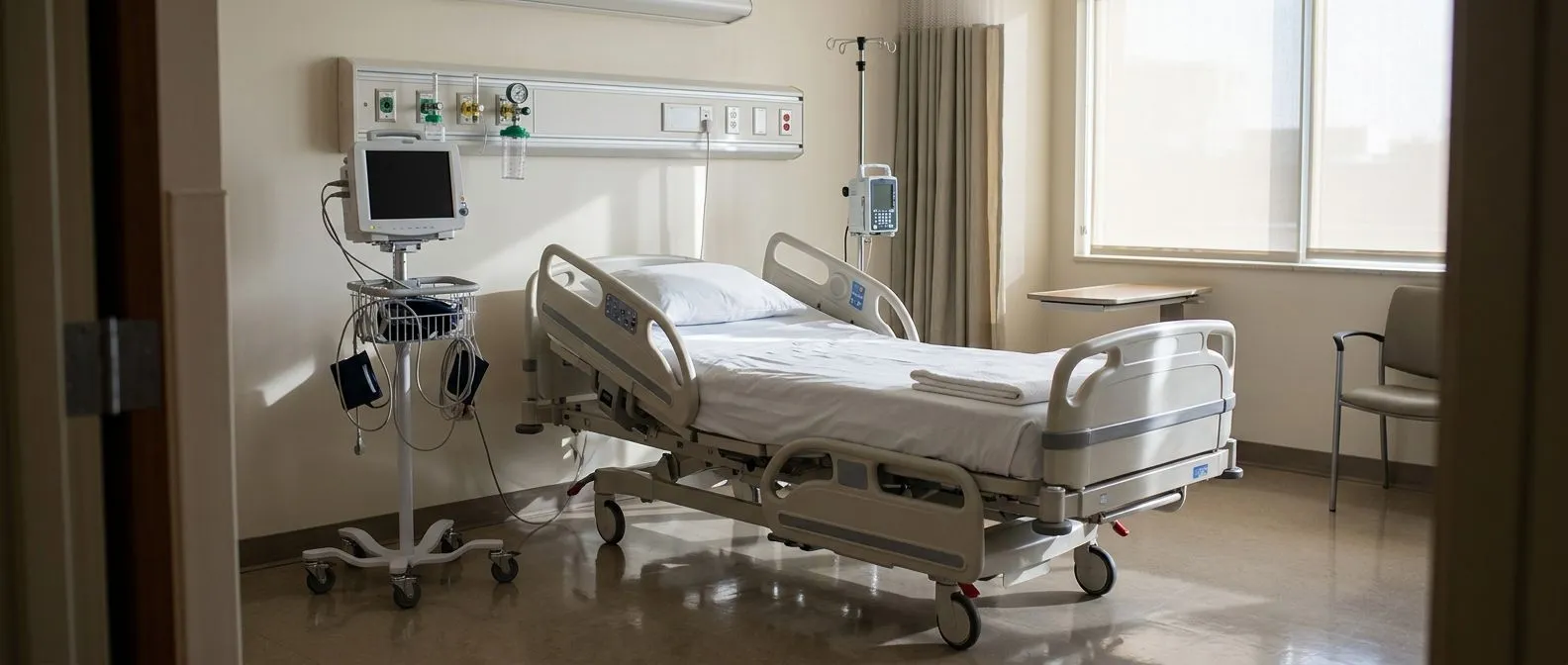
Private nursing after heart surgery provides specialized medical care in the comfort of your own home. When you transition from the hospital to your residence, the first few weeks are critical for proper healing. A dedicated nurse ensures your recovery stays on track without the stress of a clinical environment.
Cardiac procedures, whether they involve an Arterial Graft or a valve replacement, require close observation. According to Johns Hopkins Medicine, home health care bridges the gap between hospital discharge and full independence. Your nurse will perform routine Auscultation, listening to your heart and lungs with a stethoscope to detect any irregular sounds early.
Specialized cardiac monitoring: Unlike general caregivers, a cardiac nurse understands the nuances of postoperative healing. They track vital signs, manage pain levels, and ensure medications like Aspirin are taken correctly to prevent clots. This professional oversight provides immense peace of mind for both patients and their families.
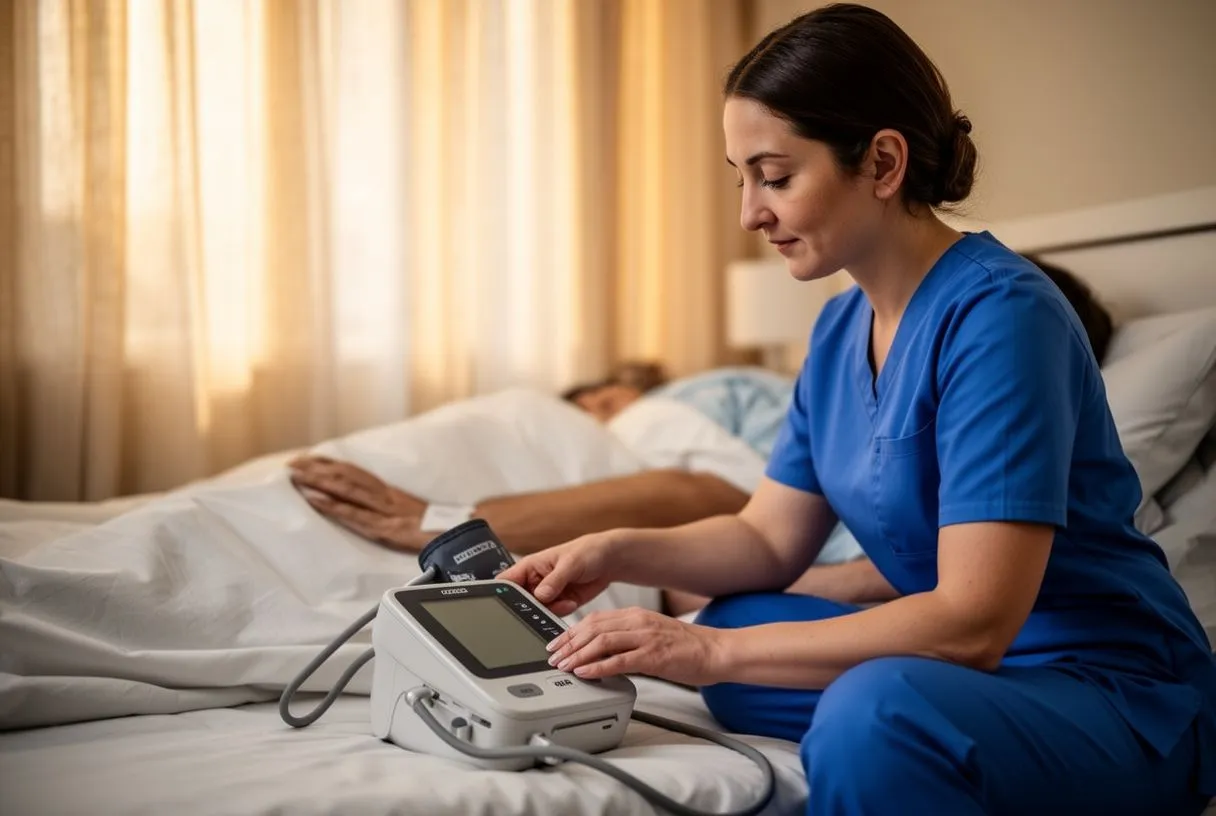
How Home Care Supports Your Recovery Timeline
The journey to healing after cardiac surgery follows a predictable but individualized timeline. Having professional support at home helps you navigate each phase safely. Your nurse establishes a daily routine that balances necessary rest with gentle, progressive activity to rebuild your strength.
First two weeks at home: During this initial period, your main focus is healing surgical incisions and managing basic daily tasks. A private nurse monitors for Arm Pain if an Arterial Line was placed in your wrist, or checks chest incisions if your Ascending Aorta was operated on. They ensure you do not push yourself too hard too soon.
Weeks three to six milestones: As your stamina improves, your care team adjusts your activity thresholds. Your nurse helps coordinate follow-up appointments and communicates with your surgical team. They document your progress, making it easier for your doctors to determine when you are ready for outpatient cardiac rehabilitation.
What to Expect From a Postoperative Cardiac Nurse
A postoperative cardiac nurse brings hospital-level precision into your living room. Their primary goal is to prevent complications while supporting your physical and emotional recovery. They act as your advocate, educator, and direct line to your surgical team.

Daily clinical assessments: Your nurse will check your blood pressure, heart rate, and oxygen saturation multiple times a day. If you had a procedure like Balloon Angioplasty, they know exactly what vascular sites to monitor. They assess your hydration, nutrition, and overall comfort, adjusting care plans based on real-time feedback.
Beyond physical care, these professionals provide crucial education. They teach you how to recognize warning signs, how to safely get out of bed without straining your chest, and when to use an Automated External Defibrillator if one is prescribed. This continuous education empowers you to take an active role in your own healing.
Monitoring Complications: When to Seek Medical Help
Despite excellent surgical outcomes, complications can arise during home recovery. Private nursing provides a safety net by identifying subtle changes before they become emergencies. Knowing what to watch for is a crucial part of your education.
Recognizing red flags: Your nurse is trained to spot early signs of infection, fluid retention, or arrhythmias. For instance, they monitor for Atrial Flutter, an irregular and often rapid heart rate that can occur after heart surgery. They also watch for Atypical Infarction symptoms, which may present differently than expected.
If certain symptoms appear, immediate medical attention is required. Your nurse will follow strict protocols to escalate care if they observe any of the following warning signs:
- Fever over 38°C: A potential sign of surgical site infection.
- Severe shortness of breath: Could indicate fluid around the heart or lungs.
- Rapid, irregular pulse: May signal an arrhythmia needing prompt evaluation.
Types of Cardiac Surgery Requiring In-Home Nursing
Different cardiac procedures require varying levels of postoperative care. Private nursing is highly beneficial after major interventions. The extent and duration of home care depend on the complexity of your surgery and your overall health profile.
Complex valve and aortic repairs: Procedures involving the Atrium or a Balloon-expandable Valve require meticulous postoperative monitoring. Some patients require highly complex interventions, as detailed in a Successful treatment of challenging case of infective endocarditis. A private nurse ensures these delicate repairs heal without disruption.
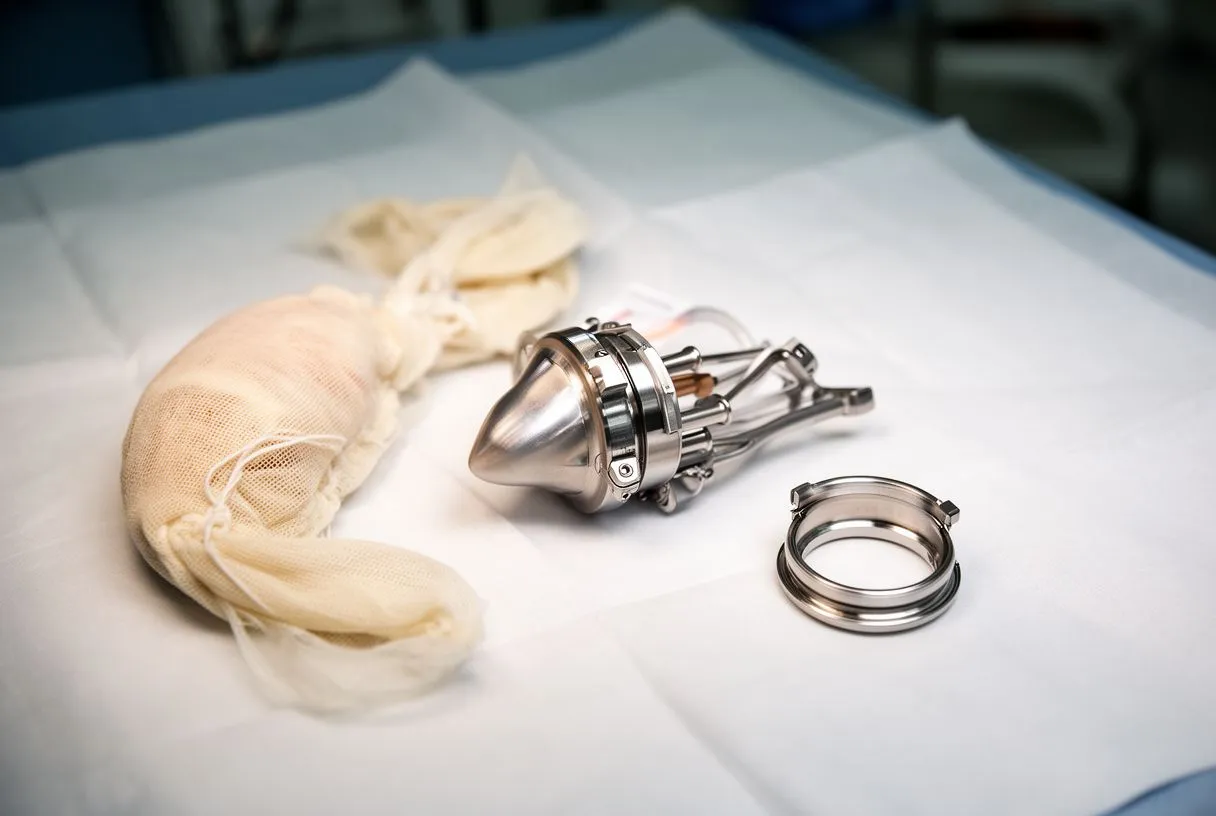
Less invasive procedures: Even less invasive options like transcatheter aortic valve replacement, known as TAVR, require specialized home monitoring. If you are recovering from support like Awake ECMO or a Balloon Aortic Valvuloplasty, your nurse understands the specific vascular access points used. They also ensure any Autologous Blood transfusions or supplements are managed correctly.
Private Nursing Benefits for Elderly Heart Patients
Elderly patients often face unique challenges when recovering from cardiac surgery. Age can affect how quickly tissues heal and how the body responds to surgical stress. Private nursing offers tailored support that addresses the specific vulnerabilities of older adults.
Reducing fall risks and confusion: Older adults may experience temporary disorientation or weakness after anesthesia. A dedicated caregiver assists with mobility, preventing falls that could reopen incisions or cause fractures. They ensure the home environment is safe and clutter-free.
Managing multiple chronic conditions: Many elderly patients have overlapping health issues, such as diabetes or kidney disease, alongside heart disease. A private nurse coordinates care for all these conditions. They monitor blood sugar levels, check renal function indicators, and adjust care to support total wellness, not just the cardiac surgical site.
Managing Wounds and Medications at Home
Proper wound care and medication management are the pillars of an uneventful recovery. Private nursing ensures both are handled with clinical precision. Mistakes in either area can lead to serious setbacks, making professional oversight invaluable.
Surgical site maintenance: Your nurse cleans and dresses your incisions using sterile techniques. They look for signs of poor healing, redness, or drainage. If an Autograft was used in your procedure, they monitor both the donor and recipient sites to ensure proper integration and prevent infection.
Complex medication schedules: After surgery, you may take multiple medications to manage pain, prevent clots, and control heart rhythm. Your nurse organizes your pills, tracks doses, and watches for adverse interactions. They ensure your Apolipoprotein B lowering medications or other heart drugs are taken exactly as prescribed to maintain therapeutic levels.
Private Nurse Guadalajara and Mexico Travel Considerations
For international patients traveling to Mexico for cardiac care, navigating recovery away from home adds logistical challenges. Securing private nursing in Guadalajara, Querétaro, or Hermosillo provides continuity of care before you travel back. This ensures your medical needs are met in a temporary residence or hotel.
Coordinating complex recoveries abroad: If you travel for a specialized procedure, such as those described in the Eyes wide shut - unusual two stage repair of pectus excavatum and annuloaortic ectasia in a 37 year old marfan patient: case report, postoperative care is highly specific. A local nurse familiar with international patient protocols bridges the communication gap and delivers consistent care.

Managing chronic care while traveling: Your nurse will monitor existing conditions, such as Atheromatous Plaque progression or help manage medications evaluated under clinical trials like ARISTOTLE. They provide the documentation you need for travel insurance and ensure you are medically stable before you board your flight home.
Balancing Rest and Cardiac Rehabilitation at Home
Recovery is not just about healing wounds; it is also about safely regaining your physical endurance. A private nurse helps you find the exact balance between necessary rest and appropriate movement. Pushing too hard can be dangerous, but doing too little can lead to muscle loss and stiffness.
Gradual reconditioning: Your nurse will guide you through safe, gentle exercises. They monitor your heart rate and oxygen levels while you walk, ensuring you stay within safe limits. This supervised activity helps improve circulation, reduces the risk of blood clots, and boosts your overall energy levels.
Your home care team will help you build a sustainable daily rhythm. A typical day during your cardiac rehabilitation at home might include:
- Morning vitals: Checking blood pressure and heart rate before getting out of bed.
- Supervised walks: Short, measured walks around the house or garden.
- Planned naps: Scheduled rest periods to prevent overexertion and promote tissue healing.
Transitioning to Independent Living After Surgery
The ultimate goal of private nursing is to prepare you for complete independence. As your recovery progresses, your nurse gradually shifts from doing tasks for you to teaching you how to manage them yourself. This transition is carefully timed to match your physical and emotional readiness.
Building your confidence: By the end of your home care period, you will feel confident taking your own vital signs, managing your medications, and recognizing warning signs. Your nurse ensures you understand your long-term heart health plan. They teach you how to safely return to activities like driving, lifting, and exercising.
When you are ready to step down from private nursing, you will have a solid foundation for long-term health. However, every patient's journey is unique. We encourage you to discuss your specific recovery needs and surgical risks with a qualified cardiac team. Contact Cirugía de Corazón to book a consultation and learn more about the care options that provide the lowest risk for your situation.