Sternal Wires After Open-Heart Surgery: Are They Permanent
Sternal wires after surgery—are they permanent?
Undergoing open-heart surgery is a profound life event, and the recovery journey often brings unexpected questions about the hardware left inside your chest. When a surgeon repairs the heart, whether to bypass blocked arteries or fix valves, they must first divide the breastbone to access the heart. To close the chest securely, they rely on medical-grade stainless steel wires to bind the bone edges together. Understanding what these wires do, how they feel, and whether they need to be removed can ease much of the anxiety patients feel after leaving the hospital.
What are sternal wires after surgery?
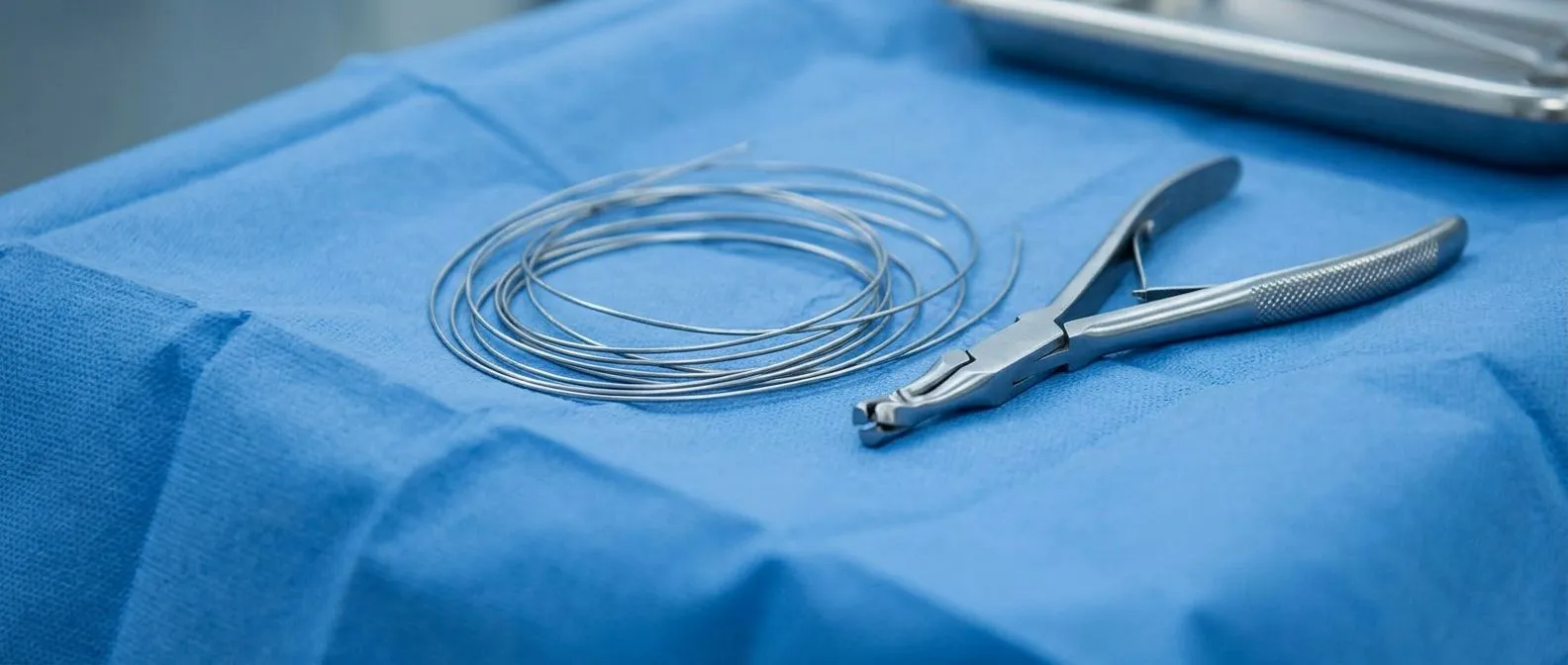
After an open-heart procedure, such as repairing the Ascending Aorta or performing a coronary bypass, the surgeon must access your heart by dividing the breastbone, a procedure known as a sternotomy. To close the chest securely and promote proper healing, they use specialized surgical wires to bind the bone edges together. Think of it much like lacing up a sturdy jacket; the wires hold the two halves of the breastbone tightly opposed so that new bone cells can bridge the gap over the following months.
These sternal wires after surgery act as permanent structural support during the critical healing phase. How sternal wires work: The surgeon passes the stainless steel threads around or through the bone and then twists them tightly on the front of the breastbone. This rigid fixation is crucial because it counteracts the constant outward force generated by breathing and coughing. Why surgeons use stainless steel: This specific metal offers exceptionally high tensile strength, meaning it resists snapping under repetitive stress. According to Verywell Health, these wires are the standard practice for ensuring the chest remains stable during the vulnerable early recovery period.
While most patients never notice them, these thin threads essentially become a permanent part of your skeletal structure. Can you feel sternal wire palpation? Occasionally, a patient might feel a tiny, hard bump just beneath their skin where the twisted ends of the wire sit. This is usually entirely painless and completely normal, though it can cause concern if unexpected. Over time, tissue and bone grow over these knots, making them even less noticeable.
Do sternal wires stay forever?
For the vast majority of patients, the answer is yes, sternal wires remain in the body indefinitely. Once the breastbone has fully fused—usually within six to twelve months—the wires serve no active mechanical purpose. However, because they are deeply embedded in the healed bone and surrounded by tissue, extracting them requires a second surgical procedure, which introduces new risks that surgeons prefer to avoid unless necessary.
How long do sternal wires last? They are specifically designed to last a lifetime without degrading or rusting. Stainless steel is highly biocompatible, meaning your body's immune system generally ignores it, safely encapsulating the metal in a protective layer of scar tissue. In specific scenarios, such as deep wound infections or planned secondary cardiac surgeries, surgeons will remove them to access the heart safely. Clinical studies, including the Clinical Comparison of a Novel Balloon-Expandable Versus a Self-Expanding Transcatheter Heart Valve for the Treatment of Patients with Severe Aortic Valve Stenosis: The EVAL Registry, often track device longevity and outcomes, highlighting how permanent implants are standard practice in structural heart interventions.
Do sternal wires set off metal detectors? This is a very common worry for patients planning to travel or return to work. The amount of surgical steel used in a sternotomy closure is relatively small, and modern airport security walkthrough scanners are carefully calibrated to ignore typical surgical steel. You are highly unlikely to trigger an alarm, though carrying a medical card detailing your surgery can provide welcome peace of mind.
Broken sternal wires symptoms?
Although rare, the wires holding the breastbone together can occasionally fracture over time due to repeated mechanical stress, severe episodes of coughing, or minor physical trauma to the chest. When this happens, the bone might shift slightly, creating a condition known as sternal instability that requires careful medical evaluation.
Recognizing a sternal wires clicking sound: If a wire breaks or the bone fails to fuse correctly, you might hear or feel a distinct popping or clicking sensation in your chest when you move your arms, roll over in bed, or take a deep breath. Assessing for Arm Pain: While classic chest pain is the hallmark of cardiac distress, atypical presentations can include discomfort radiating to the arms or shoulders. The medical team often relies on careful Auscultation (listening to chest sounds with a stethoscope) and precise imaging to rule out complications. Research on structural integrity, such as the Quantitative Angiographic Assessment of Aortic Regurgitation after Transcatheter Aortic Valve Implantation among Three Balloon-Expandable Valves, underscores the critical importance of accurate diagnostic imaging when evaluating post-procedural hardware stability.
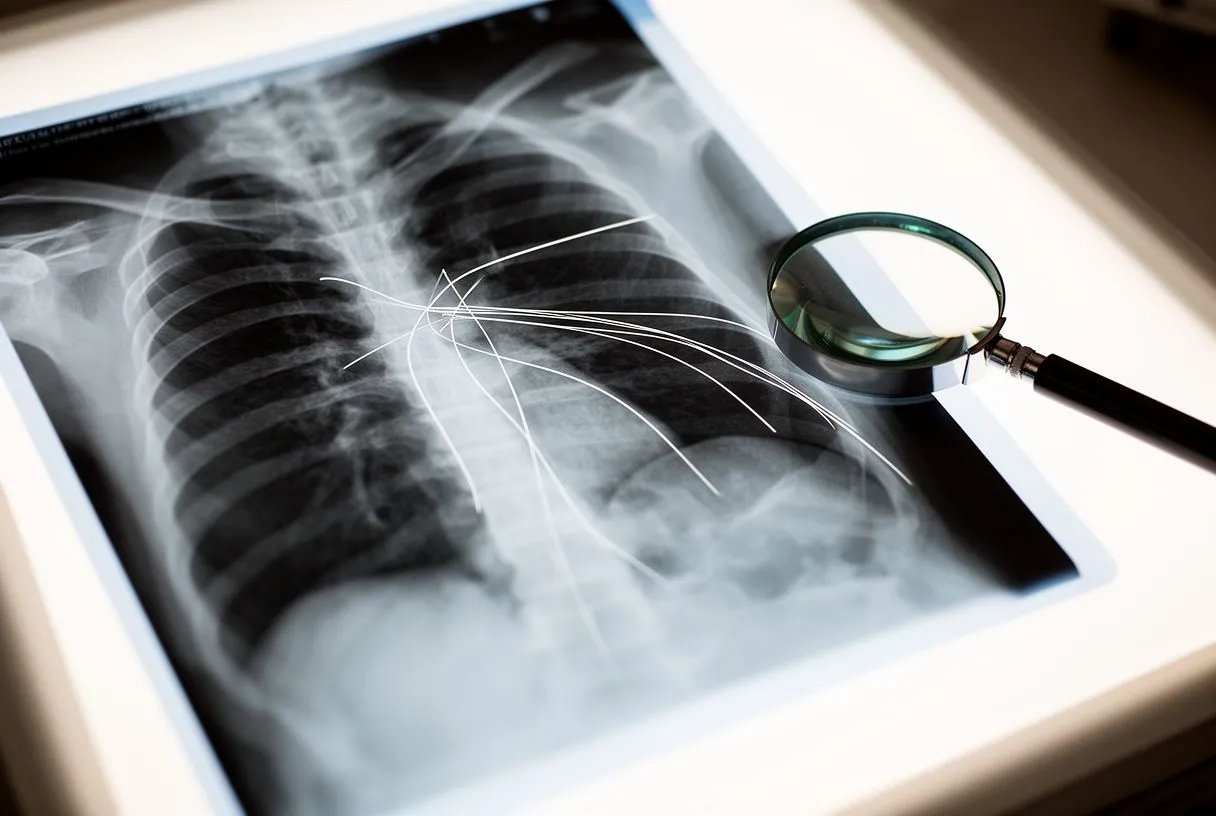
Differentiating normal healing from broken sternotomy wires pain: It is entirely normal to feel aches, twinges, and pulling sensations around the incision for several months as nerves and tissue heal. However, a sudden, sharp pain that is accompanied by a grinding or shifting sensation is not normal. This combination of symptoms warrants an immediate X-ray to assess the integrity of the wires and the alignment of the bone.
Sternal wire infection signs?
Post-operative infections at the sternum are serious complications that require prompt, aggressive medical intervention. Because the surgical wires are foreign objects inside the body, they can unfortunately become a focal point for bacteria if the overlying wound becomes contaminated during the initial healing phase.
Recognizing sternal wire infection signs early is critical to preventing the infection from spreading deeper into the bone or surrounding heart tissue. If you notice any of the following symptoms, you should contact your cardiac surgeon or seek emergency care immediately:
- Redness and swelling: Expanding warmth, redness, or firm swelling around the incision site indicates localized inflammation that may signal a developing infection.
- Fever and chills: A persistent temperature above 38°C (100.4°F) often signals that your body is mounting a systemic response to an active infection.
- Discharge: Any pus, cloudy fluid, or unexpected bleeding from the chest wound requires urgent clinical assessment.
- Worsening pain: Pain that steadily escalates after the initial recovery phase, rather than gradually improving over time.
Managing sternal wire complications: If an infection is confirmed, intravenous antibiotics are the first line of defense and are often managed with medication in a hospital setting. In severe cases, particularly if the infection reaches the bone, surgeons must remove the wires to fully clear the infected tissue. They will then use alternative stabilization methods, such as muscle flaps or plating, to secure the chest while it heals.
Sternal wire removal procedure?
When removal is deemed necessary—whether due to chronic pain, a localized infection, or a planned future cardiac surgery—the procedure is typically straightforward but still requires anesthesia. It is usually performed as a day-case, or at most, involves a short overnight stay for observation.
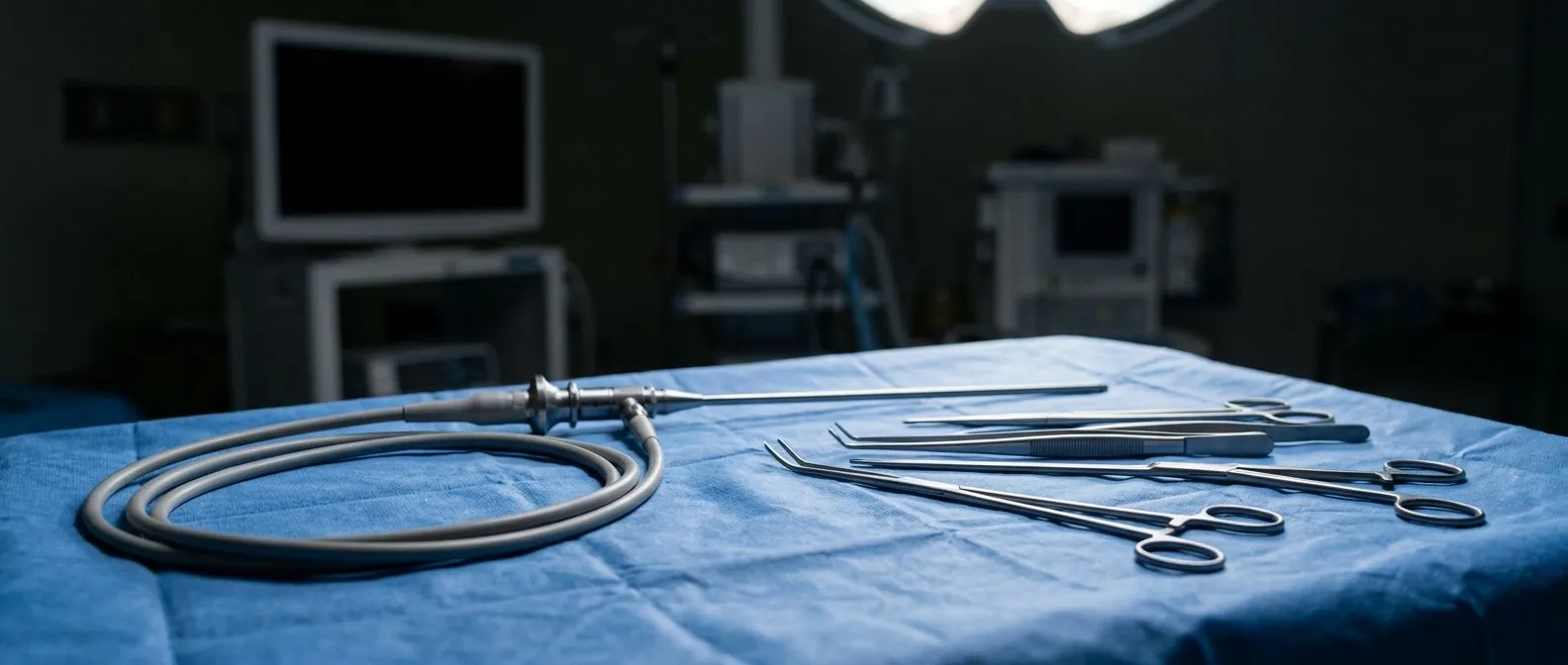
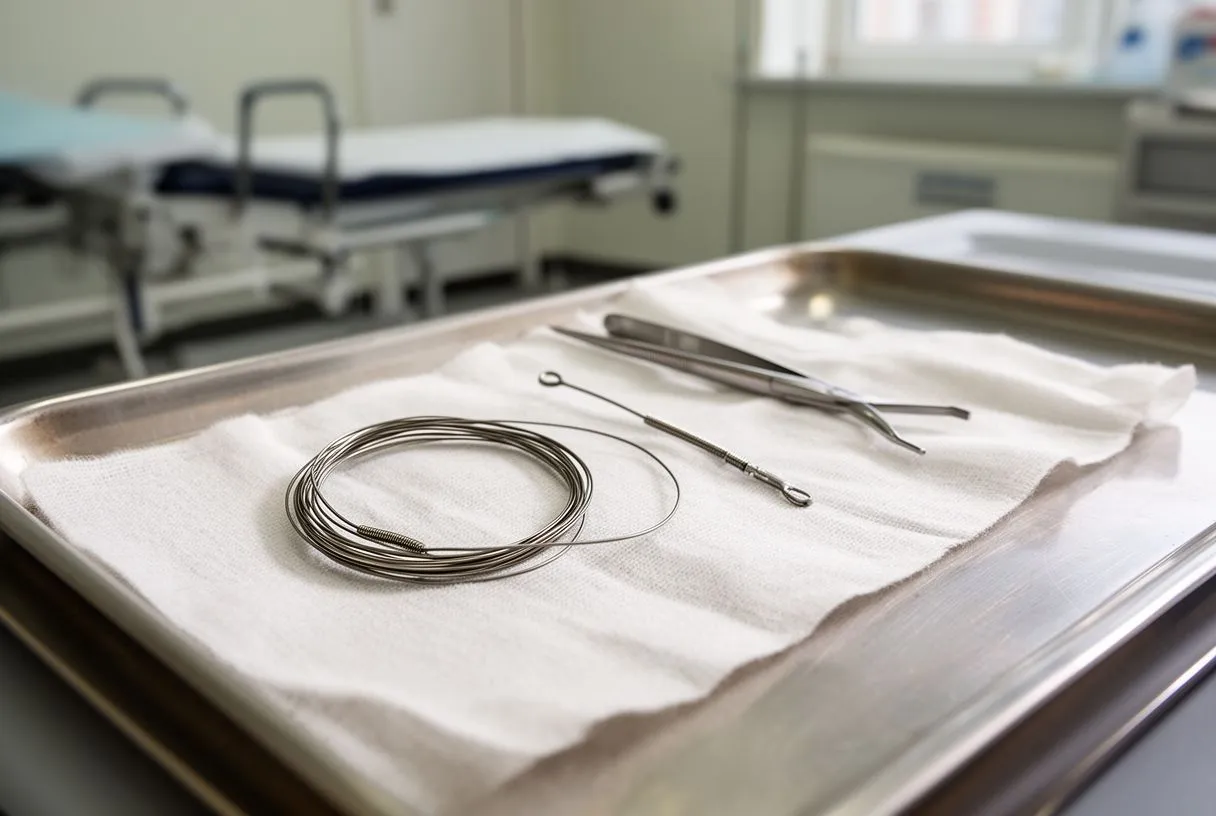
How surgeons remove the wires: The surgeon makes a small incision directly over the palpable wire knots, often using the original scar to hide the new one. Using specialized instruments, they carefully cut the twisted ends and gently pull the straight lengths of wire out of the bone. Sternal wire removal procedure cost: The expense varies significantly depending on hospital fees, anesthesia type, and geographical location. Furthermore, if a future operation is needed for a condition like an aortic diameter exceeding 5.5 cm, or if a patient has a high EuroSCORE II risk profile, wire removal might be integrated into the larger surgical plan to save time and reduce costs.
Preparation for the procedure: Before removal, the surgical team will review your overall health. They might use blood tests to ensure your Autologous Blood (your own blood, banked beforehand if needed) is available, though simple wire removal rarely requires a transfusion. Your cardiac team will always weigh the necessity of removal against the lowest risk for your situation to ensure the benefits clearly outweigh the surgical risks.
Sternal wire removal recovery time?
Recovery after wire extraction is generally much faster and less painful than the initial open-heart surgery, primarily because the breastbone is already fused and does not need to heal again. Most patients return to their normal daily routine within a week of the procedure.
What to expect during recovery: You will have a small, healing incision that may feel sore and bruised for a few days. Keeping the area clean and dry is paramount to prevent a secondary skin infection. Activity levels after removal: While heavy lifting and strenuous exercise are discouraged for a short period, walking and gentle movement are highly encouraged to promote circulation and prevent blood clots. Any lingering discomfort is typically managed with medication, ensuring a comfortable and smooth healing process at home.
Monitoring for complications: Although rare, you must remain vigilant for signs of fluid collection, bleeding, or reopening of the skin edges. If you experience severe pain, redness, or notice the bone shifting after the hardware is gone, a follow-up X-ray is necessary to confirm structural stability. Your surgeon will provide specific guidelines on when to resume driving and returning to work.
Sternal wires vs plates?
Traditional wiring has been the gold standard for closing the chest after cardiac surgery for decades, but newer techniques using rigid plates and screws, known as sternal plating, are gaining traction in certain cardiac centers around the world.
Comparing fixation methods: Sernal wires provide flexible, circumferential compression, which is excellent for standard, uncomplicated closures. Plates, however, offer rigid fixation, distributing mechanical forces much more evenly across the bone, much like a cast on a broken arm. When plates are preferred: Surgeons might choose plating for high-risk patients, such as those with obesity, diabetes, or chronic obstructive pulmonary disease (COPD), where the constant, heavy force of coughing could snap traditional wires. The decision between wires and plates always depends on achieving the lowest risk for your situation.
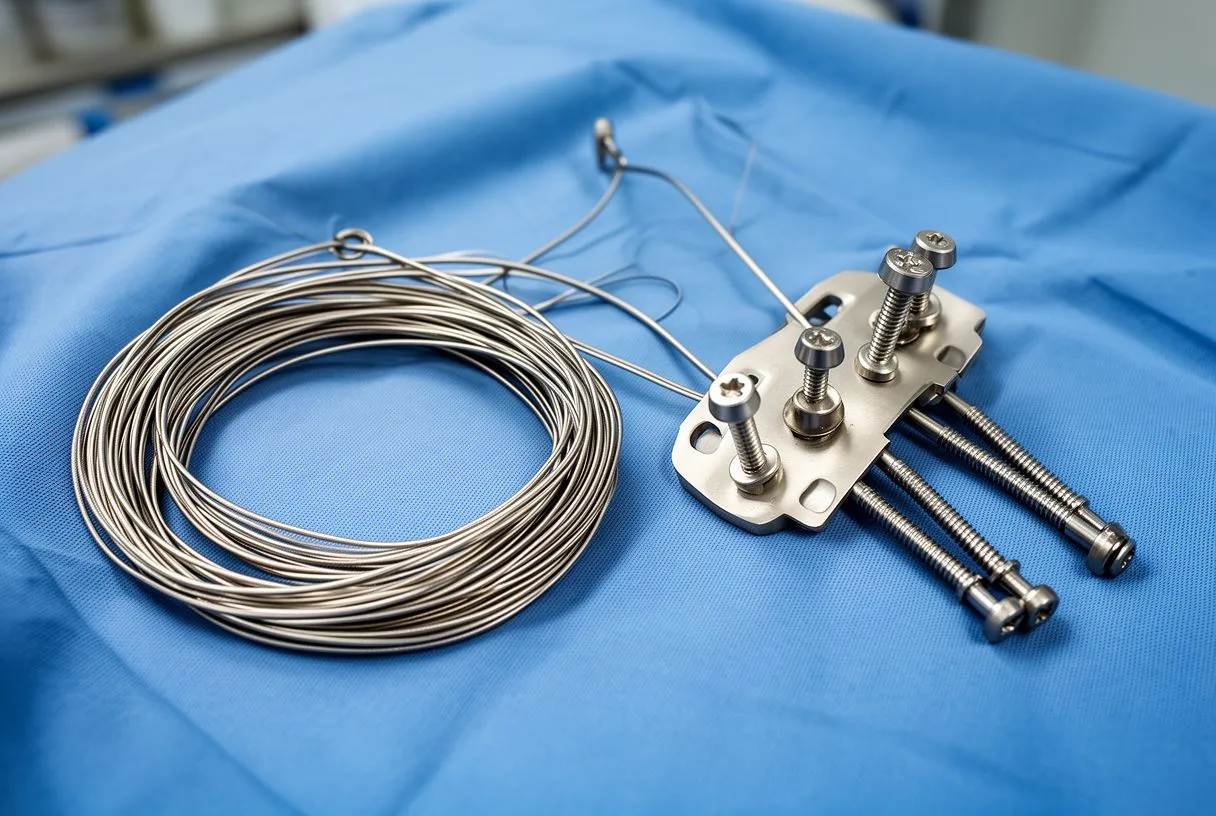
Outcomes and limitations: While plating offers superior stability in complex cases, it is a more invasive procedure, takes longer to apply in the operating room, and is significantly more expensive. For the average patient with a healthy bone structure and a smooth recovery trajectory, traditional sternal wires after surgery remain highly effective, remarkably reliable, and entirely sufficient for ensuring proper chest healing.
Sternal wires MRI safety?
Many patients worry about undergoing future medical scans if they have metal hardware in their bodies. Magnetic Resonance Imaging (MRI) uses incredibly powerful magnets to generate detailed images, which can theoretically interact with ferrous metals inside the body.
Fortunately, the surgical stainless steel used for sternal closure is non-ferrous or only very weakly magnetic, meaning it will not move, twist, or heat up dangerously during an MRI. If you need an MRI for another condition, such as evaluating Atrial Flutter (an abnormal heart rhythm), you can safely proceed. Always provide the radiology team with your surgical history so they can adjust the scanner settings if necessary. To ensure complete safety, keep these points in mind:
- Inform the technician: Always bring your surgical summary detailing the exact hardware used, including the manufacturer if available.
- Expect minor artifacts: The wires may cause some distortion in the image immediately surrounding the breastbone, but deeper structures remain clearly visible.
- No migration risk: Once the bone is fully fused, the wires are trapped in scar tissue and bone, rendering them completely safe from magnetic forces.
- Conditionally safe label: Most sternal wires are rated as MR-Conditional, allowing scans under standard clinical guidelines.
Contrast agents and scans: If your MRI requires contrast, or if you are undergoing different procedures like Balloon Angioplasty (widening a narrowed artery with a small balloon), the imaging uses X-rays rather than magnets. In these cases, the sternal wires will not interfere with catheter navigation or the imaging quality at all.
Flying with sternal wires?
Travel is a major milestone for patients recovering from heart surgery, often marking a return to normal life. A common question during this time is whether cabin pressure or high altitude affects the metallic hardware in the chest.

Airport security and sternal wires: As previously mentioned, the surgical steel is highly unlikely to trigger walkthrough metal detectors. However, if you are selected for a secondary screening, the handheld wand or a pat-down might detect the slight metal mass over your sternum. Cabin pressure and chest comfort: Flying does not affect the structural integrity of the wires or the fused bone. The main medical consideration for flying is your overall cardiovascular health and the risk of developing deep vein thrombosis (blood clots). Surgeons typically clear patients for flight about four to six weeks after surgery, depending on their individual recovery metrics.
Preparing for your flight: Stay well-hydrated, walk around the cabin periodically, and absolutely avoid lifting heavy luggage into the overhead bins to protect your sternum. If you have a history of arrhythmias, discuss medication adjustments with your cardiologist before you travel to ensure your heart rate remains stable and comfortable throughout the journey.
When to seek help for sternal wire pain?
Pain is an expected companion after a sternotomy, but the type and trajectory of that pain tell an important story. Understanding the difference between normal nerve regeneration and problematic hardware pain is vital for a safe recovery.
Normal healing sensations: Itching, localized numbness, and occasional sharp twinges that last only a few seconds are typical signs of nerves waking up and skin healing. Red flags requiring medical attention: Pain that becomes progressively worse over time, pain accompanied by redness or fluid drainage, or a deep, unrelenting ache that does not respond to prescribed medication. If the pain is severe enough to prevent deep breathing or coughing, it can lead to severe lung complications like pneumonia, which must be actively avoided.
Consulting your cardiac team: Never self-diagnose chest pain after open-heart surgery. If you are concerned about your sternal wires, experiencing unusual symptoms, or simply unsure about your recovery progress, the safest step is to book a consultation. Dr Alejandro Molina and the team at Cirugía de Corazón can evaluate your specific situation, review your imaging, and provide the reassurance or intervention you need to heal with confidence.