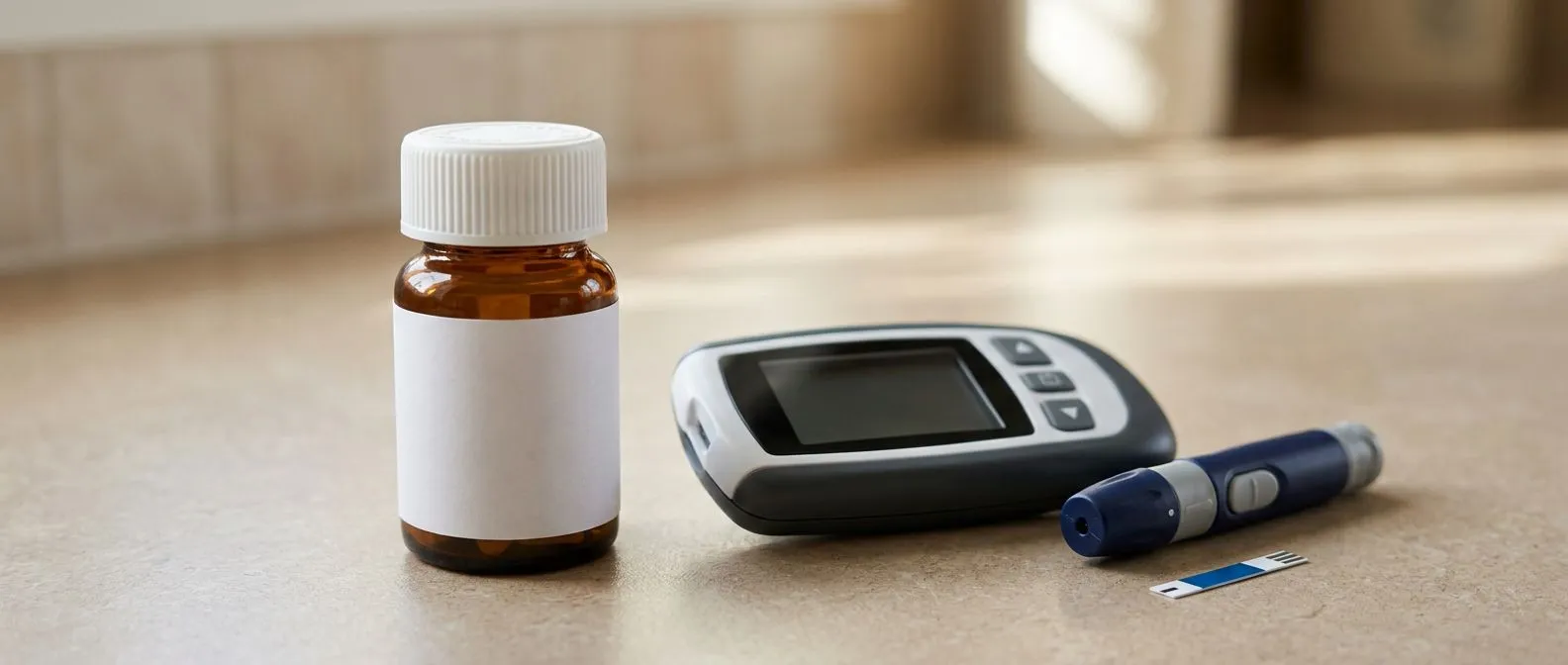
Apixaban After Heart Surgery: Dosing, Bleeding and Safety
Apixaban after heart surgery helps prevent clots safely.
What is Apixaban After Heart Surgery
When you or a loved one undergoes a cardiac procedure, the recovery phase involves careful management to prevent complications. Apixaban after heart surgery is often introduced as a critical medication to prevent dangerous blood clots from forming in the veins or the heart chambers. This is especially relevant if you have an irregular heartbeat like Atrial Flutter, which can pool blood in the Atrium and increase clot risks. By thinning the blood in a controlled manner, apixaban helps ensure that the surgical recovery proceeds without the added danger of a stroke or pulmonary embolism.
Many patients are surprised to learn that blood thinners are necessary even after a successful operation. Whether you have had a valve repair, a bypass, or the insertion of a Balloon-expandable Valve, your body’s natural clotting response is heightened as it heals. Understanding why this medication is prescribed, how it works, and what to expect can relieve much of the anxiety surrounding post-operative care.
Your cardiac team will evaluate your individual risk factors to determine if this medication is the safest option for your situation. It is essential to have open conversations with your surgeon and cardiologist about the expected duration of treatment and how it fits into your overall recovery timeline. Never adjust or stop the medication without their explicit guidance.
How Does Apixaban Work After Cardiac Surgery
Mechanism of action: Apixaban belongs to a class of medications known as direct oral anticoagulants, or DOACs. It works by directly inhibiting Factor Xa, a specific protein in the blood clotting cascade. By blocking this protein, the medication slows down the body's ability to form clots.
Preventing thromboembolic events: After an operation, the risk of clots increases due to inflammation and reduced mobility. If a clot forms and travels to the brain, it can cause a stroke. If it travels to the lungs, it can cause a life-threatening pulmonary embolism. Research compiled by BMJ highlights the importance of effective anticoagulation in high-risk post-operative patients to mitigate these severe cardiovascular events. Your surgeon calculates the lowest risk for your situation by balancing the need to prevent clots against the risk of bleeding.
Unlike older anticoagulants, this medication does not require routine blood draws to check clotting times. This makes post-operative care at home significantly easier. However, it is still vital to attend all follow-up appointments so your care team can monitor your kidney and liver function, which directly affect how your body processes the drug.
When to Start Apixaban After Heart Surgery
The timing of when to begin anticoagulation is one of the most delicate decisions your surgical team makes. Starting too early can increase the risk of post-operative bleeding, while waiting too long leaves you vulnerable to clot formation. Typically, doctors evaluate the balance between your surgical sites healing—such as the Ascending Aorta or incision points—and your underlying risk for clotting.
If you were taking blood thinners before the operation, such as Aspirin or another anticoagulant, the medical team will coordinate a bridging plan. They will assess when it is safe to transition you back to your anticoagulant regimen. The presence of other clinical factors, such as severe hypertension—which, as noted in the Brazilian Guidelines of Hypertension - 2020, significantly impacts cardiovascular risk—can also dictate the exact hour and day the medication is reintroduced.

Your discharge instructions will clearly state when to take your first dose. Always follow this schedule exactly. If you miss a dose, take it as soon as you remember, but never take two doses at the same time to make up for a missed one. Consistent timing helps maintain steady levels of the drug in your bloodstream.
Apixaban Dosing Guide After Surgery
Standard dose protocols: The typical dose for most patients is 5 mg taken twice a day, roughly twelve hours apart. However, dosing is highly individualized. Your cardiologist may adjust this based on your age, body weight, kidney function, and whether you are taking other medications that might interact. A lower dose, often 2.5 mg twice daily, might be prescribed if you meet specific criteria that increase your bleeding risk.
Adjustments for specific patients: Patients who have impaired kidney function require careful dose calibration because the kidneys help clear the drug from the body. If you have recently had an Atypical Infarction or suffer from chronic kidney disease, your medical team will use blood tests to calculate the safest dose. This customized approach ensures the medication remains effective without accumulating to dangerous levels.
It is crucial to understand that dosing is not a one-size-fits-all metric. During your recovery, your condition may change. Do not be surprised if your doctor alters your dose at a follow-up visit based on new lab results. Maintaining open communication with your healthcare provider is the best way to ensure your dose remains appropriate throughout your healing process.
Apixaban Bleeding Risks and Warning Signs
The primary concern with any anticoagulant is the increased risk of bleeding. While apixaban has a strong safety profile, you must be vigilant for signs of internal or external bleeding. Minor bruising is common, but you should seek immediate medical attention if you notice prolonged bleeding from small cuts, frequent nosebleeds, or bleeding gums that do not stop with pressure.
It is vital to distinguish between minor and severe bleeding complications. You should watch for warning signs like unusual Arm Pain, black or tarry stools, pink or brown urine, or coughing up blood. These symptoms can indicate internal bleeding and require emergency intervention. Patients with severe comorbidities face compounded risks; for instance, systemic inflammation and vascular complications, as analyzed in the study Factors associated with COVID-19-related death using OpenSAFELY, demonstrate how fragile the body's hemostatic balance can be under stress.
Because apixaban works quickly to thin the blood, trauma from a fall can be particularly dangerous during recovery. If you experience a head injury, even without immediate symptoms, you must go to an emergency room to be evaluated for internal cranial bleeding. Always inform any treating physician or dentist that you are taking this medication.
Managing Apixaban Side Effects Post-Operatively
Beyond bleeding, some patients experience mild side effects such as nausea, dizziness, or fatigue. These are often temporary as your body adjusts to the medication. Taking the pills with food and water can help reduce stomach upset. If dizziness occurs, stand up slowly from sitting or lying positions to prevent falls.
More severe side effects require immediate medical review. Though rare, some patients may experience severe allergic reactions or liver toxicity. During physical exams, your doctor will perform Auscultation to listen to your heart and lungs, checking for any signs of fluid retention or irregular rhythms that might indicate the medication is causing unintended cardiovascular stress.

Never ignore persistent side effects. If you feel that the medication is making you too ill to function or recover properly, contact your cardiologist immediately. They may adjust the dose, change the timing, or switch you to an alternative treatment. Your comfort and safety during recovery are paramount, and side effects should not be endured in silence.
Apixaban vs Warfarin After Surgery
Warfarin has been the standard blood thinner for decades, but newer direct oral anticoagulants like apixaban offer distinct advantages. One major difference is the lack of dietary restrictions; warfarin interacts heavily with vitamin K found in leafy greens, requiring strict diet monitoring. Apixaban does not have this limitation, making daily life significantly easier for patients recovering from surgery.
Another crucial difference is the need for monitoring. Warfarin requires regular international normalized ratio (INR) blood tests to ensure the blood is thin enough but not too thin. Apixaban has a predictable pharmacokinetic profile, meaning routine INR testing is generally unnecessary. This reduces the burden of frequent clinic visits, a significant benefit for patients traveling long distances for care or managing complex post-operative schedules.
The landmark ARISTOTLE clinical trial demonstrated that apixaban is highly effective at preventing strokes while carrying a lower risk of major bleeding compared to warfarin. This makes it an attractive option for post-operative care. However, the choice between the two will depend on your specific anatomy, surgical procedure, and whether you have mechanical valves, which typically require warfarin.
Apixaban Drug Interactions and Monitoring
While you do not need routine INR checks, you still require monitoring for drug interactions. Apixaban is processed by liver enzymes, and medications that affect these enzymes can alter the concentration of the anticoagulant in your blood. Certain antibiotics, antifungal medications, and other blood thinners can increase bleeding risk, while other drugs might render it less effective.
Always keep an updated list of all medications, including over-the-counter drugs and supplements, and share it with every healthcare provider you see. Even seemingly harmless pain relievers can increase bleeding risk when combined with an anticoagulant. Your pharmacist is an excellent resource to check for interactions when starting a new prescription.

In complex cases involving severe interventions—such as Awake ECMO or the use of an Arterial Line for hemodynamic monitoring—managing anticoagulation becomes even more critical. The medical team must coordinate timing precisely to ensure that diagnostic and therapeutic procedures do not coincide with peak anticoagulant levels, minimizing the risk of procedural bleeding.
Dietary and Lifestyle Tips for Apixaban Patients
Living on a blood thinner requires some practical adjustments to your daily routine. You should use a soft-bristled toothbrush and an electric razor to avoid minor cuts. Be cautious with sharp objects, and wear protective gloves when gardening or working with tools. These small changes prevent minor injuries from turning into prolonged bleeding events.
Alcohol can significantly increase the risk of bleeding while taking apixaban. It is highly advisable to limit or avoid alcohol entirely during your recovery. Additionally, staying hydrated and maintaining a balanced diet supports your cardiovascular health, helping to lower Apolipoprotein B levels and prevent the progression of an Atheromatous Plaque in your arteries.
Physical activity is essential for recovery, but it must be approached carefully. Light walking is excellent, but contact sports or activities with a high risk of falls should be avoided. Consult your surgeon about when it is safe to resume specific exercises or return to work.
Recovering Safely on Apixaban After Heart Surgery
Your journey does not end when you leave the hospital; safe recovery at home is just as crucial. Ensure you have a support system to help you manage your medications and watch for warning signs. Keep your medication in a safe place, away from extreme temperatures, and take it at the same times every day.
- Emergency readiness: Keep your medical information accessible, including a list of your medications, so paramedics or emergency doctors know you are on a blood thinner if an accident occurs.
- Wound care: Monitor your surgical incisions daily for signs of excessive bleeding, redness, or drainage, which could indicate a complication requiring medical attention.
- Follow-up: Never skip your scheduled cardiac rehabilitation and follow-up appointments, as these are vital for assessing your long-term recovery and adjusting your treatment.

While complications from procedures like Balloon Angioplasty or Balloon Aortic Valvuloplasty are managed with careful technique, medication adherence is entirely in your hands. Some patients may require Autologous Blood transfusions during recovery, but even with your own blood, bleeding risks remain a concern on anticoagulants. Always carry an identification card stating you take apixaban. If you experience any alarming symptoms, do not hesitate to contact your healthcare team. To discuss your specific post-operative needs and ensure your recovery plan is optimized for your situation, we encourage you to book a consultation with our qualified cardiac team rather than relying on self-diagnosis.