
Rivaroxaban After Heart Surgery: Uses and Bleeding Risk
Rivaroxaban after heart surgery prevents dangerous clots, but bleeding risk matters.
What Is Rivaroxaban After Heart Surgery?
Rivaroxaban is a direct oral anticoagulant, sometimes called a DOAC, that has become an important option for preventing dangerous blood clots in patients recovering from cardiac procedures. After heart surgery, your body enters a state where clotting risk rises significantly — the surgery itself, the inflammation that follows, and reduced mobility during recovery all contribute. Rivaroxaban works by targeting a specific protein in the clotting cascade, thinning the blood enough to prevent harmful clots while ideally avoiding excessive bleeding. For patients of Dr Alejandro Molina in Guadalajara, Querétaro, and Hermosillo, understanding this medication is essential because decisions about blood thinners after surgery are not one-size-fits-all. Your cardiac team weighs your surgical procedure, your underlying rhythm, your valve type, and your individual bleeding risk before recommending any anticoagulant.
Why cardiac surgery increases clot risk: Major heart operations — whether coronary bypass, valve replacement, or procedures on the ascending aorta — trigger a cascade of inflammatory and clotting responses. Blood vessel injury, artificial surfaces from cardiopulmonary bypass, and days of bed rest all shift the body toward clot formation. Patients who develop atrial fibrillation after surgery face additional stroke risk because blood can pool in the left atrium and form clots that travel to the brain. Rivaroxaban addresses these risks by blocking Factor Xa, a key enzyme that converts prothrombin to thrombin, the final common pathway for clot formation.
Who typically receives rivaroxaban after cardiac procedures: This medication is most commonly considered for patients who develop post-operative atrial fibrillation, those who have had tissue valve replacements, and individuals at elevated risk for deep vein thrombosis or pulmonary embolism during recovery. It is not used for patients with mechanical heart valves — those patients require warfarin, which has a different mechanism and a longer safety track record in that specific population. If you have risk factors such as elevated apolipoprotein B levels or a history of vascular disease, your surgeon may factor these into the decision. Every prescription is individualized, and the choice always reflects the balance between preventing clots and avoiding bleeding complications.
How Does Rivaroxaban Work as a Blood Thinner?
Rivaroxaban belongs to a class of medications called Factor Xa inhibitors. To understand what this means, it helps to picture the clotting cascade as a chain reaction — a series of proteins activating one another, amplifying a small signal into a clot. Factor Xa sits near the end of this cascade, converting prothrombin into thrombin, which then turns fibrinogen into fibrin strands that form the mesh of a blood clot. By selectively blocking Factor Xa, rivaroxaban interrupts this chain at a critical point, reducing the production of thrombin without shutting down clotting entirely. This targeted approach is fundamentally different from older medications that affect multiple clotting factors or vitamin K–dependent proteins.
How this differs from traditional anticoagulation: Warfarin, the anticoagulant used for decades after heart surgery, works by depleting vitamin K–dependent clotting factors and requires regular INR blood tests to keep levels in a narrow therapeutic range. Aspirin, by contrast, prevents platelets from clumping together but does not affect the clotting cascade directly. Rivaroxaban has a more predictable dose-response, meaning most patients take a fixed dose without routine blood-level monitoring. According to the Centers for Disease Control and Prevention, venous thromboembolism affects hundreds of thousands of people each year, and preventive anticoagulation after major surgery is a cornerstone of reducing that burden. The predictable pharmacokinetics of rivaroxaban simplify outpatient management, though this convenience must be weighed against the inability to rapidly reverse the drug in emergency situations using standard approaches.
Why the mechanism matters for surgical patients: After cardiac surgery, the clotting system is in flux. The immediate postoperative period carries the highest bleeding risk, while the weeks that follow bring increasing clot risk as inflammation peaks and activity remains limited. Rivaroxaban reaches therapeutic levels within hours of the first dose, without the several-day delay seen with warfarin. This rapid onset can be advantageous when transitioning from injectable anticoagulants used in the hospital to oral therapy for home recovery. However, the same rapid onset means that timing of the first dose is critical — too early, and surgical bleeding may worsen; too late, and clot protection is incomplete.
When Should You Start Rivaroxaban After Cardiac Surgery?
The timing of when to begin rivaroxaban after heart surgery is one of the most individualized decisions your cardiac team will make. There is no universal rule that applies to every patient, because the balance between bleeding risk and clot risk shifts dramatically over the first days and weeks after surgery. In the immediate postoperative period, the chest is still healing, drainage tubes may still be in place, and the risk of reoperation for bleeding is highest. Most surgeons prefer to wait until chest tube output has decreased, surgical sites are stable, and the patient is mobilizing before introducing an oral anticoagulant.
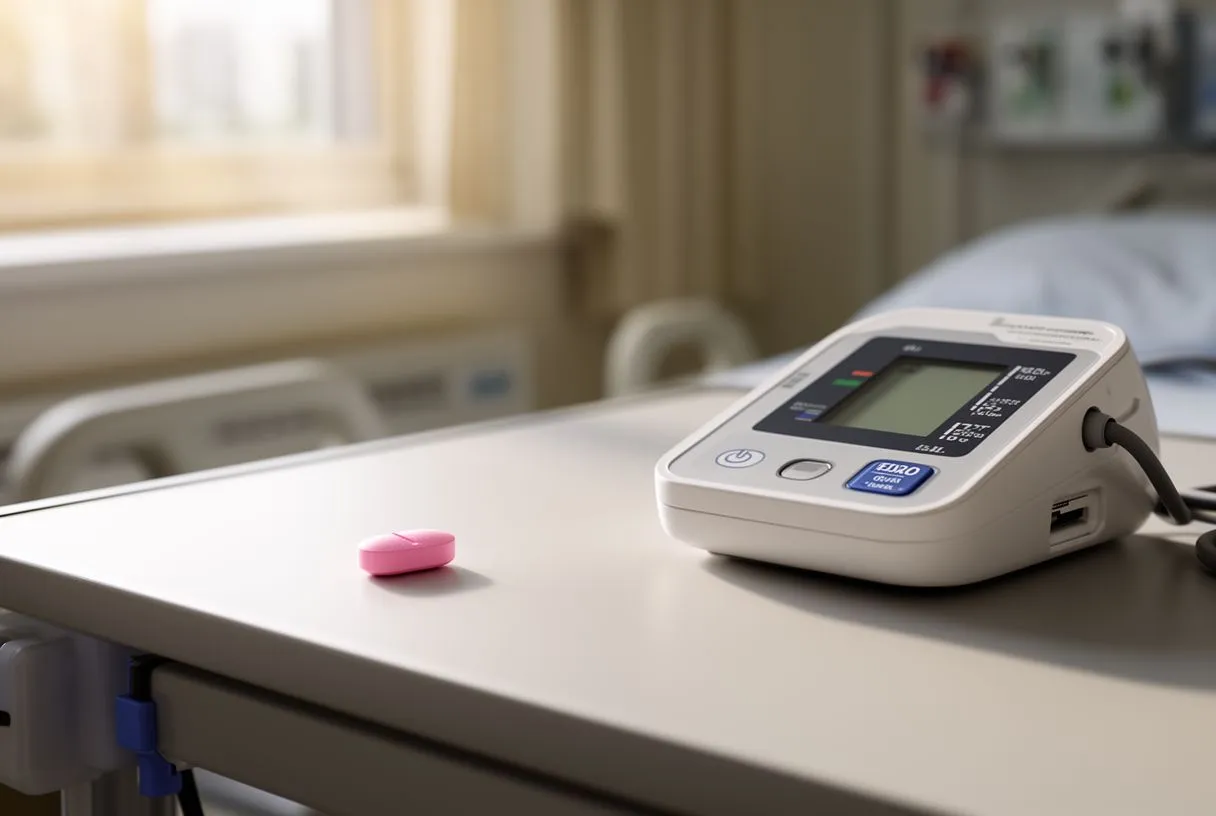
Factors that determine start timing: Your team considers the type of surgery you had, whether you developed post-operative atrial fibrillation, your kidney function (rivaroxaban is partially cleared by the kidneys), and any other medications you are taking. If you were on warfarin before surgery and are transitioning to rivaroxaban, the overlap strategy matters — stopping one too soon or starting the other too early can create dangerous gaps or doubling of anticoagulant effect. For patients who had balloon angioplasty or stent placement alongside surgery, aspirin or other antiplatelet medications may need to be coordinated carefully with rivaroxaban to avoid compounding bleeding risk.
What patients can expect during the transition: In most cases, you will receive injectable anticoagulation — typically low-molecular-weight heparin — in the hospital as a bridge, with oral rivaroxaban introduced once your surgeon confirms that bleeding risk has stabilized. The transition usually happens within the first week, but this varies widely. Some patients with tissue valve replacements may start earlier if atrial fibrillation develops, while those with extensive surgical bleeding may wait longer. Your team will give you a specific start date and dose — do not begin taking rivaroxaban on your own schedule, and do not stop it without consulting your surgeon or cardiologist.
Rivaroxaban vs Warfarin After Heart Surgery
The choice between rivaroxaban and warfarin after cardiac surgery depends on several factors, and understanding the differences empowers you to participate meaningfully in the decision. Warfarin has been used for over six decades, has an extensive safety record in specific populations, and remains the only approved anticoagulant for patients with mechanical heart valves. Rivaroxaban, introduced more recently, offers practical advantages in terms of convenience and predictable dosing but is not appropriate for every clinical situation.

Key differences that affect daily life: The most noticeable difference for patients is monitoring. Warfarin requires regular blood draws to check your International Normalized Ratio, or INR, typically every few days to weekly initially, then monthly once stable. Diet also matters with warfarin — vitamin K–rich foods like leafy greens can affect your levels. Rivaroxaban eliminates routine INR monitoring and has no significant dietary interactions. However, this convenience means you must be disciplined about taking it exactly as prescribed, because there is no blood test that routinely confirms whether your dose is correct.
- Monitoring: Warfarin needs regular INR blood tests; rivaroxaban requires no routine lab monitoring but demands strict adherence.
- Diet: Warfarin interacts with vitamin K intake; rivaroxaban has no meaningful dietary restrictions.
- Onset: Rivaroxaban reaches therapeutic levels within hours; warfarin takes several days to become fully effective.
- Reversal: Warfarin can be reversed with vitamin K; rivaroxaban reversal requires a specific antidote that may not be available in every hospital.
When warfarin remains the right choice: If you have a mechanical heart valve, warfarin is not optional — it is the standard of care. Major trials of DOACs in mechanical valve patients showed worse outcomes compared to warfarin, and rivaroxaban is not approved for this indication. The ARISTOTLE trial, which studied a related DOAC for atrial fibrillation, contributed to the broader evidence supporting DOACs for non-valvular AF, but the mechanical valve population was specifically excluded. For tissue valve replacements and non-valvular atrial fibrillation, rivaroxaban is increasingly used, but the decision always involves a conversation about your specific valve type, rhythm history, and bleeding profile.
Rivaroxaban for Atrial Fibrillation After Surgery
Atrial fibrillation is the most common complication after cardiac surgery, affecting a significant proportion of patients within the first few days to weeks. When the heart's upper chambers — the atria — beat irregularly and often too fast, blood can stagnate in the left atrium, forming clots that may travel to the brain and cause a stroke. Post-operative atrial fibrillation, sometimes called post-cardiac surgery AF, usually resolves on its own within weeks, but while it persists, stroke prevention is essential. Rivaroxaban is one of several anticoagulant options used for this purpose, and its role depends on how long the arrhythmia lasts and what underlying risk factors you carry.

Distinguishing temporary from persistent AF: If atrial fibrillation develops only in the immediate postoperative period and resolves within 48 hours, some patients may not need long-term anticoagulation — but this decision is made by your cardiac team, not by you alone. When AF persists beyond the early recovery window, or when you have risk factors such as high blood pressure, diabetes, or a history of atrial flutter, anticoagulation may be continued for months or indefinitely. Rivaroxaban offers the advantage of rapid onset, which is valuable when AF appears suddenly and stroke protection is needed quickly. The fixed dosing also simplifies the transition from hospital to home, where access to INR monitoring may be limited.
Duration of therapy for post-surgical AF: For many patients, post-operative atrial fibrillation resolves within four to six weeks, and anticoagulation can be discontinued once normal rhythm is confirmed, typically through continuous ECG monitoring or a Holter monitor. However, if AF recurs or persists beyond three months, it may represent a longer-term condition requiring continued therapy. Your cardiologist will reassess at scheduled follow-up visits, reviewing rhythm records, symptoms, and any episodes of atypical infarction that might suggest ongoing cardiovascular stress. Never stop rivaroxaban abruptly — discontinuing anticoagulants without medical guidance can trigger a rebound clotting risk.
Preventing Blood Clots: DVT and Pulmonary Embolism
Beyond atrial fibrillation, one of the most important reasons to consider rivaroxaban after heart surgery is prevention of venous thromboembolism — a category that includes deep vein thrombosis (DVT) and pulmonary embolism (PE). After any major surgery, the body's clotting system is activated, mobility is reduced, and blood flow in the legs slows, creating conditions where clots can form in the deep veins of the calf or thigh. If a clot breaks loose and travels to the lungs, the result is a pulmonary embolism, which can be life-threatening. Cardiac surgery patients are at particular risk because of the length of the operation, the use of cardiopulmonary bypass, and the often-prolonged recovery period.
Rivaroxaban's role in VTE prevention: Rivaroxaban was originally studied and approved for VTE prevention after orthopedic surgery, and that evidence base informs its use in other surgical populations. For patients with additional risk factors — cancer, obesity, older age, or a prior history of clots — the benefit of extended prophylaxis is more pronounced. As discussed in the 5th ESO-ESMO international consensus guidelines for advanced breast cancer (ABC 5), thromboprophylaxis considerations for surgical and cancer patients must be individualized, weighing thrombotic risk against bleeding potential. While these guidelines address oncologic populations, the principle applies to cardiac surgery patients: the highest-risk individuals benefit most from proactive anticoagulation, while those at lower risk may need only early mobilization and compression stockings.
Practical steps during recovery: Rivaroxaban is one tool in a broader strategy that includes walking as early as possible after surgery, staying hydrated, and using compression devices on the legs while in bed. If your team prescribes rivaroxaban for VTE prevention, the duration typically ranges from two to six weeks, depending on your mobility status and overall risk. Patients who experience postoperative respiratory complications may face extended immobility, which increases clot risk — as reviewed in a published report on acute respiratory distress syndrome, such complications can complicate recovery timelines and anticoagulation decisions. Your cardiac team will reassess your risk profile as your recovery progresses, adjusting duration and dosage as needed.
Rivaroxaban Bleeding Risk After Heart Surgery
Bleeding is the most significant risk associated with rivaroxaban, and after heart surgery, this concern takes on added weight. The chest has recently been opened, tissues are healing, and some patients still have surgical drains or fresh incisions when anticoagulation begins. Understanding what bleeding looks like — and when it crosses the line from expected to dangerous — helps patients and families respond appropriately rather than panic at every bruise.

Common vs. concerning bleeding patterns: Minor bruising around IV sites, small amounts of blood when blowing your nose, and light gum bleeding when brushing teeth are relatively common on any anticoagulant and usually do not require emergency attention. However, bleeding that does not stop with pressure, blood in the urine or stool, coughing up blood, or a sudden severe headache — especially after a fall or head injury — requires immediate medical evaluation. Because rivaroxaban does not require INR monitoring, patients sometimes assume the medication is safe and miss warning signs. Your cardiac team should provide a written list of symptoms that warrant urgent attention, and you should keep this list visible during recovery.
Factors that increase your individual bleeding risk: Kidney function is critical, because rivaroxaban is partially cleared through the kidneys — if renal function declines after surgery, the drug can accumulate and increase bleeding risk. Age, low body weight, concurrent use of aspirin or other antiplatelet agents, and a history of gastrointestinal bleeding all raise the risk profile. Your surgeon may use clinical scoring tools such as EuroSCORE II to quantify overall perioperative risk, and this assessment continues to inform anticoagulation decisions during recovery. If bleeding risk is unacceptably high, your team may adjust the dose, delay starting the medication, or choose a different strategy entirely. Open communication about any bleeding you experience — even if it seems minor — helps your team make timely adjustments.
Rivaroxaban Side Effects in Cardiac Patients
Beyond bleeding, rivaroxaban can produce other side effects that cardiac surgery patients should recognize. Some are mild and self-limiting, while others signal a need for medical evaluation. Understanding the full side-effect profile helps you distinguish expected reactions from problems that require prompt attention, and it reduces the anxiety that often accompanies any new symptom during recovery.
Recognizing side effects that need urgent attention: While most side effects are manageable, certain symptoms should never be ignored. The following list outlines warning signs that warrant contacting your cardiac team or seeking emergency care:
- Persistent or heavy bleeding: Any bleeding that lasts more than ten minutes despite firm pressure, or produces significant blood loss.
- Sudden leg swelling or pain: May indicate a blood clot despite anticoagulation, particularly in the calf or thigh.
- Unexpected shortness of breath: Could signal a pulmonary embolism or fluid around the heart and requires immediate evaluation.
- Neurological changes: Sudden confusion, weakness on one side, difficulty speaking, or vision changes may indicate a stroke.
- Severe liver symptoms: Unusual fatigue, dark urine, or yellowing of the skin or eyes, as rivaroxaban is metabolized by the liver.
Managing common, non-emergency side effects: Mild nausea, occasional dizziness, and minor bruising are reported by some patients and usually improve as the body adjusts. Taking the medication with food — particularly the 15 mg and 20 mg doses, which should be taken with a meal — improves absorption and reduces stomach upset. If you experience dizziness, avoid standing up quickly and report it to your team, as it may indicate that your dose needs adjustment. Some patients wonder about the availability of an automated external defibrillator at home — while these devices can save lives in cardiac arrest, they do not address anticoagulant-related complications. Your safety net during rivaroxaban therapy is not a device but a clear plan: know whom to call, know the warning signs, and keep your follow-up appointments.
Monitoring Rivaroxaban During Surgery Recovery
One of the most frequently asked questions about rivaroxaban is whether it requires the same blood-test monitoring as warfarin. For most patients, the answer is no — routine INR testing is not needed, because rivaroxaban has a predictable dose-response at standard doses. This simplifies outpatient management considerably, but it does not mean that monitoring is unnecessary. Instead of tracking a single lab value, your cardiac team monitors you through clinical assessment, kidney function tests, and attention to symptoms.
What your team will monitor: Kidney function is checked regularly, typically through a blood test measuring creatinine and estimated glomerular filtration rate, because declining renal function can cause rivaroxaban levels to rise. Liver function may also be assessed periodically. Your team will perform auscultation — listening to your heart with a stethoscope — during follow-up visits to detect any irregular rhythms, fluid accumulation, or valve sounds that might suggest complications. Blood counts are checked to ensure that hemoglobin is not dropping, which could indicate hidden bleeding. These visits also give you the opportunity to report any symptoms you have noticed, from unusual bruising to changes in energy level.
Building your follow-up schedule: Expect a follow-up visit within the first two weeks after discharge, then again at one month, and subsequently at intervals determined by your surgeon and cardiologist. If you live far from your care team, some interim check-ins may be done by telemedicine, though blood tests will need to be done locally. Bring a complete list of all medications, including over-the-counter products, to every appointment — drug interactions with rivaroxaban are an important consideration, and even herbal supplements can affect bleeding risk. The goal of monitoring is not to create anxiety but to catch problems early, when they are most easily corrected.
For many patients, the practical question of cost and availability is as important as the clinical details. Rivaroxaban is available in Mexico under its brand name and in some generic formulations, though availability varies by region and pharmacy. The cost of anticoagulant therapy is an ongoing expense, not a one-time purchase, and understanding what to expect helps you plan for the full duration of treatment without interruption — because stopping abruptly is dangerous.
Insurance, out-of-pocket costs, and generic options: In Mexico, private insurance coverage for rivaroxaban varies depending on your policy. Some plans cover it fully, others require prior authorization, and some may prefer warfarin as a lower-cost alternative. Out-of-pocket costs for brand-name rivaroxaban can be substantial, and if cost is a barrier, discuss this openly with your cardiac team — alternatives exist, and your surgeon will not know that cost is a concern unless you raise it. Generic versions, where available, may reduce the monthly expense, though you should confirm with your pharmacist that the generic product meets quality standards. Never skip doses or split pills to save money without medical guidance, as subtherapeutic dosing increases clot risk.
If you are traveling to Mexico for cardiac surgery with Dr Alejandro Molina and will return home afterward, coordinate your anticoagulation plan before you leave. Ask your team for a written prescription that you can fill internationally, and confirm the availability of rivaroxaban in your home country. Keep a copy of your medication list, dosing instructions, and emergency contact numbers with you at all times. The decision about which anticoagulant is right for you — rivaroxaban, warfarin, or another option — should be made in consultation with a qualified cardiac team that understands your surgical history, your valve type, your rhythm, and your overall health. We encourage you to schedule a consultation to discuss your individual situation rather than relying on general information alone.
Rivaroxaban cost and access in Mexico
For many patients, the practical question of cost and availability matters as much as the clinical details. Rivaroxaban is available in Mexico, including in some generic formulations, although availability varies by region and pharmacy. The cost of anticoagulant therapy is an ongoing expense, not a one-off purchase, and knowing what to expect helps you plan the whole course of treatment without interruptions, because stopping it abruptly is dangerous.
Insurance, out-of-pocket costs and generic options: In Mexico, private insurance coverage of rivaroxaban depends on your policy. Some plans cover it in full, others require prior authorisation, and some may prefer warfarin as a lower-cost alternative. Out-of-pocket costs for brand-name rivaroxaban can be considerable, and if cost is a barrier, raise it openly with your Heart Team: alternatives exist, and your surgeon will not know that cost worries you unless you say so. Generic versions, where available, can reduce the monthly expense, although you should confirm with your pharmacist that the generic product meets quality standards. Never skip doses or split tablets to save money without medical guidance, because a sub-therapeutic dose increases the risk of clots.
If you are travelling to Mexico for heart surgery with Dr. Alejandro Molina and will return home afterwards, arrange your anticoagulation plan before you leave. Ask your team for a written prescription you can fill in another country, and confirm that rivaroxaban is available in your home country. Carry a copy of your medication list, dosing instructions and emergency contact numbers with you at all times. The decision about which anticoagulant is right for you, whether rivaroxaban, warfarin or another option, should be made together with a qualified Heart Team that knows your surgical history, the type of valve you have, your heart rhythm and your general health. We recommend scheduling a consultation to discuss your particular situation rather than relying on general information alone.
See also: Apixaban after heart surgery: dosing, bleeding and safety.