
Aspirin After Heart Surgery: Why Most Patients Take It
Aspirin after heart surgery protects bypass grafts and valves from dangerous clots.
Why Do Doctors Recommend Aspirin After Heart Surgery?
If you or a family member is preparing for heart surgery, one of the first questions that comes up is the medication list — and near the top of it is almost always aspirin. Aspirin after heart surgery is one of the most consistently prescribed medications in cardiac care, and the reason is simple: it protects the work the surgeon has just done. Every bypass graft, repaired valve, and healing suture line is vulnerable to clotting in the weeks after an operation, and aspirin is the main tool used to keep that from happening.
Your body treats the inside of a repaired blood vessel the same way it treats a cut on your skin. Platelets — the tiny cell fragments in your blood that form clots — rush to the surgical site and begin sticking together. Some clotting is essential for healing. Too much, inside a narrow bypass graft or around a new valve, can block the vessel entirely and undo the operation. Aspirin gently dampens that platelet clumping so blood keeps flowing while the tissue heals.
Every case is reviewed by the multidisciplinary team against international guidelines, and the patient receives a clear proposal with the alternatives before anything is decided. The goal is never to hand you a prescription and hope for the best. It is to explain, in plain words, why each medication is there — and aspirin is usually the easiest one to explain.
How Does Aspirin Prevent Blood Clots After Bypass Surgery?
To understand why aspirin after bypass surgery matters so much, it helps to know what platelets actually do. When they touch a damaged vessel wall — a suture line, a graft junction, or a fatty deposit in an artery — they change shape, release chemical signals, and clump together. That clumping is the first step of every clot.
Aspirin blocks an enzyme inside platelets called cyclooxygenase-1. This enzyme produces a chemical called thromboxane A2, which tells platelets to stick together and blood vessels to constrict. Once aspirin blocks it, the affected platelets lose their clumping ability for the rest of their lifespan — roughly seven to ten days. Because your body makes new platelets every day, a small daily dose keeps this pathway continuously quiet without shutting down clotting altogether.
Why this matters for a new graft: A vein graft taken from your leg or an artery taken from your chest wall is adjusting to new flow patterns and pressures in the first weeks after surgery. Platelets tend to gather at suture lines and branch points, where blood flow changes direction. Keeping platelets from clumping there is what allows the graft to heal into a stable, open pathway. This is why aspirin platelet function — the suppression of platelet clumping — is considered the core protective mechanism, not a side benefit.
What Is Aspirin Mostly Used For After Heart Procedures?
What is aspirin mostly used for in cardiac practice? Three things: preventing clots in newly placed bypass grafts, keeping coronary stents open, and reducing the risk of a second heart attack or stroke in people with established artery disease. After surgery, all three purposes can overlap in the same patient.
Why daily aspirin after stent placement is standard: A stent is a small metal scaffold that holds a narrowed coronary artery open. Because it is a foreign surface inside a living artery, platelets are drawn to it. Patients who take a daily aspirin after stent placement have a significantly lower risk of the stent closing with a clot — which is why the medication is usually started the same day the stent is placed and continues long afterward.
Why aspirin is not the same as ibuprofen: A common question is whether aspirin is just ibuprofen under a different name. It is not. Both belong to the same broad drug family and both block related enzymes, but aspirin does something ibuprofen cannot: it binds permanently to the platelet enzyme, producing a lasting anti-clot effect. Ibuprofen blocks the same enzyme only temporarily and can actually interfere with aspirin's protective effect if taken regularly. This is also why Tylenol is not an aspirin substitute — acetaminophen, the drug in Tylenol, has no effect on platelets at all and offers no protection against clots.
When to Start Aspirin After Bypass Surgery?
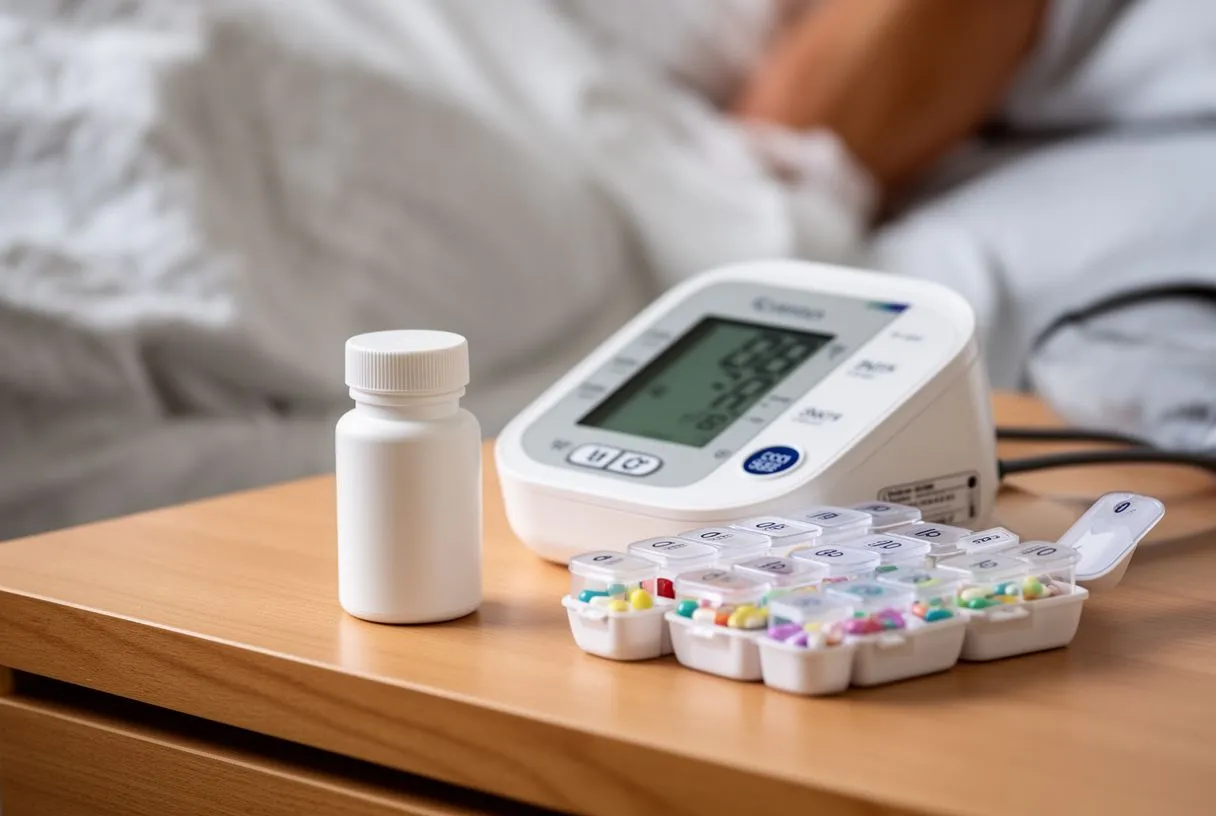
Timing matters. After bypass surgery, most protocols call for aspirin to begin within six hours of leaving the operating room, once the team confirms that bleeding is controlled. Some teams wait until the first morning after surgery, particularly if chest tube drainage was heavy or the patient needed blood transfusions. The question of when to start aspirin after bypass is one of the most studied in cardiac surgery, and the evidence consistently favors early initiation — with the surgeon making the final call based on your bleeding risk.
What if you were already taking aspirin before surgery? Many patients arrive with a daily aspirin already in their routine. They typically resume it on the same schedule as anyone else. If you were on a higher dose before, your surgeon may lower it for the recovery period to balance clot prevention against bleeding from the healing incision.
Why bleeding is checked first: Aspirin is a blood thinner, and giving it while chest tubes are still draining freely can worsen blood loss. That is why the first dose is a deliberate, monitored decision rather than a reflex. Your surgical team will usually review chest tube output and blood counts in the hours after surgery before giving the first dose.
What Is the Right Aspirin Dosage After Heart Surgery?
The most common postoperative aspirin dosage is 81 milligrams once daily — the "low dose" tablet many people know. This dose provides full platelet inhibition for most cardiac surgery patients while minimizing stomach irritation. Higher doses, such as 325 milligrams, were once routine, but they offer no added cardiovascular benefit and carry a higher rate of stomach bleeding.
Should you take aspirin with food or on an empty stomach? Most surgeons recommend taking your daily aspirin with a small amount of food or milk to reduce stomach irritation. Enteric-coated tablets, which dissolve in the intestine rather than the stomach, are an option if you experience discomfort. If you notice stomach pain, dark stools, or heartburn that is new, tell your team rather than switching brands on your own.
Your specific dose can depend on other parts of your history. Patients with recent stents, kidney concerns, or a combined valve-and-bypass procedure may have different instructions. Before discharge, ask your team to explain each medication and to write down every dose with the reason next to it.
How Long Do You Take Aspirin After Open Heart Surgery?
After bypass surgery, most guidelines recommend lifelong daily aspirin unless there is a strong reason to stop. The highest risk period for graft closure is the first year, especially the first three months, but long-term aspirin continues to protect against new blockages in both the grafted vessels and your own coronary arteries. This is why heart surgery recovery medication plans are built around the long view, not just the first month.
How long you continue depends on your whole picture. Here is what your team weighs when deciding on duration:
- Procedure type: Bypass patients usually continue lifelong; some valve patients take it only three to six months if no other indication exists.
- Bleeding history: A previous stomach ulcer or bleed may shorten the duration or prompt adding a stomach-protecting medication.
- Other medications: If you also take warfarin or a direct oral anticoagulant, aspirin may be paused or adjusted to avoid compounding bleeding risk.
- Artery disease: Patients with widespread coronary disease or prior stents usually benefit from indefinite therapy.
If you have questions about stopping or changing your aspirin, raise them before deciding. We encourage second opinions and treat seeking one as a normal part of deciding about heart surgery — including decisions about long-term medication, not just the operation itself.
Aspirin vs Anticoagulants After Surgery: Which Do You Need?
Patients often hear "blood thinner" and assume all such medications work the same way. They do not. Aspirin is an antiplatelet agent: it stops platelets from clumping. Anticoagulants such as warfarin and the direct oral anticoagulants work on a separate system — the clotting protein cascade that builds the mesh of a clot. Understanding the difference between aspirin vs anticoagulant therapy is one of the most useful things a patient can learn before surgery, because it explains why two people with similar operations can go home with different prescriptions.
When aspirin alone is enough: After coronary bypass with vein grafts and no other major risk factors, aspirin alone is usually the standard regimen. The main threat to grafts is platelet clotting at suture lines, and aspirin addresses that directly. Adding an anticoagulant in this situation provides no proven extra benefit and increases bleeding risk — which is why most bypass patients go home on aspirin alone.
When a second medication is added: Patients with mechanical valves, atrial fibrillation, or a recent stent often need both. Mechanical valves, in particular, trigger clotting through both the platelet pathway and the protein cascade, so a stronger anticoagulant is required for life. Your team will explain which combination applies to you, how often your blood needs monitoring, and any dietary considerations such as vitamin K intake with warfarin.
Is Aspirin Safe After Heart Surgery? Risks to Know
Is aspirin safe? For patients with established heart disease — especially after surgery — the benefits clearly outweigh the risks. But it is not risk-free. The main concern is bleeding, most often from the stomach. Aspirin irritates the stomach lining and blocks the protective prostaglandins that normally shield it from acid. The risk is highest in the first weeks after surgery, when other medications may also affect clotting.
Your team assesses your individual bleeding risk before recommending aspirin: your age, kidney function, ulcer history, and any other medications that increase bleeding tendency. If you have had a stomach bleed before, your doctor may add a proton pump inhibitor — a medication that reduces stomach acid — alongside the aspirin. It is worth noting that the way doctors view aspirin has shifted in recent years: for healthy people with no heart disease, routine aspirin for prevention is no longer recommended, as The BMJ has covered in its reporting on the changing primary prevention guidance. For patients after heart surgery, the calculus is entirely different — the proven benefit is what keeps it on the list.
Warning signs that need immediate attention: Minor bruising is common and not alarming. These symptoms are different:
- Black or tarry stools: Possible stomach bleeding that needs urgent evaluation.
- Vomiting blood or material that looks like coffee grounds: Active stomach bleeding — seek emergency care.
- Unexplained severe headache or confusion: A rare but serious sign of bleeding inside the skull.
Aspirin After Heart Valve Surgery and TAVR: What Changes?
Aspirin recommendations differ depending on the type of valve you received. Tissue valves — made from animal tissue — carry a lower clotting risk. Most patients with tissue valve replacements take aspirin alone for three to six months, then may stop if no other indication exists. Mechanical valves, which are durable and last a lifetime, require warfarin for life because blood contacts the artificial surface. Aspirin may be added to warfarin in select cases, especially if you also had bypass surgery.
What about TAVR? If you underwent TAVR — transcatheter aortic valve replacement, a minimally invasive procedure that replaces a narrowed aortic valve through a catheter, usually from the groin — the aspirin protocol typically combines aspirin with a second antiplatelet medication for one to six months, then continues with aspirin alone. The newly implanted valve needs time for your own tissue to grow over its frame, and during that window the clot risk is higher. Our team performs TAVR alongside conventional and robotic procedures, and we recommend the less invasive route only where the evidence supports it for that specific patient — the medication plan follows the same logic.
Patients with rheumatic heart disease — valve damage caused by rheumatic fever, a condition still common in parts of Latin America — have their own considerations. Rheumatic fever itself is treated with anti-inflammatory medicines including aspirin, and preventing recurrent rheumatic fever requires long-term penicillin injections, a therapy that remains underused in many regions. Global Heart published findings from a consultation workshop on improving access to this secondary prophylaxis, underscoring that simple, inexpensive treatments can be hard to reach for the patients who need them most. If rheumatic fever is part of your history, tell your cardiac team — it changes the long-term plan.
Daily Aspirin for Long-Term Heart Patients: Planning Ahead
Knowing when to contact your team is part of managing daily aspirin for heart patients over the long term. If you miss a dose, take it when you remember unless it is nearly time for the next one — do not double up. If you are scheduled for dental work, a colonoscopy, or any procedure that involves bleeding, tell the treating physician you take daily aspirin, because they may ask you to pause it briefly under your surgeon's guidance.
Long-term aspirin therapy works best as part of a coordinated plan. Your cardiac surgeon, cardiologist, and primary care doctor should all know your regimen and any changes to it. If you travel for follow-up, carry your medication in its original packaging and bring a copy of your surgical discharge summary. Any physician you meet can then understand your history without ambiguity.
Every patient's aspirin plan is tailored to their specific surgery, anatomy, and risk profile. What works for one person may not suit another, even after a similar operation. If you have questions about your aspirin dose, duration, or how it interacts with other medications, the most reliable step is to discuss your situation with a qualified cardiac team. The first contact with our team is a free video consultation: we get to know you, talk through your condition, and tell you which studies are still needed so no unnecessary ones are ordered — and a face-to-face visit follows when you decide to go ahead. Rather than adjusting your medication on your own, book a consultation and review your case with a specialist who understands the full context of your heart surgery and recovery.