

Atrial Septal Defect Closure: Device or Surgery
Explore atrial septal defect closure options: device vs. surgery.
What Are Atrial Septal Defect Closure Options
When patients learn they have an atrial septal defect (ASD), often referred to as a hole in the heart, they are frequently faced with overwhelming choices regarding how to fix it. Understanding the available atrial septal defect closure options is the first step toward better heart health. The defect is located in the atrium, the upper chamber of the heart, allowing oxygen-rich and oxygen-poor blood to mix. This creates an extra volume burden on the lungs and the heart over time, which can gradually lead to structural changes if left untreated.
The presence of an ASD is often first suspected during a routine medical evaluation, though definitive diagnosis requires imaging. When a physician performs auscultation, which is the act of listening to the heart with a stethoscope, a characteristic murmur might be detected. This sound, combined with symptoms like shortness of breath or exercise intolerance, typically prompts an echocardiogram. Once the diagnosis is confirmed, the cardiology team determines whether the atrial septal defect requires closure and which method offers the lowest risk for your situation. The decision hinges on the exact size of the defect, its location within the septum, and the patient's overall health.
For many patients, the thought of a heart defect causes anxiety, but modern cardiology offers highly effective methods to repair this congenital issue. The choice between placing a small closure device during a catheterization procedure and undergoing a surgical repair is not one-size-fits-all. Guidelines generally recommend closing the defect when the shunting of blood is significant, often indicated by a pulmonary-to-systemic blood flow ratio greater than 1.5. Every patient deserves a comprehensive plan tailored to their unique anatomy, ensuring that the chosen closure strategy provides long-term benefits without unnecessary complications.
How Does an ASD Closure Device Work
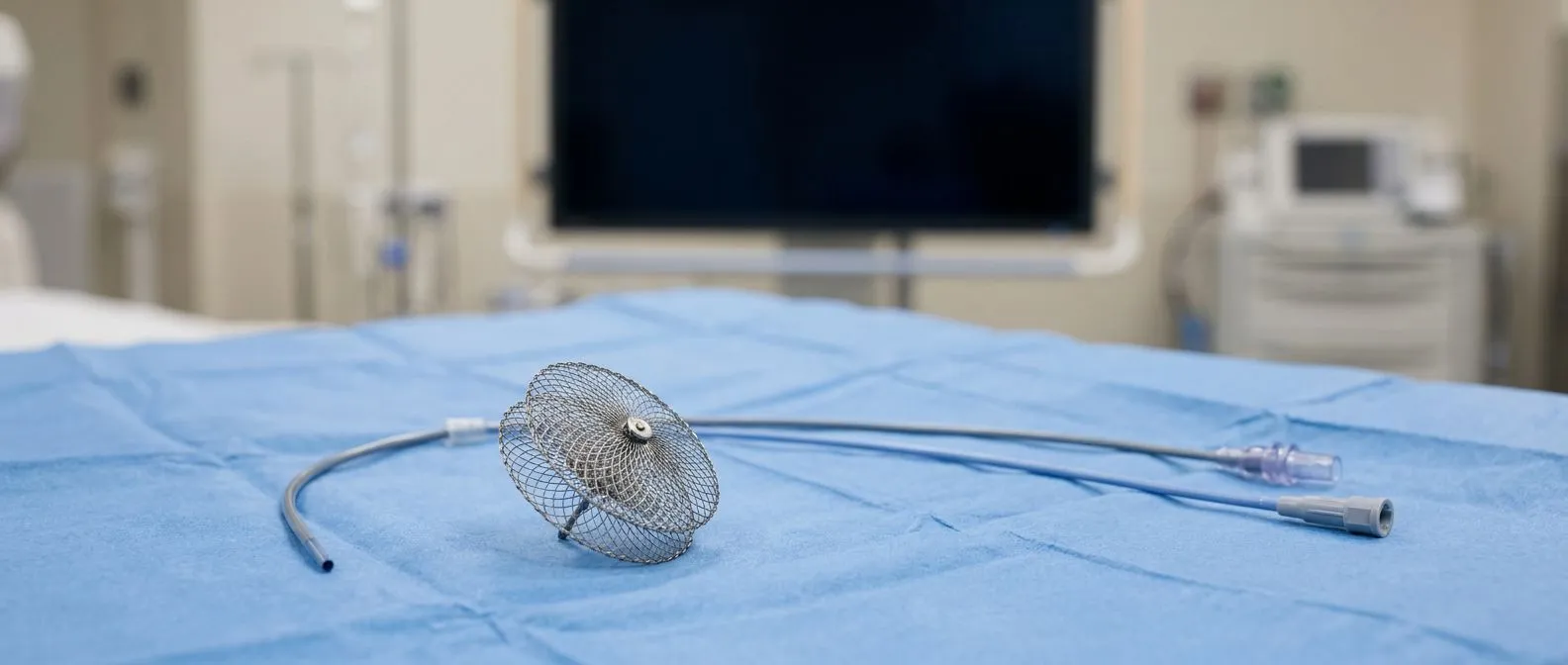
Understanding transcatheter ASD closure: The most common device-based approach involves the insertion of a folded closure mechanism delivered through a vein in the groin and advanced directly into the heart. According to the American Heart Association, this minimally invasive option is highly successful for most patients with a secundum ASD, which is the most common type of this defect. The device, such as an Amplatzer septal occluder, is compressed within a thin catheter and deployed at the site of the hole, expanding to clamp onto the tissue like a miniature double umbrella.
Once the device is in place, the body's own tissue begins to grow over the metal and fabric framework of the occluder, eventually incorporating it entirely into the heart. This effectively seals the abnormal channel between the left and right atrium, normalizing blood flow and preventing the chronic volume overload on the right side of the heart. The procedure is performed in a specialized catheterization laboratory under general anesthesia or deep sedation, avoiding the need for large surgical incisions or stopping the heart.
Following the closure procedure, patients typically receive blood-thinning medications, such as aspirin, to prevent clots from forming on the device while the endothelial tissue heals over it. Rhythm monitoring is crucial because the heart muscle can occasionally experience atrial flutter as it adapts to the presence of the new device. Recovery is rapid, with most patients able to return home within twenty-four to forty-eight hours, making it a highly attractive option for eligible candidates.
Who Is a Candidate for Surgical Repair of ASD
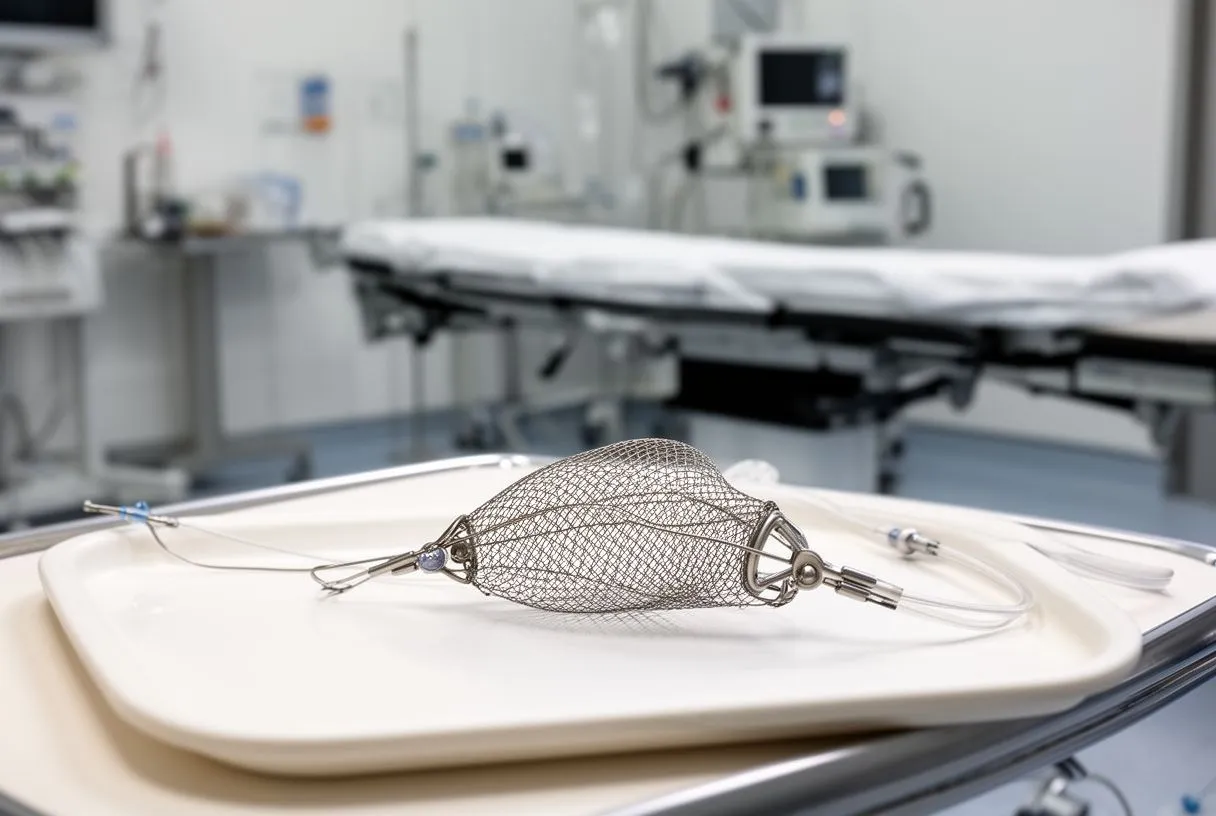
Identifying non-device defects: While device closure is highly effective for secundum ASDs, it is not appropriate for all types of holes in the heart. A primum ASD, located lower in the septum and involving the mitral valve, almost always requires surgical repair rather than a catheter device. Similarly, a sinus venosus defect, located near the entry of the superior vena cava, lacks the complete tissue rims required to safely anchor a closure device.
For these specific anatomical variations, surgical repair offers the advantage of direct visualization and correction of the structural abnormalities. The surgeon can carefully repair associated valve anomalies and reconstruct the atrial septum using a patch of the patient's own tissue or a synthetic material. In some adult patients who also have concurrent rhythm issues, the surgeon might perform a combined procedure, addressing both the anatomical defect and the arrhythmia simultaneously, as explored in clinical contexts where a ‘One Stop’ Therapy has a Satisfying Performance on AF Patients with Interatrial Communication.
Surgical repair is also considered for patients whose defects are too large to be closed with available devices or who lack adequate tissue margins to hold a device securely. In these cases, the cardiac team assesses the patient's overall risk profile using established scoring systems to determine the safest surgical approach. The goal is always to provide the lowest risk procedure for the patient's individual anatomy and medical history, ensuring complete and durable closure of the defect.
Comparing Catheter Closure vs Surgery for ASD
Evaluating intervention methods: When comparing atrial septal defect closure options, the evaluation weighs the benefits of direct surgical correction against those of catheter-based techniques. Both methods aim to stop the shunting of blood and reduce elevated pulmonary pressures, but they differ vastly in their invasiveness and recovery trajectories. The choice depends entirely on the specific anatomical characteristics of the ASD and the presence of any associated cardiac anomalies.
- Catheter Closure: Minimally invasive, leaves no surgical scar, shorter hospital stay, and rapid recovery for standard secundum defects.
- Surgical Repair: Required for complex anatomies, allows correction of associated valve issues, and provides direct visualization of the heart structures.
- Decision Factors: The size of the defect, the adequacy of the surrounding tissue rims, and the presence of other cardiac conditions dictate the chosen path.
Ultimately, a multidisciplinary discussion between cardiologists and cardiothoracic surgeons determines the best pathway. They evaluate the echocardiographic imaging to measure the precise diameter of the defect and the margins available for device anchoring. For borderline cases, the team weighs the immediate but manageable risks of surgery against the potential technical difficulties of forcing a device into an unfavorable anatomy, always prioritizing patient safety and long-term outcomes.
What Is the Recovery Time for Atrial Septal Defect Closure
After catheter closure: The ASD closure recovery time for a transcatheter procedure is significantly shorter than that of open-heart surgery. Most patients are discharged from the hospital the day after the intervention. They are advised to avoid heavy lifting and strenuous activities for a few weeks to allow the puncture site in the groin to heal and the closure device to firmly endothelialize within the heart.
Following surgical repair: Recovery from open-heart ASD surgery requires a longer hospital stay, typically involving a few days in the intensive care unit for close monitoring. The body needs time to heal from the sternotomy and recover from the use of cardiopulmonary bypass, which temporarily takes over the work of the heart and the ascending aorta during the repair. After discharge, a period of several weeks of gradual cardiac rehabilitation is necessary before returning to full normal activities.

Both pathways require close follow-up with echocardiograms to ensure the repair remains intact. Whether a device or a patch is used, there can be minor residual leaks that usually close on their own but must be observed over time. Patients will receive individualized instructions regarding when it is safe to return to work, driving, and sports, with the overarching goal of ensuring the heart has fully healed before enduring physical stress.
What Is the Success Rate of Atrial Septal Defect Repair
Long-term success of interventions: Both atrial septal defect closure options boast high success rates, allowing the majority of patients to return to a normal life expectancy. In transcatheter device closures, the success rate for complete closure is consistently over ninety-five percent. The body tolerates the occluder well, and the ingrowth of tissue over the device completes the seal, effectively eliminating the shunt.
Surgical repair is equally effective, providing a definitive and often permanent closure of the ASD. For patients who undergo treatment early in life or before the onset of severe symptoms, the size and function of the right side of the heart typically return to normal as the volume overload is removed. This reverses much of the physiological strain caused by the defect, improving exercise tolerance and alleviating the shortness of breath that often accompanies the condition.
However, if an ASD is discovered later in life after significant pulmonary hypertension has developed, the success of the procedure is measured more by preventing further deterioration than by completely reversing the damage. This is why timely diagnosis and appropriate closure of the ASD are critical. The long-term management of the repair includes regular cardiac check-ups to monitor the pulmonary pressures and overall heart function, ensuring the intervention remains effective over decades.
Atrial Septal Defect Closure Risks and How They Are Managed
Device-specific potential complications: While transcatheter closure is generally safe, it carries device-specific risks. The occluder could theoretically dislodge from the defect during the procedure, causing an embolism, though this is rare in experienced centers. Other potential issues include pericardial effusion, which is fluid accumulation around the heart, or residual shunting, which requires close observation and sometimes medical management with follow-up imaging.
Surgical risks and complications: Surgical ASD repair carries the standard risks associated with any open-heart procedure, including bleeding, infection, and reactions to anesthesia. Historical perspectives, such as those detailed in the article Atrial septal defect: Its past, present, and future, highlight how surgical techniques have evolved to minimize these risks. Modern approaches utilize advanced cardiopulmonary bypass circuits and refined suturing techniques to protect the heart tissue and ensure optimal outcomes.
Post-procedural arrhythmias are a common concern in both methods. Atrial flutter or premature atrial contractions can occur as the tissue around the device or surgical scar heals. These rhythm issues are typically managed with medications and usually subside within a few weeks or months. Patients are carefully monitored during recovery, and any new palpitations or shortness of breath should be reported immediately to the cardiac team for evaluation.
Adult ASD Treatment vs Pediatric ASD Treatment
Pediatric ASD closure considerations: In children, atrial septal defects are often discovered incidentally or due to mild exercise intolerance. Pediatric cardiologists usually observe smaller defects, as they may close spontaneously as the child grows. If the defect is large or causing symptoms, the atrial septal defect closure options mirror those in adults; catheter-based closure is carefully performed to accommodate the smaller heart anatomy.
Adult presentation and complexity: Adult ASD presentation can be more complex. Years of undiagnosed shunting can lead to right heart enlargement, pulmonary hypertension, and a higher incidence of atrial arrhythmias. Closing an ASD in an adult is not just about closing the hole; it is about preventing progressive right heart failure and managing existing complications that have developed over a longer period of time.
A crucial distinction in adult treatment is the assessment of pulmonary vascular resistance. If an adult has developed severe, irreversible pulmonary hypertension, closing the ASD might be contraindicated because it removes the pop-off valve that decompresses the right ventricle. Therefore, adult evaluations require careful hemodynamic catheterization to confirm that the lung pressures are still reactive and safe for closure before proceeding with any intervention.
Accessing cardiac care in Mexico: For patients considering atrial septal defect closure options, accessing high-quality cardiac care in Mexico offers a viable pathway. Cirugía de Corazón, led by Dr Alejandro Molina, operates in Guadalajara, Querétaro, and Hermosillo, providing specialized care for both local and international patients seeking congenital heart defect repair. The team is highly experienced in evaluating the necessity of device versus surgical interventions.
The logistics of traveling for cardiac treatment are designed to be manageable for patients and their families. International patients frequently inquire about the logistics and expenses associated with heart surgery abroad. While the specific costs depend on the precise procedure required, the length of the hospital stay, and the chosen closure device, the clinic provides transparent estimates for self-pay patients, ensuring there are no hidden fees and allowing families to plan effectively.
Beyond the procedural costs, patients should also consider the expenses related to travel, accommodation, and post-operative follow-up care. The goal is to make the experience of receiving high-quality cardiac care as seamless and supportive as possible.
Cost and access to atrial septal defect closure in Mexico
Access to cardiac care in Mexico: If you are considering options for closing an atrial septal defect, high-quality cardiac care in Mexico is a practical alternative. Cirugía de Corazón, led by Dr. Alejandro Molina, operates in Guadalajara, Querétaro and Hermosillo and offers specialised care to both local and international patients seeking repair of a congenital heart defect. The team has extensive experience in assessing whether a device or a surgical procedure is needed.
The logistics of travelling for cardiac treatment are designed to be manageable for you and your family. International patients often ask about the logistics and expenses involved in heart surgery abroad.
Beyond the cost of the procedure itself, you should also allow for travel, accommodation and postoperative follow-up care. The Cirugía de Corazón team helps you manage these practical aspects and coordinate your trip so that you arrive safely, have the procedure and recover comfortably. The aim is to make your experience of receiving high-quality cardiac care as simple and well supported as possible.
When to Speak With an Atrial Septal Defect Specialist About Closure
Recognizing the warning signs: Knowing when to seek a specialist evaluation is crucial for anyone who suspects they have a hole in the heart or has a known ASD. Symptoms of an unrepaired ASD include unexplained shortness of breath, particularly during exertion, frequent palpitations, or unusual fatigue. If you experience chest heaviness or arm pain accompanied by these symptoms, an immediate cardiac assessment is necessary to rule out other serious conditions and evaluate the defect.
- Routine Monitoring: For known small ASDs, annual check-ups and echocardiograms monitor any progression in size or symptoms.
- Symptom Changes: New shortness of breath, leg swelling, or noticeable irregular heartbeats warrant an immediate consultation with a cardiologist.
- Decision Making: Discussing your atrial septal defect closure options with a specialist ensures you receive evidence-based recommendations tailored to your specific cardiac anatomy.
Managing an atrial septal defect is a journey that requires personalized medical attention. If you or a loved one has been diagnosed with an ASD, speaking with an experienced cardiac team about the appropriate atrial septal defect closure options is essential. We encourage you to reach out to Cirugía de Corazón to schedule a consultation. Our team is dedicated to providing clear, authoritative guidance to help you determine the lowest risk pathway for your situation and achieve better heart health.






