
DOAC Blood Thinners for Older Patients: Safety and Choice
Doac older patients need personalized blood thinner plans.
Choosing the right blood thinner is a major decision, especially for doac older patients managing complex heart conditions. When the heart's rhythm changes, the risk of stroke increases significantly, making effective medication vital. Direct Oral Anticoagulants, known as DOACs, have transformed how we approach this risk, offering a different pathway compared to traditional therapies. Navigating the options requires a careful look at safety, efficacy, and the unique physical needs of aging adults. For families seeking cardiac care in Mexico, understanding these medications helps bridge the gap between complex cardiology and clear, calm decision-making for your loved ones.
What are DOAC older patients options for stroke prevention?
Direct Oral Anticoagulants, or DOACs, are a modern class of medications designed to prevent dangerous blood clots without the need for regular blood monitoring. For doac older patients, these drugs represent a significant shift away from older therapies that required constant adjustments. When an aging heart develops an irregular rhythm, blood can pool in the upper chambers of the heart, specifically the left atrium. This stagnant blood can form clots that might travel to the brain and cause a stroke. DOACs work to interrupt this clotting process safely.
How irregular rhythms increase risk: Conditions like atrial flutter and atrial fibrillation cause the heart to beat erratically, which is the primary reason blood thinners are prescribed. The chaotic electrical signals prevent the heart from pumping efficiently, leaving blood to stagnate. By taking a DOAC, the blood's ability to clot is deliberately slowed, protecting the patient from a devastating stroke. This preventive approach is a cornerstone of modern geriatric cardiology, aiming to maintain quality of life while managing inherent cardiovascular risks.
Selecting the appropriate medication depends heavily on individual health profiles. According to Stanford Health Care, a thorough evaluation of a patient's kidney function, weight, and other medications is essential before starting any anticoagulant. DOACs are generally favored because they do not require the dietary restrictions of older drugs, making them easier for seniors to manage at home. However, they must be prescribed only after a comprehensive review of the patient's specific stroke and bleeding risks.
How do DOAC blood thinners elderly patients take actually work?
Understanding how DOAC blood thinners elderly patients take actually work requires a brief look at the body's clotting cascade. Traditional blood thinners, like warfarin, block the production of several different clotting proteins in the liver. In contrast, DOACs are highly targeted. They specifically inhibit either thrombin or factor Xa, two crucial enzymes responsible for converting soluble proteins into the physical fibers that make up a blood clot. This targeted action makes them highly predictable and effective at preventing clots from forming in the slow-moving blood of a failing heart.
Targeting specific clotting proteins: By focusing purely on these specific enzymes, DOACs maintain a steady effect in the bloodstream. This is particularly important for seniors who may have extensive vascular disease, such as hardened arteries or plaque buildup in the ascending aorta. When an atheromatous plaque ruptures in a major vessel, the body's natural response is to form a massive clot to heal the tear. DOACs keep this response controlled, preventing the clot from growing large enough to block blood flow entirely.
The predictable nature of DOACs means that seniors do not need to visit a clinic frequently for blood tests, a major benefit for those with mobility issues or those living far from their medical center. The medication reaches a stable level in the blood within days of starting the dose, providing continuous protection. This steady-state efficacy allows families to focus on recovery and daily living rather than the logistical hurdles of constant medical appointments, providing peace of mind for both the patient and their caregivers.
DOAC vs warfarin older patients: Which is safer?
The comparison between DOAC vs warfarin older patients is a common discussion in cardiology clinics. Warfarin has been the standard of care for decades, effectively preventing strokes by blocking vitamin K, a nutrient essential for clotting. However, warfarin requires strict dietary management and frequent blood tests to ensure the blood does not become too thin or too thick. For many seniors, combining warfarin with other common medications, like aspirin for joint pain or cardiac events, requires careful monitoring to avoid dangerous bleeding complications.
Key differences in daily management: Choosing between these therapies involves weighing lifestyle impacts against medical benefits. During a routine check-up, a doctor might detect an irregular heartbeat through auscultation, or listening to the heart with a stethoscope, prompting a conversation about blood thinners. The choice of medication depends on how well a patient can adhere to the strict rules of warfarin versus the simplified, yet equally critical, daily routine of a DOAC. Here is a brief comparison of their practical differences:
- Monitoring: Warfarin requires frequent blood tests to check INR levels, while DOACs do not require routine blood monitoring.
- Dietary restrictions: Warfarin interacts heavily with vitamin K-rich foods like spinach; DOACs have no specific dietary restrictions.
- Onset and reversal: Warfarin takes days to build up in the system, while DOACs act quickly, though they require specific reversal agents in emergencies.
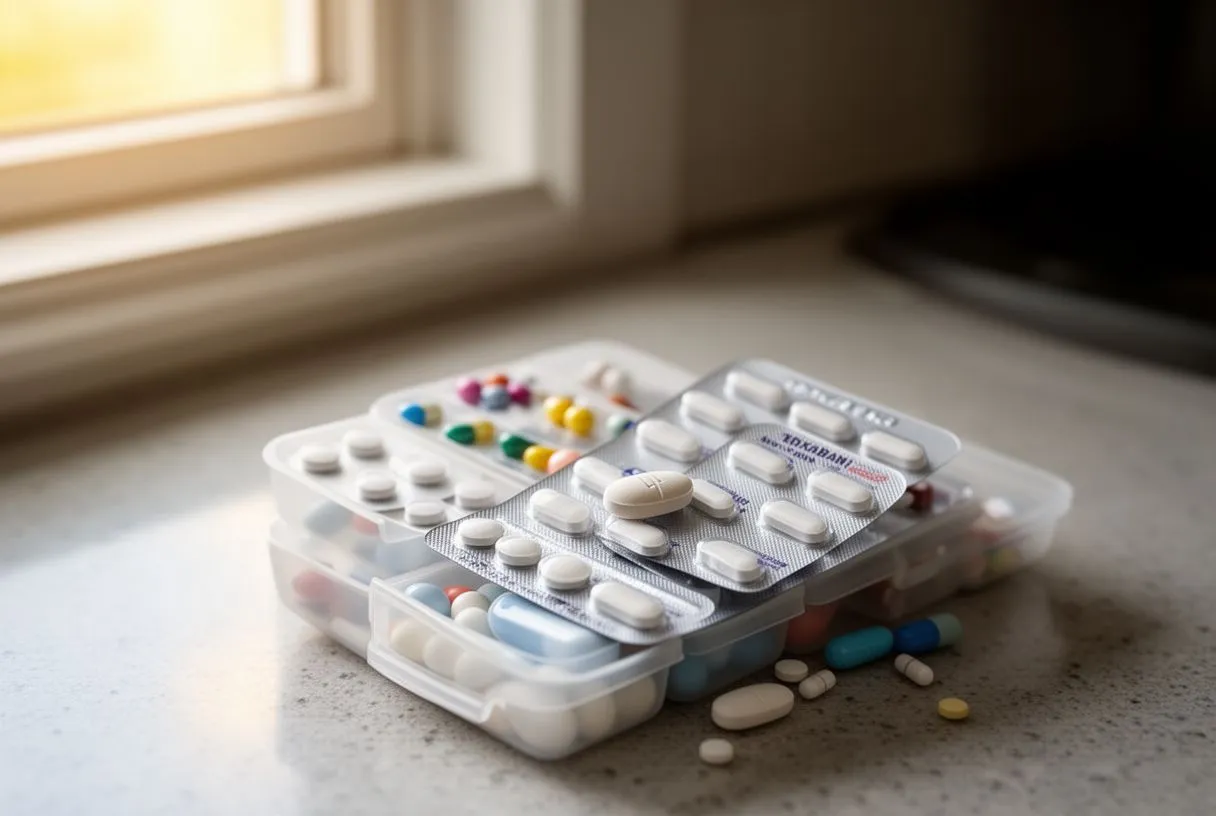
Ultimately, clinical guidelines increasingly favor DOACs for most seniors with atrial fibrillation because they carry a lower risk of serious bleeding in the brain compared to warfarin. However, warfarin remains the best choice for patients with certain mechanical heart valves or severe kidney disease. The decision is never one-size-fits-all; it is a detailed conversation about finding the lowest risk for your specific situation, weighing the evidence against your personal anatomy and lifestyle.
What is the best blood thinner for elderly with atrial fibrillation?
When families ask what is the best blood thinner for elderly relatives with atrial fibrillation, the honest answer is that there is no single universally superior drug. The medical goal is to find the medication that offers the greatest stroke protection with the least bleeding risk for that individual. Older adults often have complex medical histories, which means a drug that works perfectly for one patient might be dangerous for another. Clinicians use specific scoring systems to evaluate stroke risk against bleeding risk before making a recommendation.
Evaluating individual risk factors: A patient's history of previous strokes, high blood pressure, and diabetes all increase the urgency for anticoagulation. However, if a senior has a history of gastrointestinal bleeding or an atypical infarction that complicates their cardiac profile, the choice of drug becomes more nuanced. In emergencies, having access to an automated external defibrillator is vital for sudden cardiac arrest, but preventing the stroke that leads to severe disability is the primary goal of daily medication. Thus, selecting the right DOAC requires balancing these overlapping risks.
Apixaban and rivaroxaban are among the most commonly prescribed DOACs for seniors. Apixaban, in particular, has shown a favorable safety profile in clinical trials for older adults, especially those with reduced kidney function. The ultimate choice depends on the specific dose adjustments needed, the patient's weight, and how their body metabolizes the drug. Dr Molina and his team take the time to explain these differences, ensuring the patient and family understand why one specific medication is chosen over another.
Understanding DOAC bleeding risk elderly populations face
Understanding the DOAC bleeding risk elderly patients face is essential for safe treatment. Because blood thinners deliberately interfere with the body's ability to clot, the most significant side effect is bleeding. For seniors, who may be more prone to falls due to balance issues or frailty, a simple bump can turn into a severe bruise, and an internal bleed might not be immediately obvious. Recognizing the signs of dangerous bleeding and knowing when to seek help is a critical part of patient education.
Recognizing serious bleeding signs: Unusual bruising, prolonged bleeding from minor cuts, or blood in the urine can indicate the blood is too thin. Sometimes, bleeding can manifest as unexplained arm pain if a hematoma forms deep in the muscle tissues. In cases of severe trauma or planned major surgery, doctors might use autologous blood transfusions—reusing the patient's own previously donated blood—to minimize complications while the anticoagulant is temporarily paused. Education on these safety nets helps families manage the anxiety surrounding daily blood thinners.
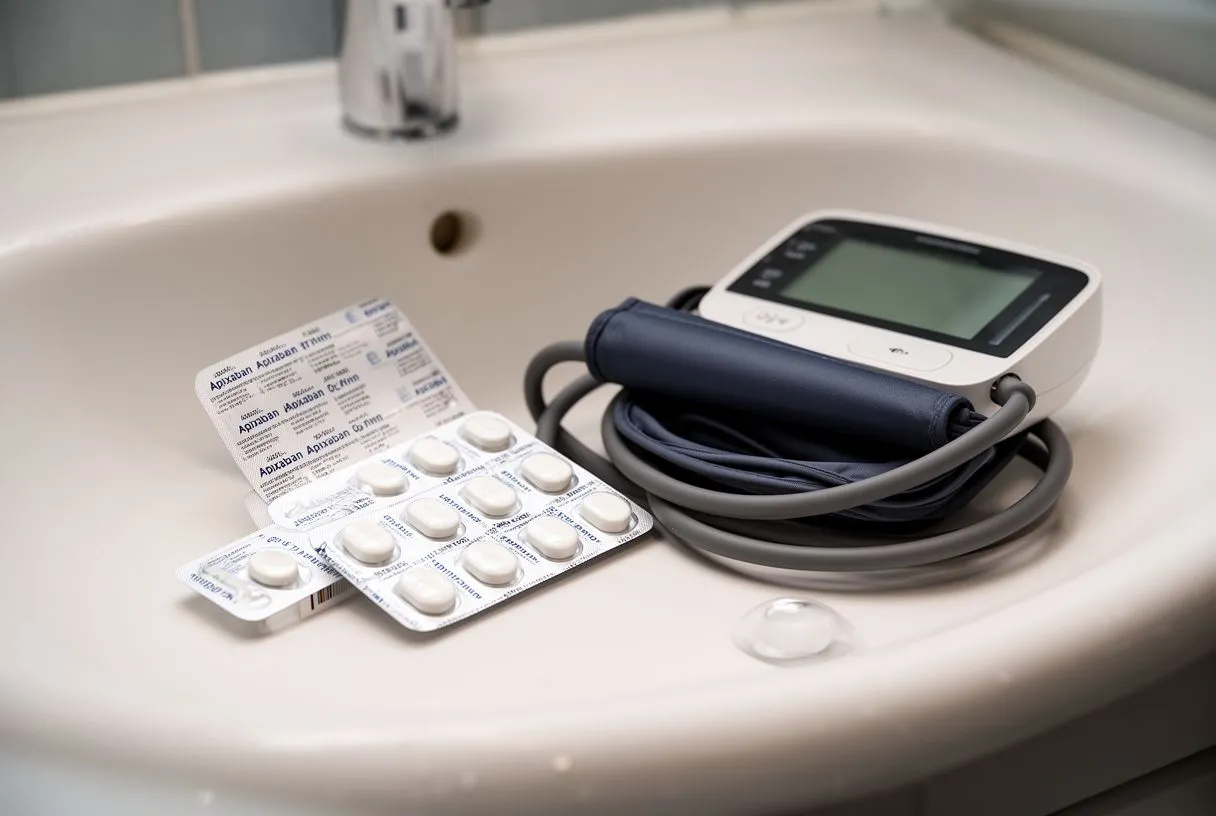
Fortunately, the risk of the most feared bleeding complication—intracranial hemorrhage, or bleeding inside the skull—is statistically lower with DOACs than with traditional warfarin. Additionally, specific reversal agents have been developed for some DOACs, providing doctors with a way to rapidly reverse the medication's effects in a life-threatening emergency. While bleeding risks cannot be eliminated, they can be managed and mitigated through careful dose selection, regular communication with the care team, and practical fall-prevention strategies at home.
Guide to DOAC dose adjustment elderly adults need
A guide to DOAC dose adjustment elderly adults need is crucial because standard adult doses are often too strong for aging bodies. As we age, our kidneys naturally process medications more slowly, and our total body mass changes. Giving a standard dose to a frail 85-year-old could lead to an overdose and severe bleeding, while under-dosing might leave them unprotected from a stroke. Doctors must calculate the precise amount of medication that achieves a delicate therapeutic balance.
Factors influencing your prescription: Adjusting a DOAC dose is not a guessing game; it relies on specific clinical criteria. If a patient is in intensive care and requires an arterial line for blood pressure monitoring, or if they are on awake ecmo (extracorporeal membrane oxygenation, a life support system that can be managed with the patient awake), their blood thinning strategy is incredibly complex. For outpatients, dose adjustments are typically based on the following standard criteria:
- Body Weight: Patients who weigh significantly less than average often require a reduced dose to prevent excessive drug accumulation.
- Renal Function: Kidney health is measured through blood tests; lower kidney function means the drug stays in the body longer, requiring a dose reduction.
- Age: Being over 80 years old is an independent factor that often prompts a lower prescribed dose, especially when combined with low body weight.
Patients must never alter their dose without consulting their cardiologist. Skipping doses or taking half a pill to "be safe" can drastically increase stroke risk by leaving the blood unprotected. Clear instructions matter: older patients should know exactly how many milligrams to take, when to take them, and what to do if they miss a dose. Proper adherence is just as important as the initial prescription.
How does DOAC renal impairment elderly management work?
When exploring how does DOAC renal impairment elderly management work, we must understand the kidneys' role in clearing medications. DOACs are processed by the body in varying degrees, with the kidneys excreting a significant portion of the active drug into the urine. If an elderly patient has chronic kidney disease, their kidneys cannot filter the drug out of the blood efficiently. This causes the medication to build up over time, increasing the risk of a life-threatening bleed.
Monitoring kidney function over time: Managing this requires regular blood tests, such as checking creatinine levels, to estimate the glomerular filtration rate (GFR). For patients undergoing complex vascular procedures, such as those requiring an arterial cannula for oxygenation or those receiving an autograft for bypass surgery, the interaction between kidney function and anticoagulation is meticulously calculated. Recent surgical literature, such as the study on Outcomes of supra-versus infra-renal clamping in elective open aortic aneurysm repair in a tertiary vascular center, highlights how critical renal blood flow management is during major operations, which directly impacts postoperative medication choices.
If kidney function declines significantly, a patient may need to switch from one DOAC to another, or transition back to warfarin, which is cleared differently by the liver. Some DOACs are safer for mild to moderate kidney impairment, while others are strictly not recommended for severe disease. Kidney function should be checked regularly, so that the chosen blood thinner remains safe and effective as the patient's physiology changes over the years.
Common DOAC drug interactions elderly patients should avoid
Being aware of common DOAC drug interactions elderly patients should avoid is vital for safety. Older adults frequently take multiple medications for various conditions, a reality known as polypharmacy. When a DOAC is added to this regimen, it can interact with other drugs, either increasing the blood thinner's effect to dangerous levels or reducing its effectiveness and leaving the patient vulnerable to stroke. A comprehensive medication review is mandatory before starting therapy.
Navigating complex medication regimens: Certain medications used to treat other heart conditions can amplify the effect of DOACs. For instance, strong rhythm-control medications might need to be balanced carefully. If a patient has previously undergone a balloon angioplasty to open a blocked artery, or a balloon aortic valvuloplasty to stretch a narrowed heart valve, they may be on multiple anti-platelet drugs. Combining these with a DOAC significantly raises bleeding risk, requiring the cardiologist to make difficult decisions about which therapies to pause or adjust.

Over-the-counter medications and supplements also pose hidden dangers. Common pain relievers like NSAIDs can irritate the stomach lining and increase bleeding risk when combined with DOACs. Patients must be educated to ask their doctor or pharmacist before taking any new medication, even something as simple as a cold remedy. Open communication about every pill, powder, or supplement a senior takes is the best defense against dangerous drug interactions.
DOAC stroke prevention elderly success rates and guidelines
Examining DOAC stroke prevention elderly success rates reveals a highly effective class of medications. Clinical trials have consistently shown that DOACs are at least as effective as warfarin at preventing strokes in atrial fibrillation, and in many cases, they are superior. They also consistently demonstrate a lower risk of fatal bleeding inside the brain. These established clinical understandings form the foundation of modern cardiology guidelines, which increasingly recommend DOACs as the first-line treatment for most patients.
What the clinical trials demonstrate: Large-scale studies have provided the evidence needed to trust these medications. For example, the ARISTOTLE trial established apixaban as a safe and effective option for seniors. Furthermore, as research evolves to understand the genetic and molecular basis of cardiovascular disease, such as studies that Identifying HIF1A and HGF as two hub genes in aortic dissection and function analysis by integrating RNA sequencing and single-cell RNA sequencing data, our approach to patient-specific anticoagulation continues to refine. Other biomarkers, like apolipoprotein B levels, help clinicians assess overall cardiovascular risk, painting a complete picture of the patient's health.
Guidelines also emphasize using risk scores, such as the EuroSCORE II for surgical patients, to drive clinical decisions. While these scores are primarily used for surgery, the underlying principle of calculating individualized risk applies directly to prescribing blood thinners. By evaluating age, stroke risk factors, and bleeding risk together, a cardiac team can confidently recommend a DOAC, knowing the established data supports its use in protecting elderly patients from life-altering strokes.
Talking to your cardiologist about DOAC for seniors
Talking to your cardiologist about DOAC for seniors is the most important step in this entire journey. Information found online is meant to educate and empower, but it cannot replace a personalized medical evaluation. Every senior's heart is unique, and factors like valve structure, vessel health, and daily habits dictate the safest path forward. Bringing a list of questions and a complete medication inventory to your appointment is the best way to prepare.
Preparing for your consultation: When meeting with Dr Alejandro Molina, be ready to discuss specific concerns about daily life. If a patient has received an arterial graft or is preparing for a transcatheter aortic valve replacement using a balloon-expandable valve (TAVR), the conversation about blood thinners will overlap with their surgical recovery plan. Knowing how the medication will interact with their physical activities, travel plans, and other prescriptions helps the care team tailor the advice specifically to the patient's life, not just their diagnosis.

We encourage you to use this information to start a meaningful dialogue with your cardiac team. Navigating heart health in older age is challenging, but with the right medical guidance, seniors can maintain their independence and quality of life safely. Please do not self-diagnose or change medications based on this guide. Contact us to book a consultation at our practices in Guadalajara, Querétaro, or Hermosillo, and let Dr Molina and his team help you find the safest, most effective blood thinner for your specific situation.