

Balloon Angioplasty
Learn how balloon angioplasty restores heart blood flow, what to expect during recovery, and key risks.
What is balloon angioplasty
Balloon angioplasty is a specialized medical procedure used to open narrowed or blocked arteries that supply blood to the heart. Over time, arteries can become narrowed by a buildup of plaque, a condition known as coronary artery disease. When this plaque restricts blood flow, the heart muscle does not receive enough oxygen, leading to chest pain or increasing the risk of a heart attack. Balloon angioplasty provides a highly effective way to restore blood flow without needing open surgery.
The procedure relies on a small, deflated balloon attached to a thin tube called a catheter. By inflating this balloon at the exact site of the blockage, the doctor gently compresses the plaque against the artery walls. This action widens the vessel and re-establishes a clear pathway for oxygen-rich blood. It is a precise, image-guided technique that has transformed how heart specialists treat blocked arteries.
For patients facing heart procedures, hearing the term balloon angioplasty can be overwhelming. However, it is one of the most common and well-studied interventions in cardiology. It offers a safer, faster alternative to traditional surgery for many individuals. If you or a loved one has been recommended for coronary angioplasty, understanding the basic mechanics can relieve much of the anxiety surrounding the treatment.
How does the angioplasty procedure work
Understanding the angioplasty procedure begins with knowing how doctors access the heart. Rather than opening the chest, the cardiologist makes a tiny puncture in the skin, usually in the wrist or groin. Through this small opening, they thread a thin guide wire and catheter up through the blood vessels directly to the heart. This is usually done under local anesthesia, meaning the patient remains awake but comfortable. During cardiac catheterization, the medical team uses special X-ray imaging to watch the catheter's progress in real-time.
Where the balloon is inflated — Once the catheter reaches the narrowed section of the artery, the balloon is carefully positioned inside the blockage. The doctor then inflates the balloon using a contrast dye, which also helps them see the vessel clearly on the X-ray monitor. The pressure from the expanding balloon pushes the plaque outward, widening the artery channel.
How long the dilation takes — The balloon dilation itself only lasts a few seconds to a minute. The doctor may inflate and deflate the balloon several times to ensure the artery is adequately widened. After achieving the desired opening, the balloon is deflated and gently withdrawn, leaving the vessel clear.
What happens right after — Once the balloon is removed, the doctor evaluates the blood flow through the newly opened artery. If the results look stable, the catheter is removed from the arm or leg, and pressure is applied to the puncture site to prevent bleeding. The patient is then moved to a recovery room for monitoring.
Why is balloon angioplasty used for heart artery blockage
The primary goal of treating a heart artery blockage is to prevent permanent damage to the heart muscle. When an artery is blocked, the tissue it supplies becomes starved of oxygen. If left untreated, this can lead to severe chest pain, known as angina, or a full myocardial infarction. Balloon angioplasty serves as a direct, mechanical solution to this life-threatening problem.
Doctors choose this artery narrowing treatment because it immediately restores blood flow to the affected area of the heart. By widening the vessel, the procedure reduces the workload on the heart and relieves symptoms almost instantly. It is often performed as an emergency intervention during a heart attack to minimize tissue death.
- Emergency use: Quickly opens arteries during an active heart attack to save heart muscle.
- Symptom relief: Reduces chronic chest pain and shortness of breath for stable patients.
- Preventive care: Stops mild blockages from worsening into major cardiac events.
What is a balloon catheter and angioplasty stent
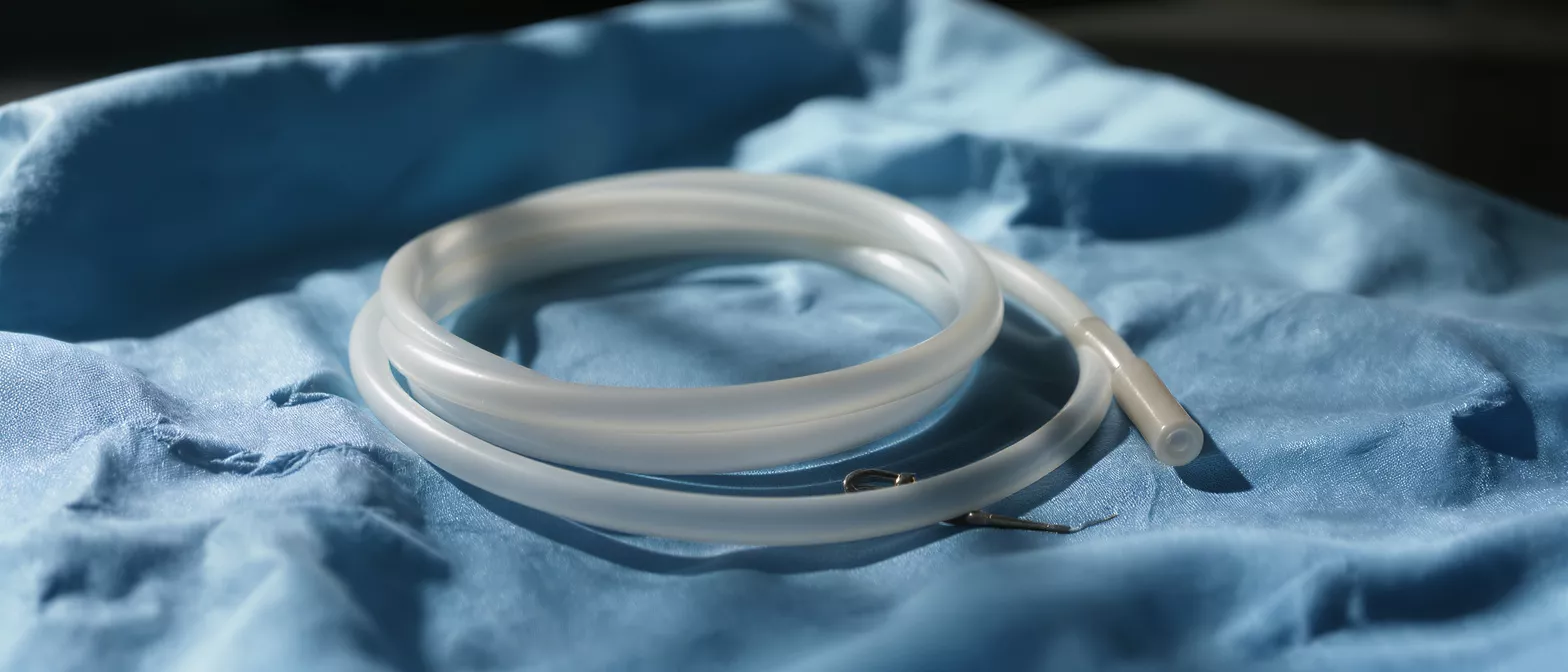
The tools used in this procedure are engineered for extreme precision. The balloon catheter is a long, flexible tube designed to navigate the delicate curves of the cardiovascular system without damaging the vessel walls. It is inserted through a small sheath placed in the radial artery of the wrist or the femoral artery of the groin. Because the catheter follows the natural path of the blood vessels, no large incisions are needed.
In many cases, doctors pair the balloon with an angioplasty stent. A stent is a tiny, expandable wire mesh tube that acts as a permanent scaffold for the artery. The stent is often placed over the deflated balloon. When the balloon is inflated to open the blockage, the stent expands alongside it and locks into place against the artery wall. After the balloon is removed, the stent remains, keeping the vessel propped open.
Stents are crucial because they prevent the artery from collapsing or narrowing again immediately after the procedure. Many modern stents are drug-eluting, meaning they slowly release medication to prevent scar tissue from forming inside the mesh. This combination of a balloon catheter and a stent has become the standard of care for effective blocked artery treatment.
Is balloon angioplasty a minimally invasive heart procedure
Patients often worry about the trauma associated with heart surgeries, but balloon angioplasty is classified as a minimally invasive heart procedure. Unlike traditional bypass surgery, it requires no large chest incisions, no stopping of the heart, and no use of a heart-lung machine. The entire intervention is performed through a needle puncture, making it far gentler on the body.
Because it is minimally invasive, the physical trauma to the patient is significantly reduced. This means less bleeding, a lower risk of infection, and virtually no visible scarring. The body can recover much faster from a single puncture site than from a surgical opening of the chest. This approach makes treatment accessible for older patients or those with other health conditions who might not be strong candidates for open surgery.
Patients who undergo this procedure are often amazed at how quickly they can sit up and resume normal activities. The gentle nature of the intervention allows for a more comfortable experience, both during the procedure and in the immediate hours following it. The medical team continuously monitors heart rhythms and puncture sites to ensure complete safety.
What to expect during balloon angioplasty recovery
Balloon angioplasty recovery is generally rapid and straightforward compared to traditional heart surgery. Most patients stay in the hospital for a brief observation period, usually just one night. During this time, nurses closely monitor the puncture site for any bleeding and check blood pressure and heart rhythm. Patients are encouraged to lie flat for a few hours to ensure the artery heals properly.
First week at home — Once discharged, patients can usually walk and perform light activities within a day or two. It is important to avoid heavy lifting, vigorous exercise, or soaking in baths for the first week to protect the healing puncture site.
Long-term adjustments — Full recovery is quick, but the procedure treats only the physical blockage, not the underlying disease. Patients must adopt heart-healthy habits, such as a balanced diet and regular walking. Cardiologists often recommend cardiac rehabilitation to help patients safely build strength and prevent future blockages. Patients might also ask their doctor about heart health supplements to support their new lifestyle.
Are balloon angioplasty risks and complications common
While balloon angioplasty is very safe, it is still a medical procedure, and understanding potential angioplasty complications is part of being informed. The most common issue is minor bleeding or bruising at the puncture site in the wrist or groin. This is usually minor and resolves on its own with a bit of pressure and rest. Serious complications are rare, thanks to advanced imaging and refined techniques.
One rare risk is that the treated artery could become narrow again over time, a condition called restenosis. This was more common in the past, but the use of drug-eluting stents has dramatically reduced this risk. There is also a very small chance of damage to the blood vessel or an allergic reaction to the contrast dye used during the X-ray imaging.
Doctors take extensive precautions to minimize balloon angioplasty risks. Before the procedure, patients are screened for allergies and kidney function to ensure they can safely process the contrast dye. During the intervention, sterile techniques and precise imaging guide every movement of the catheter. The medical team is always prepared to respond immediately to any unexpected reactions.
Who needs coronary artery disease treatment
Coronary artery disease treatment becomes necessary when plaque buildup severely limits blood flow to the heart muscle. Patients who experience angina, which feels like pressure or squeezing in the chest, are often evaluated for this condition. If medication and lifestyle changes are not enough to control these symptoms, doctors typically recommend angioplasty to physically open the restricted vessels.
Treatment is also urgently needed for patients suffering an acute heart attack. In these cases, a sudden blood clot forms in a narrowed artery, completely blocking blood flow. Emergency angioplasty is the standard treatment to quickly dissolve the clot, open the artery, and prevent irreversible damage to the heart muscle. Quick action is essential to preserve heart function and save lives.
Doctors use various tests, like an angiogram or stress test, to determine if a patient has a blockage severe enough to warrant an intervention. These diagnostic tools show exactly where the blood flow is restricted and how bad the narrowing is. If multiple arteries are blocked, the doctor might discuss whether coronary artery bypass surgery is a better option than angioplasty.
How does blood flow restoration help the heart
Restoring blood flow is the ultimate goal of any cardiac intervention. When an artery is narrowed, the heart muscle starves for oxygen. This deprivation causes chest pain, fatigue, and shortness of breath. By opening the blocked vessel, blood flow restoration delivers the necessary oxygen and nutrients back to the heart tissue.
With a steady supply of oxygen, the heart can beat strongly and efficiently. Patients often notice an immediate improvement in their symptoms after the procedure. Tasks that previously caused exhaustion, like climbing stairs or walking, become manageable again. This restoration not only improves daily quality of life but also protects the heart from long-term structural damage.
Proper blood flow also reduces the strain on the cardiovascular system as a whole. When one artery is blocked, the heart has to work harder to pump blood through alternative pathways. Clearing the blockage normalizes the pressure inside the heart chambers and vessels, which helps maintain a healthy circulation network throughout the body.
Conclusion understanding your treatment options
Facing a diagnosis of heart artery blockage is frightening, but modern medicine offers excellent solutions. Balloon angioplasty is a proven, reliable method to open narrowed vessels and restore the vital blood flow your heart needs. It is a safe, minimally invasive procedure that provides rapid symptom relief and a quick return to normal life. Understanding how the procedure works can ease anxiety and empower you to make confident health decisions.
By combining a balloon catheter with a stent, cardiologists can effectively treat coronary artery disease and prevent future heart attacks. The recovery is generally quick, and the risks are low when performed by experienced medical teams. This treatment does not cure the underlying disease, so maintaining a heart-healthy lifestyle remains essential for long-term success.
If you or a family member is experiencing symptoms of heart disease, seeking prompt medical advice is crucial. Our team in Guadalajara specializes in evaluating and treating complex heart conditions with compassion and expertise. We are dedicated to providing clear information and world-class care to help you navigate your cardiac journey. Exploring advanced cardiac treatment options with a specialist is the first step toward protecting your heart. Consider discussing minimally invasive heart procedures with your doctor, and ask if you might benefit from coronary artery disease therapy to restore your quality of life.






