

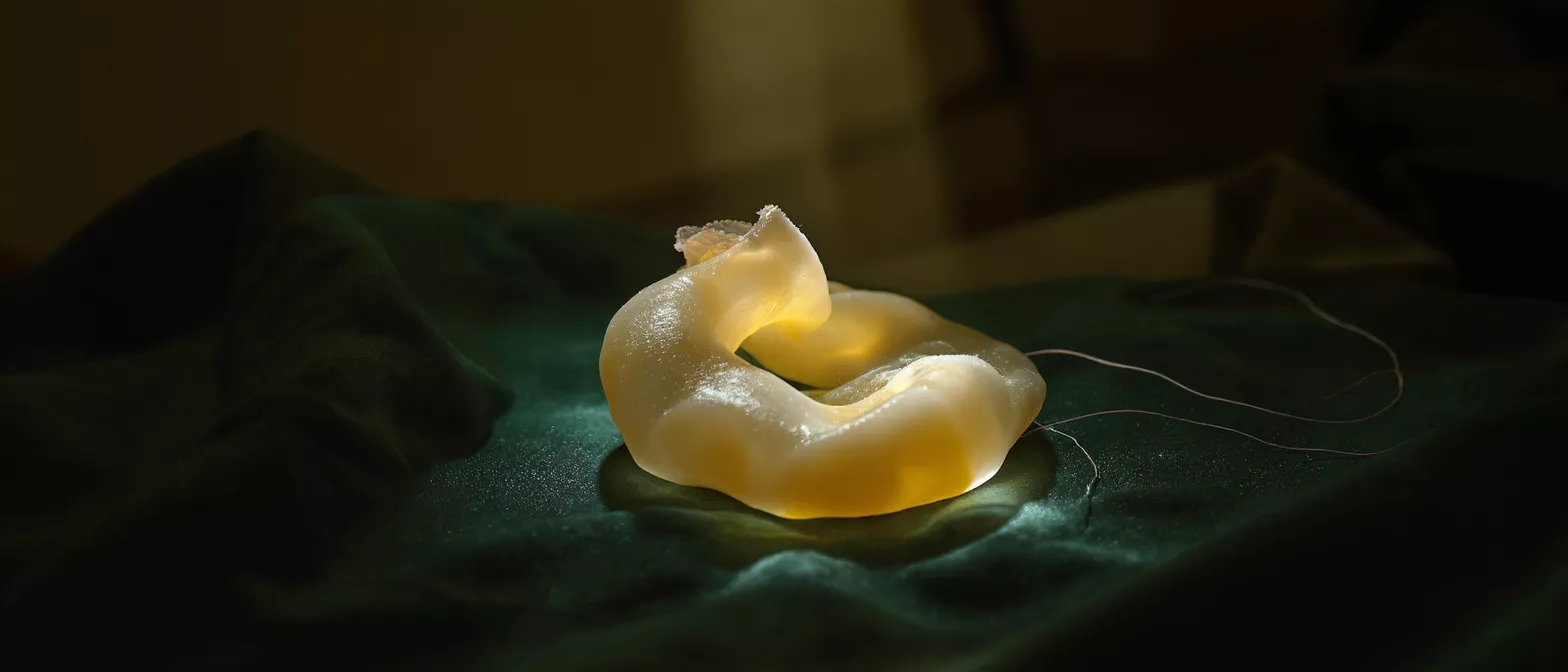
Bioprosthesis
Learn how a bioprosthesis restores heart valve function.
What is a bioprosthesis
A bioprosthesis is a medical device used in heart valve replacement surgery to substitute a diseased or damaged native valve with one made from biological tissue. Unlike mechanical valves constructed from synthetic materials like carbon and metal, a bioprosthetic valve is crafted from treated animal tissue, most commonly cow (bovine) or pig (porcine) pericardium. This biological origin allows the replacement valve to closely mimic the natural opening and closing mechanics of a human heart valve.
Why does a tissue valve matter for heart patients? For a patient facing cardiac surgery, understanding the type of valve being implanted is deeply reassuring. The heart relies on four precise valves to keep blood flowing in one direction. When a valve fails—whether due to stenosis (stiffening) or regurgitation (leaking)—the heart must work significantly harder, leading to symptoms like shortness of breath and extreme fatigue. Replacing that failing valve with a bioprosthesis restores normal blood flow and relieves this immense cardiac strain.
Because the material is biologically compatible, the valve blends seamlessly into the heart's natural anatomy. Surgeons rely on these biological options to provide patients with a safe, effective, and highly functional alternative that helps them return to their daily routines with a restored quality of life.
Bioprosthesis vs mechanical valve which is better
When exploring heart valve replacement options, the choice frequently comes down to a bioprosthesis versus a mechanical valve. Mechanical valves are incredibly durable and designed to last a lifetime, but they require a lifelong regimen of blood-thinning medications (anticoagulants) to prevent dangerous blood clots from forming on the artificial components. Biological valves, by contrast, are highly resistant to clot formation, drastically reducing the need for these strict, lifelong blood-thinner dosages.
How do patients and surgeons choose a biological heart valve? The decision is highly individualized and depends heavily on the patient's age, lifestyle, and overall health. A surgeon will weigh the potential need for a future reoperation (since tissue valves eventually wear out) against the daily management of anticoagulation therapy. For patients who cannot safely tolerate blood thinners, or who value freedom from strict medication schedules, the biological valve is typically the preferred route. For patients needing reliable heart valve surgery in Guadalajara, consulting with a specialist ensures the right choice is made for long-term cardiac wellness.
Ultimately, there is no universally superior option—only the option that best suits a specific patient's anatomy and lifestyle. Understanding this distinction helps patients approach their valve replacement surgery with confidence and clarity.
How does bioprosthesis implantation work
Bioprosthesis implantation is a sophisticated cardiac surgical procedure performed to replace a faulty heart valve with the biological substitute. The surgery is most commonly conducted as an open-heart procedure, where the surgical team carefully accesses the heart, temporarily halts its beating using a heart-lung bypass machine, and meticulously removes the damaged native valve. The new bioprosthetic valve is then secured into the exact anatomical position to restore unobstructed blood flow.
What happens during the tissue valve surgery procedure? Once the native valve is extracted, the surgeon measures the opening to select the perfectly sized bioprosthesis. The biological valve is usually mounted on a flexible frame (stent) or designed to be completely frameless (stentless) to mimic natural blood flow dynamics even closer. The surgical team carefully sutures the device into place, ensuring a tight seal so that no blood leaks around the edges. Before the chest is closed, the surgeon temporarily restores the heart's natural beating and uses imaging to verify that the newly implanted valve is opening and closing flawlessly.
This surgical approach has been refined over decades, offering a reliable and well-tolerated method for addressing severe heart valve disease and giving patients a new lease on life.
Aortic bioprosthesis and mitral bioprosthesis differences
Heart valves operate under vastly different pressures depending on their location in the cardiovascular system. A bioprosthesis can be used to replace either the aortic valve, which controls blood exiting the heart to the rest of the body, or the mitral valve, which manages blood flow between the left atrium and left ventricle. Because the aortic valve handles the highest pressure in the heart, the structural design and placement technique for an aortic bioprosthesis differs from that of a mitral bioprosthesis.
Which cardiac bioprosthesis is right for my condition? The choice depends entirely on which native valve is diseased. Aortic valve replacements are the most common, utilizing biological valves engineered to withstand high-pressure surges. Mitral valve replacements using biological tissue are frequently chosen when repairing the mitral valve is no longer a viable option. Your surgical team will use advanced echocardiograms to determine exactly which valve requires intervention.
- Aortic bioprosthesis: Engineered to handle high-pressure blood flow from the left ventricle to the aorta.
- Mitral bioprosthesis: Designed to regulate blood flow between the heart's left chambers, often chosen when repair is unfeasible.
- Customized sizing: Both valve types are available in multiple sizes to perfectly match the patient's individual heart anatomy.
Bioprosthesis longevity and tissue valve durability
A common question patients ask regarding their new valve is how long the device will last. Bioprosthesis longevity has improved significantly over the past few decades due to advanced tissue preservation techniques and anti-calcification treatments. While mechanical valves can last a lifetime, modern bioprosthetic valves offer impressive durability that suits many patients perfectly for their expected lifespan, particularly those receiving valve replacements later in life.
How long does a bioprosthetic heart valve last? On average, a bioprosthetic valve functions optimally for 10 to 20 years. The lifespan depends heavily on the patient's age at the time of implantation. In older adults, the biological tissue degenerates much more slowly, often lasting the rest of their natural life. In younger patients, the immune system and higher calcium turnover can cause the tissue to stiffen and wear out sooner, requiring a secondary intervention down the line.
Regular follow-ups with a cardiologist are essential to monitor the valve's performance over time. By keeping up with routine echocardiograms, your medical team can spot any subtle changes in valve function long before symptoms arise.
Bioprosthetic valve complications and risks
While valve replacement surgery is highly successful and routinely performed, all surgical procedures carry some level of risk. Understanding potential bioprosthetic valve complications helps patients and their families prepare for recovery and recognize warning signs. General surgical risks include bleeding, infection at the incision site, and adverse reactions to anesthesia. These risks are carefully managed by the surgical and intensive care teams.
What are the long-term risks of a tissue valve? Over time, the main complication associated with biological valves is structural deterioration. As the years pass, the animal tissue can gradually calcify, causing the valve leaflets to become stiff and less mobile, or they may tear, leading to a slow leak. Other rare complications include endocarditis, an infection of the heart's inner lining that can affect the new valve. Maintaining excellent dental hygiene and taking prophylactic antibiotics before certain procedures are standard preventative measures.
Should a bioprosthesis eventually wear out, modern medicine offers less invasive solutions. Many patients are now candidates for a bioprosthetic heart valve replacement procedure where a new valve is threaded inside the old failing biological valve, avoiding the need for another open-heart surgery.
Bioprosthesis anticoagulation requirements
One of the most celebrated advantages of receiving a bioprosthesis is the significantly reduced need for aggressive, lifelong blood-thinning therapy. Mechanical valves require strict daily anticoagulation to prevent clots from forming on the metal components, a regimen that demands frequent blood testing and careful dietary restrictions. Bioprosthetic tissue rarely triggers these aggressive clotting responses, allowing patients a much freer lifestyle.
Will I need blood thinners after valve replacement? Most patients receiving a cardiac bioprosthesis only need anticoagulation for the first three to six months post-surgery, allowing the body to heal and the new valve to integrate into the heart tissue. After this initial healing phase, many patients can transition off strong blood thinners entirely, relying only on daily aspirin therapy to support overall cardiovascular health. This is a massive relief for patients who want to avoid the bleeding risks and lifestyle constraints associated with long-term anticoagulant use.
Your cardiologist will provide a precise medication plan tailored to your specific history, ensuring the perfect balance between preventing unnecessary clots and minimizing bleeding risks.
Bioprosthetic heart valve recovery and lifestyle
Recovery from heart valve surgery is a gradual process that requires patience, dedication, and a proactive approach to physical rehabilitation. Immediately following the implantation of a bioprosthesis, patients spend a few days in the intensive care unit for close monitoring before transferring to a standard hospital room. Once discharged, a carefully structured cardiac rehabilitation program becomes the cornerstone of a successful recovery.
How does life change after a biological heart valve? For the vast majority of patients, life improves dramatically. Symptoms like shortness of breath, chest pain, and chronic fatigue that plagued them before the surgery vanish as the heart pumps efficiently again. Patients are encouraged to gradually return to their normal activities, including light exercise, travel, and hobbies. The freedom from strict anticoagulation monitoring means fewer dietary restrictions and less medical upkeep. Having access to advanced biological valve therapy allows patients to confidently reclaim their active routines without the heavy burden of heart disease.
Embracing a heart-healthy lifestyle by eating a balanced diet, staying lightly active, and attending regular check-ups ensures the new bioprosthesis remains fully functional for years to come.
Are bioprosthetic valves safe for older adults
Safety is a paramount concern for older adults and their families when facing open-heart surgery. A bioprosthesis is generally considered the safest and most effective option for elderly patients requiring heart valve replacement. Because older adults face a higher risk of bleeding complications from long-term anticoagulants, the ability to avoid lifelong blood thinners makes the biological valve the default choice for this demographic.
What are the benefits for older patients? Beyond the reduced medication burden, the tissue valve's slower rate of degeneration in older bodies means the device is highly likely to last for the remainder of the patient's natural life, making it a definitive, one-time fix. This eliminates the physical toll of a secondary open-heart surgery later in life. Furthermore, older hearts often tolerate the implantation of a stented bioprosthesis very well, with the surgery providing rapid symptom relief and a swift return to independent living.
Advanced surgical techniques and enhanced post-operative care have made valve replacement safer than ever for seniors, giving families peace of mind during the medical journey.
Choosing heart valve surgery in Guadalajara
Selecting the right medical team and facility is just as critical as choosing the correct artificial valve. For patients seeking expert cardiac care, Guadalajara has emerged as a leading destination for advanced heart interventions. The region boasts highly skilled cardiovascular surgeons and state-of-the-art hospitals equipped with the latest medical technology, ensuring patients receive world-class bioprosthesis implantation.
How to prepare for your valve replacement procedure? Preparation begins with an in-depth consultation where your surgeon will explain the specific approach, review your imaging, and set clear expectations for your hospital stay. Coming to your consultation with a written list of questions about the type of tissue valve being used, the recovery timeline, and post-operative care can help alleviate pre-surgery anxiety. Trusting your surgical team and understanding the roadmap of your procedure provides immense emotional comfort during a stressful time.
A successful valve replacement is a collaborative effort between the patient and the surgical team. By choosing an experienced specialist, patients can confidently navigate their journey back to cardiac health and an active lifestyle.






