

Composite Graft
Discover how a composite graft works in coronary bypass surgery.
What is a composite graft?
A composite graft is a specialized blood vessel conduit created by connecting two or more different segments of blood vessels together to form a single, longer bypass. In cardiac surgery, surgeons often need to bypass multiple blockages in the coronary arteries. To achieve this, they may piece together different types of blood vessels—such as a section of saphenous vein from the leg and a segment of radial artery from the arm—sewing them end-to-end or side-to-side to reach the necessary length or branching configuration.
Composite graft meaning in coronary artery bypass: The term refers to the fact that the graft is made of multiple parts, much like a patchwork. It is distinct from a simple, single graft, which uses one continuous length of a single vessel. By combining different tissues, the surgical team can customize the conduit to match the patient's specific anatomy and the number of blockages that require bypassing.
This technique allows surgeons to maximize the use of the best available arterial and venous segments. If a patient has limited suitable vessels, creating a composite graft ensures that the heart muscle receives an adequate, restored blood supply, which is the primary goal of any coronary bypass operation.
Why is a composite graft used in heart surgery?
Surgeons choose a composite graft heart surgery approach when a single blood vessel is not long enough to reach the target blockage, or when the patient has a limited number of high-quality vessels available for harvesting. It provides the flexibility needed to navigate the complex anatomy of the heart and reach distant coronary arteries that cannot be reached by a single, short graft.
Bypassing multiple coronary blockages: When several arteries are blocked, a single blood vessel origin can be used to feed multiple bypass routes. The composite structure allows the surgeon to create branches, much like a tree, ensuring that different parts of the heart muscle receive fresh blood flow from one primary source.
Using this method also preserves the patient's other blood vessels. Rather than taking multiple separate arteries or veins from the patient's body, the surgeon can use a single harvesting site and extend it with a composite extension, reducing overall surgical trauma and postoperative discomfort for the patient.
How does a composite bypass graft work?
A composite bypass graft works by providing a new, unobstructed pathway for blood to flow around a severely narrowed or blocked coronary artery. Blood is rerouted from a source vessel, such as the aorta or an internal mammary artery, through the assembled composite conduit, and delivered directly into the heart muscle downstream from the blockage.
Composite graft technique connections: The surgeon uses very fine sutures to connect the different vessel segments. These junctions must be completely leak-proof and smooth on the inside to prevent blood clots from forming. The inner lining of the connected vessels must align perfectly to ensure laminar, smooth blood flow.
Once blood begins flowing through the graft, the pressure of the blood expands the vessel walls. The composite graft functions just like a native blood vessel, delivering oxygen-rich blood to the heart muscle continuously.
Composite arterial graft vs composite vein graft
The difference between a composite arterial graft and a composite vein graft lies in the origin of the blood vessels used. Arterial grafts are taken from arteries, such as the radial artery in the arm or the internal mammary artery in the chest. Vein grafts are harvested from veins, most commonly the greater saphenous vein located in the leg.
Differences in durability and outcomes: Arterial grafts have thicker, more muscular walls and are generally more resistant to the development of late blockages, making them a highly favorable option for long-term patency. Vein grafts are easier to harvest and are often longer, but they may be more prone to narrowing over several years. A composite graft frequently combines both to leverage the unique advantages of each tissue type.
- Arterial segments: Preferred for their long-term resistance to atherosclerosis and excellent patency rates.
- Vein segments: Abundant, easy to harvest, and useful for reaching distant targets on the back of the heart.
- Composite combination: Merges arterial durability with venous length, maximizing available resources for complex bypasses.
Composite graft procedure and surgical technique
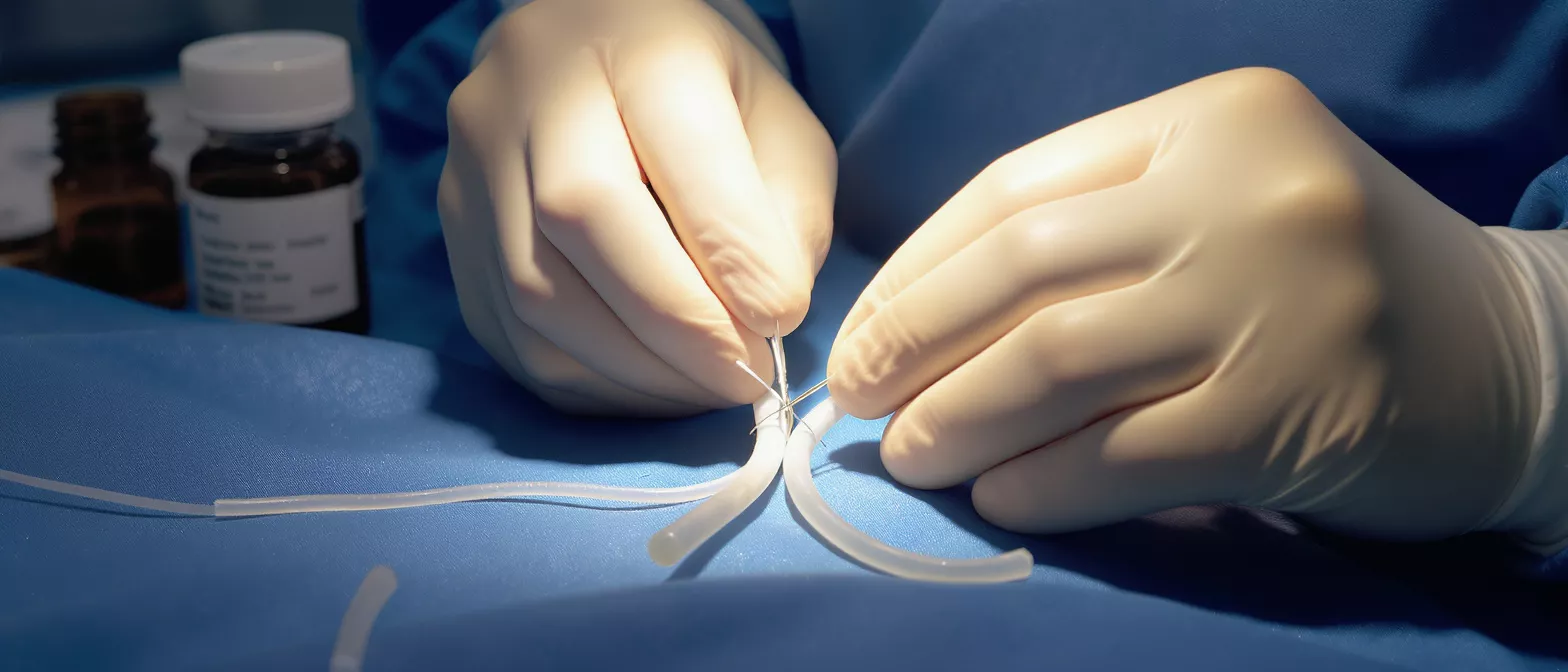
The composite graft procedure requires meticulous surgical planning and precise micro-suturing skills. After the surgeon harvests the required vein or artery segments from the patient, the pieces are brought to the surgical field. The segments are then sewn together to form the composite structure before being implanted into the heart's circulatory system.
Composite graft construction steps: The surgeon first evaluates the caliber and quality of the harvested vessels. The ends of the vessels are cut at precise angles and joined using fine synthetic sutures, often under magnification, to ensure a perfect, seamless connection that will not impede blood flow.
Once the composite graft is assembled and checked for leaks, it is attached to the coronary artery beyond the blockage. The proximal end is then connected to the main blood supply.
Composite graft blood flow and patency
Patency refers to the openness of the blood vessel and its ability to allow unrestricted blood flow. Composite graft patency is a critical factor in the long-term success of coronary bypass surgery. If the junctions between the different vessel segments are not perfectly smooth, turbulent blood flow can occur, increasing the risk of clot formation.
Composite graft blood flow dynamics: The connections where the vessels meet are the most vulnerable points in a composite conduit. Surgeons pay special attention to the geometry of these connections to ensure that blood flows smoothly without hitting any sharp angles or ridges, which could trigger a clotting response or cause the vessel wall to thicken over time.
Regular follow-up with a cardiologist is essential to monitor the long-term patency of the graft. Patients are typically prescribed medications to prevent blood clots and reduce the buildup of plaque in their native arteries.
Composite graft vs single graft outcomes
When comparing a composite graft vs single graft approaches, the outcomes heavily depend on the individual patient's anatomy and the specific blockages present. A single graft uses one continuous vessel, which eliminates internal junction points and the associated risks of connection failures. However, composite grafts allow for complete revascularization when single vessels are insufficient in length.
When to choose a composite approach: Surgeons favor composite configurations in complex cases requiring multiple bypasses from a limited number of available harvesting sites. The ability to branch a single main blood supply into multiple composite segments makes it an incredibly powerful tool for treating diffuse coronary artery disease safely.
Ultimately, both methods aim to restore healthy blood flow to the heart and relieve symptoms like chest pain. The choice between a single continuous graft and a composite structure is made by the surgical team based on the patient's vascular health, the length required to reach the blockage, and the quality of the available vessels.
Are composite grafts safe for coronary bypass?
Yes, composite grafts are a well-established and safe option in modern coronary bypass surgery. Cardiac surgeons have used composite grafting techniques for decades, and ongoing refinements in surgical technology have made the construction of these conduits highly reliable and successful for long-term patient outcomes.
Risks and safety of composite bypass surgery: Like any surgical procedure, coronary bypass carries risks such as bleeding, infection, or graft failure. The specific risk associated with composite grafting is the potential for blockage at the connection sites, but with modern surgical magnification and fine suturing techniques, this risk is heavily minimized.
Patients can feel confident knowing that surgical teams carefully weigh the risks of leaving severe blockages untreated against the proven benefits of surgical revascularization. The composite graft technique is employed specifically to improve blood flow and protect the heart muscle from future damage.
Composite graft recovery and long-term care
Recovery from cardiac surgery involving a composite graft is similar to standard coronary bypass recovery. Patients usually spend a few days in the intensive care unit before moving to a step-down unit. The focus during this time is on stabilizing heart function, managing pain, and ensuring that the newly placed grafts are functioning properly.
Composite graft long-term care: Long-term success depends heavily on the patient's commitment to cardiovascular health. This includes taking all prescribed medications, such as statins to lower cholesterol, and adopting heart-healthy lifestyle changes, including a balanced diet and regular, doctor-approved physical activity.
It is crucial for patients to attend all scheduled follow-up appointments. Stress tests and imaging studies may be used periodically to evaluate the function and patency of the composite graft, ensuring that the heart continues to receive the vital blood supply it needs to thrive for years to come.
Composite graft definition cardiology summary
In summary, a composite graft is a customized, multi-segment blood vessel conduit used in cardiac surgery to bypass blocked coronary arteries. By intelligently combining arterial and venous segments, surgeons can overcome limitations in vessel length and availability, ensuring that all areas of the heart receive an adequate blood supply.
Key takeaways for heart surgery patients: Understanding the definition and purpose of a composite graft helps demystify the surgical process. These grafts are a testament to the surgeon's ability to tailor complex procedures to the unique anatomical needs of each individual patient, ultimately aiming to restore optimal circulation.
While the thought of heart surgery can be overwhelming, knowing that advanced techniques like composite grafting exist to maximize surgical success can provide peace of mind. Discussing any concerns about the procedure, the recovery process, and the expected outcomes with your surgical team is always the best course of action.






