

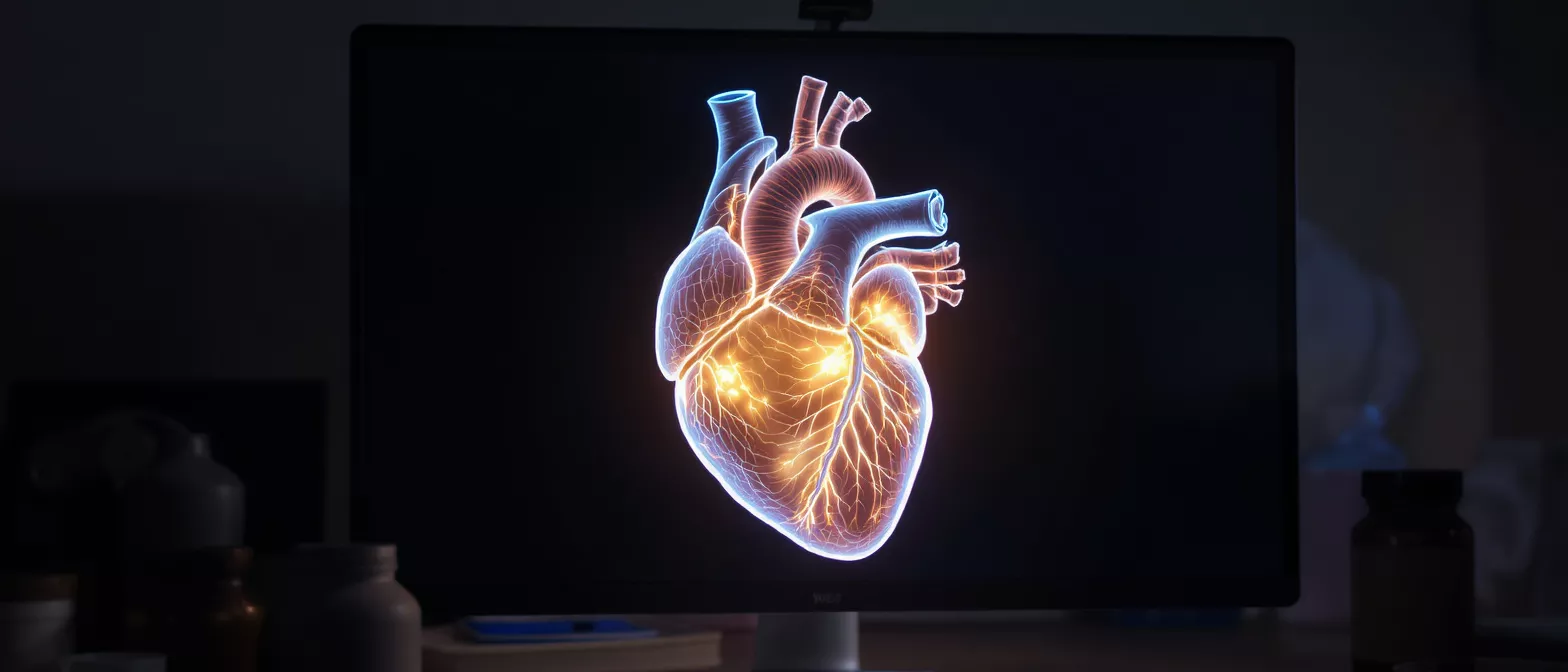
Coronary CT Angiography
Coronary CT angiography detects heart artery blockages without surgery.
What is coronary ct angiography
Coronary ct angiography is a noninvasive heart imaging test that uses advanced computed tomography (CT) technology to capture highly detailed, 3D images of your heart and its blood vessels. If you or a loved one are preparing for cardiac surgery or experiencing symptoms of heart disease, your physician may order this scan to determine if the arteries supplying your heart muscle have narrowed due to plaque buildup. Unlike older imaging methods that provide only a general outline, this modern diagnostic tool offers a precise, high-definition view of the coronary anatomy without making a single incision.
How this scan helps surgical planning: For a heart surgeon like Dr Alejandro Molina, understanding your internal vascular anatomy before you enter the operating room is critical. The images produced during this scan show the exact location, length, and severity of any blockages within the coronary arteries. This allows your surgical team to map out a precise bypass strategy or determine if a less invasive intervention is more appropriate for your specific case.
For many patients, the word angiography brings up images of hospital stays and long recovery times, but that is not the case here. Because the procedure requires no surgical instruments or large needles, you can usually resume your normal daily activities immediately. It is a powerful diagnostic step that provides your cardiology and surgical team with the answers they need while keeping your comfort and safety at the absolute forefront.
How does the coronary ct angiography procedure work
The scanning experience: During the coronary ct angiography procedure, you will lie comfortably on a specialized examination table that gently slides through a large, doughnut-shaped CT scanner. A nurse or technician will place small sticky pads on your chest to monitor your heart rate, ensuring the images are captured clearly between heartbeats. The entire scanning process is remarkably fast, typically taking only a few minutes once the actual scan begins.
To make the arteries stand out brightly on the final images, a contrast dye is administered through a small intravenous line placed in your arm. You might notice a warm flush over your body or a metallic taste in your mouth when the dye is injected, which is an entirely normal sensation that passes quickly. The technologist will ask you to hold your breath for short intervals to prevent chest movement and help capture the clearest possible pictures of your heart.
Once the scan is complete, specialized computer software reconstructs the captured data into a fully interactive, three-dimensional model of your heart. Your cardiologist can rotate this model, zoom in on suspicious areas, and assess the vascular flow with incredible precision. The process transforms raw data into a cardiac diagnostic imaging suite experience, providing a comprehensive view that directly informs your surgical readiness and treatment plan.
Coronary ct angiography vs cardiac catheterization
When comparing coronary ct angiography vs cardiac catheterization, the most significant distinction is the level of invasiveness involved in each technique. Cardiac catheterization requires threading a thin tube through an artery in your groin or wrist directly into your heart, whereas the CT alternative simply requires an IV line in your arm. Because it skips the catheter entirely, the CT angiography method carries a lower risk of bleeding complications and requires zero recovery time.
When each test is typically used: Your medical team will choose the right test based on your symptoms and medical history. CT angiography is excellent for ruling out blockages in patients with moderate risk factors or unclear chest pain. In contrast, cardiac catheterization remains the gold standard if your doctor already strongly suspects severe arterial disease and might need to place a stent to open a blocked artery immediately.
It is helpful to view coronary artery disease screening as a step-by-step process. Your doctor may start with a noninvasive scan to gather information safely and quickly. If that scan reveals a complex issue that requires physical intervention, your surgical team will move forward with the more invasive catheterization method as a therapeutic step rather than just a diagnostic one.
Who needs a noninvasive heart imaging test
Patients experiencing ambiguous symptoms: A physician will often recommend a noninvasive heart imaging test when a patient reports chest tightness, shortness of breath, or unexplained fatigue, but the exact cause remains unclear. The scan efficiently distinguishes between heart-related issues and non-cardiac problems, preventing unnecessary stress and anxiety. It is a reliable method to confirm whether your symptoms are truly linked to a restriction in blood flow to the heart muscle.
Individuals with a strong family history of heart disease, diabetes, or high cholesterol may also be excellent candidates for this imaging approach. By proactively examining the coronary arteries, your cardiologist can detect plaque buildup at an early stage, long before it triggers a major cardiac event. Early detection empowers your medical team to intervene with medication or lifestyle adjustments, potentially preventing the need for emergency surgery in the future.
For patients already scheduled for a cardiovascular procedure, this scan acts as a vital roadmap. It shows the surgeon exactly where the healthy tissue is located and where the vascular disease is most concentrated. You can support your overall diagnostic and treatment journey by utilizing a noninvasive cardiovascular health screening to establish a clear baseline before any surgical intervention is planned.
Heart artery blockage detection explained
Heart artery blockage detection is the primary goal of this imaging test, as plaque accumulation restricts the vital oxygen supply to your heart muscle. The contrast dye highlights your blood vessels on the scan, allowing your doctor to see exactly where the flow narrows. If an artery is significantly blocked, your heart surgeon will use these detailed images to determine whether a bypass or another intervention is necessary.
What the scan reveals about your arteries: The clarity of this technology allows medical professionals to identify both hard calcified plaque and soft non-calcified plaque. Soft plaques are particularly dangerous because they are vulnerable to rupturing, which can cause a sudden heart attack without prior warning. Identifying these hidden dangers before you reach the operating room gives your surgical team a significant advantage in planning a safe and effective procedure.
- Exact Location: Pinpoints the precise segment of the artery that has narrowed, guiding the surgeon to the problem area.
- Severity of Stenosis: Measures exactly how much the blood vessel has narrowed, indicating the urgency of medical or surgical intervention.
- Plaque Composition: Determines whether the buildup is hard and stable or soft and prone to causing acute cardiac emergencies.
By thoroughly understanding the nature and location of the blockage, your cardiology team can tailor a treatment plan to your specific anatomy. This personalized approach ensures the highest possible chance of a successful surgical outcome and long-term heart health.
How to prepare for coronary ct angiography
Dietary and medication guidelines: Knowing how to prepare for coronary ct angiography helps ensure the scan results are as accurate as possible. You will typically be asked to avoid consuming food and drinks for four to six hours before your scheduled appointment time. Additionally, your doctor might instruct you to avoid caffeine for twelve hours prior, because stimulants can elevate your heart rate and blur the sharp images needed for a clear diagnosis.
Before the test, your medical team will review your current prescriptions to ensure no interactions will occur with the contrast dye or medications used to steady your heart rate. It is crucial to inform your doctor if you have a history of allergic reactions to iodine or contrast materials, as preventive medications can be prescribed. You will also be asked to wear loose, comfortable clothing and remove any metal jewelry that might interfere with the CT scan technology.
Feeling anxious before a medical test is completely normal, especially when it concerns your heart. If you are feeling nervous, practice slow, deep breathing exercises while you wait for the scan to begin, and remember that this is a quick, painless step designed to protect your long-term health. The more relaxed you are, the better the imaging results will be.
Coronary calcium score test and its role
A coronary calcium score test is frequently discussed alongside CT angiography, but it serves a slightly different purpose in cardiac care. This quick scan measures the total amount of hardened calcium present in your coronary arteries, providing a numerical score that indicates your overall risk of developing severe heart disease. It is an excellent early warning system for patients with moderate risk factors who have not yet developed any physical symptoms.
Differences between the two scans: The calcium score provides a broad risk assessment, while angiography provides a detailed structural view of the blood flow. Think of the calcium score as a security check at the door, while the angiography is a thorough search of the entire building. If your calcium score is elevated, your doctor will likely recommend proceeding with the detailed angiography to get a closer look at the arterial walls.
Both scans work together to give your cardiology team a complete picture of your heart health. The calcium score helps stratify your long-term risk, while the angiography identifies immediate, surgically relevant blockages. Understanding how these diagnostic tools complement each other can ease your mind as you move through the necessary steps of evaluation.
Coronary ct angiography risks and side effects
Common side effects to expect: When weighing coronary ct angiography risks and side effects, it is reassuring to know that this procedure is generally very safe for most patients. The most common complaint is a warm sensation or mild flushing when the contrast dye enters the bloodstream. Some patients experience a metallic taste or a sudden urge to urinate, but these temporary effects fade quickly once the scan is complete.
Because the scan uses x-ray technology, you are exposed to a small, carefully controlled amount of radiation. However, modern CT scanners are designed to minimize this exposure while still capturing high-resolution images of your heart. If you have a history of kidney disease, your doctor will carefully evaluate your kidney function before administering the contrast dye, as your kidneys are responsible for filtering the material out of your system.
In rare cases, patients may experience an allergic reaction to the contrast material. If you feel any itching, hives, or shortness of breath during or immediately after the scan, notify the medical staff instantly so they can provide appropriate treatment. Your healthcare team is fully trained to handle any adverse responses, ensuring your absolute safety.
Understanding your coronary ct angiography results
How your doctor interprets the images: Understanding your coronary ct angiography results begins with a radiologist or cardiologist carefully reviewing the three-dimensional images of your heart. They look for areas where the contrast dye flows freely, indicating healthy arteries, and areas where the dye narrows, revealing plaque buildup. A normal result means your coronary arteries are clear, which can provide immense relief and peace of mind for you and your family.
If the scan reveals a blockage, your doctor will grade the severity of the narrowing to determine your next steps. Mild narrowing is often managed with medications and lifestyle adjustments, while severe blockages might require surgical intervention or a stent. Your surgical team will explain exactly what the images show, using the visual model to point out the specific areas of concern in plain, understandable language.
- Clear Arteries: No significant plaque or narrowing detected, indicating a low risk of immediate cardiac events.
- Mild to Moderate Disease: Some plaque is present, usually managed with medications and dietary changes.
- Severe Blockage: Significant narrowing that may require surgical bypass or stent placement to restore blood flow.
Having these clear results allows Dr Molina and his surgical team to make confident, informed recommendations. Whether the outcome is a clean bill of health or a scheduled procedure, you will know exactly where you stand and what steps to take next for your well-being.
Where to find the best cardiac imaging center Jalisco
When seeking diagnostic care, finding the best cardiac imaging center Jalisco has to offer ensures you receive the highest quality images and the most accurate interpretations. A dedicated facility will have the latest multi-detector CT scanners capable of capturing the heart in a single heartbeat, minimizing motion blur and reducing radiation exposure. Choosing a specialized cardiac center means your scans are read by experts who focus exclusively on heart health.
Connecting your scan to surgical care: For patients in Guadalajara and the surrounding areas, having your imaging done at a center closely connected to your surgical team is a major advantage. It supports seamless communication between the radiologist and your surgeon, helping ensure no detail is lost in translation. If you are planning a cardiac procedure, consider using a specialist referral for cardiac imaging to bridge the gap between diagnosis and treatment.
Ultimately, coronary ct angiography is a powerful tool designed to keep you informed and safe as you navigate your heart health journey. By providing a clear, detailed picture of your heart without surgery, it empowers you and your medical team to make the best possible decisions for your future. Trust in the technology and your dedicated medical professionals to guide you toward a successful outcome.






