

Incidental Finding
An incidental finding in cardiology can reshape surgical care.
What is an incidental finding in cardiology
An incidental finding is a discovery made during medical testing or surgery that is completely unrelated to the original reason for the examination. In the context of cardiac care, this means that while your surgical team is evaluating or treating a known heart condition, they encounter an entirely unexpected issue. This discovery is not a complication of the procedure itself, but rather a separate physical characteristic or condition that happens to be present at the same time.
Why this matters to a heart surgery patient: Finding something unexpected can feel alarming, especially when you are already facing the stress of a major operation. It is important to understand that these discoveries are actually quite common in modern medicine. Because cardiac imaging and surgical techniques provide such a detailed, high-definition view of the chest, surgeons and anesthesiologists frequently identify variations in anatomy that might otherwise have gone unnoticed for years.
Receiving an incidental diagnosis does not necessarily mean your health is deteriorating. In many cases, these discoveries are benign or slow-growing conditions that simply require observation. Your medical team will assess the new information carefully to ensure your overall treatment plan remains safe and effective, adjusting only what is necessary to protect your long-term health.
How does an incidental finding during surgery occur
The human body is highly complex, and no two patients have the exact same internal anatomy. During heart surgery, surgeons operate in a very concentrated space. When they open the chest to repair a valve or perform a bypass, they gain direct visual access to the heart, lungs, and surrounding blood vessels. It is during this direct inspection that a physical abnormality, such as a minor structural variant or a small growth, might be noticed.
Intraoperative transesophageal echocardiography: Most cardiac surgeries utilize advanced ultrasound imaging in the operating room to monitor heart function in real time. As the anesthesiologist or surgeon adjusts the imaging probe to get the best view of the surgical site, the ultrasound waves sweep across nearby structures. This comprehensive visualization can easily reveal an advanced hemodynamic monitor reading or an anatomical feature that was invisible on standard pre-operative tests.
Discovering something unexpected in the operating room does not mean the surgical team was negligent in their preoperative planning. Standard preoperative scans are targeted to answer specific questions about the planned surgery. An incidental finding happens because the surgical procedure provides a different, more direct perspective, revealing details that routine scanning was not designed to capture.
Types of incidental cardiac discoveries
Cardiac incidental findings can range from entirely harmless anatomical variations to conditions that require further evaluation. Knowing the general categories of these discoveries can help demystify the language your doctor uses when discussing your case.
- Structural variants: Mild thickening of a heart valve or a slightly altered shape of a chamber that functions perfectly well.
- Small masses: Tiny, localized fat deposits or benign cysts located on the outer layer of the heart or nearby structures.
- Vascular differences: A harmless variation in how a minor blood vessel branches or routes through the chest cavity.
Most of these findings are asymptomatic, meaning they are not causing any symptoms and are not affecting your heart's function. They are simply features of your unique anatomy. When your surgeon discusses these findings with you, they will typically explain whether the discovery is a normal variant or something that warrants a closer look in the future.
Incidental finding on echocardiogram what it means
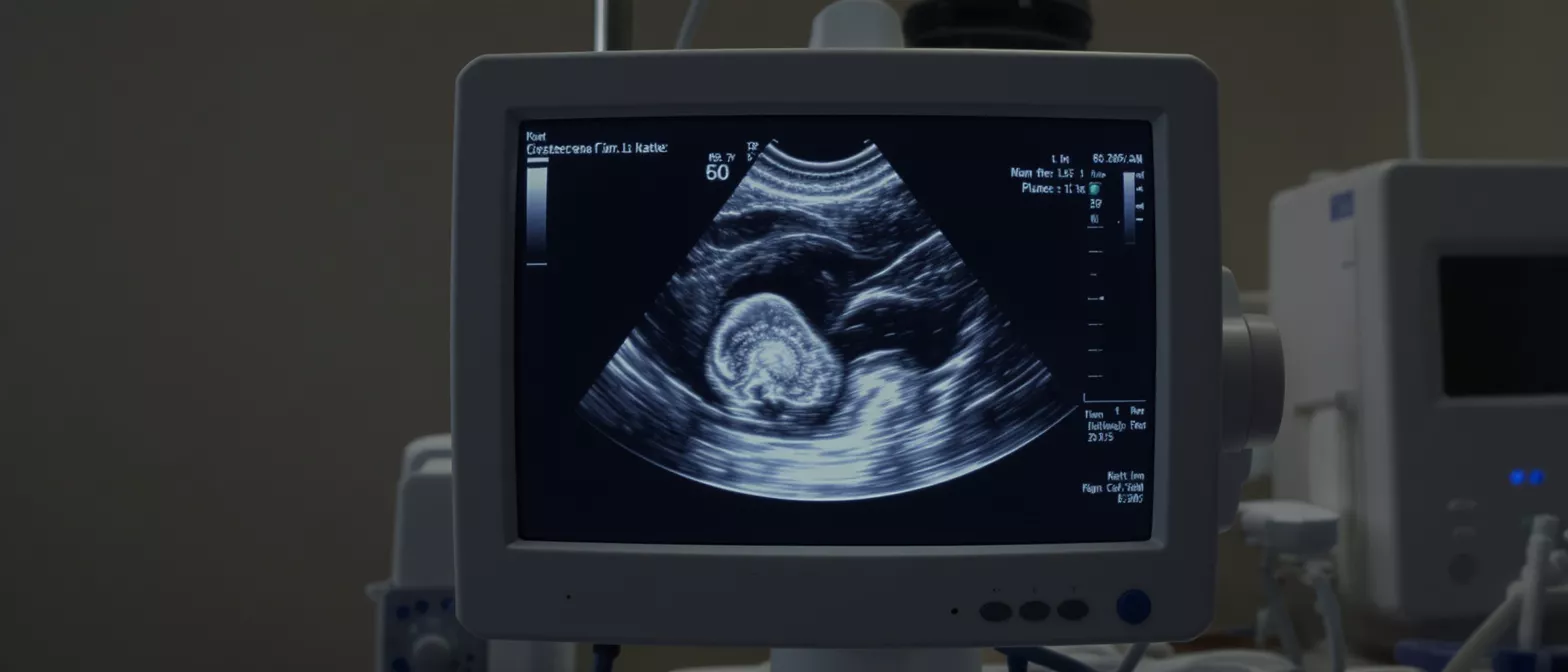
An echocardiogram is a standard, non-invasive ultrasound used to evaluate the heart's pumping function and valve health. Because the test captures a wide field of view, the imaging technician or cardiologist may spot an unexpected shadow or structure on the periphery of the main scan. This is a classic example of an incidental finding.
Differentiating artifacts from true findings: Ultrasound technology relies on sound waves, which can occasionally bounce off dense tissues and create false images known as artifacts. When an incidental finding is noted on an echocardiogram, the first step is usually to confirm whether the anomaly is real or simply a reflection. If the structure is confirmed, doctors will measure it and compare it to baseline standards.
Seeing an unexpected note on your echocardiogram report can cause anxiety, but it is a routine occurrence in cardiology. The heart is surrounded by complex tissues, and catching a glimpse of an adjacent structure is common. Your cardiologist will interpret the finding in the context of your overall health, ensuring that you receive a precision cardiac imaging analysis to clarify any ambiguous results.
Are unexpected heart findings dangerous
The vast majority of incidental findings are not immediately dangerous. In fact, many are benign conditions that people live with their entire lives without ever knowing they existed. The presence of an unexpected discovery does not automatically equate to a medical emergency or a shortened lifespan. Danger only arises if the finding is actively disrupting blood flow or indicates an aggressive disease, which is rare.
When to seek further evaluation: If an unexpected cardiac discovery involves a change in heart rhythm, a significant structural defect, or a suspicious mass, your medical team will recommend further evaluation. This might involve more specialized imaging, such as a cardiac MRI or CT scan, to get a highly detailed picture of the area in question.
Your surgical team will never ignore a finding that poses a risk to your safety. If the unexpected discovery requires immediate attention, it will be incorporated into your surgical plan or addressed in the immediate postoperative period. Otherwise, the focus remains on your primary surgery, and the incidental discovery is simply logged for future monitoring.
Incidental finding management guidelines
Managing an incidental finding requires a delicate balance between necessary vigilance and avoiding unnecessary medical intervention. Cardiologists follow established clinical guidelines to determine the appropriate response to unexpected discoveries. The primary goal is to avoid over-testing while ensuring that nothing harmful is left unaddressed.
The "watch and wait" approach: For stable, asymptomatic findings, the standard management is active surveillance. This means your doctor will document the size and nature of the finding and schedule a follow-up imaging test several months later to see if it has changed. This approach prevents the risks associated with unnecessary surgery or radiation exposure.
If the finding is something that could potentially grow or change over time, your doctor will establish a monitoring schedule. This ensures that if the condition ever reaches a point where intervention is required, it will be caught early. Patients are encouraged to use a post-surgery recovery tracking journal to note any new symptoms between scheduled check-ups, providing valuable data for the surgical team.
Benefits of early incidental cardiac discovery
While discovering an unexpected issue might feel like bad news, there are distinct advantages to finding it early. Conditions that might have gone unnoticed until they caused severe symptoms are identified at a stage when they are easiest to manage. This proactive discovery allows for a more comprehensive approach to your cardiovascular health.
Preventing future complications: By identifying a minor valve issue or a small arterial variant before it becomes symptomatic, your care team can incorporate preventive strategies into your overall health plan. This might involve lifestyle adjustments, targeted medications, or simply a tailored monitoring schedule that keeps a close eye on the specific area.
Knowing about an incidental cardiac finding empowers you and your doctors to make informed decisions about your future. Rather than reacting to a sudden cardiac event years down the line, you have the advantage of baseline data and early awareness, which is a cornerstone of excellent long-term cardiac care.
Incidental finding cardiac evaluation process
Once an incidental finding is noted, a structured evaluation process begins to determine its clinical significance. This process is designed to be thorough and systematic, ensuring that no details are missed. The evaluation starts with a review of the initial images or surgical observations that brought the finding to light.
Multidisciplinary team review: Complex findings are often discussed by a multidisciplinary team of cardiologists, radiologists, and surgeons. This collaborative approach ensures that the interpretation of the finding benefits from multiple expert perspectives. The team will assess the size, location, and potential impact of the discovery on your cardiac function.
The final step of the evaluation process is a personalized recommendation. This could range from immediate minor intervention to routine monitoring. Your doctor will explain the reasoning behind the recommendation, ensuring you understand why a particular management strategy was chosen for your specific situation.
How to cope with an unexpected diagnosis during cardiac surgery
Waking up from heart surgery to learn that the doctors found something unexpected can be an emotionally heavy experience. It is entirely normal to feel a sense of frustration or anxiety. You were prepared for one specific procedure, and suddenly the medical landscape feels more complicated. Acknowledging these feelings is the first step toward coping effectively.
Communicating with your care team: The most effective way to manage your anxiety is through clear communication. Ask your surgeon or cardiologist to explain the finding in simple terms. Inquire about the exact nature of the discovery, whether it requires treatment, and how it impacts your recovery timeline. Writing down your questions before your consultations can help ensure you get the information you need.
Remember that your medical team is highly experienced in managing these situations. They will guide you through the necessary steps and provide the support you need. Focusing on your immediate recovery from the primary surgery is usually the best approach, allowing your body to heal before addressing any secondary issues.
Incidental finding meaning and long-term outlook
An incidental finding means that modern medical care has given you the gift of early awareness. While the initial discovery might feel like a setback, it is actually a testament to the incredible detail and precision of modern cardiac surgery and imaging. You are now equipped with knowledge about your body that you would not have had otherwise.
Maintaining perspective on your health: It is crucial to keep the finding in perspective. Most incidental discoveries do not alter the course of a patient's life in any significant way. They become a small footnote in your medical history, monitored occasionally to ensure stability. Your long-term outlook remains primarily tied to the success of your primary cardiac surgery and your commitment to a heart-healthy lifestyle.
By attending your scheduled follow-up appointments and maintaining open dialogue with your cardiologist, you can easily integrate the management of an incidental finding into your routine care. This proactive approach ensures that your heart health remains optimized for years to come, giving you confidence and peace of mind as you recover.






