

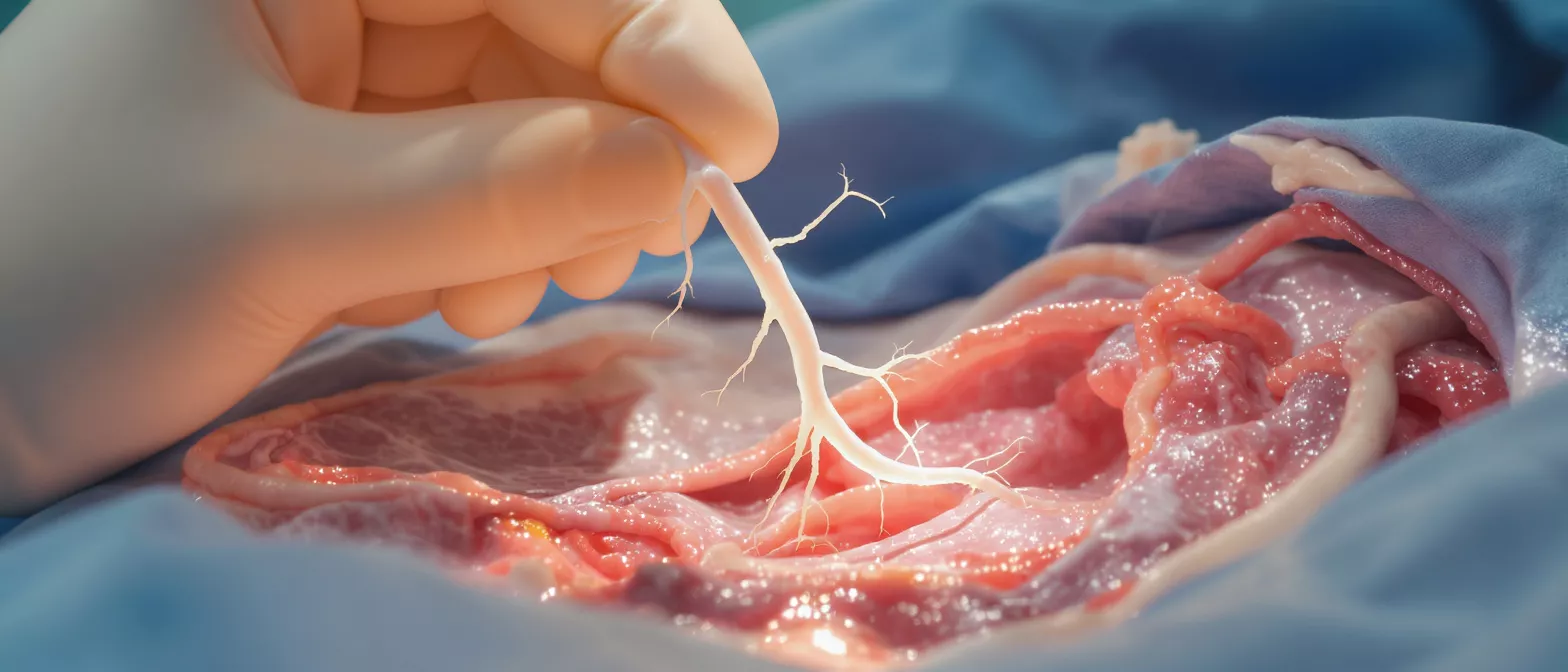
Left Internal Mammary Artery
Learn how the left internal mammary artery is used in cardiac bypass surgery.
What is the Left Internal Mammary Artery?
The left internal mammary artery, often abbreviated as LIMA, is a crucial blood vessel located inside the chest wall. Running parallel to the sternum, this artery naturally supplies oxygenated blood to the chest muscles and the front part of the rib cage. In cardiac surgery, it is repurposed as a bypass graft to treat severe coronary artery disease.
When plaque builds up and narrows the heart's own arteries, blood flow to the heart muscle is restricted. What does the internal mammary artery do during surgery? The surgeon redirects the LIMA to bypass the blocked segment, creating a new, durable pathway for oxygen-rich blood to reach the struggling heart muscle directly from the aorta's base.
Using this specific artery for a bypass is considered the gold standard in heart surgery. Because it is highly resistant to atherosclerosis and adapts well to increased blood flow, it offers patients a reliable and long-lasting solution for coronary blockages.
Left Internal Mammary Artery Anatomy Explained
Understanding internal mammary artery anatomy helps patients grasp why this vessel is so valuable for heart surgery. The LIMA is a paired artery, meaning there is one on each side of the sternum. It branches off from the subclavian artery, which is a major vessel originating directly from the aorta, ensuring strong and steady blood pressure.
Left internal mammary artery definition in clinical terms: It is a systemic artery that carries oxygenated blood to the anterior thoracic wall. Surgeons favor it because its physiological structure inherently resists the development of atherosclerosis, the very disease that blocks the native coronary arteries. This natural resistance is what makes it an ideal substitute for diseased heart vessels.
Using this native artery offers distinct structural advantages. Its muscular wall can adapt over time, expanding to accommodate the higher blood flow demands of the heart muscle.
How Does a LIMA Bypass Work?
A LIMA coronary bypass reroutes blood flow around a severely blocked artery to restore circulation to the heart muscle. The most common target for this graft is the left anterior descending artery, which supplies the front and bottom of the left ventricle, the heart's main pumping chamber.
How does a LIMA-LAD bypass route blood? The surgeon leaves the LIMA attached to its origin at the subclavian artery, but frees the lower end of the vessel from the chest wall. This freed end is then meticulously sewn directly to the LAD artery beyond the point of the blockage.
By attaching the LIMA to the LAD, the surgeon creates a direct pipeline from the aorta to the heart muscle. This bypass ensures that oxygen-rich blood bypasses the narrowed, plaque-filled section of the native artery. How does a left internal mammary artery function post-surgery? It immediately assumes the role of delivering high-volume blood flow to the heart, relieving chest pain and preventing heart attacks.
Why is LIMA to LAD Bypass the Preferred Method?
Surgeons prefer the LIMA to LAD bypass because of the artery's exceptional long-term durability. Clinical experience shows that arterial grafts outperform venous grafts over time, and the LIMA specifically has the highest long-term survival rate of all available bypass conduits.
Why is LIMA preferred for the LAD artery? The LAD is the most critical artery supplying the heart muscle. If a LAD blockage is not treated effectively, it often leads to severe heart attacks. Using the most durable graft available ensures this vital pathway remains open for decades, protecting the patient from recurrent cardiac events.
This approach dramatically reduces the need for repeat surgeries. By utilizing the body's own robust artery, patients experience fewer complications and better quality of life years after the operation.
LIMA vs Saphenous Vein Graft Comparison
When planning mammary artery cardiac surgery, surgeons choose between arterial and venous grafts. The LIMA is an arterial graft taken from the chest, while the saphenous vein graft is a venous vessel harvested from the leg. Understanding the difference helps patients comprehend their surgical plan.
- LIMA (Arterial Graft): Highly resistant to plaque buildup, adapts to increased blood flow over time, and offers superior 10-year patency rates.
- Saphenous Vein Graft (Venous Graft): Easier to harvest and useful for multiple bypasses, but more prone to developing blockages over the long term.
Surgeons often use a combination of both grafts depending on the number of blocked arteries. However, if the LAD requires a bypass, the LIMA is almost universally chosen due to its unmatched longevity and reliability.
Left Internal Mammary Artery Harvesting Process
The left internal mammary artery harvesting process is a delicate part of the operation. The surgeon carefully separates the LIMA from the inside of the chest wall without detaching its origin. This requires precision to avoid damaging the artery and to ensure it remains viable for grafting.
How is the LIMA prepared for grafting? Through the same incision used to access the heart, the surgeon uses specialized instruments to free the artery from surrounding tissue. A small piece of tissue, known as a pedicle, is often left attached to the end of the artery to protect the vessel during the connection to the heart.
Once freed, the LIMA is ready to be positioned and sewn to the target coronary artery. This internal harvesting technique means the patient does not need additional large incisions on their arms or legs for this specific graft.
What to Expect from LIMA Graft Surgery
Undergoing a LIMA cardiac procedure involves a comprehensive surgical approach. After the artery is harvested, the heart is stopped temporarily using specialized medications and a heart-lung machine maintains circulation. The surgeon then meticulously sews the LIMA to the LAD under high magnification.
What happens during the LIMA connection? The surgeon uses incredibly fine sutures to create a precise anastomosis, which is the surgical connection between the graft and the native artery. This connection must be perfectly smooth to prevent blood clots and ensure unobstructed flow.
Once the graft is secured, the heart is allowed to resume beating, and blood flows through the new pathway. The surgeon verifies that the graft is functioning well before closing the chest incision. Many patients later utilize postoperative wound care dressings to ensure their chest incision heals cleanly.
Understanding LIMA Bypass Complications
While LIMA bypass surgery is highly successful, understanding potential complications is part of informed consent. Recognizing these risks helps patients and families prepare for recovery and communicate effectively with their care team.
- Bleeding and Infection: As with any open-chest surgery, there is a risk of bleeding or infection at the incision site.
- Graft Spasm: The LIMA can sometimes spasm immediately after surgery, temporarily restricting blood flow.
- Pleural Effusion: Fluid accumulation around the lungs in the chest cavity can occur as the body heals from the internal harvesting process.
It is important to remember that these complications are relatively rare and actively managed by the surgical team. Close monitoring in the intensive care unit immediately following surgery helps catch and treat any issues quickly.
Long-Term Left Internal Mammary Artery Patency
Left internal mammary artery patency refers to how well the graft stays open over the years following surgery. The LIMA is renowned for its exceptional long-term patency, often remaining open for decades without needing intervention. This durability is what sets arterial grafts apart from venous ones.
What is LIMA graft patency over time? The artery's natural resistance to atherosclerosis means it rarely develops the same plaque that blocked the native arteries. It actively remodels and adapts to the heart's blood flow demands, ensuring a stable and robust circulation for the long term.
This long-term success means patients can enjoy an active, healthy life without the anxiety of frequent heart interventions. Maintaining a healthy lifestyle and taking prescribed medications further supports the longevity of the graft.
Recovery and Life After Mammary Artery Cardiac Surgery
Recovery from mammary artery cardiac surgery takes time and patience. Because the LIMA is harvested from the chest wall, patients may experience specific discomfort in that area during the first few weeks. The chest bone, or sternum, needs about six to eight weeks to heal completely.
What is life like after a LIMA bypass? Most patients feel relief from their previous chest pain almost immediately. As the heart receives the blood it needs, energy levels return, and the fear of having a heart attack diminishes. Cardiac rehabilitation plays a vital role in safely rebuilding strength.
Patients are encouraged to follow their cardiologist's guidance regarding diet, exercise, and medication adherence. By embracing heart-healthy habits, the benefits of the left internal mammary artery bypass can last a lifetime, offering a second chance at a full, active life.






