

Left Internal Mammary Artery Bypass to the LAD
The left internal mammary artery bypass to the LAD: how the procedure works, what recovery involves, and what the long-term results show.
When a cardiologist explains that the front artery of your heart is seriously blocked, one question follows quickly: how will it be fixed? For decades, the strongest answer has been a left internal mammary artery bypass — a graft taken from an artery that already runs inside your chest wall and connected to the blocked vessel, most often the left anterior descending artery, known as the LAD. This technique is considered the gold standard of coronary artery bypass grafting, and understanding why can help you weigh your options with more confidence.
We are a multidisciplinary team of cardiac surgeons led by Dr Alejandro Molina, with consulting rooms in Guadalajara, Querétaro and Hermosillo. Every case is reviewed by the team against international practice guidelines before any recommendation is made, and you receive a clear proposal with the alternatives — the final decision is always yours. This guide explains what the mammary artery is, why surgeons prize it so highly, and what the operation and its recovery involve in plain, honest language.
What Is the Left Internal Mammary Artery?
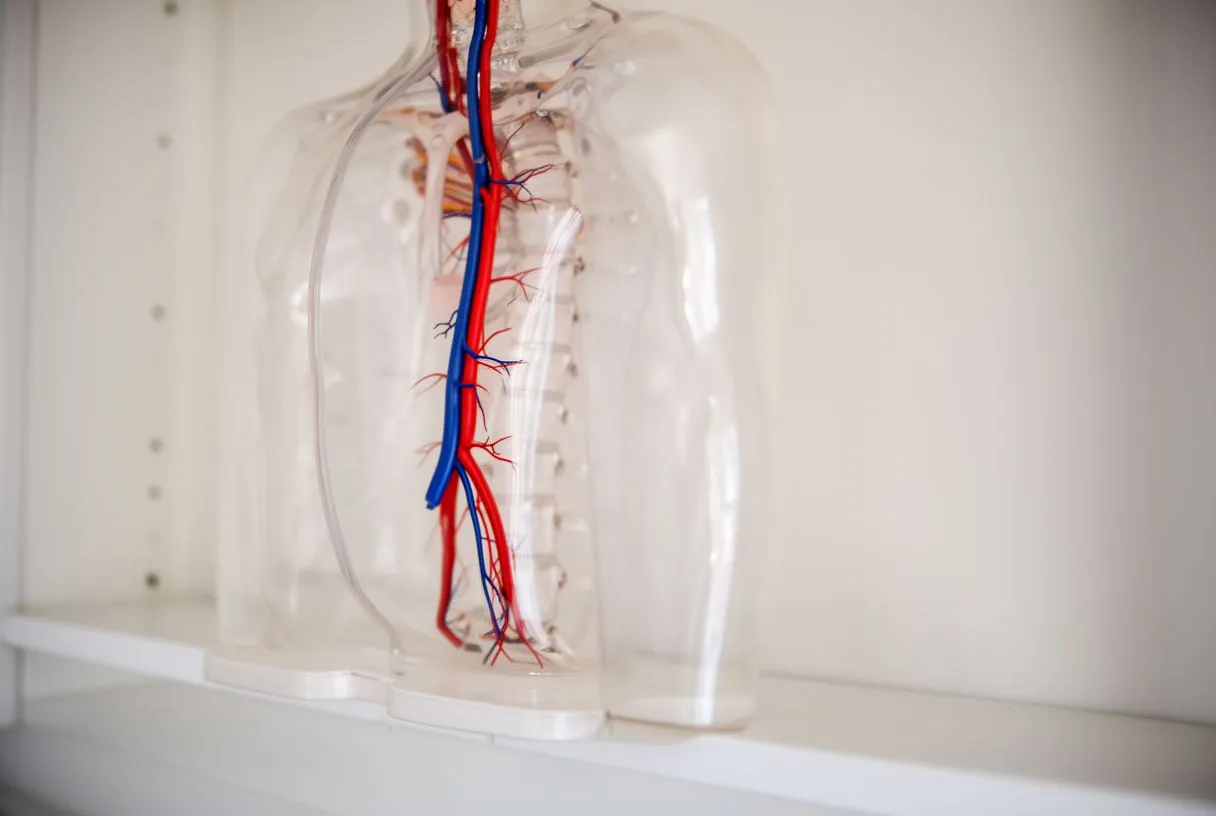
The left internal mammary artery — sometimes called the left internal thoracic artery — is a small but remarkably durable artery that branches from the subclavian artery beneath your collarbone and travels down the inside of the chest wall, just beside the breastbone. It has been supplying blood to the front of your chest since before you were born. In coronary artery bypass grafting, surgeons detach a segment of this artery from the chest wall while leaving its origin intact, then connect its free end directly to a coronary artery beyond the blockage. Blood then flows from the subclavian artery, through the graft, into the heart muscle — a living bridge around the obstruction.
Why anatomy matters here: because the graft keeps its natural connection at the subclavian artery, it needs no stitching at its origin. Fewer connections mean fewer points where the graft can narrow over time. This single anatomical feature is a large part of why the left internal mammary artery has earned its reputation as the best graft for LAD blockage.
A note on the right side: most people also have a right internal mammary artery, and surgeons sometimes use both when more than one arterial graft is needed. Whether a second arterial graft suits you depends on your anatomy, your overall health and the evidence for your specific situation.
What Does the Left Internal Mammary Artery Supply?
Before surgery, the left internal mammary artery supplies the tissues of the anterior chest wall — the breastbone area, the muscles and the membranes lining the chest cavity. It gives off small branches along its course called perforating branches, which pass through the intercostal spaces (the gaps between the ribs) to feed the chest muscles and overlying breast tissue. It also contributes branches near the diaphragm and to surrounding connective tissue.
What happens when it is rerouted: when the artery is harvested for bypass, these small side branches are tied off and the chest wall tissues simply draw blood from neighbouring vessels. The body adapts remarkably well; chest wall blood supply has natural redundancy built in. In our practice, we explain each study in plain words during the consultation, including how grafting changes this local blood flow, and we answer every question before any decision is reached.
Why supply matters to surgeons: knowing precisely where the artery runs — its position under the ribs, its branches, its relationship to the phrenic nerve — allows safe, clean harvesting. Surgeons who trained in minimally invasive and robotic techniques, as Dr Molina did at the University of Montreal, can often harvest the artery with less trauma than in traditional open surgery.
What Does the Mammary Artery Do in the Body?
In everyday life, the mammary artery is a quiet workhorse. Its job is to deliver oxygen-rich blood to the structures of the chest wall, and it does so with a distinctive biology that separates it from most other arteries in the body. Its wall is unusually rich in elastic tissue and its inner lining produces natural vasodilators — substances that keep the vessel relaxed and open.
The endocrine-like behaviour: research has shown that the internal mammary artery behaves almost like an endocrine organ, releasing nitric oxide and other protective molecules that resist the process of atherosclerosis, the buildup of plaque that causes coronary blockages. Studies on graft biology, including work published by the American Heart Association through AHA Journals, suggest this natural chemistry is one reason the artery stays open for decades while vein grafts tend to narrow.
Practically, what that means for you: a graft that resists plaque is a graft that is less likely to fail. It is why, when surgeons plan a bypass, the left internal mammary artery is nearly always the first graft they choose — reserved for the artery that matters most.
Can the Mammary Artery Be Used for Heart Bypass Surgery?
Yes — and it has been used since the 1960s, when pioneering cardiac surgeons first connected it to the LAD with results that changed heart surgery permanently. Today, using the left internal mammary artery to bypass the LAD is standard practice in coronary artery bypass grafting worldwide. The technique can be performed in traditional open-chest surgery, in off-pump bypass (sewing grafts while the heart beats, without the heart-lung machine), or in minimally invasive approaches through small incisions between the ribs.
How the choice is made: the approach depends on how many vessels need bypassing, the condition of other arteries, your lung function, your age and your overall surgical risk. In our consultations, we lay out the conventional, minimally invasive, robotic and transcatheter options side by side, and we recommend the less invasive route only where the evidence supports it for that specific patient.
What the graft connection looks like: the surgeon frees the artery from the chest wall, clips its small branches, and sews its open end to the LAD with stitches finer than a human hair. The LAD is an accessible target on the front surface of the heart, which is one technical reason this particular pairing works so well.
Why Is the LAD the Most Serious Coronary Artery to Have Blocked?
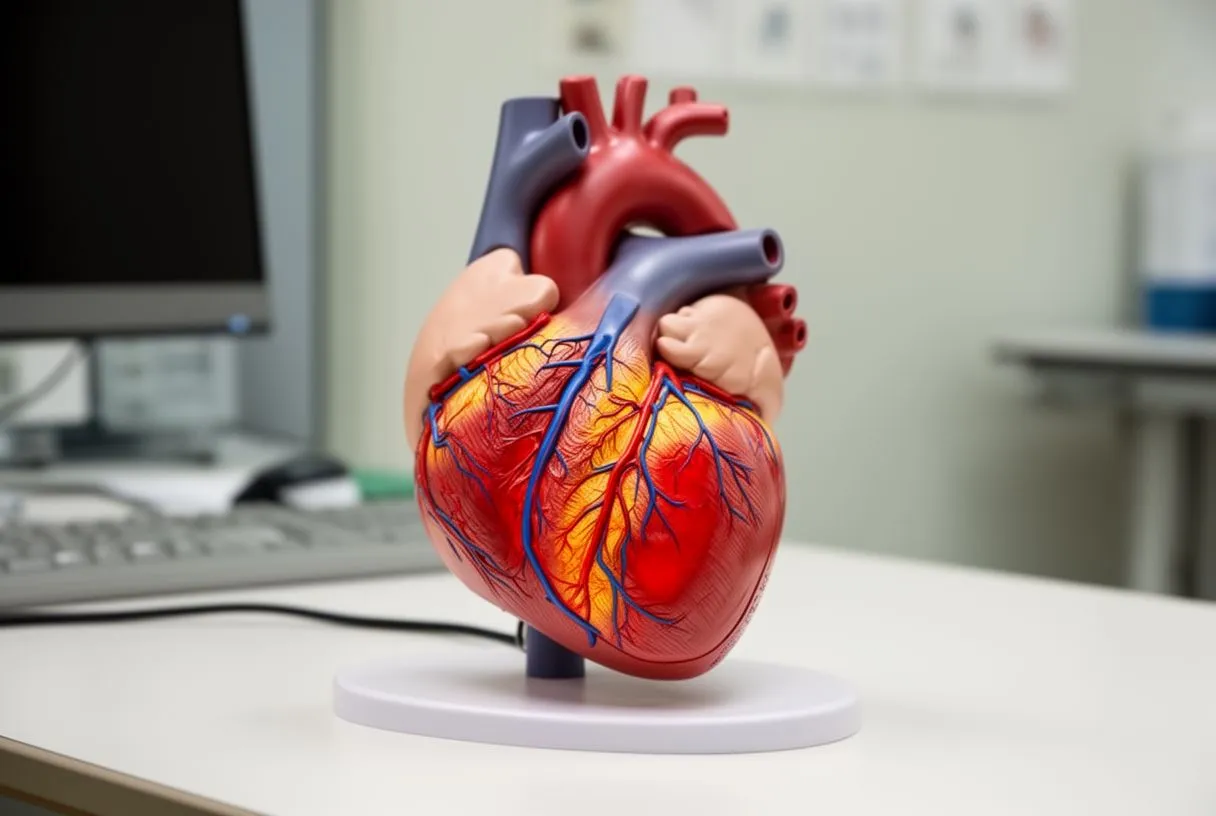
The left anterior descending artery supplies the front and main pumping chamber of the heart — the left ventricle — including the wall between the two ventricles. Because so much of the heart's pumping muscle depends on it, a critical LAD blockage can cause a large heart attack, which is why it is widely called the most serious coronary artery to have a blockage in. A complete, proximal LAD occlusion is sometimes nicknamed the "widow-maker" for grim historical reasons; a more useful framing today is that it is the blockage that most urgently and most durably benefits from surgical treatment.
Why bypass rather than stent, sometimes: a stent is a metal scaffold opened inside the artery, and for many LAD lesions a stent is an excellent option. But for a long, calcified blockage near the LAD's origin, or for patients with multiple vessel disease, a left internal mammary artery bypass offers the most durable protection, because the graft bypasses the diseased segment entirely rather than propping it open. Our multidisciplinary team reviews the catheterisation images together against international guidelines before recommending either route, so the patient sees a clear proposal with the alternatives.
Other coronary arteries in brief: the right coronary artery and the circumflex artery supply other regions of the heart, and blockages there also matter. A complete bypass plan often combines the mammary graft to the LAD with vein or radial artery grafts to the other vessels.
How LIMA to LAD Bypass Surgery Works
LIMA bypass surgery — the operation most people simply call bypass surgery — follows a well-established sequence. You receive general anaesthesia, the surgical team prepares the chest, and monitoring lines (including measuring pressures such as pulmonary artery pressure through a small catheter) are placed. What happens next depends on the chosen approach.
In conventional on-pump bypass: the surgeon opens the chest through the breastbone, and the heart-lung machine temporarily takes over circulation. The left internal mammary artery is freed along the chest wall, its end is sewn to the LAD, and any additional grafts — often veins taken from the leg — are attached to the aorta and to the other coronary arteries. Total bypass time on the machine varies with the number of grafts.
In off-pump bypass and minimally invasive techniques: the heart keeps beating while the surgeon sews the graft, using stabilising instruments. Some centres use robotic assistance to harvest the artery and even to complete the connection through small incisions. Dr Molina performed the first robotic mitral valve repair in the Ángeles Health System and the first robotic heart surgery in Guadalajara, and our team continues to offer robotic approaches when a patient's anatomy and evidence make them the right choice.
- Before surgery: a left heart catheterisation maps the blockages precisely — contrast dye injected into the coronaries shows the surgeon exactly where grafts must go.
- During surgery: the mammary graft to the LAD is sewn first and given priority, because it is the graft expected to last the longest.
- After surgery: monitoring in intensive care, usually one to two nights, followed by a hospital stay that commonly runs five to seven days for open surgery.
Internal Mammary Artery Bypass vs Vein Graft
Surgeons can harvest grafts from several places: the greater saphenous vein in the leg, the radial artery in the forearm, the right internal mammary artery, and rarely the gastroepiploic artery from the stomach. Each has a different track record, and the mammary-versus-vein comparison is the most important one for patients to understand.
Why vein grafts narrow over time: veins are not built to carry blood at arterial pressure. Once transplanted, their walls respond by thickening, and they can develop atherosclerosis at an accelerated pace. Vein grafts are quicker to sew and remain essential for multiple-vessel bypasses, but their long-term patency (staying open) is naturally more limited.
Why arterial grafts win for the LAD: the left internal mammary artery is already an artery, already adapted to arterial pressure, and biologically resistant to plaque. Multiple long-term observational studies, including large population-based analyses such as coronary artery bypass grafting outcomes research, continue to document better survival associated with arterial grafting strategies compared with vein-only grafting.
- Vein grafts: fast, flexible, useful for many vessels — but more prone to late narrowing.
- Arterial grafts: slower to harvest, technically demanding — but the most durable option for the LAD.
- Real-world practice: most multi-vessel bypasses combine one internal mammary graft to the LAD with vein grafts to the remaining arteries.
How Long Does a Mammary Artery Bypass Last?
This is the question families ask most, and the honest answer is encouraging: a well-constructed left internal mammary artery graft to the LAD is expected to remain open for decades. Long-term follow-up studies have shown patency rates far above those of vein grafts at ten years and beyond, and many patients carry functioning mammary grafts for the rest of their lives. The graft's resistance to atherosclerosis means it behaves less like a spare part and more like part of you.
Factors that protect the graft: longevity depends on the patient as much as the surgery. These habits preserve both the graft and the remaining native vessels:
- Stopping smoking completely: smoking accelerates narrowing in every graft and every artery.
- Taking prescribed medication daily: antiplatelet drugs, statins and blood pressure medicines are the quiet guardians of graft patency.
- Controlling diabetes, blood pressure and cholesterol: metabolic control directly slows plaque progression.
- Regular gentle activity: cardiac rehabilitation and daily walking support the heart's adaptation after surgery.
What we check over time: grafts are usually assessed with imaging only if symptoms return or risk factors worsen; there is no need for routine invasive testing in an asymptomatic patient. Regular follow-up after surgery, with review of risk factors at each visit, helps catch problems long before they threaten the graft.
What Is LIMA Bypass Surgery Recovery Really Like?
Recovery from LIMA bypass surgery happens in stages, and knowing the realistic timeline reduces anxiety more than any reassurance. The first days in hospital involve waking from anaesthesia, breathing exercises, early sitting and walking, and pain control that keeps the chest wound manageable. The breastbone, if divided for open surgery, takes six to eight weeks to knit — this, not the heart, sets many early limits.
The first six weeks: you will be asked not to lift anything heavier than a few kilograms, not to drive, and to avoid pushing or pulling with your arms. A sternal guard pillow and simple movement rules protect the healing bone. Walking is encouraged from the first week and increases steadily.
Weeks six to twelve: most patients return to light work and driving, and many begin formal cardiac rehabilitation. By three months, energy levels are usually much improved, and by six months many patients describe feeling better than they did before the operation — because the heart muscle is finally receiving the blood it was starving for.
Recovery after minimally invasive or robotic surgery: when the mammary graft is harvested through a small incision without dividing the breastbone, the early restrictions are lighter and the recovery is often faster. In our practice, we explain the recovery timeline for your specific approach in the first consultation, so you and your family know exactly what each week will look like before you commit.
Are There Risks With a Left Internal Mammary Artery Bypass?
Every open-heart operation carries real risks, and honest discussion is part of good care. The main risks of coronary artery bypass grafting include bleeding, infection of the chest wound, irregular heart rhythms (most commonly temporary atrial fibrillation), stroke, and kidney strain from the heart-lung machine. Surgical risk is individualised with scoring tools such as EuroSCORE II, which weighs age, lung function, kidney function and prior surgeries.
Risks specific to the mammary graft: harvesting the left internal mammary artery briefly alters blood flow to the chest wall, and there can be temporary numbness or a sensation of coolness along the left chest. Very rarely, a patient with pre-existing poor circulation to the left arm — for example someone with a narrowed carotid artery or a subclavian stenosis — may need extra evaluation, because the graft now shares blood supply with the arm. Before recommending surgery, our team reviews every patient's imaging for exactly these situations, because a graft is only as safe as the blood supply feeding it.
Other considerations: some research — such as work on inflammatory markers in bypass patients, including studies of immune response in coronary bypass surgery — continues to explore how individual biology influences outcomes after surgery. Diabetes, lung disease and prior chest radiation raise surgical risk and are weighed carefully. If the heart's main pumping function is severely reduced, additional options such as a left ventricular assist device belong to a different, specialised conversation.
Second opinions are normal: if you are considering bypass surgery, seeking another perspective is a sign of care, not distrust. We encourage second opinions and treat them as a normal part of deciding about heart surgery — an informed patient makes a calmer, better decision.
Conclusion: Is a Left Internal Mammary Artery Bypass Right for You?
A left internal mammary artery bypass to the LAD remains the most durable, best-evidenced operation for the heart's most important blocked artery. Its natural resistance to atherosclerosis, its decades-long patency, and its adaptability to conventional, minimally invasive and robotic techniques explain why it anchors almost every modern bypass plan. What it cannot do is decide itself: whether it is right for you depends on your anatomy, your symptoms, your risk profile and your goals — and those deserve a conversation, not a web page.
If a scan or catheterisation has shown a LAD blockage, bring those images to a qualified cardiac team and ask the questions this article raises: which graft, which approach, what recovery looks like for your body. The first contact with our team is a free video consultation, where we get to know you, talk through your condition, and identify which studies are genuinely needed so no unnecessary ones are ordered — and the final decision about surgery is always yours.






