

Paroxysmal Nocturnal Dyspnoea
Learn about paroxysmal nocturnal dyspnoea, its causes, symptoms, and treatment options.
What is paroxysmal nocturnal dyspnoea?
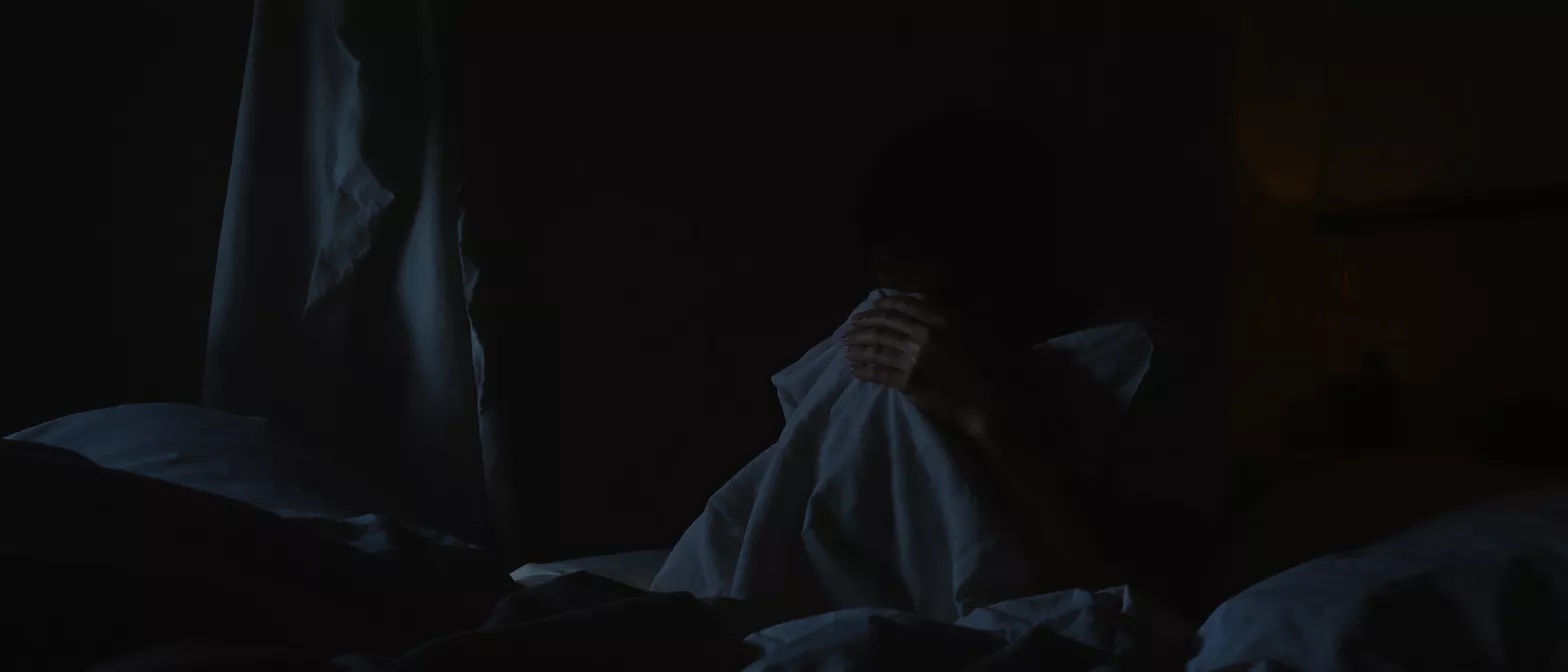
Paroxysmal nocturnal dyspnoea, often abbreviated as PND, is a medical term that describes a sudden episode of severe shortness of breath that wakes a person from sleep. The word "paroxysmal" means it occurs abruptly and without warning, "nocturnal" refers to the nighttime, and "dyspnoea" is the medical word for breathing difficulty. For a patient preparing for or recovering from cardiac surgery, experiencing this can be frightening, but understanding the mechanics behind it can help alleviate anxiety.
Why fluid shifts matter at night: When you lie flat in bed, gravity no longer keeps fluid pooled in your legs. Over the first few hours of sleep, this fluid is slowly reabsorbed into your bloodstream and eventually makes its way to your lungs. In a healthy heart, this extra fluid is easily managed. In a heart that is struggling—such as with left-sided heart failure—the fluid backs up into the pulmonary circulation, causing congestion.
This process does not usually happen the moment you fall asleep. It typically takes one to three hours for enough fluid to accumulate in the chest, which is why PND wakes patients in the early hours of the morning rather than right after they lie down.
What causes nighttime dyspnoea in heart patients?
The primary driver of paroxysmal nocturnal dyspnoea is left-sided heart failure, a condition where the left ventricle cannot pump blood efficiently. Because the heart cannot keep up with the blood returning from the lungs, pressure builds up in the pulmonary veins. This increased pressure forces fluid out of the blood vessels and into the air sacs of the lungs, a condition known as pulmonary congestion or pulmonary oedema.
Cardiac conditions linked to PND: Several underlying heart issues can lead to this nighttime fluid backup. These include coronary artery disease, heart valve disorders (particularly aortic or mitral valve stenosis or regurgitation), and cardiomyopathy. When the cardiac muscle is weak or the valves are diseased, the pumping action falters, making nighttime fluid redistribution a significant challenge for the body to handle.
While heart failure is the most common cause, it is not the only one. Non-cardiac conditions such as severe asthma, chronic obstructive pulmonary disease (COPD), or even sleep apnoea can cause nighttime breathing difficulty. However, when the shortness of breath is specifically triggered by lying flat and relieved by sitting upright, a cardiac cause must be thoroughly investigated.
Paroxysmal nocturnal dyspnoea symptoms
The hallmark symptom of PND is the sudden urge to sit up, often gasping or coughing, after a few hours of sleep. Patients frequently report that sitting on the edge of the bed or walking to a window for fresh air brings relief within ten to twenty minutes. This rapid relief upon sitting upright is a strong indicator that gravity is helping to redistribute the pulmonary fluid back toward the lower body.
Associated signs to watch for: PND rarely occurs in total isolation. Patients often experience other signs of cardiac dyspnoea alongside it. These can include a persistent dry cough that worsens when lying down, wheezing, or frothy sputum if the fluid accumulation is significant. Swelling in the lower legs and ankles, known as peripheral oedema, is another common companion symptom indicating the body is retaining excess fluid.
Because these symptoms mimic other respiratory conditions, accurate diagnosis is critical. A patient might mistake PND for nighttime asthma or a panic attack. The key distinguishing factor is the direct relationship between lying flat, the delayed onset of breathlessness, and the rapid relief provided by assuming an upright posture.
Orthopnoea vs paroxysmal nocturnal dyspnoea
Patients often confuse orthopnoea with paroxysmal nocturnal dyspnoea, as both relate to shortness of breath when lying down. Orthopnoea is the immediate need to prop oneself up with pillows to breathe comfortably; it happens as soon as you lie flat. PND, on the other hand, wakes you up hours after you have already fallen asleep. Understanding this difference helps cardiologists pinpoint the precise nature of the cardiac or pulmonary issue.
While both symptoms point toward fluid overload in the chest, their timing tells a different story about your heart's compensatory mechanisms. Orthopnoea suggests that the heart cannot handle the immediate shift in blood volume that occurs when you lie down. PND indicates that the heart manages this initial shift but fails as fluid gradually accumulates from the legs over a longer period of sleep.
- Timing of onset: Orthopnoea triggers immediately upon lying flat; PND strikes 1-3 hours into sleep.
- Relief mechanism: Orthopnoea is relieved by elevating the head; PND requires fully sitting up or standing.
- Clinical implication: Both indicate heart failure, but PND often signals more advanced fluid redistribution issues.
How is PND diagnosed in cardiology?
Diagnosing paroxysmal nocturnal dyspnoea begins with a detailed clinical history. A cardiologist will ask about your sleep habits, the exact timing of your breathing difficulties, and what actions you take to find relief. They will listen for specific sounds in your lungs, such as crackles or wheezes, that indicate fluid build-up. Your blood pressure, heart rate, and oxygen saturation will also be assessed to check your baseline cardiac function.
Diagnostic imaging for PND: To confirm the underlying cardiac cause, your doctor will order specific tests. A chest X-ray can show fluid in the lungs or an enlarged heart. An echocardiogram uses sound waves to create a moving image of your heart, allowing the doctor to see how well the left ventricle is pumping and how the valves are functioning. Blood tests, specifically looking at a marker called B-type natriuretic peptide (BNP), can also help confirm heart failure.
Because patient education is vital before any cardiac intervention, your surgical team needs to know if you are experiencing PND. This symptom helps them grade the severity of heart failure and optimize your condition before surgery, reducing the risk of intraoperative and postoperative complications.
Paroxysmal nocturnal dyspnoea treatment options
The treatment for PND focuses on managing the underlying heart condition causing the fluid build-up. Diuretics, commonly known as water pills, are often prescribed to help the kidneys excrete excess fluid, thereby relieving pulmonary congestion. For patients preparing for heart surgery, optimizing fluid balance is a critical preoperative step to ensure the heart is in the best possible condition before the procedure.
Medications and interventions: Beyond diuretics, doctors may prescribe ACE inhibitors to reduce the heart's workload, or beta-blockers to regulate heart rate and improve cardiac efficiency. If the PND is caused by severe valve disease or advanced coronary artery disease, surgical intervention becomes the definitive treatment. Receiving a cardiac surgery consultation is essential to determine if repairing or replacing a damaged valve will permanently resolve the fluid build-up.
Immediate relief at home often involves positional changes. Patients are also advised to restrict evening fluid intake and manage dietary salt to prevent the body from retaining water overnight.
Left heart failure dyspnoea management
Managing dyspnoea related to left heart failure requires a comprehensive approach that extends beyond medications. Lifestyle modifications play a crucial role in reducing the frequency and severity of PND episodes. Patients must actively monitor their weight daily, as sudden weight gain over a few days is a telltale sign of fluid retention that can precede an episode of nighttime breathlessness.
Daily habits that reduce nighttime breathing difficulty: Sodium restriction is paramount; excess salt holds water in the body, directly contributing to the fluid shifts that cause PND. Patients should also engage in supervised, light physical activity to improve overall cardiovascular health and peripheral muscle tone, which helps prevent fluid from pooling in the legs during the day. A low-sodium cardiac diet plan is often recommended to help control this fluid balance.
- Sodium control: Limiting salt intake to prevent excess water retention.
- Daily weights: Tracking morning weight to catch fluid retention early.
- Positional therapy: Elevating the torso at night to mitigate gravitational fluid shifts.
When to seek urgent care for nocturnal breathing difficulty
While PND is a known symptom of chronic heart failure, there are times when nighttime breathing difficulty becomes a medical emergency. If sitting upright fails to relieve the breathlessness, or if the difficulty is accompanied by chest pain, fainting, or a bluish tint to the lips, immediate medical attention is required. These signs suggest acute pulmonary oedema, a severe condition where the lungs are rapidly filling with fluid.
Red flags for acute cardiac dyspnoea: If you are coughing up pink, frothy sputum, or if your breathing is so restricted that you cannot speak full sentences, do not wait for a morning appointment. Acute decompensation requires urgent intervention to remove the fluid from the lungs and stabilize heart function. Using a pulse oximeter for home use can help track oxygen levels and provide objective data if symptoms suddenly worsen.
For cardiac surgery patients, communicating these red flags to your surgical team is essential. Dr Alejandro Molina and the team at Cirugía de Corazón emphasize that prompt intervention during acute dyspnoea can prevent further deterioration of cardiac function and improve surgical outcomes.
Living with cardiac dyspnoea symptoms
Being diagnosed with a condition that causes paroxysmal nocturnal dyspnoea can feel overwhelming, but many patients live full lives with proper management. The key is understanding your body's signals and adhering closely to the medical and lifestyle plan outlined by your cardiology team. Consistent sleep hygiene, including sleeping with an elevated headrest, becomes a new normal that dramatically improves rest quality.
Education is your best tool against the anxiety that naturally accompanies waking up breathless. Knowing that the sensation is caused by a predictable mechanical fluid shift—rather than a random, inexplicable malfunction—helps patients remain calm during an episode. Remaining calm lowers adrenaline, which in turn reduces the workload on the heart and helps the breathing normalize faster once you sit upright.
Family members and caregivers should also be educated on what to do when an episode occurs. Simply helping the patient sit up, providing fresh air, and monitoring for emergency symptoms can make a profound difference. A supportive, informed environment reduces stress for everyone involved in the patient's cardiac journey.
Conclusion: Understanding PND in heart disease
Paroxysmal nocturnal dyspnoea is a distressing but highly informative symptom that points directly to left-sided cardiac strain. By recognizing the distinct pattern of delayed nighttime breathlessness and the rapid relief provided by sitting upright, patients and physicians can work together to identify and treat the underlying heart failure or valve disease. It is a mechanical response to fluid redistribution, not a random crisis.
For patients navigating heart surgery, reporting these symptoms to your surgical team is a critical step in preoperative optimization. Treating the underlying cause—whether through medical management of heart failure or surgical correction of a faulty valve—is the definitive way to resolve PND and restore peaceful, restorative sleep.
Always consult your cardiologist if you experience new or worsening nighttime breathing difficulties. With careful management and expert cardiac care, the fear of the night can be replaced with confidence in your treatment plan and a healthier, well-rested future.







Comments
The explanation of the fluid shift finally makes sense to me. I always wondered why my father woke up gasping exactly two hours after falling asleep, not right away. We will definitely ask his cardiologist about elevating his bed and checking his sodium intake.
I was confusing orthopnoea and PND before reading this. Knowing that the timing is the key difference is incredibly helpful for tracking my own symptoms before my upcoming valve surgery. The section on red flags was exactly what I needed to feel prepared.