

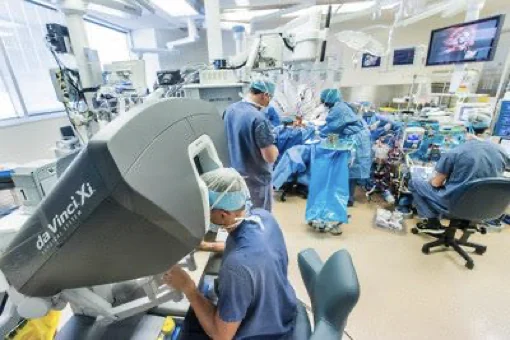
Robotic cardiac surgery: a reality today, a fascinating future
Discover how robotic cardiac surgery offers precise heart repair, smaller incisions, faster recovery, and advances, along with its benefits and risks.
What is robotic cardiac surgery
Robotic cardiac surgery represents a profound shift in how surgeons approach complex heart repairs. For a patient facing a cardiac procedure, understanding the tools involved helps remove some of the natural fear of the unknown. At its core, this technique uses a sophisticated robotic system to perform delicate surgical tasks through very small incisions.
Is robotic heart surgery fully automated? The most common misconception is that a machine is performing the operation independently. In reality, the robotic arms serve as an extension of the surgeon's own hands. The surgeon sits at a specialized console in the operating room, translating their hand movements into precise, real-time actions inside the chest cavity. The robot cannot move without the surgeon's direct input.
Why choose robotic heart surgery over traditional methods? The primary goal is to minimize the physical trauma associated with accessing the heart. By avoiding a large sternal incision, patients can heal faster and experience less postoperative discomfort.
How robotic heart surgery works
Understanding the setup of a robotic cardiac operation helps patients appreciate the level of care and precision involved. The process begins with the surgical team making a few tiny incisions between the ribs. These small openings serve as ports for the robotic arms and a specialized high-definition camera.
How does the robotic camera help the surgeon? The camera provides a true three-dimensional, magnified view of the heart and its structures. This visual advantage often surpasses what the naked eye can see during traditional open surgery. It allows the surgeon to navigate complex anatomical areas with exceptional clarity and confidence.
How do the robotic arms function? The arms are equipped with miniaturized surgical instruments that can rotate and articulate far beyond the limits of the human wrist. This flexibility is crucial when navigating around delicate structures like heart valves or coronary arteries. Choosing the right robotic mitral valve repair device and instrumentation allows the surgeon to perform intricate suturing and tissue manipulation with absolute stability, eliminating the natural tremor of human hands.
Best robotic cardiac procedures for heart repair
While robotic technology is versatile, it shines particularly bright in specific types of heart repairs. Surgeons select patients carefully based on their specific anatomy and the nature of their cardiac disease to ensure the safest outcome.
What heart conditions can robotic surgery treat? The technology is highly effective for treating heart valve diseases and performing certain types of coronary bypass operations. Mitral valve prolapse, atrial septal defects, and some cases of coronary artery disease are prime examples where a robotic approach can be highly beneficial. It is also useful for removing certain types of cardiac tumors.
Who is a candidate for robotic bypass surgery? Patients needing a single or double bypass, and who have favorable anatomy, may be excellent candidates for a minimally invasive approach. The decision depends on the location of the blocked arteries and the patient's overall health profile. Patients undergoing valve replacements sometimes require a minimally invasive mitral valve clip or similar repair technique to restore proper blood flow without opening the entire chest.
Types of robotic heart valve surgery
Valve repair and replacement form the backbone of robotic cardiac procedures. The heart has four valves, but the mitral and aortic valves are the most frequently treated using robotic assistance. Their location and function make them highly responsive to this minimally invasive approach.
What is robotic mitral valve repair? This is perhaps the most established robotic cardiac procedure. Surgeons use the robotic arms to reconstruct the damaged leaflets of the mitral valve, ensuring that blood flows correctly through the heart without leaking backward. This precise repair preserves the patient's natural tissue and often eliminates the need for a mechanical replacement.
How is robotic heart valve surgery performed? After making the keyhole incisions, the surgical team inserts the instruments and camera. The surgeon then guides the tools to access the diseased valve, either repairing the existing tissue or replacing it with a biological or mechanical prosthesis. The robotic system's precision ensures the new valve is seated perfectly, minimizing the risk of paravalvular leaks and other complications.
Robotic surgery vs open heart surgery
When a patient is diagnosed with a condition requiring surgery, the choice between a traditional open approach and a robotic one is a critical conversation. Both methods aim to correct the underlying heart problem, but the surgical journey and recovery differ significantly.
What is the main difference between robotic and open heart surgery? The fundamental distinction lies in how the surgeon accesses the heart. Open surgery requires a median sternotomy, which involves cutting through the breastbone to fully expose the heart. Robotic surgery bypasses this by working through small port incisions, preserving the structural integrity of the chest wall.
Which surgery offers a faster recovery time? Robotic cardiac surgery generally offers a significantly shorter recovery time. Because the breastbone is not divided, the risk of deep sternal wound infections drops dramatically, and bone healing is not a limiting factor. Patients usually return to their normal routines and work much sooner than those who undergo traditional open procedures.
- Incision Size: Robotic surgery uses incisions of a few millimeters, compared to a long chest opening in traditional surgery.
- Recovery Speed: Patients often leave the hospital in a few days instead of a week or more.
- Infection Risk: Smaller wounds mean a lower chance of surgical site infections.
- Bone Healing: No sternotomy means no painful bone healing or lifting restrictions post-surgery.
Robotic cardiac surgery benefits
The advantages of using a robotic system for heart surgery extend far beyond cosmetic improvements like smaller scars. These clinical benefits directly impact the patient's quality of life and their return to full activity. By minimizing surgical trauma, the body can focus its energy on healing the heart itself.
How does robotic surgery improve patient outcomes? Patients experience less blood loss during the procedure, which often translates to a lower need for blood transfusions. The reduced pain postoperatively means patients can get out of bed and start physical therapy sooner, which is crucial for preventing complications like pneumonia or deep vein thrombosis.
What is the long-term impact of robotic cardiac surgery? The long-term outcomes for appropriately selected patients are comparable to traditional surgery, but with the added benefit of a much gentler physical experience. The precision of the robot allows for highly accurate repairs that stand the test of time. Surgeons can also use advanced imaging like a robotic coronary artery bypass graft assessment tool to ensure the repair is perfect before closing the incisions.
Are robotic cardiac procedures safe
Safety is the paramount concern for any patient facing heart surgery. It is completely natural to wonder whether newer technology carries hidden dangers. However, robotic cardiac surgery has been rigorously studied and refined over the past two decades, establishing a strong safety profile in modern medical centers.
What are the risks of robotic heart surgery? The risks associated with robotic procedures are similar to those of traditional heart surgery, including the potential for bleeding, infection, or adverse reactions to anesthesia. Specific risks related to the robotic approach are rare but can include the need to convert to an open procedure if anatomical challenges arise that the robot cannot overcome safely.
Is robotic cardiac surgery approved and safe? The robotic systems used have undergone extensive clinical trials and regulatory approvals worldwide. The safety of the procedure relies heavily on the training and expertise of the surgical team. Choosing a hospital and a surgeon with a dedicated robotic cardiac program ensures that all necessary safety protocols and backup plans are in place to handle any situation.
Robotic cardiac surgery risks and recovery time
Having a clear timeline for recovery helps patients plan their lives around the surgery. While robotic procedures are less invasive, they are still major operations requiring a period of rest and careful rehabilitation. Understanding the specific risks and recovery milestones empowers patients to participate actively in their healing.
How long does it take to recover from robotic heart surgery? Most patients stay in the hospital for three to five days, depending on their individual progress. Full recovery, including returning to strenuous physical activities and work, typically takes a few weeks rather than the months required after traditional open-heart surgery. Cardiac rehabilitation is usually started shortly after discharge to help rebuild cardiovascular strength.
What are the specific complications to watch for? While complications are rare, patients are monitored for signs of infection at the port sites, irregular heart rhythms, or fluid accumulation around the heart. Early mobilization and breathing exercises are key to preventing these issues. Any sudden chest pain or shortness of breath should be reported to the medical team immediately.
Future of robotic heart surgery in Guadalajara
The landscape of cardiac care is constantly evolving, and robotic technology is at the forefront of this transformation. Patients in regions like Guadalajara now have access to world-class minimally invasive options that were previously only available in a few specialized centers globally. The growth of this technology represents a commitment to providing the safest, most effective care possible.
What is the future of robotic heart surgery? The next generation of robotic systems will likely incorporate artificial intelligence to assist surgeons in real-time decision-making. We can expect to see augmented reality overlays that highlight critical blood vessels and nerve pathways, further enhancing surgical safety. Haptic feedback, allowing surgeons to feel tissue resistance through the robotic arms, is also a highly anticipated advancement.
How is robotic surgery changing in Guadalajara? As more hospitals acquire these systems and more surgeons undergo specialized training, the availability of robotic cardiac procedures continues to grow. This local access means patients do not have to travel far for advanced care. The focus is increasingly on personalized surgical planning, using advanced imaging to map out the exact approach for each individual patient's anatomy.
How to prepare for less invasive cardiac surgery
Preparation is a crucial phase of the surgical journey. Even though robotic cardiac surgery is less invasive, thorough preparation ensures the body is in the best possible condition to withstand the procedure and heal efficiently. The medical team will provide a comprehensive checklist tailored to the patient's specific health status.
What tests are done before robotic heart surgery? Patients typically undergo a series of diagnostic tests including blood work, an electrocardiogram (ECG), and a thorough imaging study like a CT scan or echocardiogram. These tests give the surgeon a detailed map of the heart's structure and function, allowing them to plan the robotic approach with precision. A preoperative consultation with an anesthesiologist is also standard to discuss pain management and sedation.
How should I prepare my body for the procedure? Patients are usually advised to stop smoking and to avoid certain medications like blood thinners in the days leading up to the surgery. Light physical activity and a heart-healthy diet can help condition the body. Arranging for help at home after discharge is an important practical step, as is preparing the home environment to minimize the need for reaching or lifting heavy objects during the initial recovery phase.






