Heart Valve Replacement Cost: What Shapes the Price
Heart valve replacement cost depends on valve type, surgery method, hospital, and location.
Anyone facing heart valve surgery soon learns that the price is one of the first questions — and one of the hardest to answer. The heart valve replacement cost varies widely, because it depends on the type of valve, the surgical approach, the hospital, and the patient's own health. This guide walks through what actually drives the price, what each option involves, and how to think about cost without letting it decide the medical question for you. If you are just starting to learn about the valves themselves, it helps to begin with knowing your heart: the mitral valve and its neighbour, the aortic valve, since most replacements involve one of these two.
What Is Heart Valve Replacement?
Heart valve replacement means removing a diseased heart valve and putting a new one in its place. The four valves of the heart work like one-way doors, keeping blood moving in the right direction. When a valve becomes too narrow (stenosis) or leaks (regurgitation), the heart has to work harder, and symptoms such as breathlessness, fatigue, or fainting follow.
Why replacement instead of repair? Some valves can be repaired, especially the mitral valve, and repair is often preferred when it is possible. But when a valve is too damaged — heavily calcified, torn, or malformed — a Valve Replacement is the standard treatment. The surgeon or interventional cardiologist removes or bypasses the old valve and positions a prosthetic one, either through open-heart surgery or through a catheter threaded from an artery in the groin.
The two main valves involved. Aortic Valve Replacement addresses the valve between the left pumping chamber and the main artery to the body. Mitral Valve Replacement addresses the valve between the two left chambers. In less common cases the tricuspid valve, on the right side of the heart, also needs treatment, usually through Tricuspid Valve Repair rather than replacement.
There is no single number. Globally, cardiac valve surgery ranges from a few thousand dollars in some public systems to well over one hundred thousand dollars in certain private settings, depending on the country, the hospital, and the technique. Asking "how much does heart valve replacement cost" is like asking the price of a house — the answer depends on where, what, and who.
What the total usually includes. A quote for valve surgery typically covers the hospital stay, the operating room and equipment, the surgeon's and anaesthesiologist's fees, the prosthetic valve itself, imaging and laboratory studies, and initial recovery care. Complications or a longer intensive-care stay can raise the final figure, which is why honest teams talk in ranges, not guarantees.
Why public figures feel so different. Prices reported online often mix public-system reimbursements with private-package pricing, and different currencies and years make comparisons misleading. The most reliable way to get a real number is a personalised estimate from a cardiac team after reviewing your studies.
In our practice, the first contact is a free video consultation: we get to know the patient, talk through the condition, and say which studies are still needed.Several variables move the final price up or down. Understanding them helps you read a quote critically and ask the right questions. The main ones are:
- Valve type and brand: mechanical valves, biological valves, and transcatheter valves differ in price, and transcatheter valves are generally the most expensive component.
- Surgical approach: open-heart surgery, minimally invasive surgery, robotic surgery, and catheter-based procedures each carry different equipment and theatre costs.
- Hospital level: a hospital with an intensive-care unit, cardiac imaging, and a full heart team costs more than a smaller facility — but it also manages complications better.
- Case complexity: previous chest surgery, combined procedures such as coronary bypass, or a weak heart pump add time and resources.
- Length of stay: recovery time in hospital and any rehabilitation directly affect the bill.
The surgeon's experience matters too. Outcomes are consistently better in high-volume centres with experienced teams, and that expertise is part of what you are paying for. This is one area where chasing the lowest price can work against the patient.
The two valves are not priced the same, because the operations themselves differ. The aortic valve sits at the exit of the left ventricle, and replacing it is a well-established operation with several standard approaches. Mitral valve surgery is more delicate: the mitral valve annulus (the ring of tissue where the valve sits) is close to structures that must be protected, and repair is technically demanding even when replacement is straightforward.
Why the aortic valve is often the simpler route. Surgical Aortic Valve Replacement through the breastbone has decades of history and predictable outcomes, and transcatheter aortic valve implantation — the catheter route — has become a strong option for older or higher-risk patients. In our practice, every case is reviewed by the multidisciplinary team against international practice guidelines before a recommendation is given, and the patient receives a clear proposal with the alternatives, so the final decision is always theirs.
Mitral surgery and the equipment factor. Robotic mitral repair demands specialised equipment and training, which raises its cost over a standard open approach. Dr Molina trained in cardiac, minimally invasive, robotic and structural surgery at the University of Montreal, and our team performs conventional, minimally invasive, robotic and transcatheter procedures — we recommend the less invasive route only where the evidence supports it for that patient.
The prosthetic valve itself is a major part of the price, and there are two main families. Knowing the difference also helps you understand the long-term costs, not just the surgical bill.
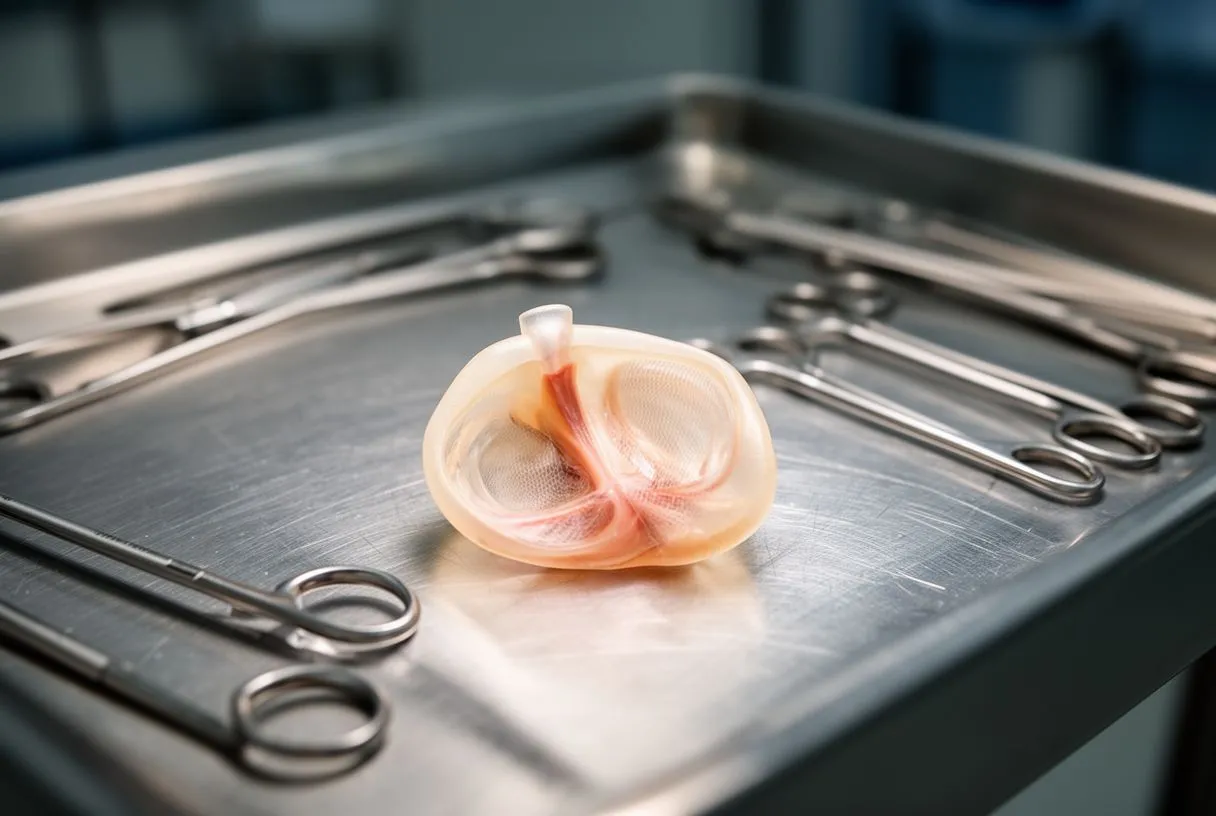
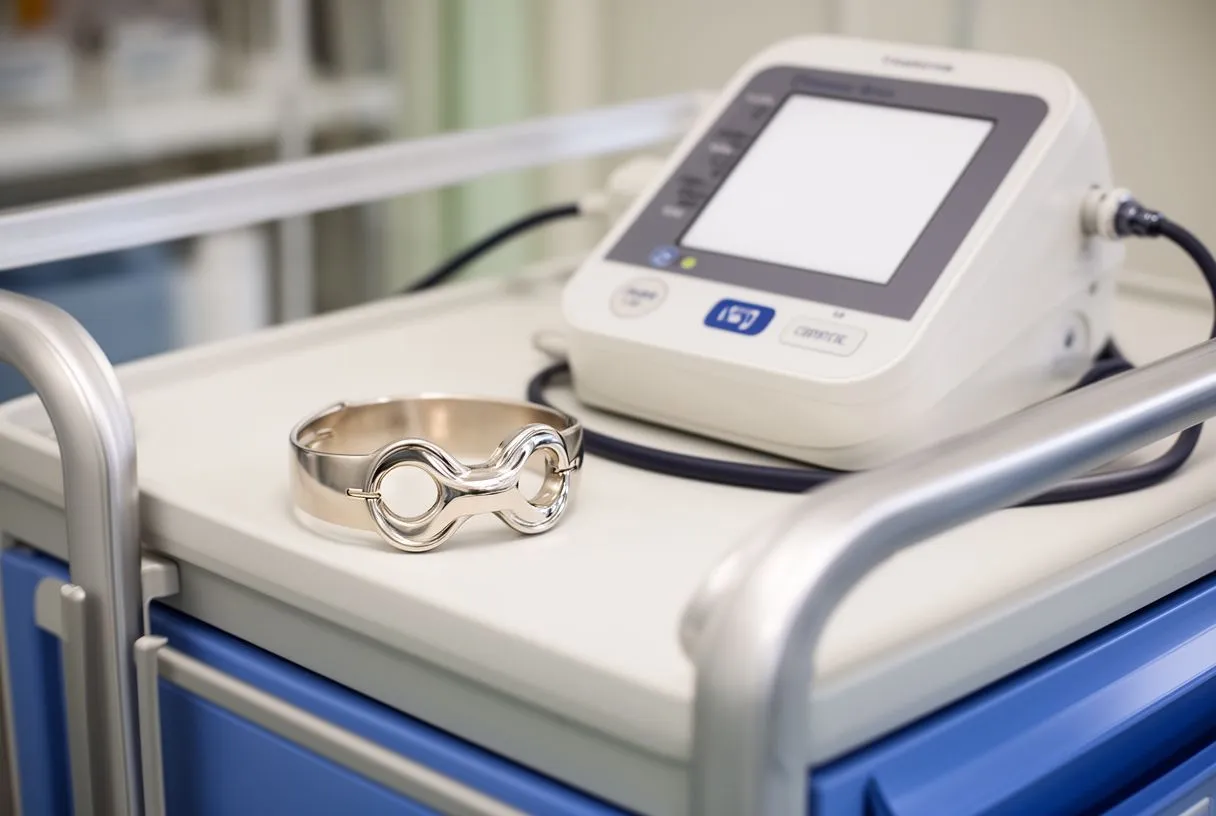
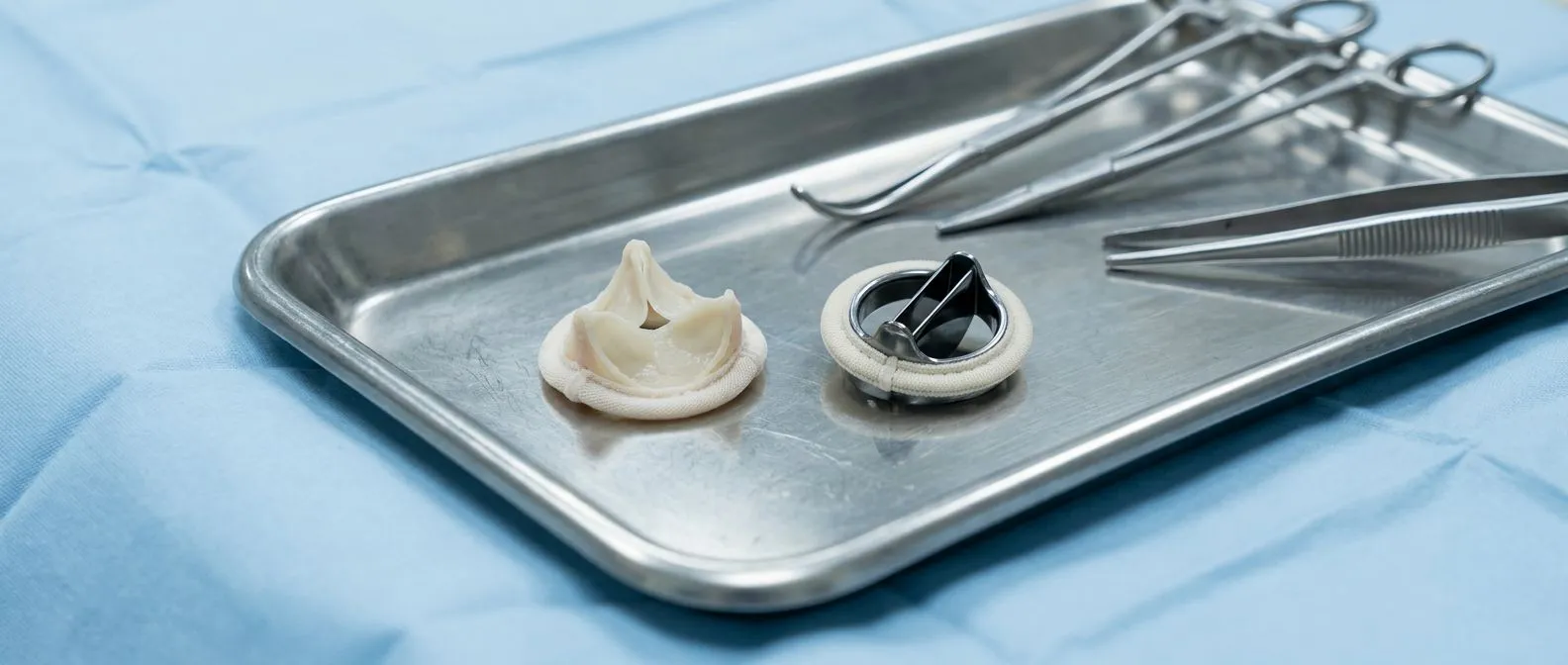
Mechanical valves. A mechanical valve is made of durable artificial materials and can last a lifetime. Within this family, designs differ in where the valve sits relative to the Valve Annulus: an Intra-annular Valve seats within the natural ring, a Supra-annular Valve sits above it, and some designs minimise the Stented Valve frame that holds them in place. A Stentless Valve, which uses no rigid frame at all, is a further option in selected cases. The trade-off is that mechanical valves require lifelong anticoagulation medication to prevent clots, which adds ongoing monitoring and medication costs — and bleeding risk.
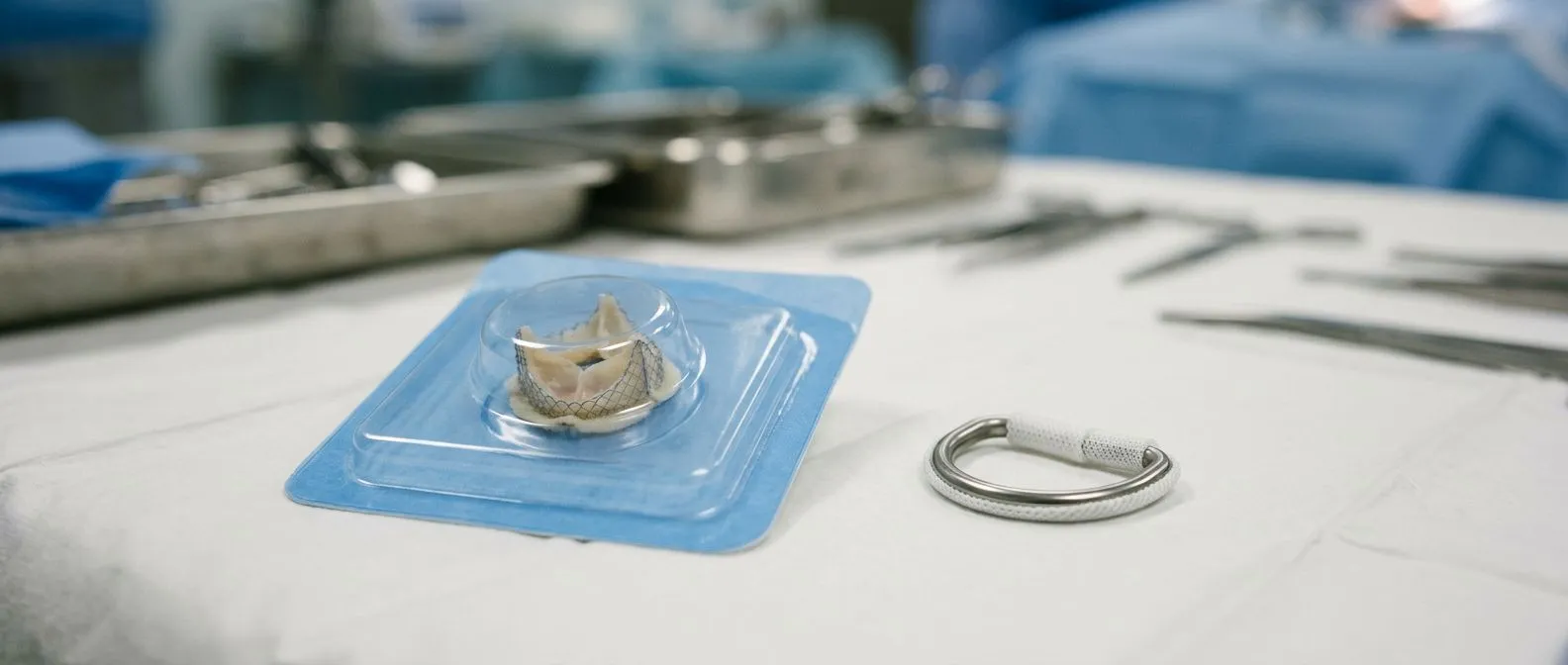
Biological valves. A biological valve is made from animal or human tissue. It usually does not require lifelong anticoagulants, but it wears out sooner, meaning a possible reoperation years later — the Valve-in-valve technique, in which a new transcatheter valve is placed inside the old one, can sometimes avoid a repeat open operation. The choice is therefore not about which valve is cheaper on the day, but which costs less over your lifetime.
How the valve choice affects the bill. Because mechanical and biological valves have different purchase prices, the prosthetic valve can shift the total meaningfully. Ask your team to quote the valve separately from the rest of the package.
Transcatheter Aortic Valve Replacement — TAVR — is a catheter-based procedure in which a new valve is delivered through an artery, usually in the groin, without opening the chest. It is less invasive, but the catheter valve itself is expensive, which is why TAVR cost is not automatically lower than surgery despite the shorter hospital stay.
Where TAVR fits. International guidelines recommend TAVR for older patients and those at higher surgical risk, and it is increasingly used in intermediate-risk patients too. Recovery is faster — many patients go home within days — but the procedure requires dedicated imaging and a heart team, and not every anatomy is suitable. A stenotic aortic valve may also present with a Valve Cusp that is too calcified or too small for a transcatheter valve, which changes the plan.
What the evidence says about safety. Large published comparisons show that in appropriately selected patients, TAVR and surgical outcomes have converged, with each approach suited to different patient profiles. A review indexed in Europe PMC summarises the evolution of transcatheter aortic valve therapy and its expanding indications. Europe PMC
We are a multidisciplinary team led by Dr Alejandro Molina, with consulting rooms in Guadalajara, Querétaro and Hermosillo, and we perform both conventional and transcatheter procedures — so when we discuss TAVR versus surgery, we are comparing options we genuinely offer, not just recommending what we happen to do.Insurance changes the picture dramatically, and it is worth understanding before you commit to a plan. Coverage varies by country, by policy, and by whether the hospital is in the insurer's network.
Questions to ask your insurer. Before surgery, get written answers to the following:
- Authorisation: is pre-authorisation required, and how long does it take?
- Valve coverage: does the policy cover the prosthetic valve device itself, or only the hospital stay and surgeon fees?
- Network: is the hospital and surgeon in-network, and what is the difference in your out-of-pocket amount?
- Complications: if an unexpected event extends the stay, how are those extra charges handled?
Self-pay and international patients. Many patients travelling from abroad pay directly, and reputable hospitals issue itemised package quotes. The key is to compare quotes on the same basis — same valve type, same approach, same expected length of stay — otherwise the numbers are not comparable at all.
Mexico has established cardiac surgery centres, and patients from the United States and Canada increasingly look here for the same procedures at lower private prices.
What to verify when comparing centres. Look for a dedicated cardiac surgery programme, an intensive-care unit with cardiac experience, a heart team that includes both surgeons and cardiologists, and transparent, itemised pricing. Ask how many of the specific procedure you need the team performs each year.
How we work with patients. We encourage second opinions and treat seeking one as a normal part of deciding about heart surgery. In the consultation we take the time to explain what the studies actually show, in plain words, and to answer every question before any decision is made — and a face-to-face visit at the consulting rooms follows only when the patient decides to go ahead.
How Much Does Heart Valve Replacement Cost?
There is no single number. Globally, cardiac valve surgery ranges from a few thousand dollars in some public systems to well over one hundred thousand dollars in certain private settings, depending on the country, the hospital, and the technique. Asking "how much does heart valve replacement cost" is like asking the price of a house — the answer depends on where, what, and who.
What the total usually includes. A quote for valve surgery typically covers the hospital stay, the operating room and equipment, the surgeon's and anaesthesiologist's fees, the prosthetic valve itself, imaging and laboratory studies, and initial recovery care. Complications or a longer intensive-care stay can raise the final figure, which is why honest teams talk in ranges, not guarantees.
Why public figures feel so different. Prices reported online often mix public-system reimbursements with private-package pricing, and different currencies and years make comparisons misleading. The most reliable way to get a real number is a personalised estimate from a cardiac team after reviewing your studies.
How Serious Is a Leaky Heart Valve?
A leaky valve — regurgitation — lets blood flow backwards, so the heart does extra work with each beat. Its seriousness depends on which valve, how severe the leak, and how the heart is coping. A mild leak is common and often needs only monitoring. A severe leak, especially in the mitral or aortic valve, can lead to enlargement of the heart and heart failure if untreated.
Warning signs that matter. Breathlessness on activity, fatigue, swelling of the ankles, palpitations, or fainting should never be ignored. These symptoms are the reason your cardiologist orders an echocardiogram, the ultrasound that measures the leak and the heart's function.
When treatment becomes necessary. Guidelines define thresholds — for example, a dilated aortic root above about 5.5 cm generally prompts surgery, and severe symptomatic regurgitation is an indication for intervention. The severity of a leaky valve, not the price, is what determines whether treatment is elective, urgent, or a matter of monitoring. In some cases the aorta itself is involved, which is why procedures such as Aortic Root Replacement, Valve-sparing Root Replacement, or Hemiarch Replacement exist — they address the valve and the artery together, and each carries its own cost and recovery profile.
How Successful Is Mitral Valve Replacement?
Mitral valve operations are among the most studied procedures in cardiac surgery. For suitable patients at experienced centres, mitral valve repair has excellent durability and outcomes, and replacement with modern prosthetic valves also gives reliable, life-long function.
What influences success. Outcomes depend on the patient's age and overall condition, the valve disease itself, the surgical approach, and the volume of the centre. In selected patients, the Transcatheter Mitral Valve Replacement route — delivering a valve by catheter — offers an option for those who cannot undergo open surgery, and Recovery after catheter procedures is typically much faster than after open-heart operations.
A note on the anaesthesia and protection of the heart. During open valve surgery, the heart is temporarily stopped and protected with a special solution — cardioplegia — delivered to the heart muscle. A clinical study published in the Brazilian Journal of Cardiovascular Sciences examined single-dose lignocaine-based blood cardioplegia in patients undergoing valve replacement, addressing how the heart is protected during the operation. Brazilian Journal of Cardiovascular Sciences
Dr Molina performed the first robotic mitral valve repair in the Ángeles Health System and the first robotic heart surgery in Guadalajara — experience that matters when a patient is deciding between repair and replacement for the mitral valve.Conclusion: The heart valve replacement cost is shaped by the valve you need, the approach chosen, the hospital, and the complexity of your own case — but cost should never be the first question. The first question is whether you need treatment at all, and if so, which option gives the lowest risk for your situation. Ask for an itemised estimate, check your insurance, and if you are weighing a second opinion or considering treatment in Mexico, we invite you to book a free video consultation with our cardiac team to discuss your studies and receive a clear, personalised proposal.