
Out-of-Pocket Cost of Heart Surgery: Planning Ahead
Out-of-pocket heart surgery cost explained: compare expenses, insurance gaps, financing options, and recovery budgets.
When a cardiologist recommends surgery on your heart, the clinical news usually arrives first and the financial reality follows close behind. Out-of-pocket heart surgery cost refers to the portion of your total medical bill that you pay directly — not the amount your insurance or public health system covers, but the balance that comes out of your savings, your family's contributions, or a financing arrangement. For many patients and families, this figure is the difference between proceeding confidently and postponing a necessary procedure indefinitely.
What counts as out-of-pocket: Deductibles (the amount you pay before insurance kicks in), co-pays (fixed fees per visit or service), and co-insurance (the percentage you owe after the deductible is met) all feed into the final number. If you have no insurance or limited coverage, your out-of-pocket responsibility can approach the full billed charge — which is typically far higher than the negotiated rate an insurer pays. Understanding this distinction early helps you compare quotes honestly and avoid surprises at discharge.
It is natural to feel overwhelmed when you first see an estimate. The key is recognising that a quoted price is a starting point for conversation, not a final verdict. A transparent cardiac team will break down the estimate into surgeon fees, anaesthesia, hospital stay, imaging, and post-operative care so you can see exactly where the money goes and where there may be room to plan or negotiate.
What is the out-of-pocket cost of heart surgery?
When a cardiologist recommends heart surgery, the medical news usually arrives first and the financial reality soon after. The out-of-pocket cost of heart surgery is the part of the total medical bill that you pay directly; not the amount covered by your insurance or the public health system, but the balance that comes out of your savings, your family's contributions or a financing plan. For many patients and their families, this figure makes the difference between going ahead with confidence and postponing a necessary procedure indefinitely.
What counts as out-of-pocket cost: Deductibles (the amount you pay before insurance takes effect), co-payments (fixed fees per visit or service) and co-insurance (the percentage you must pay once the deductible is met) add up to the final amount. If you have no insurance or your coverage is limited, your out-of-pocket responsibility can approach the full billed amount, which is usually far higher than the negotiated rate an insurer pays. Understanding this difference from the start helps you compare quotes honestly and avoid surprises at discharge.
It is natural to feel overwhelmed when you see an estimate for the first time. The key is to recognise that the quoted price is a starting point for a conversation, not a final verdict. A transparent cardiology team will break the estimate down into the surgeon's fees, anaesthesia, hospital stay, imaging and postoperative care so that you can see exactly where the money goes and where there may be room to plan or negotiate.
Factors That Affect Heart Surgery Expenses
Several variables determine what you ultimately pay, and not all of them are obvious. The type of procedure is the single biggest driver: a coronary artery bypass graft involving an arterial graft harvested from your chest wall carries a different cost profile than a valve replacement using a balloon-expandable valve delivered through a catheter. Complexity, duration of cardiopulmonary bypass, and the number of days in the intensive care unit all add to the total.
Procedural complexity matters: Surgery on the ascending aorta — the first segment of the body's largest artery as it leaves the heart — requires more time, specialised equipment, and often a longer hospital stay than a straightforward single-vessel bypass. If your surgeon needs to place an arterial line for continuous blood-pressure monitoring or use an arterial cannula during bypass, these components appear on the itemised bill. Each has a cost that varies by hospital and region.
Beyond the operating room, the condition of your heart tissue influences expense. Heavily calcified valves, extensive atheromatous plaque in your coronary arteries, or pre-existing rhythm problems such as atrial flutter — a rapid, irregular electrical pattern in the upper chambers — can extend operative time and recovery. According to JAMA Network, prolonged operative times correlate with higher resource utilisation and longer ICU stays, which directly affect what you pay.
How Insurance Coverage Works for Cardiac Procedures
Insurance — whether private, employer-sponsored, or a government programme — rarely covers every line item of a cardiac surgery. Most policies have annual deductibles, out-of-pocket maximums, and exclusions for certain services or supplies. If you are insured, request a pre-authorisation summary from your provider before the surgery date; this document spells out what your plan agrees to pay and what remains your responsibility.
Understanding your policy's structure: A plan with a low premium often carries a high deductible, meaning you could owe several thousand dollars before coverage begins. Conversely, a plan with a higher monthly premium may cover more of the surgical cost upfront. If you are travelling internationally for care — for instance, coming to Mexico for surgery with Dr Alejandro Molina — your home-country insurance may not reimburse overseas providers, making the entire amount out-of-pocket unless you have specific medical-tourism coverage.
For patients who carry supplementary policies or travel-insurance riders, read the fine print on cardiac exclusions carefully. Some policies exclude pre-existing conditions for a defined waiting period, and others cap payouts for major surgery. When coverage gaps are clear in advance, you can plan around them with savings, financing, or a staged payment arrangement with the hospital.

The surgical estimate is often just the headline figure. Patients and families are frequently caught off guard by expenses that surface weeks or months after the operation. Medications are a common surprise: after a valve replacement you may need anticoagulation therapy such as that studied in the ARISTOTLE trial, along with aspirin for platelet inhibition. These prescriptions carry ongoing monthly costs that can accumulate if your pharmacy plan has high co-pays.
Rehabilitation and follow-up imaging: Cardiac rehabilitation — supervised exercise and education sessions — is strongly recommended after most heart surgeries, yet many insurance plans limit the number of covered sessions. If you need additional sessions beyond the cap, you pay privately. Follow-up echocardiograms, stress tests, and occasional CT scans to monitor graft patency or valve function also carry separate charges that may not be bundled into the original surgical package.
Other easily overlooked costs include compression garments, wound-care supplies, transportation to and from follow-up appointments, and modifications to your home (a shower bench, a recliner for sleeping upright, or temporary ground-floor accommodation if stairs are difficult). None of these are catastrophic individually, but together they can add meaningfully to your out-of-pocket heart surgery cost over the first three months.
Cost variation between countries is dramatic and well documented.
Quality benchmarks remain consistent: Surgeons trained in Mexico, the United States, and Europe follow the same operative principles and use the same implantable devices. Whether you receive a bioprosthetic valve or a balloon aortic valvuloplasty to stretch a narrowed valve before a decision on replacement, the procedural standards are guided by international consensus documents such as the 2016 European Guidelines on cardiovascular disease prevention in clinical practice. These guidelines set thresholds for intervention — for example, an aortic root diameter of 5.5 cm or more in patients without risk factors, with a lower threshold when risk factors are present — and those thresholds apply regardless of where the surgery takes place.
When comparing quotes, make sure you are comparing like with like. A price that covers the surgeon, anaesthesiologist, hospital stay, and implants is not the same as a price that covers only the surgeon's fee. Ask each provider for an itemised estimate so you can see whether post-operative ICU days, imaging, and discharge medications are included or billed separately.
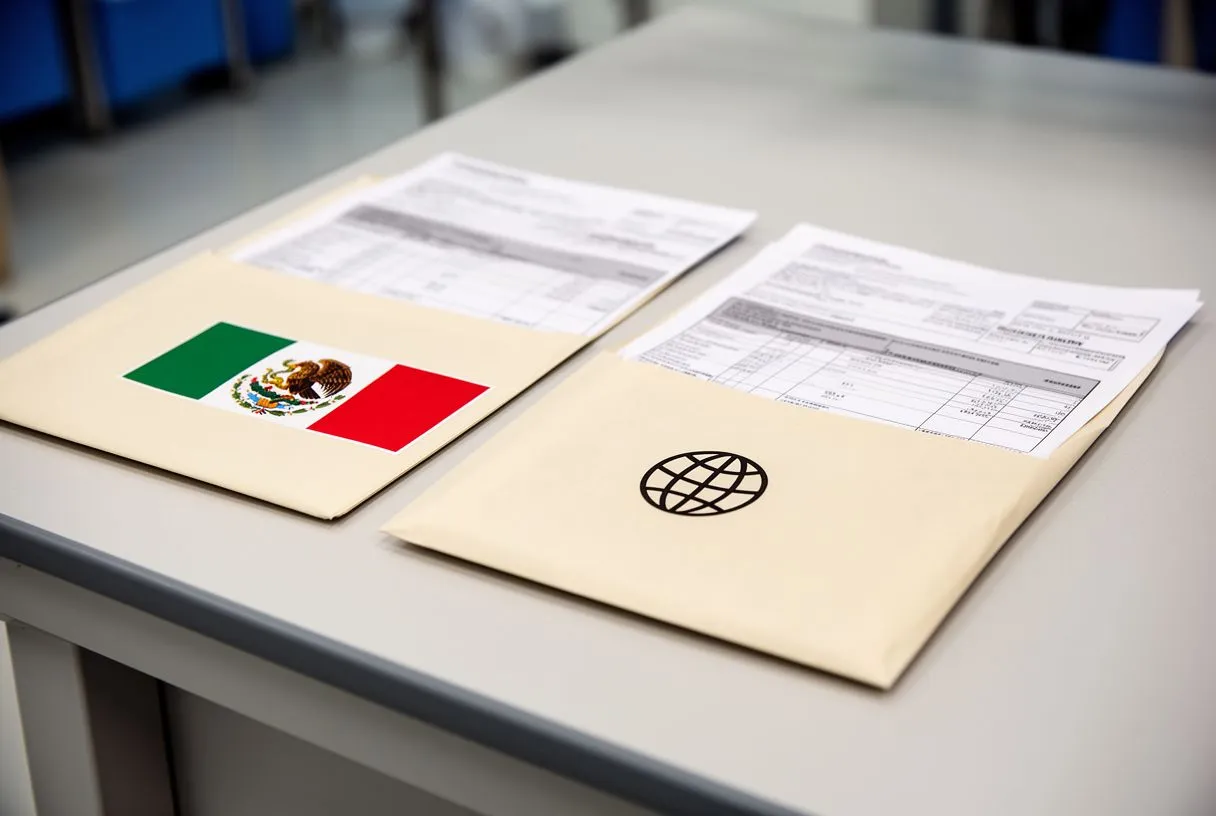
If the total exceeds what you can pay from savings, several financing pathways exist. Medical loans from specialised lenders offer fixed interest rates and terms structured around major procedures. Some hospitals and surgical groups offer in-house payment plans that let you spread the cost over six, twelve, or twenty-four months. These arrangements are worth discussing openly with the billing office — the earlier you raise the question, the more flexibility you typically have.
Personal savings and family support: Many patients fund heart surgery through a combination of retirement savings, family contributions, and short-term credit. If you are drawing from retirement accounts, check whether your country's tax rules allow penalty-free withdrawals for documented medical hardship. Some families pool resources across several members; others use crowdfunding platforms to share the financial burden among a wider community.
Credit cards can bridge small gaps but are rarely a sustainable strategy for the full surgical cost because of high interest rates. A more structured option is a personal loan from a bank or credit union, which typically offers a lower rate and a predictable monthly payment. Whichever route you choose, confirm the total interest paid over the life of the loan and make sure the monthly payment fits your post-surgery budget — remembering that your income may be reduced during recovery.
Clear communication about cost is not a sign of distrust; it is a sign of a well-prepared patient. When you meet with your cardiac surgeon or the practice's patient coordinator, bring a written list of questions. A transparent team will welcome them and give you direct, itemised answers rather than vague estimates. This conversation is also your opportunity to understand what is included in the quoted price and what might generate a separate bill later.
Questions that protect your budget:
- Itemised estimate: Does the quote include surgeon fees, anaesthesia, hospital stay, ICU, implants, imaging, and discharge medications?
- Follow-up costs: How many post-operative visits, echocardiograms, and rehabilitation sessions are included, and what happens if I need more?
- Prescription expenses: Which long-term medications will I need, and are there lower-cost alternatives available locally?
- Complication coverage: If a complication extends my hospital stay, is that additional cost included or billed separately?
Having these answers in writing — even as an email summary from the coordinator — gives you a reference document you can return to if a billing question arises after surgery. It also lets you compare offers from different providers on an equal footing, which is essential when you are weighing options across countries or health systems.

Recovery Expenses and Time Off Work
Recovery from heart surgery is measured in weeks and months, not days, and the financial impact of that timeline is often underestimated. Most patients need six to eight weeks before returning to desk work and three months before resuming physical labour. During that window, your income may drop if your employer does not offer paid medical leave or if you are self-employed. Planning for reduced earnings is just as important as planning for the hospital bill.
Direct recovery costs add up: Wound-care supplies, follow-up transportation, and home-help services — whether a visiting nurse, a family member who takes unpaid leave, or a temporary caregiver — all carry real costs. If your surgery involves an autograft (tissue transplanted from one part of your body to another, such as a vein harvested for bypass), the donor-site incision adds its own healing timeline and care needs. Patients who receive autologous blood — their own blood collected before surgery and reinfused to reduce transfusion risks — may have had pre-operative processing fees that appear as a separate charge.
Cardiac rehabilitation, if it is not fully covered, typically runs for twelve to thirty-six sessions over several weeks. Each session has a per-visit cost that varies by facility. Ask your surgical team whether they partner with a specific rehabilitation centre and whether package pricing is available. Planning these expenses before surgery — rather than discovering them mid-recovery — keeps your finances stable during the weeks when your focus should be on healing.
When Medical Travel Makes Financial Sense
Travelling for heart surgery is a significant decision, but for many patients it is the most financially rational one. Mexico, in particular, offers a combination of geographic proximity, internationally trained surgeons, and modern facilities that makes it a practical option for patients from the United States, Canada, and Latin America.
What to factor into travel costs: The surgical quote is only one part of your total out-of-pocket heart surgery cost when you travel. You also need to budget for flights, ground transportation, accommodation for a companion before and after your procedure, and meals during the recovery period outside the hospital.
Research compiled using systematic-review methodologies — such as those described in the PRISMA 2020 explanation and elaboration — shows that patients who travel for cardiac care generally report high satisfaction when they choose accredited facilities and experienced surgeons.

Planning Your Budget Before Heart Surgery
A budget built before surgery — even a rough one — transforms uncertainty into a manageable plan. Start with the itemised surgical estimate, add the hidden costs you now know to expect, include your travel and accommodation expenses if relevant, and layer in the recovery costs such as medications, rehabilitation, and reduced income. The total gives you a realistic picture of what the next three to six months will require financially.
Build a contingency cushion: No matter how carefully you plan, complications can extend a hospital stay by days or add unexpected procedures. A cushion of ten to fifteen percent above your best estimate is prudent. If the final bill comes in lower, you have savings to redirect; if it comes in higher, you are not caught short. Discuss this contingency with your billing coordinator so they understand your parameters and can flag any decisions that might push the total beyond what you have planned.
Ultimately, the goal of budgeting is not to add stress but to remove it. When you know the numbers, you can focus on what matters most: your recovery and your return to the activities and people you value. If you are considering heart surgery, we encourage you to book a consultation with our cardiac team. In the consultation, the team explains what your studies show and which studies are still needed, so you can make an informed, confident decision.