Immunosuppression After Heart Transplant: Medicines and Risks
Immunosuppression after heart transplant explained: tacrolimus, mycophenolate, cyclosporine, side effects, and long-term risks.
When a donor heart begins to beat inside a new chest, the recipient's immune system immediately sees it as foreign tissue and tries to destroy it. Immunosuppression after heart transplant is the disciplined, lifelong use of medicines that calm that immune response so the donor organ can keep working. For patients and families, this phase is often the most anxious part of recovery, because the same drugs that protect the new heart also weaken defences against infection and create other long-term risks. This guide explains, in plain language, what each major medication does, how decisions are made, what side effects to watch for, and how a cardiac transplant team balances protection against harm. Every patient's regimen is individualised; nothing here replaces a conversation with your own transplant physician.
What Is Immunosuppression After Heart Transplant?
Immunosuppression after heart transplant is a carefully titrated medical strategy, not a single pill. The goal is to suppress just enough of the immune system to prevent rejection of the donor heart while leaving enough function to fight everyday infections. Transplant physicians describe this as walking a narrow ridge: too little suppression and the body attacks the new heart; too much and opportunistic infections, kidney injury, and certain cancers become more likely.
The immune system identifies foreign tissue mainly through proteins on cell surfaces called human leukocyte antigens. A donor heart, even when matched carefully, carries antigens the recipient's body has never met. White blood cells recognise this mismatch and mount a response that, untreated, would damage the heart muscle and coronary lining within days to weeks.
Is immunosuppression forever? Yes, in almost every case. The immune system does not "learn" to accept a donor organ, so medicines must continue for life, though doses are often reduced to the lowest effective level during the second year. Some research protocols study carefully selected withdrawal, but standard practice remains lifelong therapy. The donor ascending aorta and heart are sewn to the recipient's own vessels during the operation, but the immune mismatch is cellular, not structural, so healing the surgical joins does not end the immunological threat.
Why Your Body Needs Anti-Rejection Drugs
Without anti-rejection medication, the body's T lymphocytes would infiltrate the donor heart within the first week. This process, called acute cellular rejection, can reduce the heart's pumping force and, in severe episodes, cause haemodynamic collapse. Rejection is not always obvious: mild episodes may produce only fatigue or a slight fall in blood pressure, which is why surveillance biopsies are scheduled routinely during the first months. National cardiac transplant registries and transplant immunology research tracked through the NCBI document that modern triple-drug regimens have substantially lowered early rejection rates compared with earlier eras.
What does rejection actually feel like? Many patients feel nothing at all in mild cases, which is the danger of relying on symptoms alone. More significant rejection can cause shortness of breath, palpitations, low-grade fever, or a sudden inability to do activities that were easy the week before. If you notice these signs you should contact your transplant coordinator immediately rather than waiting for the next biopsy.
There is also a slower, chronic form of injury called cardiac allograft vasculopathy, in which the coronary arteries of the donor heart narrow diffusely over years. This is partly immune-mediated and is a leading cause of late graft loss, which is why long-term immunosuppression is not simply about preventing acute episodes but also about protecting the coronary lining over decades.
Types of Immunosuppressants After Heart Transplant
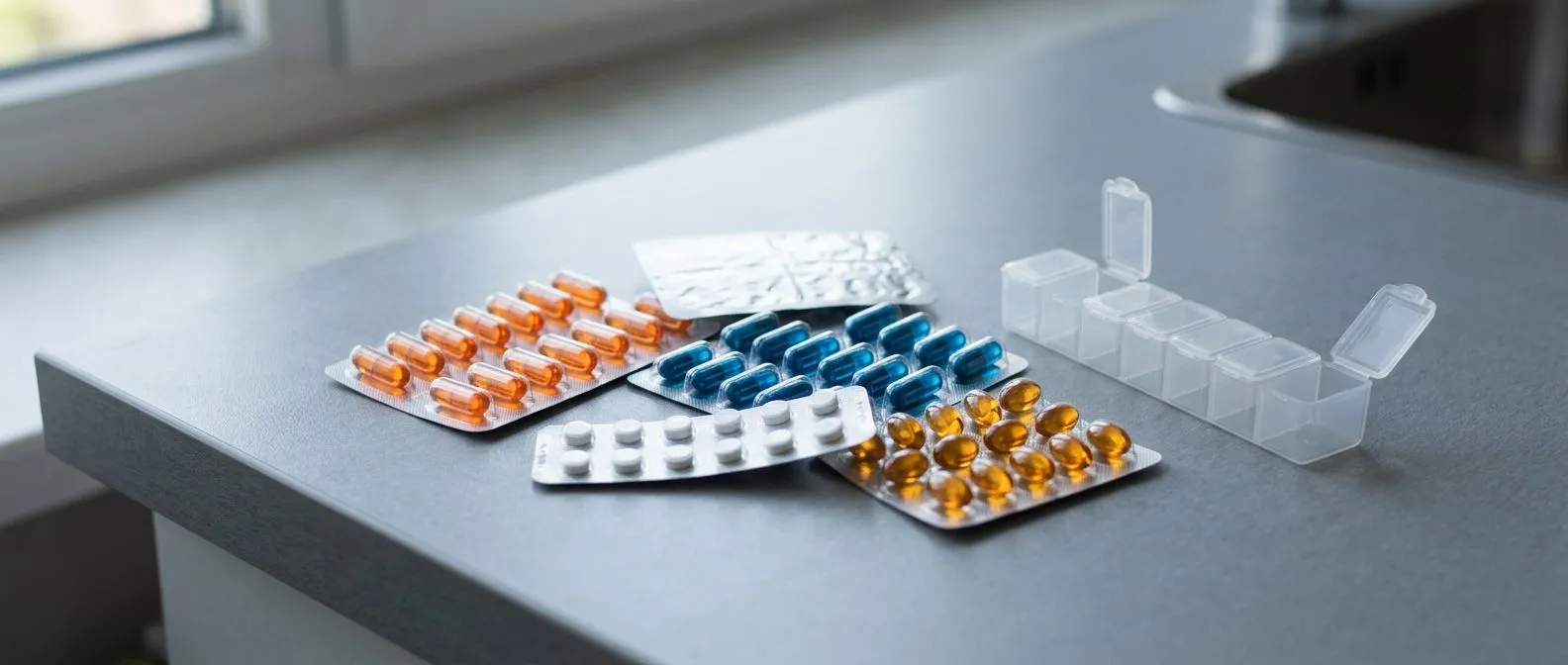
Most heart transplant programmes use a combination of three drug classes rather than one medicine alone. The reasoning is simple: each class blocks the immune response at a different point, so lower doses of each can be used, reducing toxicity. The backbone is usually a calcineurin inhibitor (tacrolimus or cyclosporine), paired with an antiproliferative agent (mycophenolate mofetil or azathioprine), and a corticosteroid that is tapered over weeks.
Why combine drugs instead of giving one strong medicine? Because a single high dose of any one agent causes unacceptable side effects, particularly kidney damage and diabetes. Combining medicines with different mechanisms lets the team use roughly half the dose of each, achieving better rejection control with less organ toxicity. This is the same principle used in cancer chemotherapy and HIV treatment.
- Calcineurin inhibitors: tacrolimus or cyclosporine block the signal that tells T cells to multiply and attack.
- Antiproliferatives: mycophenolate or azathioprine slow the cell division that produces new immune cells.
- Corticosteroids: prednisone broadly dampens inflammation, then is tapered to the lowest possible dose.
Some patients also receive an induction agent at the very start, such as basiliximab or antithymocyte globulin, to cover the immune system quickly while the maintenance drugs reach stable levels in the blood.

How Tacrolimus Works in Heart Transplant Patients
Tacrolimus is now the most commonly prescribed calcineurin inhibitor in heart transplantation. Inside T lymphocytes it binds to a protein called FKBP-12, and the resulting complex blocks calcineurin, an enzyme that normally activates genes driving immune attack. The result is that T cells stay quiet and do not release the inflammatory signals that would damage the donor heart.
The therapeutic window is narrow. Blood levels that are too low invite rejection; levels that are too high cause tremor, headache, kidney injury, and a higher risk of new-onset diabetes after transplant. For this reason, tacrolimus is monitored with trough blood levels, usually drawn just before the morning dose, and the dose is adjusted frequently during the first months.
Many common medicines alter tacrolimus levels dramatically. Grapefruit juice, certain antibiotics (notably macrolides), and some antifungals can raise levels sharply, while rifampicin and certain anticonvulsants lower them. Patients are given a wallet card listing interacting drugs and are told to remind every non-transplant doctor, dentist, and pharmacist that they take tacrolimus before any new prescription is issued.
Cyclosporine for Heart Transplant: When It Is Chosen
Cyclosporine was the first calcineurin inhibitor to transform heart transplant outcomes, and it remains a valid choice in selected patients. It works through the same final pathway as tacrolimus but binds to a different internal protein, cyclophilin. Its side-effect profile differs in clinically important ways, which is why some patients are switched to it after problems with tacrolimus.
Cyclosporine tends to cause more gum overgrowth, hair growth on the face and arms, and high blood pressure, but less diabetes than tacrolimus. A patient who develops severe tremor or post-transplant diabetes on tacrolimus may do better on cyclosporine. The decision is individualised and guided by repeated blood pressure, kidney function, and glucose measurements. Outcomes research on alternative cardiac interventional pathways, such as the work catalogued for Transcatheter Aortic-Valve Implantation for Aortic Stenosis in Patients Who Cannot Undergo Surgery, illustrates how modern cardiac care increasingly offers matched, lower-risk options for patients who cannot tolerate a standard approach, and immunosuppression selection follows a similar principle of fitting the therapy to the person.
Is cyclosporine being phased out? Not entirely. While tacrolimus has become first-line at most centres, cyclosporine is still used when tacrolimus is poorly tolerated or in specific combined regimens. The drug also requires the same careful interaction counselling, because it is metabolised by the same liver enzyme pathway.

Mycophenolate Mofetil: The Cell Division Blocker
Mycophenolate mofetil, often abbreviated MMF, is the antiproliferative partner in most modern regimens. It blocks an enzyme called inosine monophosphate dehydrogenase, which lymphocytes rely on heavily to make new DNA. Because most other cells can use alternative pathways, MMF preferentially slows the very immune cells that would otherwise multiply and attack the donor heart.
Compared with the older azathioprine, mycophenolate is associated with lower rejection rates and better kidney-friendly compatibility, though it carries its own concerns: gastrointestinal upset, low white blood cell counts, and a recognised risk of birth defects, so reliable contraception is essential for patients of childbearing potential. Doses are often split into twice-daily intake to keep levels steady and reduce stomach side effects.
Many patients tolerate MMF well once the dose and timing are settled. Taking it on an empty stomach improves absorption for some brands, while others are taken with food to reduce nausea, so the exact instruction depends on the formulation prescribed. Any persistent diarrhoea or unexplained drop in white cell count should be reported, because the dose may need to be reduced or split differently rather than stopped abruptly.
Induction vs Maintenance Immunosuppression Protocols
Transplant immunosuppression is delivered in two phases. Induction therapy is the strong, short-lived cover given around the operation itself, while maintenance therapy is the long-term regimen that the patient takes for life. Understanding this distinction helps families make sense of why medicine doses change so much during the first three months.
What is induction therapy in a heart transplant? It is a powerful antibody-based treatment given within hours of the new heart being sewn in, designed to deplete or block T cells at the moment the immune system first meets the donor tissue. Common agents include basiliximab, which blocks the interleukin-2 receptor, and antithymocyte globulin, which more broadly reduces lymphocyte numbers. Induction is not used in every patient: low immunological risk recipients may go straight to maintenance drugs.
Maintenance therapy usually begins as a triple regimen during the first weeks, then simplifies over time. Corticosteroids are tapered first, and many patients eventually take just two medicines, a calcineurin inhibitor plus mycophenolate. Some programmes offer steroid-free or calcineurin-sparing protocols for carefully selected patients, but these remain specialised decisions, never default choices. Any change in protocol is made alongside surveillance biopsies and lab monitoring.

Heart Transplant Medication Side Effects to Expect
Knowing what is normal and what is dangerous reduces anxiety during recovery. Many side effects of immunosuppression after heart transplant are expected and manageable, while others require prompt contact with the transplant team. Distinguishing the two is a skill patients develop with their coordinators over the first months.
Common and usually manageable effects include mild hand tremor with tacrolimus, softer stools with mycophenolate, increased appetite and mood changes with prednisone, and a tendency to bruise easily. These often improve as doses are tapered. Cosmetic changes such as facial hair growth on cyclosporine or weight redistribution from steroids can be distressing and are valid topics for discussion, not vanity.
Which side effects need urgent attention? Fever above 38°C, a sudden drop in urine output, severe headache with high blood pressure, uncontrolled vomiting that prevents taking medicines, or any chest pain or new palpitations all warrant immediate contact. Infection is the most common reason for early hospital readmission, so even a low-grade fever in the first three months is taken seriously. Low-dose Aspirin is sometimes added to the regimen for cardiovascular protection, but it does not replace immunosuppression, and bleeding risk is watched when it is combined with steroids.
Long-Term Immunosuppression Risks: Infection, Cancer, and Kidney
Beyond the first year, three risks dominate long-term management: infection, malignancy, and chronic kidney injury. None of these means the regimen has failed; they are the recognised cost of keeping a foreign heart safe, and modern protocols are designed to minimise each of them.
Infection risk is highest in the first six months, when immunosuppression is strongest. Patients are vaccinated before transplant where possible and treated preventively against viruses such as cytomegalovirus and fungi such as candida. After the first year, with lower doses, everyday infections become more like those of the general population, though vigilance remains. Kidney injury accumulates because calcineurin inhibitors constrict the blood vessels of the kidney over years; some patients eventually need a kidney transplant, and dosing is continually adjusted to protect renal function.
Does immunosuppression really increase cancer risk? Yes, modestly, for certain cancers. Skin cancers, especially squamous cell carcinoma, are markedly more common and require sun protection and regular dermatology review. Lymphoma risk is also elevated, linked to both the intensity of suppression and to Epstein-Barr virus. This long-term risk landscape mirrors broader cardiac epidemiology, captured in resources such as the Heart Disease and Stroke Statistics—2013 Update, which frames why reducing overall cardiovascular burden matters even in patients whose primary condition has been surgically corrected.

Monitoring and Lifestyle During Immunosuppressive Therapy
Living well with a transplanted heart is a daily practice. Medicines must be taken at the same times each day, blood levels checked on schedule, and symptoms reported early rather than late. Adherence is the single strongest predictor of long-term survival, stronger than any individual drug choice.
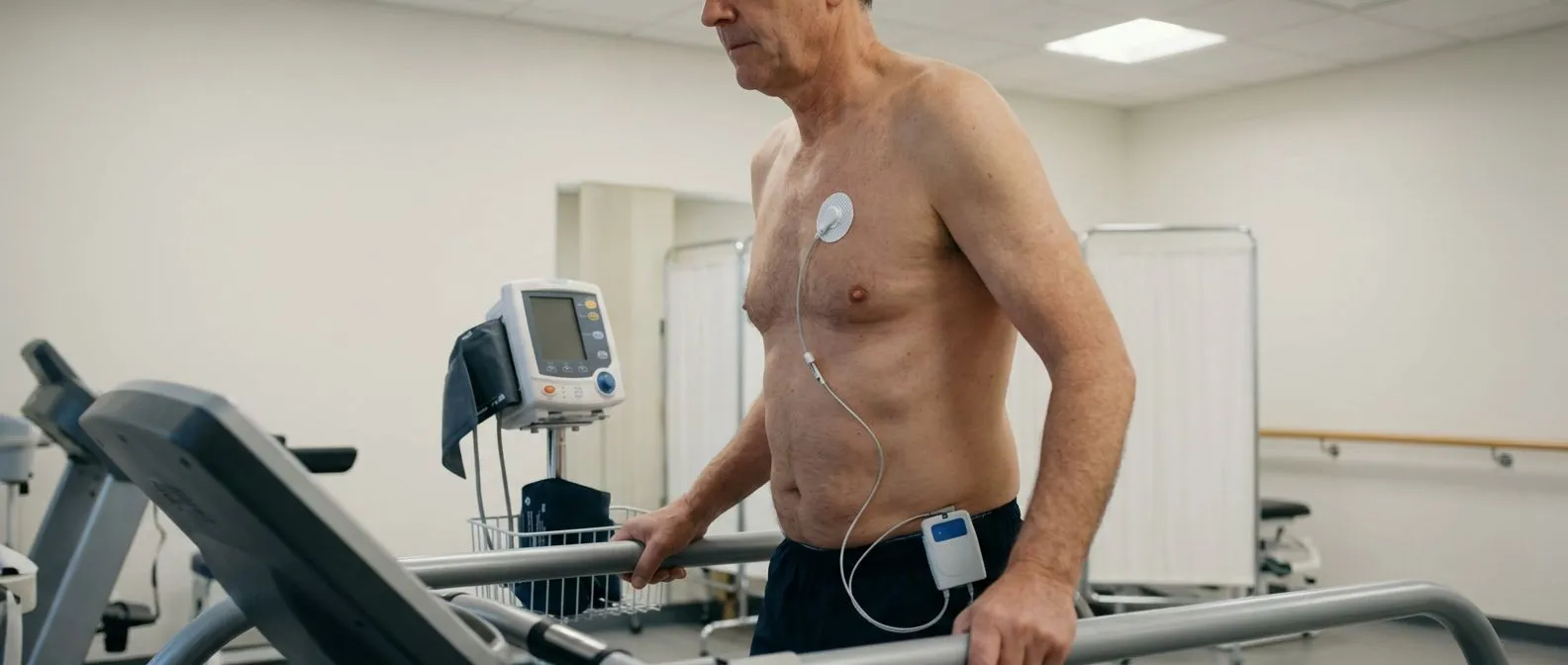
Monitoring during the first year usually includes regular endomyocardial biopsies through a vein in the neck, echocardiograms, and blood panels checking kidney function, blood counts, glucose, and drug levels. Over time, biopsies become less frequent and surveillance shifts toward watching for chronic rejection, kidney trends, and cancer screening. A reliable auscultation of heart sounds during clinic visits, alongside echocardiography, helps detect subtle changes in graft function before symptoms appear.
- Sun protection: daily sunscreen and full skin checks, because skin cancer is the most common post-transplant malignancy.
- Food safety: avoid raw meats, unpasteurised dairy, and unwashed produce to reduce infection risk.
- Gradual exercise: guided return to activity protects the new heart and counteracts steroid-related bone and muscle loss.
- Never stop abruptly: missing even a few doses can trigger acute rejection; always carry a backup supply when travelling.
Recovery is not linear, and the months after transplant often bring a mix of relief and unexpected fatigue. The most important step any reader can take is to discuss their own situation, their specific medicines, and their personal risk profile with a qualified cardiac transplant team, and to book a consultation rather than self-diagnosing from this guide. With careful monitoring and honest communication, most patients return to a full and meaningful life with their donor heart.