

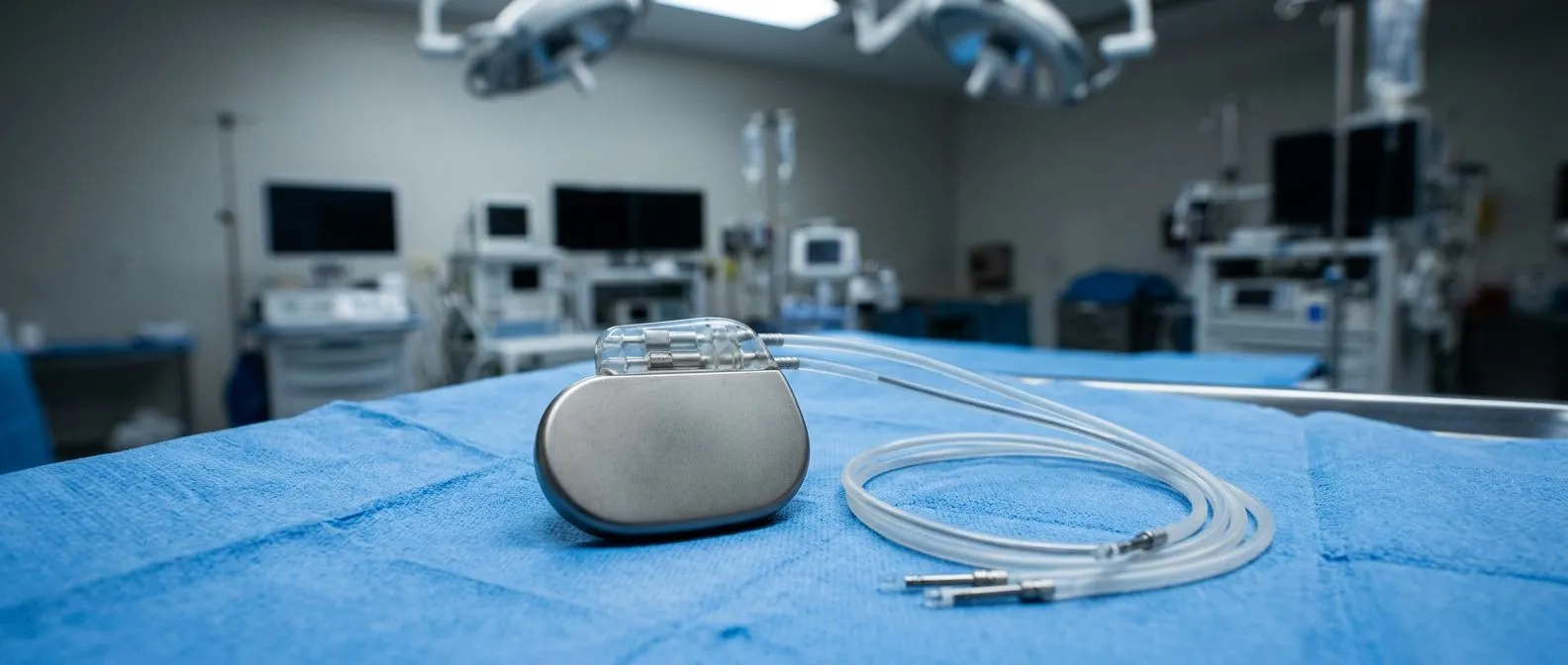
Implantable Cardioverter Defibrillator: Who Needs One
Are you an implantable cardioverter defibrillator candidate?
If you or someone close to you has been told the heart's electrical system is working against it, the phrase "implantable cardioverter defibrillator" may have come up in conversation with a cardiologist. Knowing whether you are an implantable cardioverter defibrillator candidate is one of the most consequential decisions in modern cardiology, because this small device can interrupt a lethal heart rhythm in seconds. This guide explains who qualifies for an ICD, how the device works, what implantation and recovery actually involve, and what life looks like afterwards. We will walk through the criteria doctors use, the risks worth knowing, and the questions to bring to your own cardiac team.
What Is an Implantable Cardioverter Defibrillator Used For?
An implantable cardioverter defibrillator, usually shortened to ICD, is a small device placed under the skin near the collarbone and connected to the heart by thin wires called leads. Its job is to watch the heartbeat continuously, around the clock, and to correct dangerous rhythms the moment they appear. It is used for one central purpose: preventing sudden cardiac death, which happens when the heart's lower chambers fall into a chaotic rhythm that cannot pump blood.
What it treats: The two rhythms an ICD is designed to stop are ventricular tachycardia, a dangerously fast heartbeat, and ventricular fibrillation, a quivering rhythm in which the heart stops pumping effectively. Without treatment, either rhythm can cause collapse within seconds. The ICD responds faster than any ambulance could, delivering therapy from inside the chest.
Who typically receives one: Doctors consider an implantable cardioverter defibrillator candidate in two broad situations. The first is people who have already survived a dangerous rhythm or cardiac arrest. The second is people who have never had an event but whose heart condition puts them at high risk of one. The device does not treat the underlying disease; it acts as a permanent safety net against its most dangerous complication.
How an ICD Works Inside the Heart
Understanding how a defibrillator works takes some of the fear out of the device. An ICD is essentially a tiny computer with a battery, connected to one or more leads threaded through a vein into the right side of the heart. The leads carry the heart's electrical signals back to the device, which analyzes every single beat. When it detects a rhythm outside the programmed limits, it delivers therapy automatically.
Two kinds of therapy: For a fast but organized rhythm, the device often first tries painless pacing impulses that override the abnormal circuit and restore a normal beat. Many patients never feel this, which is why it is called anti-tachycardia pacing. If that fails, or if the rhythm is chaotic, the ICD delivers a defibrillation shock to reset the heart's electrical activity all at once.
What the shock actually does: The shock depolarizes the entire heart muscle simultaneously, like pressing a reset button. This gives the heart's natural pacemaker a chance to restart a normal rhythm. It is the same principle as the shock from an Automated External Defibrillator, the pad-equipped boxes seen in airports, but delivered from inside the body within seconds of the rhythm starting.
Who Needs an ICD? Primary Prevention After Heart Failure or a Heart Attack
Most people who receive an ICD have never had a cardiac arrest. This is called primary prevention, meaning the device is implanted to prevent a first life-threatening event. The main yardstick is the ejection fraction ICD threshold: a measure, taken by echocardiogram, of how much blood the heart's main pumping chamber pushes out with each beat. A normal value is above about 55 percent; hearts below roughly 35 percent are considered at materially higher risk of sudden arrhythmic death.
Heart failure and dilated cardiomyopathy: Patients with a weakened heart from heart failure or from dilated cardiomyopathy, a condition in which the pumping chamber stretches and thins, are among the most common ICD candidates. Medical therapy matters enormously here: drugs such as beta-blockers and aldosterone antagonists reduce risk, and a landmark trial published in The New England Journal of Medicine showed that spironolactone reduced both hospitalization and death in patients with severe heart failure. An ICD is considered when the risk remains high despite optimal medication.
After a heart attack: Survivors of a myocardial infarction with persistently low ejection fraction, measured weeks after the event, may qualify for an ICD to prevent ventricular arrhythmia. The waiting period matters: doctors usually re-measure the heart forty days or more after the attack, because some recovery is normal and can change eligibility.
Other qualifying groups: Selection is not one number alone. Guidelines also weigh symptoms, heart rhythm findings and overall prognosis, and registries such as the one described in Journal of Arrhythmia show how real-world ICD use varies with local practice and patient characteristics.
Secondary Prevention: After a Cardiac Arrest or Dangerous Arrhythmia
Secondary prevention means the decision follows an event that already happened. Anyone who has survived a cardiac arrest caused by ventricular fibrillation, or who has experienced sustained ventricular tachycardia with symptoms, is a strong candidate for an ICD unless a fully reversible cause was identified and corrected. In these cases the device is not a precaution; it is the treatment for a risk that has already shown itself.
Why the event itself is not always enough information: After a resuscitated cardiac arrest, the team searches for a trigger. A heart attack in progress, a severe electrolyte imbalance, or a drug reaction can cause a dangerous rhythm that may not return once corrected. When no reversible cause exists, the ICD implant criteria are generally met.
What evaluation involves: Expect an echocardiogram, an ECG, often a longer-term rhythm monitor, and sometimes an electrophysiology study, in which the rhythm team deliberately tries to provoke the dangerous rhythm under controlled conditions. In our practice, every case of this kind is reviewed by the full multidisciplinary team against international guidelines before a recommendation is made, and the patient receives a clear proposal together with the alternatives, because the final decision always belongs to them. Every case is reviewed by the multidisciplinary team against international practice guidelines before a recommendation is given, and we present the patient with a clear proposal plus the alternatives, because the final decision is always theirs.
ICD for Inherited Heart Conditions: Hypertrophic Cardiomyopathy, Long QT and Brugada Syndrome
Some ICD candidates are young, athletic people whose hearts were built differently from birth. Inherited conditions can raise sudden cardiac death risk even when the pumping function is entirely normal, and genetic heart condition screening changes who needs an ICD in this group.
Hypertrophic cardiomyopathy: In this condition the heart muscle thickens abnormally, which can create both obstruction and electrical instability. Risk markers include a family history of sudden death, episodes of unexplained fainting, specific findings on heart MRI, and extreme wall thickness. When risk markers accumulate, an ICD is offered as protection.
Long QT syndrome and Brugada syndrome: These are electrical disorders of the heart, often traceable to a single gene, that can trigger dangerous rhythms without warning. A genetic heart condition ICD decision balances the specific mutation, personal symptoms such as fainting or survived arrest, and family history. Long QT syndrome defibrillator decisions also depend on whether medication and lifestyle changes control the risk.
Arrhythmogenic cardiomyopathy: In arrhythmogenic cardiomyopathy, portions of the heart muscle are gradually replaced by scar and fat tissue, creating electrical instability. Ventricular arrhythmia burden, structural changes and family history all feed the decision. For these rare conditions especially, evaluation by a team that sees them regularly makes a real difference, and we encourage a second opinion as a normal part of deciding about device implantation rather than a sign of distrust.
- Family history counts: If a relative died suddenly at a young age, tell your cardiologist even if you feel perfectly well — inherited conditions are often silent until they are not.
- Symptoms to report: Unexplained fainting during exercise, palpitations with lightheadedness, or a surviving family member's diagnosis should prompt specialist evaluation.
- Testing is layered: ECG, echocardiogram, exercise testing, cardiac MRI and genetic testing each add one piece to the risk picture.
ICD or Pacemaker: What's the Difference and Which Do You Need?
The difference between an ICD and a pacemaker confuses many patients, partly because a modern ICD can also work as a pacemaker. The two devices solve opposite problems. A pacemaker treats rhythms that are too slow or irregular by delivering small, painless electrical impulses that keep the heart beating on schedule. An ICD exists to stop rhythms that are too fast and dangerous, including with a shock.
When a pacemaker alone is right: If the problem is a blocked or sluggish electrical system with no risk of dangerous fast rhythms, a pacemaker is sufficient and simpler. Many people live decades with a pacemaker and never need more.
When an ICD is needed instead: If there is a risk of ventricular tachycardia or fibrillation, a pacemaker cannot help; a fast rhythm simply outruns the pacing. Some patients need both functions, and devices called CRT-D combine defibrillation with cardiac resynchronization therapy, which helps the heart's pumping chambers beat together in certain patterns of heart failure. A dual chamber ICD refers to a configuration with leads in two heart chambers, allowing the device to coordinate the atrium and ventricle — several manufacturers make them, and the dual chamber label describes the wiring rather than a special capability.
How your team decides: The choice follows from the rhythm diagnosis, not from preference or marketing. In our consultations we take the time to explain what the studies actually show, in plain words, and to answer every question before any decision is made. In the consultation we take the time to explain in plain words what the studies actually show, and to answer every question before any decision is made.
Are ICDs Safe? Risks and the Downside of a Defibrillator
ICDs are well-established devices with a long safety record, but an honest conversation includes the downsides. The implantation procedure itself carries a small risk of bleeding, infection, lead displacement or, rarely, puncture of the lung or heart. These complications are uncommon, and experienced teams manage them routinely, but they are real and worth knowing before the day of surgery.
The shock itself: The most discussed downside of a defibrillator is the sensation of a shock, which most patients describe as a forceful thump or kick in the chest — startling, briefly painful, and over in a second. A shock for a true emergency is a life-saving event, but inappropriate shocks, delivered for rhythms that were not dangerous, do happen and are one of the main sources of anxiety for ICD patients. Modern programming has sharply reduced inappropriate shocks, and some devices can be adjusted to pace first before shocking.
Longer-term considerations: Leads can degrade over years and occasionally need revision. The device requires regular checking, and its battery lasts a limited number of years. There are also psychological effects: some people live with persistent worry about receiving a shock, and this deserves attention and support rather than being waved away. If you experience a shock, contact your cardiology team promptly so the device can be interrogated and the rhythm identified. Device checks are scheduled regularly, and it helps to review any recorded shock with your care team, because understanding what happened is part of living well with the device.
What Happens During ICD Implantation and Recovery?
Implantation is usually a day procedure or a short hospital stay, performed with local anesthesia and light sedation rather than full general anesthesia. The team makes a small incision below the collarbone, threads the leads through a vein into the heart under X-ray guidance, positions them, and connects them to the device, which is placed in a pocket under the skin. Testing follows to confirm the device can capture and defibrillate the heart reliably.
The first days: Most people go home the same day or the next morning with a sore shoulder and instructions to keep the incision dry for about a week. Expect mild bruising and a hard ridge under the skin where the device sits, which softens over weeks. Pain is usually managed with ordinary analgesics.
Recovery milestones: The main restriction involves the arm on the device side, which should avoid lifting above shoulder height for several weeks so the leads can bed in securely. Patients typically return to desk work within days to a week and to fuller activity over four to six weeks, guided by their own team. Ask your team for a written timeline of what to expect each week of recovery, because knowing the sequence eases much of the anxiety.
Living a Normal Life with an ICD: Shocks, Driving and Daily Activities
Can you live a normal life with an ICD? For the great majority of recipients, yes — with a handful of sensible adjustments. Household electronics, phones, and microwaves pose no problem. Strong magnetic fields are the main caution: keep industrial magnets, high-power welding equipment, and certain medical procedures such as MRI known to your device team, since most modern ICDs are MRI-conditional with proper protocols.
Driving: Rules depend on why you received the device. After implantation for secondary prevention, there is typically a waiting period before driving again, because the underlying rhythm must prove it has not returned. Your cardiologist will give you the specific timeline that applies to your case and local regulations.
Exercise and work: Most recipients return to walking, swimming, golf and moderate exercise, and regular physical activity is encouraged as part of recovery. Contact sports that could strike the device site are usually discouraged. Life expectancy with an ICD largely follows the underlying heart condition rather than the device itself; the device does not cure the disease, but by preventing sudden death it allows many people to live out the natural course of their condition. Cardiac rehabilitation: what it is and who it is for is worth asking about, because supervised, structured exercise programs after device implantation help patients regain confidence as well as fitness. We routinely discuss with our patients how rehabilitation programs and gradual return to activity fit their specific heart condition.
ICD Battery Replacement and Long-Term Follow-Up
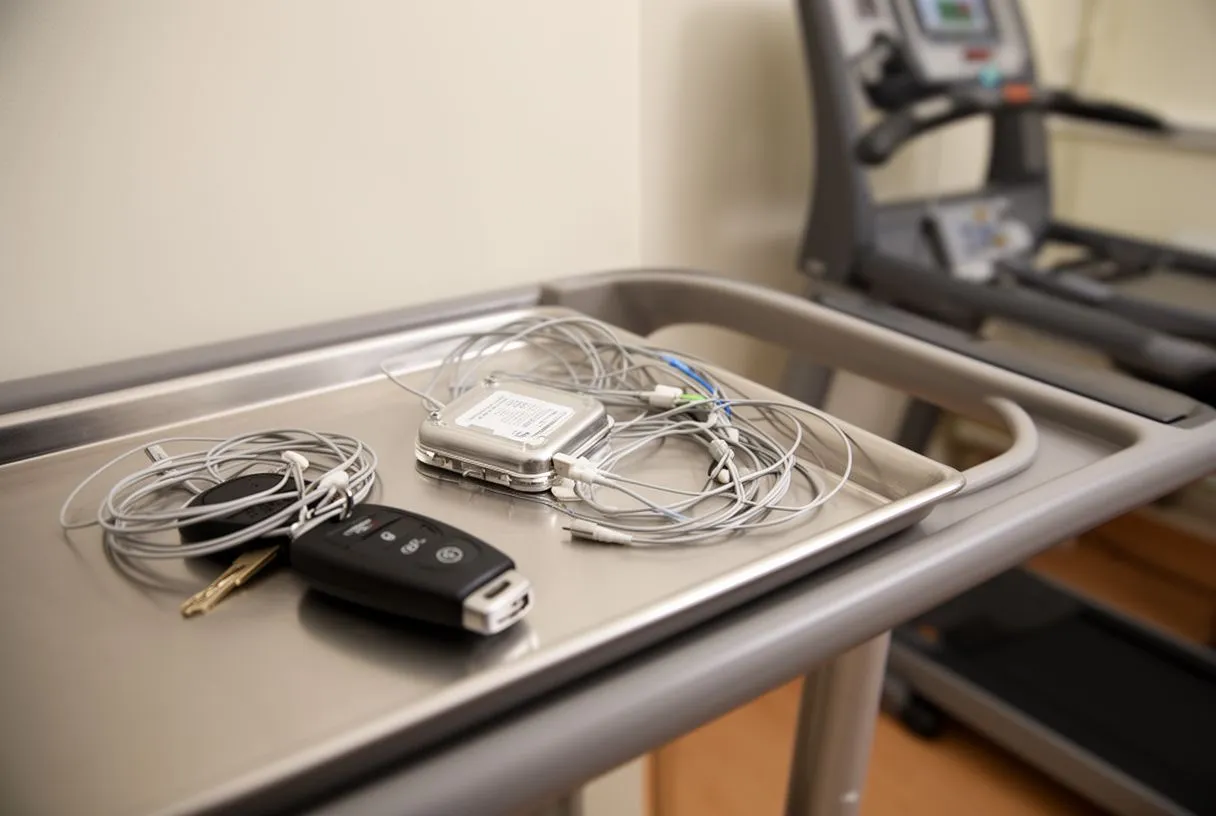
An ICD battery lasts several years, and the exact span depends on how often the device paces or shocks. Batteries are not recharged; instead, the whole generator is replaced in a procedure that is shorter and simpler than the original implant, because the existing leads are reused. Battery replacement becomes a routine part of long-term care rather than a major operation.
Remote monitoring: Modern ICDs transmit data automatically to the clinic, so your team can review rhythms, battery status and lead performance without you traveling in. In-person device checks still happen periodically to fine-tune settings as your condition evolves.
What is checked at follow-up: Battery life, lead integrity, shock history and the underlying heart condition itself. At follow-up, device data and heart function are reviewed together, so the device settings and the overall treatment plan stay matched to the heart as it changes.
The Role of the Multidisciplinary Heart Team in ICD Decisions
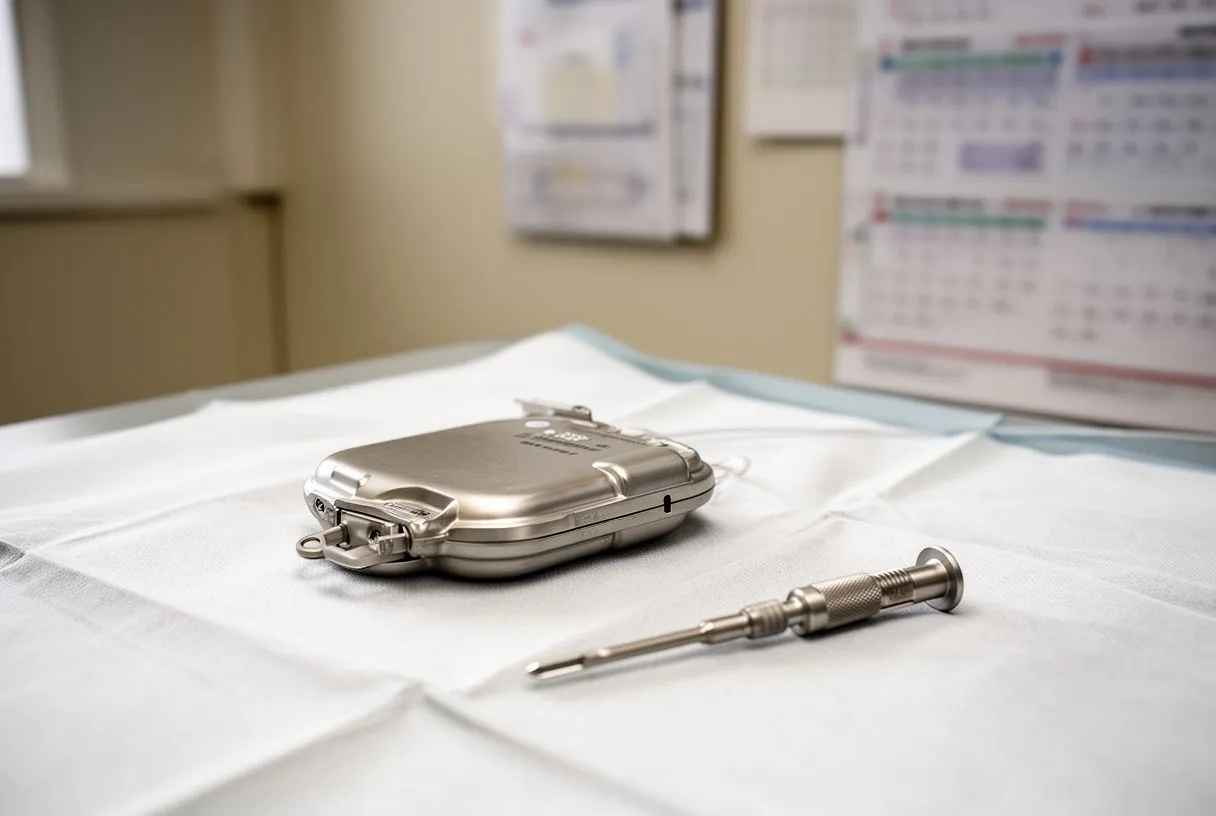
Deciding whether someone is an ICD candidate is rarely a one-person judgment. The most reliable decisions come from what is called the Heart Team: when your heart is assessed by a team, not one opinion — cardiologists, electrophysiologists, imaging specialists and cardiac surgeons reviewing the case together against published guidelines. This matters because eligibility is a balance of arrhythmic risk against overall prognosis, expected benefit and the patient's own goals.
What a good evaluation looks like: A complete workup, a clear explanation of why the device is or is not indicated, a discussion of alternatives including medication and, where relevant, ablation, and honest numbers about what the device can and cannot do. If you travel internationally for care, ask upfront about the full pathway: initial remote consultation, required tests, the implant itself, follow-up arrangements, and who to contact if problems arise after you return home.
Cost and logistics for international patients: ICD evaluation and implantation costs vary widely by country, hospital and device type, and insurance coverage differs enormously. Reputable teams will give you a written, itemized plan before anything happens and will coordinate with your local cardiologist for long-term follow-up. In the consultation the team explains what your studies show and which studies are still needed.
When to Seek Help and What to Do Next
Certain symptoms should never be ignored, whether or not a device is in the picture. Fainting, especially during exertion, palpitations with dizziness or breathlessness, and any family history of sudden death in young relatives all warrant prompt specialist evaluation. If someone collapses and is not breathing normally, call emergency services immediately and start CPR; survival from cardiac arrest depends on minutes, not hours.
If you are already under evaluation: Bring your questions in writing. Ask what your ejection fraction is, what your specific risk factors are, whether medication could lower your risk first, and what would change the recommendation. Ask whether the device is being offered for primary or secondary prevention, since that shapes expectations.
Being an implantable cardioverter defibrillator candidate is not a diagnosis to fear but a risk to manage with clear information and the right team. The device is one of cardiology's genuine life-savers, and the decision deserves the same care as the surgery itself: a thorough evaluation, an honest discussion of benefits and downsides, and a team that reviews your case together before recommending anything. If your heart's rhythm or pumping function has raised questions, the next step is a proper consultation with a qualified cardiac team — not self-diagnosis. We invite you to book a free video consultation with Dr Alejandro Molina's team, where we will talk through your situation, explain what your studies show, and tell you plainly which further studies are actually needed before any recommendation is made.






