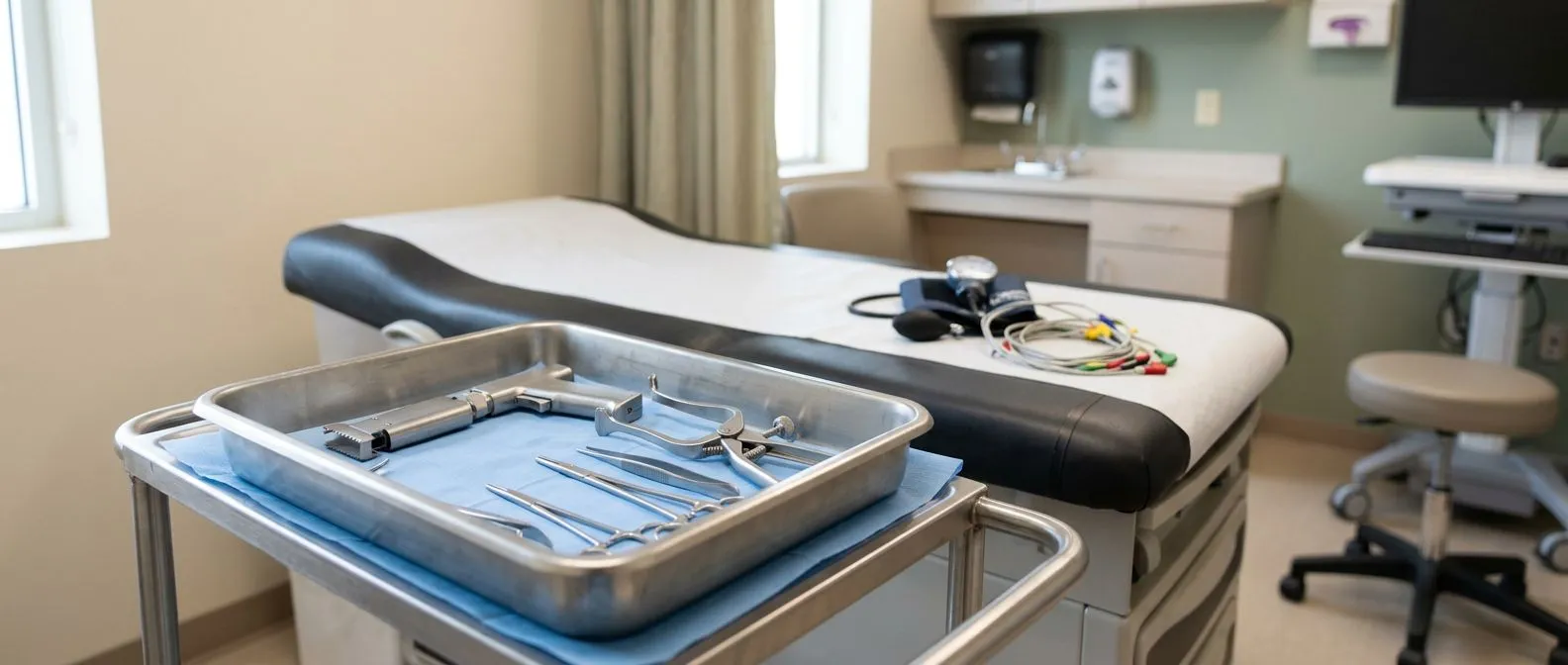
Interventional Cardiologist: Procedures They Perform
Interventional cardiologist procedures treat blocked arteries, heart valves, and rhythm issues without open surgery.
An interventional cardiologist procedures specialist treats heart disease through thin tubes called catheters, entered through a small puncture in the wrist or groin rather than through a large incision. If you or a family member has been told you need a heart test or treatment, understanding this list of procedures will help you ask better questions and feel less anxious about what lies ahead. This guide walks through the most common catheter-based treatments, what recovery actually looks like, and how to decide which route is lowest risk for your situation.
What Does an Interventional Cardiologist Treat?
Blocked coronary arteries are the most common reason patients meet an interventional cardiologist. When cholesterol plaque narrows the arteries that feed the heart muscle, it can cause chest pain (angina) or a heart attack. Catheter-based treatments reopen these arteries and restore blood flow without open surgery.
Heart valve disease is a growing part of this field. Valves that have become too narrow or too leaky can now be repaired or replaced through a catheter in selected patients, which matters enormously for older adults or people too fragile for chest surgery.
Rhythm problems and stroke prevention round out the picture. Some interventional cardiologists and their electrophysiology colleagues treat abnormal heart rhythms and close parts of the heart that raise stroke risk. A full interventional cardiologist procedures list also includes closing holes in the heart, treating certain congenital defects, and draining or stenting structures around the heart. In our practice, which covers valve disease, coronary disease, the aorta and structural heart conditions, every case is reviewed by the multidisciplinary team against international practice guidelines before we recommend any of these treatments.
Interventional Cardiologist vs Cardiologist Procedures: What Is the Difference?
A clinical cardiologist diagnoses and manages heart disease with medication, lifestyle guidance, echocardiograms and stress tests. They are the general of your heart care but do not perform procedures inside the arteries.
An interventional cardiologist performs treatments. After the diagnosis, this is the specialist who threads catheters into the heart to open arteries, implant valves or close defects. Both are physicians; only one does catheter-based therapy.
Can a cardiologist do surgery? This is a question we hear constantly, and the answer clarifies the whole field. Neither kind of cardiologist performs open-heart surgery — that is the cardiac surgeon's role. But an interventional cardiologist does carry out procedures inside the body through catheters, so the distinction is about the approach, not about whether treatment happens. Many patients need both specialists: a cardiologist to follow their condition over time and an interventional cardiologist when a procedure becomes necessary. It is also true that interventional cardiology is among the most procedurally intensive cardiology specialties, which is one reason the role commands high compensation, though that fact should never drive your choice of doctor.
Cardiac Catheterization Procedure: The First Step
What happens during the test is simpler than most patients fear. A cardiac catheterization procedure uses a thin, flexible tube inserted through the wrist (radial artery) or groin (femoral artery) and guided up to the heart under X-ray imaging. You remain awake but sedated and comfortable, and the whole test usually takes under an hour.
Why it is still the gold standard is a matter of precision. While scans and stress tests suggest where a problem might be, catheterization measures actual pressures inside your heart chambers and shows blood flow directly. That information decides what treatment — if any — is needed.
What you will feel is minimal. There is local anesthetic at the puncture site, a brief warm flush when contrast dye is injected, and usually nothing more. Most patients go home the same day. We always begin here in the diagnostic phase, and in the consultation we take the time to explain what the studies actually show, in plain words, before anyone talks about treatment.
Coronary Angiogram Procedure: How Blocked Arteries Are Found
The coronary angiogram procedure is usually performed at the same sitting as catheterization. Contrast dye is injected into each coronary artery, and live X-ray images reveal exactly where arteries are narrowed, by how much, and whether collateral vessels are helping. It is the map that every later decision depends on.
What the results mean comes down to three degrees of blockage. Mild narrowings are treated with medication and lifestyle change. Moderate blockages may need further testing to see whether they actually limit blood flow. Severe blockages — typically those limiting flow significantly in a major artery — move you toward treatment decisions.
Interpretation matters as much as the images themselves. The same angiogram can support three different reasonable strategies, and our team reviews every study together against international guidelines before proposing one of them, with the alternatives laid out for the patient. You should never feel that a stent is automatic just because a blockage was seen.
Angioplasty and Stent Placement for Blocked Arteries
Angioplasty and stent placement is the signature interventional cardiologist procedure for blocked arteries. A balloon catheter reaches the narrowed segment, inflates briefly to push the plaque aside, and a small metal mesh tube — the stent — is left behind to hold the artery open. Modern stents are drug-eluting, meaning they release medication that prevents scar tissue from re-narrowing the vessel.
When a stent is the right choice is clearest in emergencies. During a heart attack, opening the blocked artery quickly saves heart muscle, and interventional cardiology for heart attack care is built around this: primary angioplasty, done promptly, is the standard treatment when it can be performed in time. For stable chest pain, the decision is more nuanced — medication alone may serve some patients equally well, which is exactly what a good specialist should discuss honestly with you.
What it does not fix is worth understanding. A stent treats the narrowing that was bothering you that day; it does not cure the underlying coronary disease. Continued medication, smoking cessation, and follow-up remain essential. We recommend the less invasive route only where the evidence supports it for that specific patient — sometimes that is a stent, and sometimes the honest answer is that medication or bypass surgery serves you better.
TAVR Procedure: Heart Valve Replacement Without Open Heart Surgery
What TAVR is can be stated plainly: TAVR (transcatheter aortic valve replacement) is a heart valve replacement without open heart surgery. A new valve made of tissue, mounted on a collapsible frame, is delivered through a catheter — usually from an artery in the groin — and positioned inside the patient's own diseased aortic valve. The new valve takes over immediately. Stanford Medicine describes this catheter-based approach as an established alternative to surgical aortic valve replacement for suitable patients (Stanford Health Care).
Who qualifies has widened over time but is decided by a heart team, not by one doctor. Age, the anatomy of the valve and aorta, frailty, and surgical risk all matter. In our team, Dr Molina trained in structural cardiology and TAVR at CHU Bordeaux, and every TAVR candidacy is discussed by the multidisciplinary team before a recommendation is made.
Recovery compared to surgery is the reason patients ask about it. There is no chest incision, no opened rib cage, and hospital stays are typically shorter. But TAVR has its own risks — including pacemaker requirement in some patients — so it is not universally "easier"; it is a different trade-off. The right question is which option is lowest risk for your situation, and that is a heart team answer.
Mitral Valve Repair Without Surgery and Other Structural Options
The mitral valve — the valve between the left atrium and left ventricle — can leak when its leaflets fail to close properly, a condition called mitral regurgitation. Mitral valve repair without surgery is now possible for selected patients using a clip delivered through a vein into the heart, which fastens the leaking leaflets together and reduces the leak.
Not every leaking valve suits a catheter approach. Anatomy decides: some valve shapes are ideal for the clip, others need surgical repair, which remains the most durable option when the anatomy allows a good surgical result. This is precisely why the heart team model exists — the structural cardiologist and the cardiac surgeon evaluate the same images and agree on the route. Our team performs conventional, minimally invasive, robotic and transcatheter procedures, so we are not steering you toward the only technique we happen to offer.
Other structural procedures fill out the modern interventional cardiology menu: closing holes between heart chambers (patent foramen ovale and atrial septal defect closure), treating narrowing of other valves, and, in complex cases, combining staged catheter and surgical strategies. Each carries its own evidence threshold, and each should be justified against your specific anatomy.
Cardiac Ablation and Left Atrial Appendage Closure Procedures
Cardiac ablation procedure treats rhythm disorders, most commonly atrial fibrillation — an irregular, often rapid rhythm that originates in the left atrium. Ablation uses heat or cold delivered by catheter to create tiny scars that block the abnormal electrical signals. Many patients reduce or stop rhythm medications afterward, though results vary and recurrence is possible.
Left atrial appendage closure procedure addresses a different problem: stroke risk. In atrial fibrillation, blood can pool in a small pouch off the left atrium called the left atrial appendage, where clots may form. A catheter-delivered device can seal that pouch, lowering stroke risk in patients who cannot take long-term blood thinners.
These two procedures often come up in the same conversation, and it helps to keep their purposes separate. Ablation treats the rhythm itself; appendage closure replaces the need for anticoagulation in selected patients. Neither is automatic — our multidisciplinary team weighs rhythm history, bleeding risk and stroke risk together before proposing either one, and the final decision always belongs to the patient.
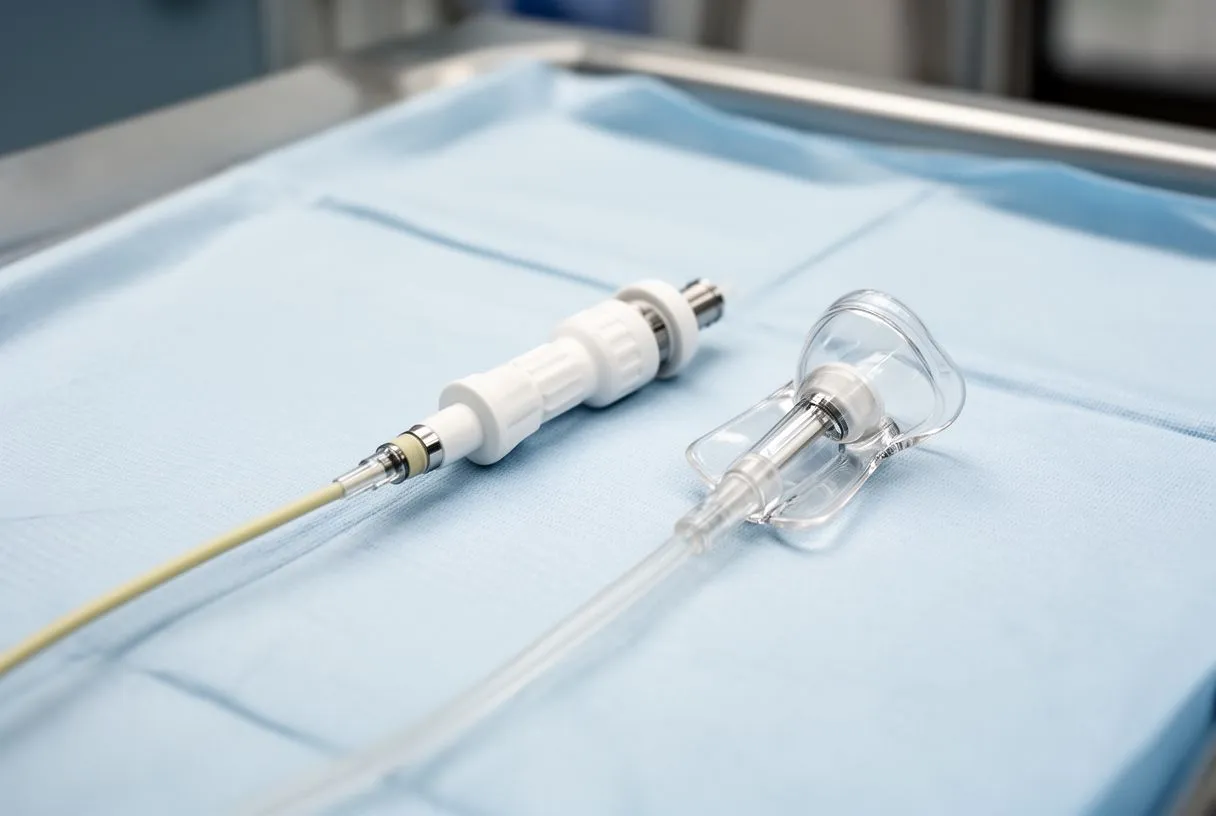
Interventional Cardiology Procedures Recovery: What to Expect
The first hours are the most restricted part of interventional cardiology procedures recovery. After an angiogram or angioplasty, you lie flat while the puncture site is sealed and monitored. Wrist access usually allows earlier sitting and walking than groin access, which is one reason many centers prefer it.
Typical timelines are reassuringly short for most catheter procedures:
- Diagnostic angiogram: home the same day, back to normal activity in two to three days.
- Stent placement: one overnight stay is common; most people return to desk work within a week, with heavier activity staged over two to four weeks.
- TAVR: often a few days in hospital, with walking within days and recovery measured in weeks rather than the months of open surgery.
- Appendage closure or valve clip: usually one to two nights in hospital, with restrictions on heavy lifting for several weeks.
Warning signs after any procedure deserve honest attention rather than vague reassurance. Bleeding, expanding swelling or numbness at the puncture site, chest pain different from before, breathlessness, or fever should be reported immediately. Nothing about recovery should be a surprise: before the procedure, we go through the recovery milestones and the warning signs with the patient and their family, so everyone knows what is normal and what is not.
Choosing an Interventional Cardiologist: Costs, Consultations and Second Opinions
When people search for the best interventional cardiologist Guadalajara has to offer, or type "interventional cardiologist near me procedures" into a search bar, the useful criteria are concrete: procedural volume in the specific treatment you need, whether a true heart team is involved, and whether the doctor explains options without pressure. Volume and team review are associated with better outcomes in complex procedures, so it is fair to ask directly how many of these cases a specialist does per year.
Consultation fees and costs vary widely, and no responsible specialist quotes a price before knowing what your condition and studies actually show. Total cost depends on the procedure, the hospital, the devices used and the insurance coverage — so the practical advice is to ask for a written, itemized proposal before agreeing to anything, and to ask which studies are genuinely necessary. Our first contact is a free video consultation: we get to know the patient, talk through the condition, and say which studies are still needed so no unnecessary ones are ordered.
Second opinions are not an insult — they are a normal part of deciding about heart surgery or a major procedure. A confident specialist will welcome them. We encourage second opinions and treat seeking one as a standard step, because a patient who understands and agrees with the plan recovers with far more peace of mind. Consulting rooms serving Guadalajara, Querétaro and Hermosillo exist precisely so that international and cross-border patients can access this kind of review without repeated long journeys.

The unifying idea behind all interventional cardiologist procedures is simple: the least invasive treatment that the evidence supports for your specific anatomy and health. An interventional cardiologist treats blocked arteries, failing valves, rhythm disorders and stroke risk through catheters rather than open surgery, but every option carries trade-offs that a careful heart team must lay out honestly. If you have been offered a stent, a TAVR valve, a valve clip or an ablation, bring your questions to a qualified cardiac team, ask for the alternatives in writing, and book a consultation rather than deciding on your own — our team across Guadalajara, Querétaro and Hermosillo reviews every case together against international guidelines and presents the patient with a clear proposal and its alternatives, so the final decision is always yours.