Medical Tourism for Heart Surgery: Planning Your Trip
Medical tourism heart surgery in Guadalajara—get expert planning tips, cost guidance, and recovery support.
Planning a major cardiac procedure away from home requires careful coordination, trusted medical guidance, and a clear understanding of the process. For many international patients, medical tourism heart surgery offers access to high-quality interventions at a manageable cost, without compromising on clinical excellence. Dr Alejandro Molina and the team at Cirugía de Corazón in Guadalajara, Querétaro, and Hermosillo specialize in bridging complex cardiology with calm, patient-centered care to ensure your journey is safe and structured.
What is medical tourism heart surgery?
Defining the journey: Medical tourism heart surgery involves traveling to another country to undergo cardiac interventions, ranging from coronary bypass to valve replacements. Patients choose this path to access specialized expertise or reduce waiting times. It requires a partnership between your local cardiologist and the surgical team abroad to ensure continuity of care before, during, and after the operation.
Why patients travel: The primary drivers are often clinical and financial. In many healthcare systems, structural heart interventions carry steep out-of-pocket costs.
The process is not merely about the surgery itself but about comprehensive trip planning. A well-structured medical travel heart surgery experience includes pre-operative teleconsultations, transparent pricing, assistance with travel logistics, and a clearly defined recovery period before returning home. This comprehensive approach minimizes stress and focuses entirely on the patient's healing and long-term cardiac health.
Why choose Guadalajara for cardiac care?
Regional centers of excellence: Guadalajara has emerged as a premier destination for cardiac surgery, boasting advanced hospitals equipped with modern imaging, hybrid operating rooms, and specialized intensive care units. Dr Molina’s practice spans Guadalajara, Querétaro, and Hermosillo, offering patients a choice of geographic locations that best suit their travel preferences and postoperative recovery needs.
The standards of care in these facilities align with international guidelines. For instance, protocols for managing complex conditions often mirror those outlined in publications from ahajournals.org, ensuring that evidence-based medicine dictates every decision. The surgical teams are fluent in current best practices for treating severe aortic stenosis, coronary artery disease, and atrial fibrillation, providing a level of clinical rigor that international patients expect.
Beyond the clinical walls, Guadalajara offers a welcoming environment for patients and their families. The city features comfortable recovery accommodations, accessible ground transportation, and a mild climate that can make the convalescence period more pleasant. Having a family member nearby during the recovery phase is highly encouraged, and the infrastructure in these Mexican cities supports a calm, supervised healing process.

Evaluating hospitals for heart surgery abroad
Verifying surgeon credentials: When planning heart surgery abroad, the most critical step is verifying the expertise of the surgical team. Look for a cardiovascular surgeon like Dr Alejandro Molina, who has extensive experience in both traditional open-heart approaches and minimally invasive techniques. Board certifications, hospital affiliations, and clear, communicative consultations are strong indicators of a reliable practice.
Assessing facility capabilities: The hospital must have the infrastructure to handle complex cardiac cases and potential complications. This includes on-site blood banks capable of providing autologous blood if needed, advanced hemodynamic monitoring, and specialized post-operative care units. A thorough evaluation of the facility ensures that you are entering an environment prepared for every aspect of cardiac intervention.
It is also essential to understand how the medical team evaluates your specific condition. For example, advanced lipid profiling, such as examining the High density lipoprotein cholesterol / C reactive protein ratio in heart failure with preserved ejection fraction, as discussed in recent High density lipoprotein cholesterol / C reactive protein ratio in heart failure with preserved ejection fraction studies, helps clinicians assess systemic inflammation and tailor perioperative care. Your chosen hospital should demonstrate a commitment to this level of detailed diagnostic precision.
Understanding heart surgery Mexico cost
Transparent pricing structures: One of the primary advantages of seeking cardiac care in Mexico is the transparency of the pricing model. Unlike systems where hidden fees emerge postoperatively, a reputable practice will provide a comprehensive quote. This typically covers the surgeon’s fees, anesthesiology, hospital stay, operating room time, and essential medical devices, ensuring you can budget accurately for your medical trip planning Mexico.
This makes complex procedures, such as multiple vessel coronary artery bypass or valve replacements, financially accessible. Understanding exactly what is included allows you to compare value effectively rather than just looking at the bottom line.
When evaluating the financial aspect, it is helpful to break down the various components that contribute to the total investment. Having a clear checklist helps you verify that all necessary elements of your care are accounted for.
- Facility fees: Operating room time and intensive care unit recovery.
- Professional fees: Surgeon, anesthesiologist, and perfusionist costs.
- Medical devices: Prosthetic valves, arterial graft materials, and specialized medications.
- Accommodation: Hospital stay and recommended local recovery housing.
Pre-travel medical requirements and tests
Sharing your cardiac history: Before you board a plane, your surgical team needs a complete picture of your cardiac health. This involves sending recent electrocardiograms, echocardiograms, and coronary angiograms to Dr Molina’s office. If you have a history of an atheromatous plaque in a critical vessel, the surgical team must review the imaging to plan the most appropriate intervention, whether that is a bypass or a less invasive option.
Medication management: Your current medication regimen must be carefully reviewed. Certain drugs, like Aspirin, may need to be paused or adjusted before surgery to minimize bleeding risks. A pre-travel teleconsultation allows the medical team to provide precise instructions on how to manage your prescriptions in the weeks leading up to your arrival, ensuring your blood pressure and heart rate are optimally controlled.
Comprehensive preparation also involves a physical assessment to ensure you are fit to fly. If you have experienced recent arm pain radiating from a cardiac event or suffer from severe shortness of breath, the team will advise on the safest mode of transportation. Clearing these clinical hurdles before departure ensures you arrive in Mexico ready for the next phase of your care.

Logistics of your medical trip planning Mexico
Traveling for surgery requires meticulous logistical planning to reduce physical strain and stress. Patients should plan to arrive a few days before the scheduled procedure to acclimatize to the altitude and temperature, complete final in-person pre-operative assessments, and meet the surgical team face-to-face. This buffer time is crucial for final auscultation and baseline testing.
Arranging ground transportation: Once you land, you will need reliable, comfortable transport to your accommodation and the hospital. Avoid navigating public transit while managing a cardiac condition. The practice can recommend medical transport services that provide a smooth ride, which is particularly important for patients who may already be experiencing fatigue or breathing difficulties upon arrival.
Packing for a medical trip is different from a standard vacation. You need to bring essential health documents, comfortable clothing for recovery, and specific items that will aid in your postoperative comfort. Keeping your luggage organized ensures you have everything you need without overexerting yourself during your stay.
- Documents: Passport, medical records, and a list of current medications.
- Clothing: Loose-fitting shirts that button or zip up the front to avoid raising arms post-surgery.
- Support garments: Compression socks for the flight to promote circulation.
- Communication: A fully charged phone with translation apps and international calling capabilities.
What to expect during bypass surgery medical tourism
Coronary artery bypass grafting is one of the most common reasons patients seek bypass surgery medical tourism. The procedure involves taking a healthy blood vessel from another part of your body to create a new path around a blocked coronary artery. If the blockage is near the ascending aorta, the surgeon must meticulously attach the new arterial graft to restore blood flow to the heart muscle.
Understanding the surgical timeline: On the day of surgery, you will be admitted early to complete final preparations. The anesthesiologist will review your vitals one last time before administering general anesthesia. The surgery itself can take several hours, during which your family will be kept informed. After the procedure, you will be transferred directly to the cardiovascular intensive care unit for close monitoring.
Recovery in the hospital typically lasts a week. During this time, the medical staff will monitor your heart rhythm, manage your pain, and begin gentle physical therapy to get you moving again. The goal is to ensure your heart is healing properly and that you are strong enough to continue your recovery in a local accommodation before flying home.
Transcatheter aortic valve replacement abroad
Minimally invasive options: For patients with severe aortic stenosis who are at intermediate or high risk for open-heart surgery, Transcatheter Aortic Valve Replacement (TAVR) is a life-changing alternative. During TAVR, a balloon-expandable valve is guided through a catheter, usually inserted through the femoral artery in the groin, and deployed within the diseased native valve. This avoids opening the chest entirely.
Choosing heart valve surgery tourism for a TAVR procedure offers significant advantages in terms of recovery. Because there is no large chest incision, the postoperative pain is substantially less, and the hospital stay is shorter. Many patients are walking within a day of the procedure and can return to their daily activities much faster than those who undergo traditional surgical aortic valve replacement.
Determining TAVR candidacy: Not everyone is a candidate for this approach. The cardiac team must perform detailed imaging to assess the anatomy of your aortic valve and the blood vessels leading to your heart. If your vascular access is too narrow or the valve anatomy is unsuitable, a traditional open-chest approach may be recommended as the lowest risk option for your situation.
Recovery and heart surgery recovery travel
Heart surgery recovery travel requires strict adherence to medical advice regarding when it is safe to fly. Pressurized cabin environments and prolonged sitting can increase the risk of complications, such as deep vein thrombosis or fluid shifts. Patients are typically advised to remain in Mexico for two to three weeks after discharge, allowing the initial healing phase to complete under the supervision of the surgical team.
Rehabilitation begins almost immediately and continues after you return home. Engaging in a structured rehabilitation program is essential for long-term success, as highlighted in studies like the Nurse-coordinated home-based cardiac rehabilitation for patients with heart failure: A scoping review, which emphasizes the value of guided recovery. Ask your surgical team for a written rehabilitation plan that your local physicians can follow.
Planning your return flight: When booking your return journey, request aisle seating and plan to walk every hour to promote circulation. You may need to wear compression stockings and continue taking prescribed blood thinners. It is crucial to carry a copy of your discharge summary, surgical notes, and a list of new medications to present to airport security and your home medical team.
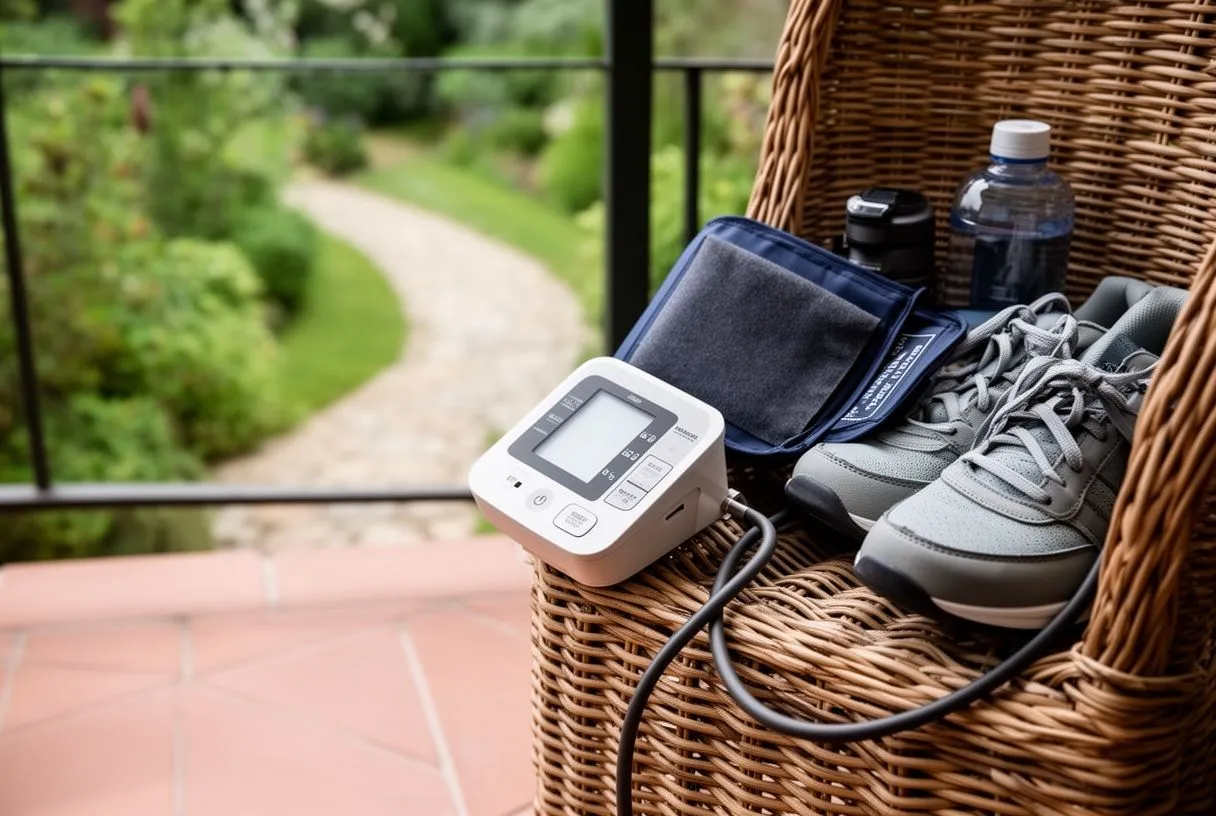
Returning home safely after cardiac care
Transitioning to local care: Once you return home, the baton is passed back to your local cardiologist or primary care physician. It is vital to schedule an appointment within the first week of your return to review the surgical reports and establish a baseline for your ongoing care. Your local doctor will monitor your incisions, check your blood work, and ensure your medications are correctly managed.
Recognizing warning signs: While serious complications are rare after successful discharge, you must know what to watch for. If you experience a sudden onset of chest pain, excessive swelling in your legs, a fever, or a sudden recurrence of symptoms like arm pain, you should seek immediate medical attention. Being proactive about these warning signs ensures that any minor issue is addressed before it escalates.
Navigating medical tourism heart surgery is a significant undertaking, but with the right planning and expert medical guidance, it can lead to vastly improved health and quality of life. Dr Alejandro Molina and the team at Cirugía de Corazón are dedicated to providing international patients with the highest standard of cardiac care in a supportive, transparent environment. Do not self-diagnose or delay necessary treatment; book a consultation with a qualified cardiac team today to discuss your specific situation and explore your options safely.