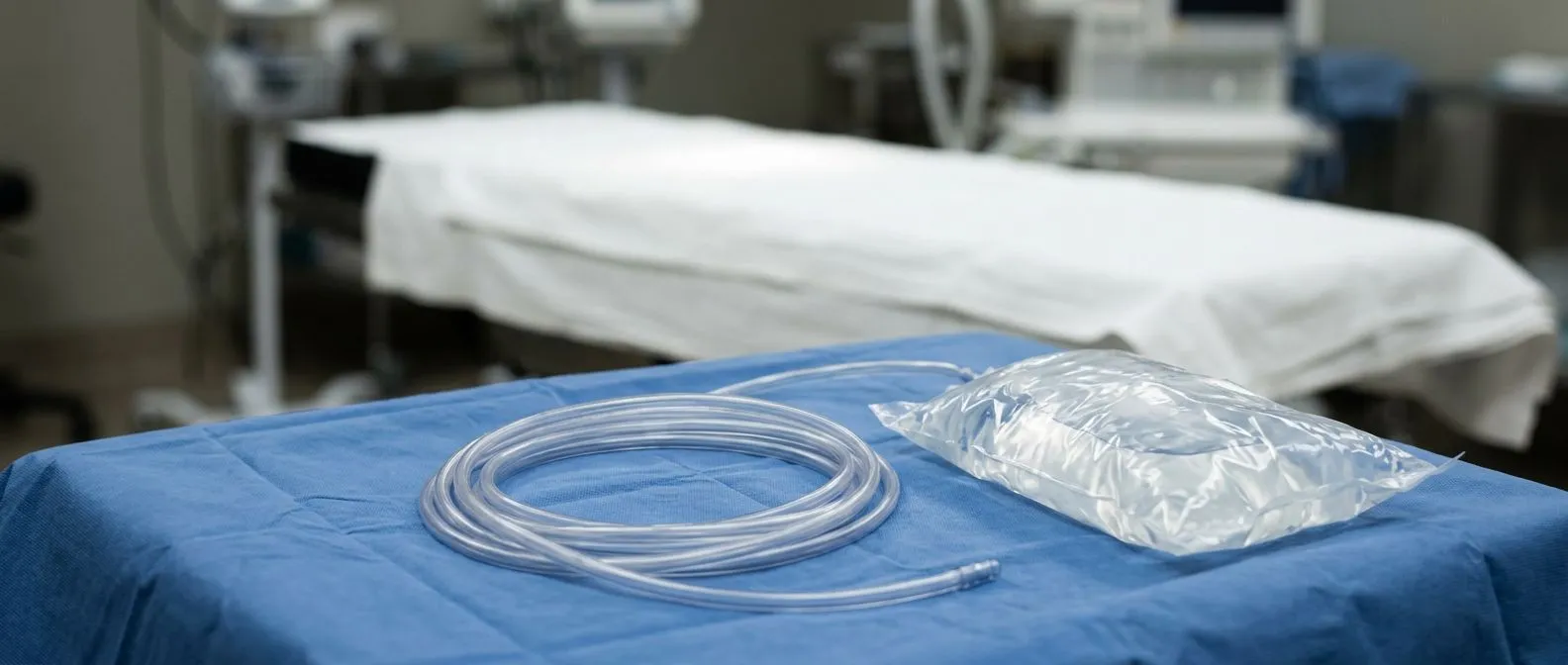
Myocardial Protection During Heart Surgery
Myocardial protection heart surgery: how surgeons safeguard your heart muscle during cardiac procedures.
If you or a loved one is facing heart surgery, one of the quietest but most important parts of the operation is something you will never see: the way the surgical team keeps the heart muscle safe while it is temporarily stopped. This is called myocardial protection during heart surgery, and it is one of the main reasons modern cardiac operations have become so much safer than they were a generation ago. In this guide we explain, in plain language, what the myocardium is, why it needs shielding during an operation, which techniques surgeons use, and what all of this means for your recovery.
What Does Myocardial Mean in Medical Terms?
The word "myocardial" simply refers to the myocardium, which is the thick muscular wall of the heart. This muscle is what squeezes blood around your body with every heartbeat. When a doctor says "myocardial infarction," they mean that part of this muscle has been damaged because its blood supply was cut off — in everyday words, a heart attack.
The myocardium is hungry tissue. It demands a constant supply of oxygen-rich blood, delivered through the coronary arteries that run across the surface of the heart. If that supply is interrupted for even a short time, the muscle cells begin to suffer. That sensitivity is exactly why surgeons think so carefully about protecting the muscle during an operation.
What does cardioprotection mean? Cardioprotection is the broader umbrella term for anything that shields the heart muscle from injury — whether that injury comes from a blocked artery, from the stress of surgery, or from other illness. Myocardial protection during an operation is one specialised form of cardioprotection, focused on keeping the muscle healthy while the heart is deliberately stopped and restarted.
What Is Myocardial Protection During Heart Surgery?
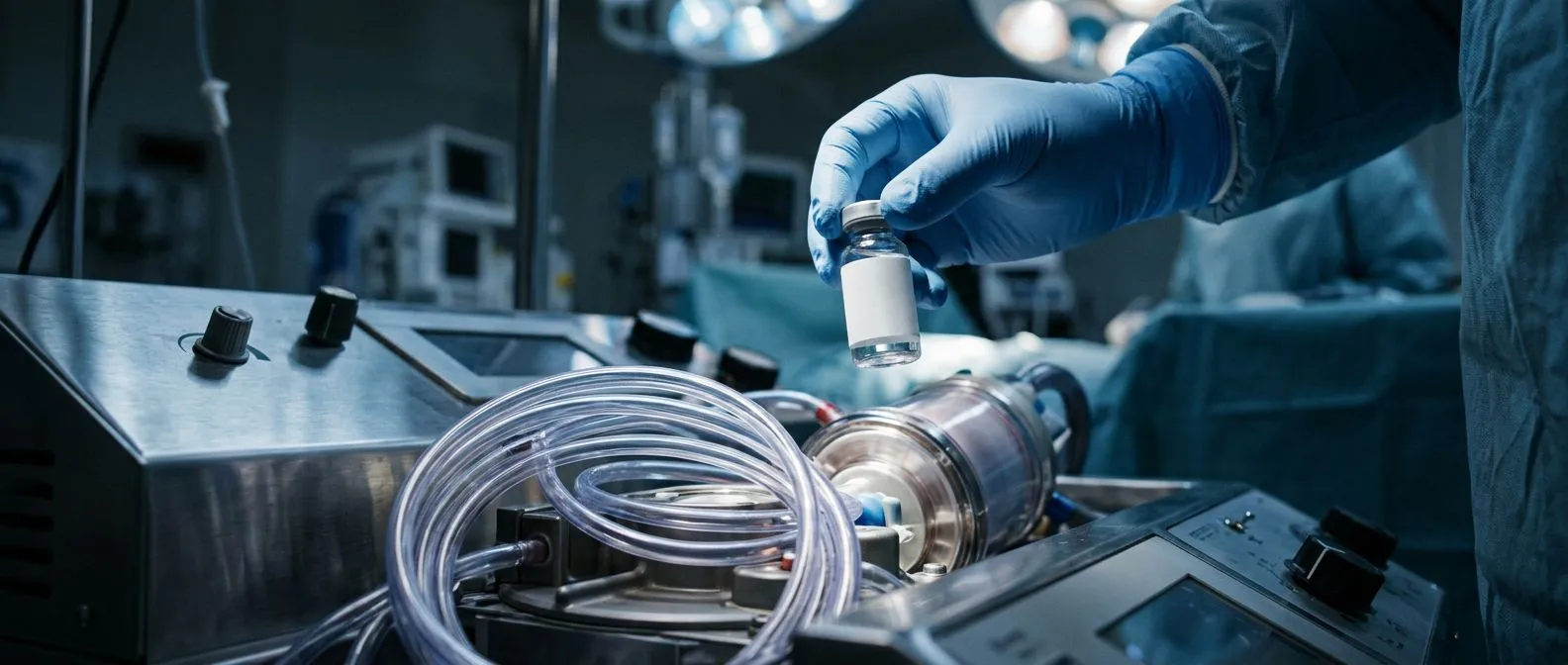
Many heart operations — valve repairs, coronary bypasses, repairs of the aorta — require the heart to be still and blood-free for a period of time so the surgeon can work with precision. To achieve this, the team places the patient on a heart-lung machine (cardiopulmonary bypass), which takes over the job of circulating and oxygenating the blood. The heart itself is then stopped in a controlled, deliberate way.
Myocardial protection is the set of measures that keep the heart muscle viable during this stopped period. Without it, the muscle would be starved of oxygen and would struggle to resume pumping at the end of the operation. With good protection, the heart wakes up strong and the patient recovers well.
Why it matters to you as a patient. The quality of myocardial protection influences how well the heart functions immediately after surgery, how much support it needs in the first hours in intensive care, and how smooth the recovery is. In our team, every case is reviewed by the multidisciplinary group against international practice guidelines before a recommendation is made, and the protection strategy for the heart muscle is part of that planning from the very first consultation.
How Does Cardioplegia Protect the Heart Muscle?
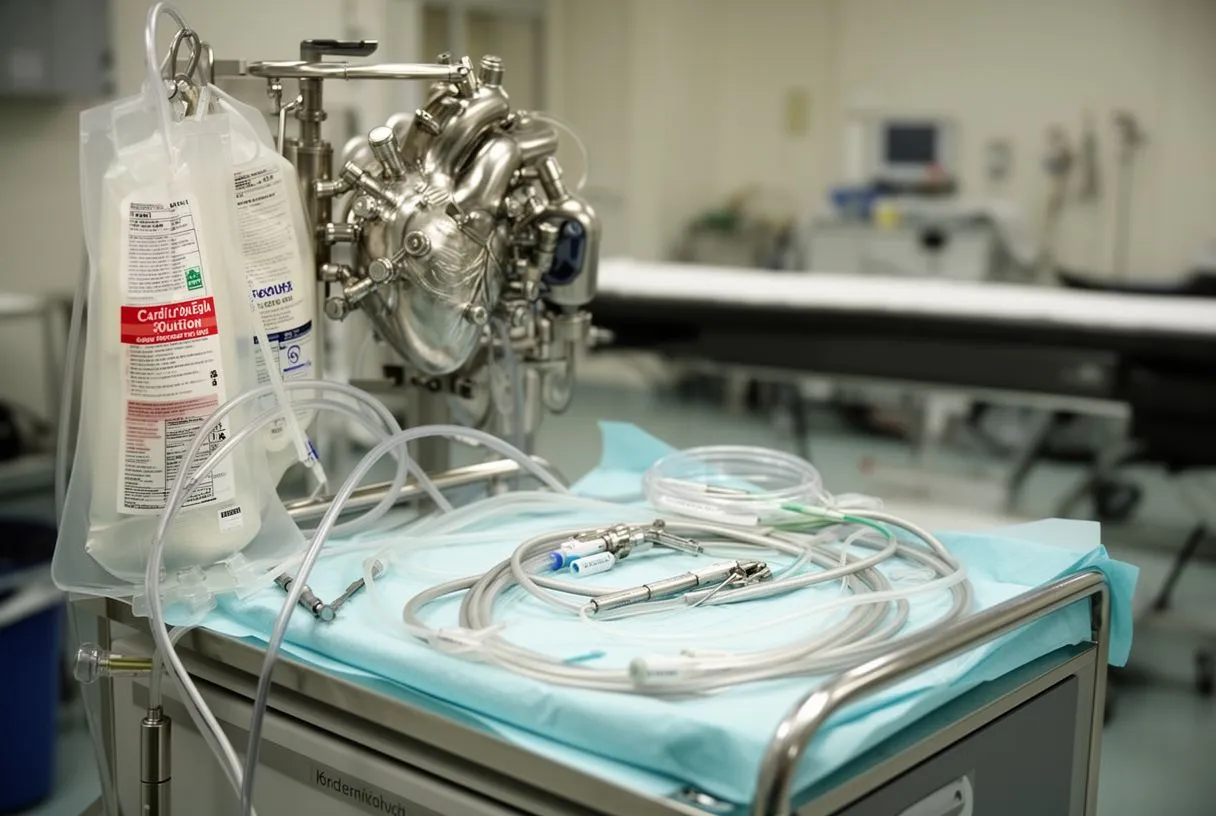
The cornerstone of myocardial protection in cardiac surgery is a solution called cardioplegia. The word literally means "heart paralysis": it is a special, chilled solution, rich in potassium, that is delivered into the coronary circulation to stop the heart in a relaxed, motionless state. A still heart is not a damaged heart — it is a heart whose energy needs have been dramatically lowered while its blood flow is temporarily interrupted.
Cold cardioplegia works on two fronts at once. Lowering the temperature slows the muscle's metabolism, so it consumes far less energy. The chemical composition keeps the muscle electrically quiet, so it does not twitch or contract while the surgeon operates. Together, this buys the surgical team a safe working window.
Cardioplegia myocardial protection in practice. The solution is repeated at intervals during the operation, and the surgeon watches how the heart responds each time. There are different delivery routes — into the root of the aorta, directly into the coronary openings, or retrograde through the large vein that drains the heart — and the choice depends on which valves or arteries are being operated on. In our operating theatres in Guadalajara, the perfusion strategy is tailored to each patient's anatomy and to the specific operation, because there is no single recipe that suits every heart.
Why Does the Heart Need Protection During Open Heart Surgery?
You might wonder why a healthy, beating heart needs protecting during an operation at all. The reason is that open heart surgery myocardial injury does not come from the scalpel — it comes from interruption of blood flow and from the moment blood flow returns. Both the stopped period and the reperfusion (the return of blood to the muscle) can stress the muscle cells if they are not managed carefully.
During the stopped period, the muscle has no oxygen supply of its own; the heart-lung machine perfuses the body, but the heart itself is deliberately excluded so the surgeon can see and work. On restart, blood rushes back into tissue that has been quiet for an hour or more, and that sudden return can generate inflammatory reactions. Good myocardial preservation techniques are designed to minimise both stresses.
Open heart surgery myocardial injury — the stakes. When protection is inadequate, the heart may struggle to resume pumping when the surgeon removes the clamp, a situation that requires extended support and can affect long-term outcomes. Our team checks the heart's recovery at every step of rewarming and reperfusion, and we would rather take more time protecting the muscle than rush the restart — that patience is what we see make the difference in the first hours after surgery.
What Are the Main Myocardial Preservation Techniques?
Surgeons have a range of myocardial protection strategies, and most operations combine several of them. The main ones include:
- Cold blood or crystalloid cardioplegia: the chilled stopping solution described above, delivered at intervals to keep the heart quiet and its metabolism low.
- Systemic and local hypothermia: gently cooling the body and the heart so tissue needs less oxygen while circulation is modified.
- Careful perfusion management: the perfusionist on the heart-lung machine manages pressure, flow and oxygen delivery throughout, protecting every organ — including the heart — during bypass.
- Controlled reperfusion: when blood flow is returned, it is done gradually and under controlled conditions, so the muscle is not overwhelmed at the moment of restart.
- Adjunct strategies: in selected patients, medications or nutritional support before or during surgery may add an extra layer of cardioprotection; research continues into which of these help most.
Some research has explored pretreatment with omega-3 polyunsaturated fatty acids as a way of conditioning the heart muscle before elective coronary bypass surgery, on the principle that a better-nourished muscle tolerates the stopped period more gracefully (Myocardial protection during elective coronary artery bypasses grafting by pretreatment with omega-3 polyunsaturated fatty acids). This line of investigation shows how myocardial protection extends beyond the operating theatre itself, into the preparation weeks before surgery.
How Do Surgeons Prevent Heart Damage During Surgery?
Preventing heart damage during surgery starts long before the operation day. Careful pre-operative assessment — echocardiography, catheter studies where needed, and a clear picture of how weak or strong the heart muscle already is — allows the team to choose the right protective strategy for that specific patient.
During the operation, protection is a continuous activity, not a single step. The anaesthesia team monitors the heart's electrical activity and function; the perfusionist manages blood gases and temperature; the surgeon confirms that the cardioplegia has taken full effect and re-delivers it at the right intervals. Communication among these three roles is constant.
After the operation too. Monitoring continues in intensive care, where the team watches for signs that the muscle is recovering well or that it needs additional support. Guidelines for treating acute myocardial infarction in hospital settings, such as those followed in comparative studies of tertiary care (Journal of Rawalpindi Medical College), underline how much outcomes depend on protocol discipline — and the same discipline applies to surgical protection. Our team reviews every planned operation against international practice guidelines before recommending anything to the patient, and the same guideline discipline governs our protection protocol in theatre.
Is Myocardial Damage Reversible After Surgery?
This is one of the questions families ask most often, and the honest answer is: it depends on the kind of damage. Muscle injured by a brief lack of oxygen — what doctors call stunning — usually recovers over days to weeks once good blood flow is restored. This is a big part of why meticulous myocardial protection during heart surgery matters: a well-protected heart may be briefly stunned but recovers its strength.
Damage that has gone on longer can progress to cell death, and dead muscle does not regenerate — that is what happens in a myocardial infarction. However, even after a genuine heart attack, the remaining healthy muscle can take over more of the pumping work, especially if the blocked artery is reopened quickly and the heart is given good support. This is why the "golden treatment" for acute myocardial infarction is rapid reopening of the blocked artery — time is muscle, and every minute of delay costs tissue.
What this means for surgical patients. A heart that goes into surgery already weakened — after a previous infarction, for example — has less reserve, which is precisely why protection strategy is individualised. When I meet patients before surgery, I look closely at how much viable muscle remains, because that tells us both what the heart can tolerate and what we should expect after it restarts.
What Happens During Silent Myocardial Infarction?
Not every heart attack announces itself with crushing chest pain. A silent myocardial infarction is a heart attack that happens with few or no noticeable symptoms — perhaps a bit of unusual fatigue, mild breathlessness, or nothing at all. It is more common in people with diabetes, in older adults, and in women, where symptoms often present differently.
The danger of a silent infarction is that the muscle damage goes untreated at the time it happens, and the patient only learns about it later — sometimes on a routine electrocardiogram or echocardiogram done for another reason. Undetected damage can quietly reduce the heart's pumping capacity over years.
Why this matters before surgery. If you are scheduled for any heart operation, the pre-operative studies exist partly to find out whether there is already damage the muscle is hiding. In our first free video consultation we talk through the condition with the patient and identify exactly which studies are still needed — so we order only what is necessary and nothing that will not change the plan. Knowing the true state of the muscle lets the team plan myocardial protection honestly rather than on assumptions.

How Does Myocardial Protection Affect Heart Surgery Recovery?
The link between what happens inside the operating theatre and how you feel in the weeks afterwards is direct. A heart that has been well protected typically wakes from surgery with good pumping strength, needs less medication to support it, and settles quickly into its new normal. Patients often notice the difference as steady progress rather than setbacks.
In the first days after surgery, the heart muscle is still recovering from the stopped period even when everything went smoothly. Most patients spend a short time in intensive care, then transfer to a ward, and begin walking within a day or two. Over the following weeks, energy returns gradually as the muscle regains full strength — the stunning that follows surgery resolves as the heart resumes full blood flow and the body heals.
Heart surgery recovery muscle function in plain terms. Think of the myocardium like any muscle after a demanding event: it benefits from rest at first, then graded activity. Cardiac rehabilitation — supervised, progressive exercise — is one of the best-supported ways to help the recovered muscle rebuild its endurance. We take the time in consultation to explain in plain words what the studies actually show about each patient's heart function, and what a realistic recovery timeline looks like for them, because an informed patient recovers with more confidence and less anxiety.
How to Choose a Surgical Team That Prioritises Heart Muscle Protection?
As a patient, you cannot directly judge a team's myocardial protection technique from the outside — but you can judge the habits that predict it. Teams that plan every case in advance, that work as a multidisciplinary group, and that follow international practice guidelines tend to bring the same discipline to protection inside the theatre.
Here are practical questions worth asking any team you are considering:
- Who reviews my case? A multidisciplinary team review before surgery usually means the protection plan, the surgical approach and the alternatives have all been considered together.
- What is the plan for protecting my heart muscle? A good team can explain it in plain language — how the heart will be stopped, cooled and restarted — without dodging the question.
- What if I want another opinion? Teams confident in their planning welcome second opinions; a reluctance to discuss them is worth noticing.
- Will the surgeon explain my studies to me? You deserve to understand what your echocardiogram and angiogram actually show before you consent to anything.
Periods of no blood flow to the heart muscle have been studied and debated across decades of cardiac surgery, with reviews in leading medical journals tracking how protection techniques evolved from the early days of bypass to today's refined protocols (BMJ). That long record means modern patients benefit from accumulated knowledge — but only when the team in front of them applies it case by case. Dr Molina trained in Guadalajara, Montreal and Bordeaux, the team also trained at Jena, Bad Berka and Buffalo, and every plan leaves the final decision, with clear alternatives laid out, in the patient's hands.

Conclusion: What Myocardial Protection Means for Your Surgery Journey
Myocardial protection during heart surgery is the invisible craft that keeps your heart muscle safe while surgeons repair it: a chilled, chemically quiet, carefully reperfused pause that lets the heart emerge from surgery strong rather than strained. Understanding it changes how you read the whole surgical journey — from the pre-operative studies that map your muscle's condition, to the monitored restart in theatre, to the steady weeks of rehabilitation afterwards.
If you are considering valve surgery, bypass, or any structural heart procedure, ask the team you choose exactly how they will protect your heart muscle and why that plan suits your anatomy. The answers should be clear, specific and honest. If you would like that conversation with a team that reviews every case together against international guidelines and always leaves the final decision with you, we would be glad to meet you — the first step is a free video consultation where we get to know your situation and say precisely which studies are needed. Bring your questions; no decision about your heart should be made without them answered.