Telemedicine Consultation With a Heart Surgeon
Book a telemedicine heart surgeon consultation with Cirugía de Corazón.
If you have been diagnosed with a heart condition, or you suspect one, the thought of travelling to a big city for answers can feel overwhelming. A telemedicine heart surgeon consultation changes that. From your own home, you can sit down — virtually — with a cardiac surgeon, review your test results, and understand your options before you commit to anything. This guide explains exactly how these virtual visits work, what they can and cannot replace, and how to prepare so you get the most from every minute.
What Is a Telemedicine Heart Surgeon Consultation?
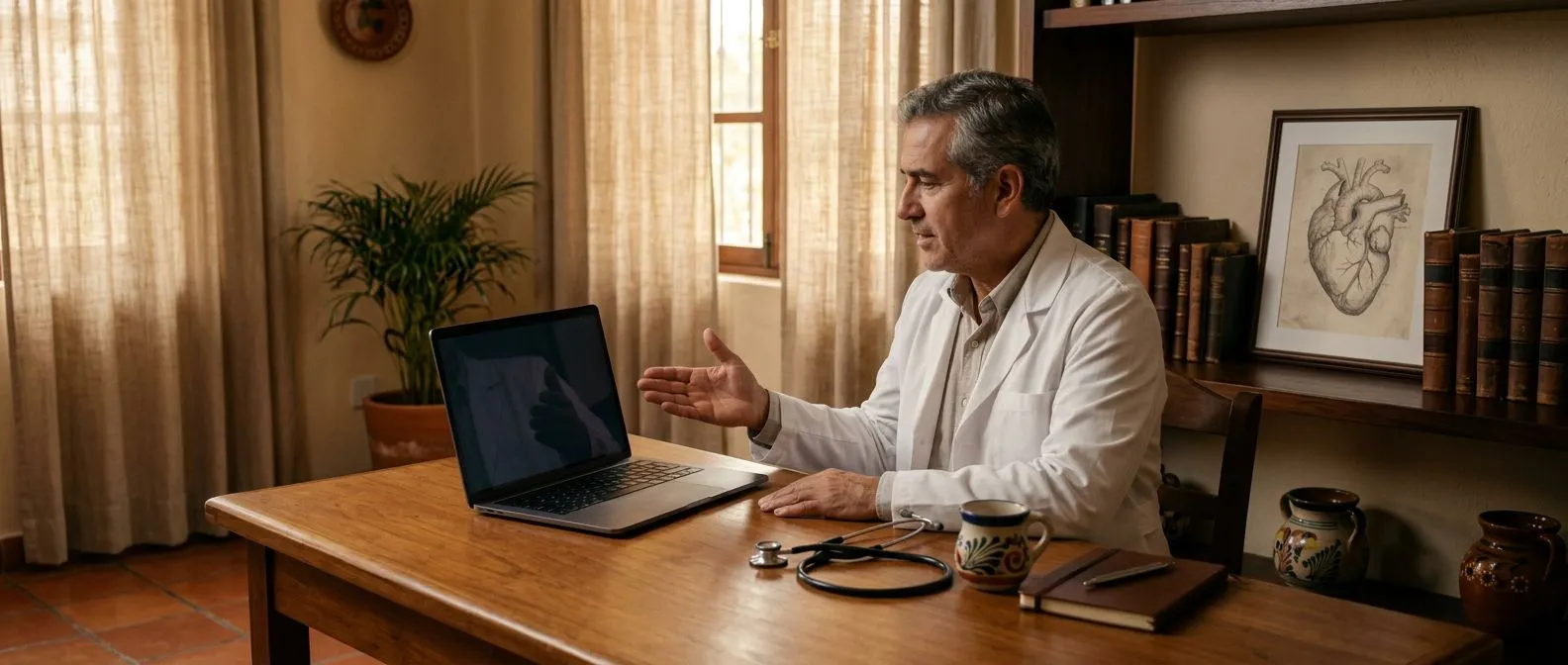
A telemedicine heart surgeon consultation is a live, secure video meeting with a cardiac specialist. Instead of driving to a hospital office, you connect from your phone, tablet or computer. The surgeon sees and hears you in real time, can review the reports you have uploaded beforehand, and can answer your questions directly. Telemedicine simply means clinical care delivered at a distance using technology — the medical judgement involved is exactly the same as in a face-to-face visit.
It is important to understand the distinction between the professionals you may meet. A cardiologist is a physician who diagnoses and manages heart disease with medication and catheter-based procedures. A cardiac surgeon — sometimes called a cardiothoracic surgeon or cardiovascular surgeon — is the specialist who operates on the heart, the valves, and the aorta. When your case might need surgery, speaking directly with a surgeon through a telemedicine consultation means you are hearing from the person who would actually perform the operation, not just someone describing what surgery involves.
Virtual care has become a normal, accepted part of cardiology. Studies indexed on PubMed have examined telehealth in heart care extensively, and it is now widely used for consultations, follow-ups and reviews of imaging and test results. For a first conversation about a diagnosis — before any decision about treatment — it is an ideal starting point.
Can You Do a Telehealth Call on Your Phone?
Yes — a phone is enough for most telehealth cardiology appointments. Modern video consultation platforms run in a browser or a simple app, so there is nothing complicated to install. You will need a reasonably stable internet connection, a camera, and a microphone — all built into any current smartphone. Many of our patients in rural areas connect perfectly well on a basic phone with mobile data.
A few practical tips make a phone consultation far more effective:
- Use headphones or earbuds so you can hear clearly and keep your hands free to take notes.
- Have your test results, discharge letters and medication list within arm's reach before the call starts.
- Sit in a quiet, well-lit room where the surgeon can see your face — lighting matters more than camera quality.
- Write down your questions in advance; it is surprisingly easy to forget the important one in the moment.
One honest limitation: some smartphones compress video aggressively, and this can slightly reduce the detail a surgeon sees when, for example, you are asked to show swelling in your ankles or a surgical wound. If you have the option, a tablet or laptop gives a steadier picture. But for history-taking, reviewing reports and discussing options, a phone call is genuinely sufficient.
How a Virtual Heart Surgeon Appointment Works
The process starts before the video call with a heart surgeon even begins. Typically, you book online, fill in a short medical history form, and upload whatever studies you already have — an echocardiogram (an ultrasound of the heart), an angiogram report, blood work, or a recent electrocardiogram. The surgeon reviews these before the appointment, so the consultation itself is spent on you and your questions, not on reading files silently.
During the video call, the surgeon asks about your symptoms, your daily life, and what you have already been told. Good surgeons explain findings in plain words — what the test actually shows, what it means, and what the realistic options are. In our practice, we take that time deliberately: every study is explained in everyday language, and we do not move on until every question has been answered.
What usually happens after the call:
- A written summary of what was discussed, so nothing depends on memory alone.
- A clear list of which studies are still needed — and which are not — so you avoid ordering unnecessary tests.
- An invitation to an in-person visit if, and only if, the next step of your care requires it.
Every case is different, but the structure is consistent: history, review of evidence, honest explanation, and a plan you understand.
What a Remote Heart Doctor Visit Can and Cannot Do
A remote heart doctor visit is excellent for evaluation, explanation and planning. Surgeons can interpret echocardiogram and angiogram reports, assess your risk, discuss whether surgery or a less invasive catheter-based procedure is appropriate, and explain what recovery would look like. For medication questions, symptom changes, and follow-up after treatment, virtual visits work very well indeed.
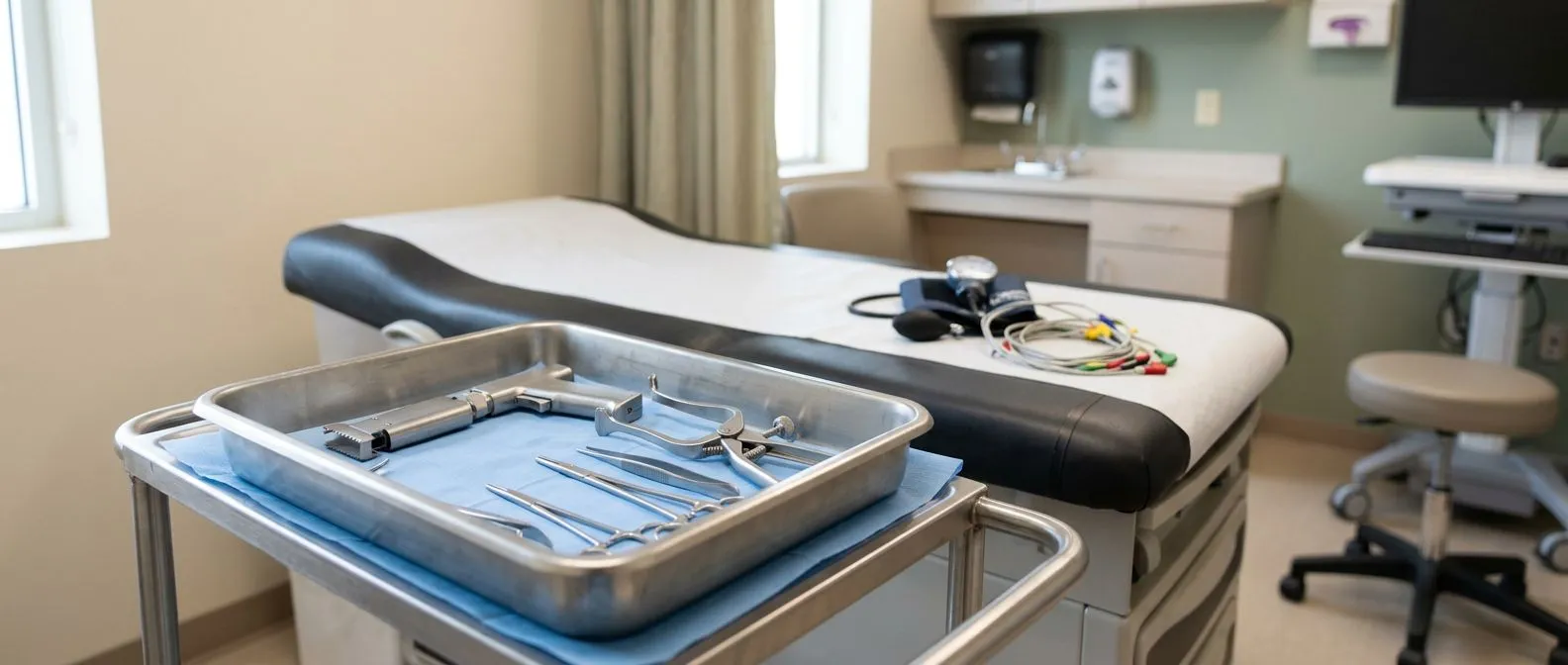
There are honest limits, and you deserve to know them. A video call cannot replace a physical examination, an echocardiogram performed on you, or procedures. Listening to heart sounds, checking circulation in your legs, and measuring blood pressure require you to be physically present. A responsible surgeon will tell you plainly when an in-person assessment is needed before any recommendation can be finalised.
In our team's experience, the free video consultation is most valuable as the first step: we get to know the patient, talk through the condition in detail, and say exactly which studies are still needed — so that when the patient does travel to one of our consulting rooms, no test is repeated and no unnecessary one is ordered. The final decision about treatment is always the patient's, made with every alternative laid out clearly.
Pre-Operative Video Consultation Before Heart Surgery
A pre-operative video consultation for heart surgery gives you time to think before you decide. If surgery is on the table — a valve repair or replacement, a coronary bypass, or treatment of an enlarged aorta — the surgeon will want to review your imaging, calculate your surgical risk, and explain the different approaches available: conventional open surgery, minimally invasive surgery, robotic surgery, or a transcatheter procedure such as TAVR (transcatheter aortic valve replacement, a new valve delivered through a catheter rather than through open surgery).
The trade-offs between these approaches are real and worth discussing at length. Open surgery through the breastbone offers the widest access and is the long-established standard. Minimally invasive and robotic techniques use smaller incisions and often mean a shorter recovery. TAVR avoids open surgery entirely for suitable patients. The right answer depends on your specific anatomy, your age, your other conditions, and what the evidence supports for your situation — not on a general preference for "new" or "less invasive."
In our practice, every case is reviewed by the full multidisciplinary team against international guidelines before any recommendation is made, and the patient receives a clear proposal together with the alternatives. Dr Molina trained in cardiothoracic surgery at the Universidad de Guadalajara, in cardiac, minimally invasive, robotic and structural surgery at the University of Montreal, and in structural cardiology and TAVR at CHU Bordeaux — so when we explain the options, you are hearing from surgeons who have trained across all of these techniques and perform them.
When aortic surgery is discussed, thresholds matter. Guidelines generally recommend repair of the ascending aorta beyond a diameter of about 5.5 centimetres — earlier for some connective tissue conditions — and a candid consultation will tell you where you stand against those thresholds and why.
Post-Surgery Telemedicine Follow-Up
Recovery from heart surgery happens mostly at home — and telemedicine follow-up fits that reality. After you leave hospital, questions appear almost daily: Is this chest sensation normal? Should the incision look like this? When can I drive, return to work, or resume walking further? A video call lets the surgical team see the incision, watch how you move, and catch problems early without asking you to travel while still recovering.
Typical follow-up topics handled well through telemedicine include wound healing, medication adjustments, the timing of cardiac rehabilitation, and interpretation of symptoms that turn out to be entirely normal. Surgeons can also spot warning signs — increasing breathlessness, irregular heartbeats, signs of infection — that should prompt an in-person or emergency assessment instead.
Patients tend to recover more calmly when they know exactly which changes are expected and which are not, and a video follow-up is a good moment to check that understanding as much as the wound itself.
How to Get a Heart Condition Second Opinion Online
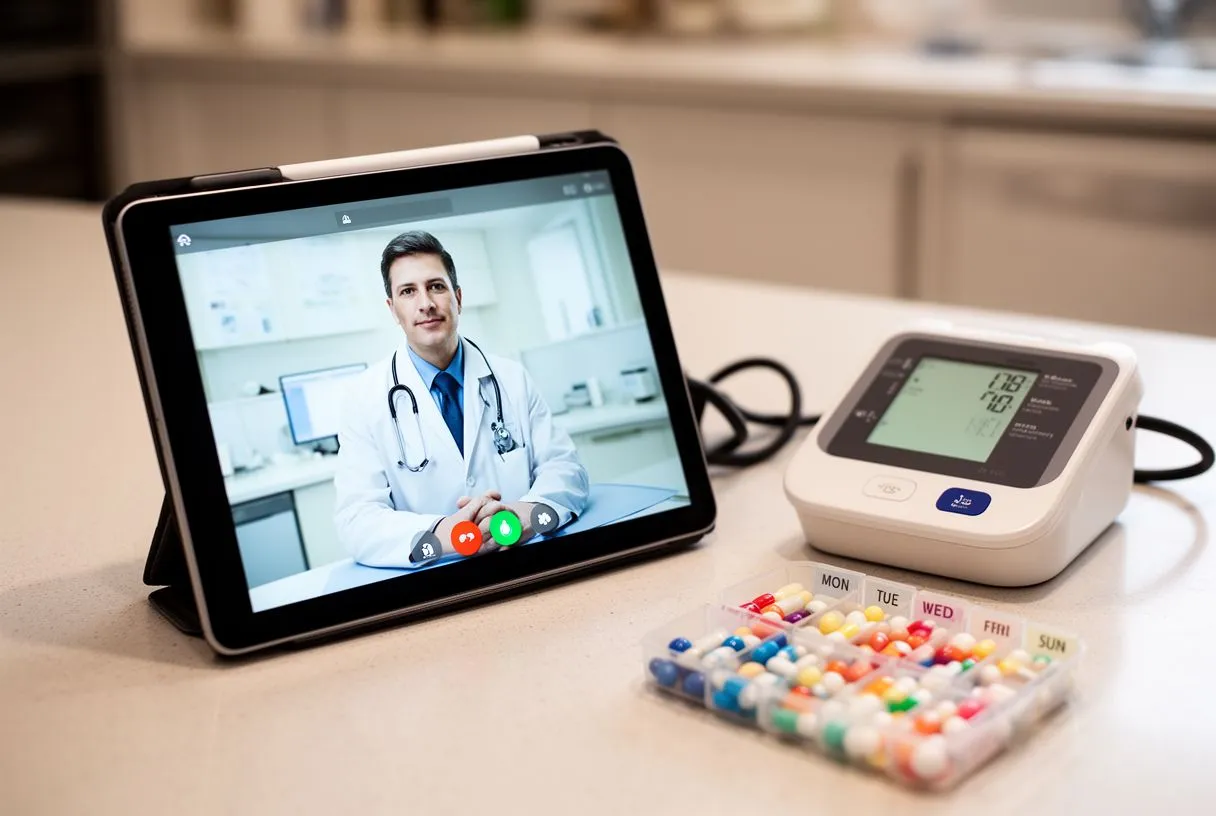
Seeking a heart condition second opinion online is a normal, sensible step — not a betrayal of your doctor. Heart surgery is a major decision, and independent specialists agree that patients should understand all their options before committing. A reputable surgeon will never be offended by a second opinion; in our practice, we actively encourage patients to seek one and treat it as a normal part of deciding about heart surgery.
The process is straightforward. You gather your existing studies — echocardiogram, angiogram, any surgical proposal you have received — and upload them to the specialist's platform. The surgeon reviews everything before the call, then spends the consultation explaining what the evidence shows and whether they would recommend the same path, a different one, or additional tests first. You leave with a documented opinion you can compare with the first.
Telemedicine also matters for some rarer conditions. Rheumatic heart disease, for example — damage to heart valves caused by rheumatic fever, still common in parts of Latin America — often requires coordinated decisions between cardiologists and surgeons about valve repair versus replacement and long-term preventive treatment; research published in Global Heart has examined how patients facing those decisions benefit from clear options and shared planning. Virtual consultation makes it far easier for a patient in a remote area to reach a specialist team with that specific experience.
Similarly, complex aortic problems sometimes demand input from both cardiology and surgery. Intramural haematoma of the aorta — bleeding within the aortic wall that may or may not need surgery — is a case where the published literature, including work in Journal of Cardiothoracic Surgery, shows how crucial timely specialist judgement is in deciding who needs an operation and who can be monitored. Being able to transmit your imaging to such a team remotely can genuinely change the course of care.
Is Telehealth Cardiology Safe and Secure?
Reputable telehealth cardiology platforms use encrypted, privacy-protected connections. Legitimate providers use healthcare-grade video systems, keep your records confidential, and never conduct the consultation through a consumer chat app that stores recordings indefinitely. Before booking, it is fair to ask: What platform do you use? Who can see my records? How are my images and documents stored?
Safety also has a clinical dimension. A well-run virtual service has clear rules about when a video consultation is appropriate and when it is not. Any responsible practice will redirect you to emergency care immediately if you describe red-flag symptoms — crushing chest pain, fainting, sudden severe breathlessness. Telemedicine is for planned care, not for emergencies. If you ever have symptoms of a possible heart attack, call emergency services; do not wait for an appointment of any kind.
There are regulatory questions patients sometimes ask, such as coverage rules and continuity requirements that some insurers and systems apply to virtual visits — rules that vary by country and insurance scheme. In Mexico and for international patients, the practical answer is to ask the practice directly what documentation they provide and what your insurer requires; a transparent team will answer both questions before you commit.
Cardiac Telehealth in Mexico for International Patients
For patients in the United States, Canada and Central America, a video consultation with a heart surgeon offers a practical first step. The first video consultation is free, involves no travel, and lets you establish whether your case genuinely warrants a trip. Many patients use it to obtain a documented second opinion before consenting to surgery locally — a fully legitimate use that good surgeons at home also respect.
Cost transparency matters in this process. A trustworthy practice tells you the consultation fee upfront, tells you which additional studies would be needed and roughly what they cost, and does not pressure you toward more testing. In our practice, the first contact is a free video consultation precisely because we believe a patient should be able to talk to the team and learn which studies are actually needed — with no unnecessary ones ordered — before spending anything further.
Timezone and language are easier than many expect. If an in-person visit follows, the consulting rooms in Guadalajara, Querétaro and Hermosillo give patients several accessible entry points.
How to Book a Video Call With a Heart Surgeon
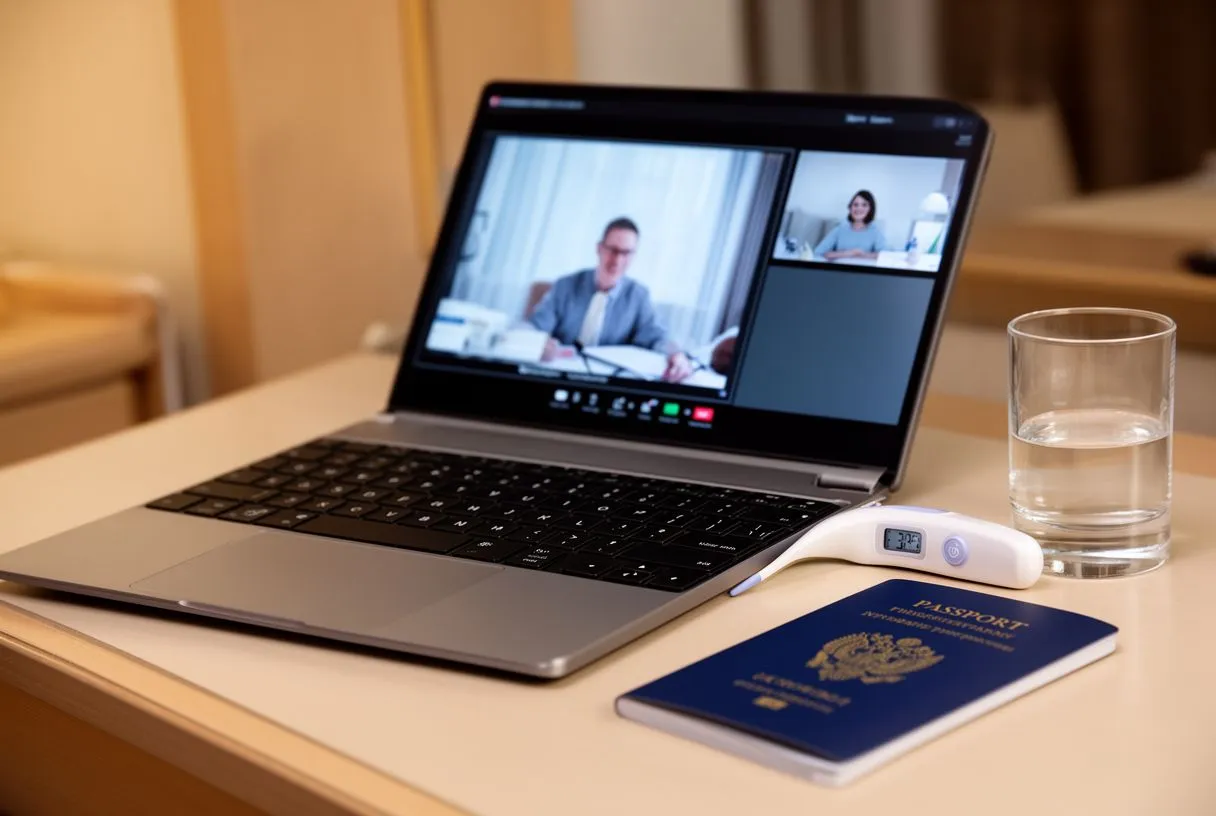
Booking a video call with a heart surgeon takes minutes, not weeks. Choose a practice with verified credentials and a multidisciplinary team, fill in the online form describing your diagnosis and symptoms, upload your existing reports, and select a time. You will usually receive a confirmation with a secure link and simple instructions — no technical expertise required.
Prepare well and the appointment pays for itself many times over. Bring your questions in writing, note when your symptoms started and what makes them worse, list every medication you take, and have someone nearby if you want a second set of ears. Family members can join the video call from their own location, which is often invaluable when a loved one is helping with a major decision.
In our consultations, we explain what the studies actually show in plain words and answer every question before any decision is made — that is the whole point of the first meeting. Dr Molina also performed the first robotic mitral valve repair in the Ángeles Health System and the first robotic heart surgery in Guadalajara, so if minimally invasive or robotic options are relevant to your case, you will be hearing about them from direct experience, not from brochures.
A telemedicine heart surgeon consultation does not replace surgery, examinations, or your local doctor — and it is not meant to. What it does replace is the uncertainty. It gives you direct access to a specialist who operates on hearts every week, a clear explanation of your own results in your own language, and a documented plan before you invest in travel, tests or treatment. If you or a family member are facing a heart diagnosis, start with a virtual conversation with a qualified cardiac team: understand your options first, then decide — with the final choice always in your hands. Booking a consultation costs nothing and may be the clearest hour you spend on your health this year.