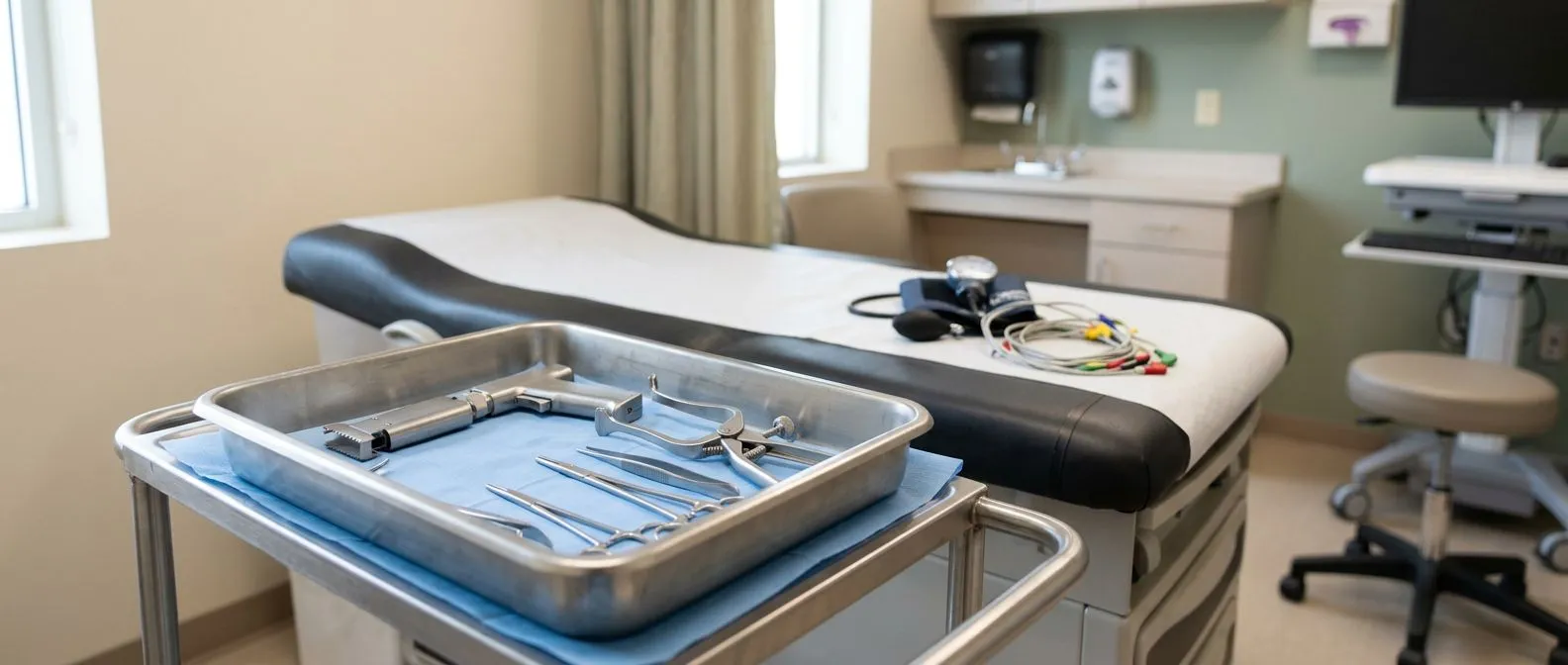
The Multidisciplinary Team Behind Your Heart Surgery
Multidisciplinary team heart surgery experts at Cirugía de Corazón work together for safer cardiac care.
When your doctor first mentions heart surgery, one of the most reassuring facts you can learn is this: no serious cardiac decision is ever made by a single person. Behind every well-planned valve repair, coronary bypass, or transcatheter procedure stands a multidisciplinary team heart surgery patients can rely on — a group of specialists who review your case together, weigh the options, and agree on a recommendation before anything is scheduled. In this guide, we explain who these people are, what each one does, and how a team-based approach protects you at every step, from the first consultation to the day you go home.
What Is a Multidisciplinary Team?
A multidisciplinary team is a group of health professionals from different specialties who meet regularly to plan care for a patient together. In simple words: instead of one doctor deciding, several experts look at your case side by side and combine their knowledge.
In cardiac care, this usually means cardiac surgeons, cardiologists, imaging specialists, anesthesiologists, and intensive care doctors all contributing. Each sees a different part of the same problem. A surgeon looks at how a valve can be repaired; a cardiologist judges how well your heart is pumping; the imaging specialist measures the anatomy precisely.
Why it matters for you: a team decision reduces the chance of a one-sided recommendation. When several specialists agree on a plan — and agree on the alternatives — you can be more confident that the option chosen is the right one for your specific situation, not just the one your first doctor happens to offer.
Who Is on a Heart Surgery Team?
Cardiac surgery team members each carry a clearly defined role. Understanding them helps you know who is doing what around you at every stage.
- Cardiac surgeon: the specialist who performs the operation — valve repair or replacement, coronary artery bypass grafting (CABG), or aortic procedures.
- Cardiologist: diagnoses the condition, runs the catheterizations and echocardiograms, and manages your heart medication before and after surgery.
- Imaging specialist: produces and reads the echocardiograms, CT scans, and catheter studies the whole team depends on.
- Cardiac anesthesiologist: keeps you safely anesthetized during a long operation and monitors your heart throughout.
- Perfusionist: operates the heart-lung machine that keeps blood and oxygen circulating when the heart is temporarily stopped.
- Intensive care (ICU) physician: manages the first critical hours after surgery in the cardiac ICU.
- Nurses and nurse specialists: monitor you hour by hour, manage wounds and drains, and guide your recovery.
Who leads the team? In surgical cases, the cardiac surgeon usually coordinates the plan, but every member has veto-level input. In our practice, every case is reviewed by the multidisciplinary team against international practice guidelines before a recommendation is given — and the patient receives a clear proposal, with the alternatives, and the final decision is always theirs.
How Does a Multidisciplinary Team Heart Surgery Meeting Work?
An MDT meeting (multidisciplinary team meeting, sometimes called a "heart team" conference) is a scheduled session where the specialists review cases together. Your scans, test results, and medical history are presented — usually on a large screen showing your echocardiogram or angiogram — and each specialist comments from their own expertise.
What gets discussed: whether surgery is needed at all, which operation suits you best, what the risks are in your specific case, and what happens if you do nothing. Guideline thresholds often drive these decisions — for example, an ascending aorta dilated beyond 5.5 cm generally becomes a reason to consider surgery, and risk scores such as EuroSCORE II help estimate surgical risk for each patient.
How long after an MDT meeting will you be contacted? This varies by institution. Many heart teams meet weekly, so a decision and contact typically come within days to a couple of weeks after your case is presented. It is completely reasonable to ask the team directly when the meeting happens and when you can expect the outcome — a good team will tell you. At our consulting rooms in Guadalajara, Querétaro and Hermosillo, we take the time to explain what the studies actually show, in plain words, and to answer every question before any decision is made.
The patient stays in charge: a team recommendation is not an instruction. You should leave the process understanding the proposal, the alternatives, and the reasoning — and nothing moves forward without your consent.

Heart Surgeon and Cardiologist Working Together: Why It Matters
The relationship between the cardiologist and the cardiac surgeon is the engine of the heart team. The cardiologist maps the problem — which artery is blocked, how leaky a valve is, how the heart is coping. The surgeon judges what can be fixed and how. When both sit in the same room, gaps between "medical" and "surgical" thinking disappear.
Choosing between approaches: this is where the team earns its value. The same patient might be a candidate for a coronary bypass, a stent placed by catheter, or medication alone — and the honest answer depends on anatomy, risk, and long-term evidence. A team that performs conventional, minimally invasive, robotic, and transcatheter procedures can match the approach to the patient instead of forcing the patient toward one technique.
Our work covers valve disease, coronary disease, the aorta and structural heart conditions, and we recommend the less invasive route only where the evidence supports it for that specific patient — that judgment comes directly from the team review, not from preference for any one technique.
Continuity of care: the same cardiologist who diagnosed you usually continues caring for you after surgery, adjusting medication and monitoring the repaired valve or graft over the years. That long-term relationship is part of what a team structure is designed to provide.
What Is the Cardiac Anesthesiologist Role in Heart Surgery?
A cardiac anesthesiologist is an anesthesiologist with special training in heart operations. Their job goes far beyond putting you to sleep.
During the operation: they run continuous monitoring of your heart with specialized ultrasound performed from inside the esophagus (transesophageal echocardiography), manage blood pressure and anticoagulation, and respond instantly to changes while the surgeon works.
Before and after: they assess your overall health to plan the anesthesia, and they play a central role in managing pain in the first days — which directly affects how well and how quickly you recover breathing and mobility. In modern "fast-track" cardiac care, the anesthesia plan is one of the key factors that lets some patients sit up and even walk within the first day.
Ideally, the anesthesiologist reviews the case before the operation and takes part in the multidisciplinary discussion, because anesthesia risk is part of surgical risk and should never be assessed in isolation.
What Does a Perfusionist Do in Heart Surgery?
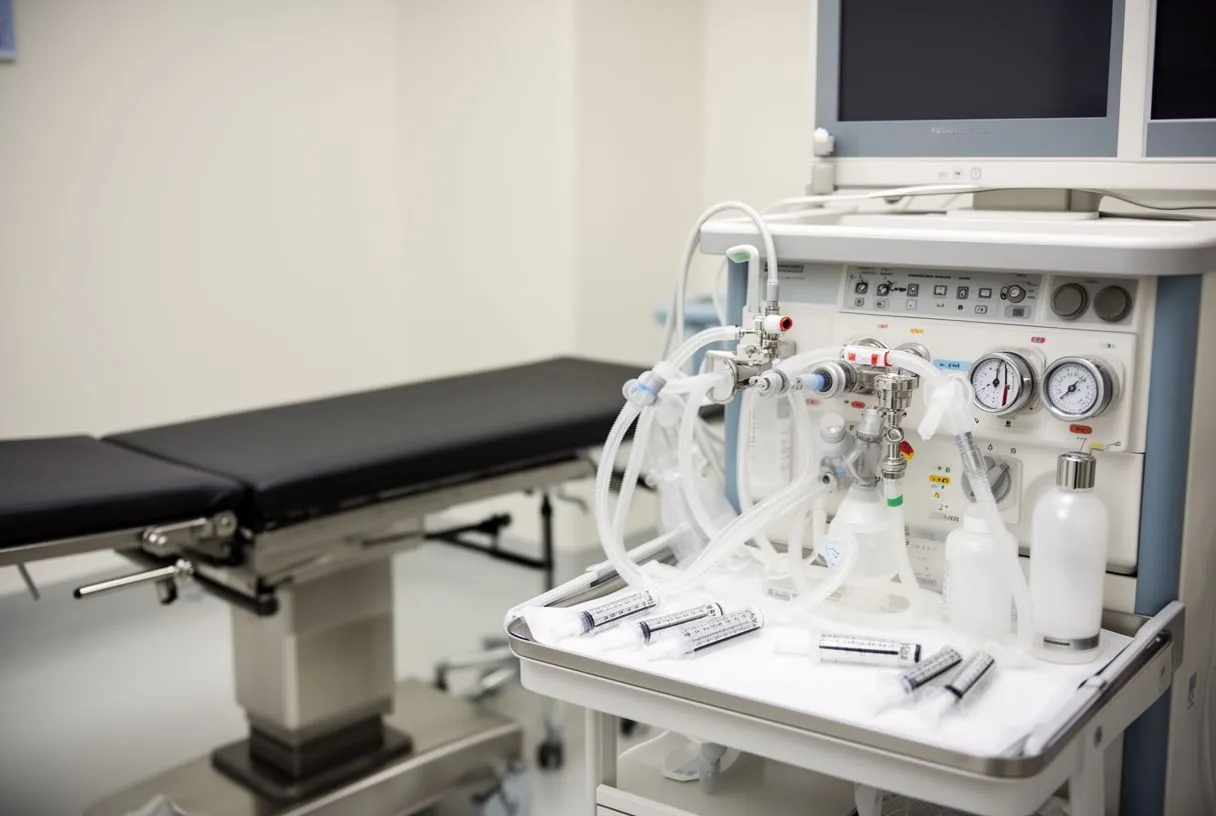
The perfusionist is one of the least known but most essential members of the operating room team. When your operation requires stopping the heart — as in many valve repairs and coronary bypasses — a heart-lung machine (the "bypass machine") takes over circulation. The perfusionist is the specialist who operates it.
What the job involves: diverting your blood into the machine, adding oxygen, removing carbon dioxide, controlling temperature (many cardiac operations are performed with deliberate body cooling), and returning blood safely to your body. For the entire duration of the bypass period, this specialist manages your circulation moment by moment.
Why it should reassure you: perfusion is a dedicated profession with its own training and certification. It is not a task delegated to whoever is free — it is a specialist job, and a good perfusion team is one of the quiet reasons cardiac surgery has the safety record it has today.
Who Makes Up a Minimally Invasive Heart Surgery Team?
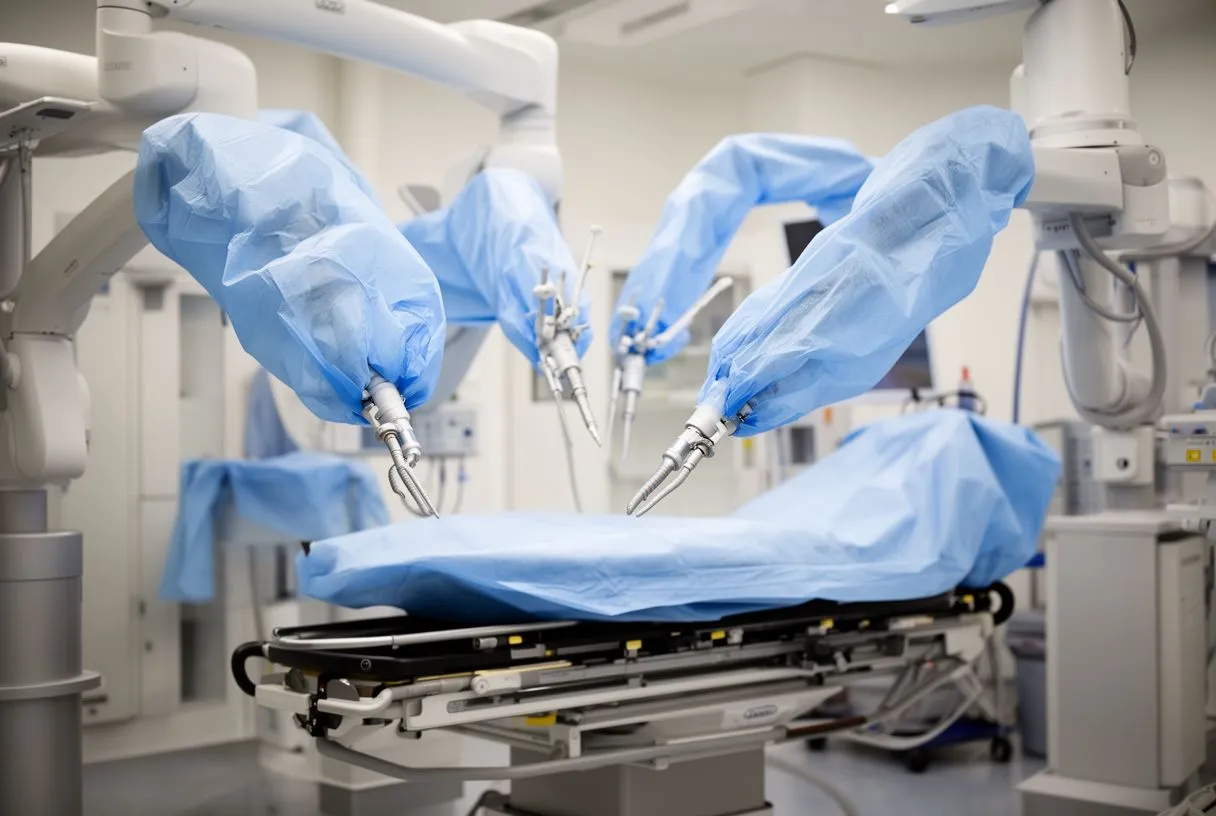
Minimally invasive and robotic heart surgery — operations done through small incisions or with robotic instruments instead of opening the chest — demands an even more coordinated team than open surgery.
Specialized skills on both sides of the drape: the surgeon works through a tiny view or on a console, so the anesthesiologist and the team managing the camera and instruments must anticipate each move. Everyone in the room trains specifically for these techniques.
Dr Molina trained in cardiac, minimally invasive, robotic and structural surgery at the University of Montreal and in structural cardiology and TAVR at CHU Bordeaux, and he performed the first robotic mitral valve repair in the Ángeles Health System and the first robotic heart surgery in Guadalajara.
TAVR as a team procedure: transcatheter aortic valve replacement (TAVR) — replacing a narrowed aortic valve through a catheter, usually from the groin, without opening the chest — is the clearest example of team-based surgery. A structural cardiologist and a cardiac surgeon perform it together, because deciding who is best served by a catheter approach and who by conventional surgery requires both perspectives. American College of Cardiology guidance reflects this team-based model as standard practice for valvular heart disease decisions.
What Does the Heart Surgery Preparation Team Do?
Good outcomes are prepared long before the first incision. In the weeks before surgery, the team works on getting you into the best possible condition.
Optimizing your health: this can mean controlling blood sugar, stabilizing blood pressure, treating any infection, reviewing your medications, and in some cases a supervised period of physical conditioning. Quitting smoking, if applicable, is one of the most powerful preparation steps there is.
Confirming the diagnosis: the team double-checks the imaging and the anatomy, so there are no surprises in the operating room. The surgeon, anesthesiologist, and intensivist agree on the operative plan, the expected course, and contingency plans.
Our first contact is a free video consultation: we get to know the patient, talk through the condition, and say which studies are still needed so no unnecessary ones are ordered — a face-to-face visit at the consulting rooms follows only when the patient decides to go ahead.
Who Cares for You on the Heart Surgery Recovery Team?
Recovery is where the team continues working long after you leave the operating room. The first days happen in the cardiac ICU, managed by intensivists and specialized nurses; the following days move to the ward, where physiotherapy and progressive activity begin.
Early milestones: most patients sit on the edge of the bed and breathe with an incentive device within the first day, walk short distances in the following days, and are discharged once pain is controlled, drains are out, and the team is satisfied with your heart's function and stability.
The team after discharge: your cardiologist tracks medication and heart function; the surgeon checks the wound and the repair; rehabilitation specialists guide exercise. Follow-up imaging confirms the valve or graft is doing its job. Ideally, recovery is reviewed by the team that planned the operation, so the people who know your case are the ones watching how it heals.
Warning signs to know: fever, spreading redness or discharge from the wound, sudden breathlessness, palpitations, or leg swelling deserve an immediate call to the team. Knowing exactly whom to contact — a real person, not a generic line — is part of what a well-organized team provides.
When Should You Ask a Heart Surgery Second Opinion Team?
Asking for a second opinion is normal, reasonable, and encouraged in cardiac care — especially for valve surgery, complex coronary disease, aortic conditions, and any recommendation of open-chest surgery. A second opinion means another team reviews your images and history and tells you whether they agree with the plan.
Good moments to seek one:
- Before agreeing to a major operation such as valve replacement or aortic surgery.
- When you are offered a choice between conventional surgery, a minimally invasive approach, or TAVR and are not sure which fits you.
- When a first recommendation feels rushed, or when you simply do not yet feel certain.
We encourage second opinions and treat seeking one as a normal part of deciding about heart surgery — if another team confirms our plan, that is valuable; if they suggest a different route, the discussion that follows usually makes the final decision better.
What to bring: your most recent echocardiogram, catheterization or CT images (ideally on a disc or digital file), your medication list, and your questions written down. A team that welcomes scrutiny is usually a team worth trusting.
In summary: modern heart surgery is not the work of one brilliant surgeon but of a coordinated group — surgeons, cardiologists, anesthesiologists, perfusionists, intensivists, and nurses — who review your case together and agree on a plan before touching your heart. If you are facing a cardiac decision, ask who will be on your team, ask whether your case has been reviewed in a multidisciplinary meeting, and never hesitate to seek a second opinion. If you are considering a consultation with a cardiac team in Guadalajara, Querétaro or Hermosillo, book a consultation with our team and bring every question you have — the decision about your heart should be made together, with you at the center of it.