Urinary Catheter After Heart Surgery: What to Expect
Learn what to expect with a urinary catheter after heart surgery—from insertion and duration to removal and recovery.
Waking up after heart surgery is disorienting enough without noticing unfamiliar tubes and lines connected to your body. Among these, the urinary catheter is one of the most common — and for many patients, one of the most uncomfortable to think about beforehand. If you or a loved one is preparing for cardiac surgery, understanding what this tube does, why it is there, and what to expect during and after its use can ease much of the anxiety. This guide walks you through every stage of the urinary catheter experience, from insertion in the operating room to life after removal, so you can approach your recovery with clarity and confidence.
What Is a Urinary Catheter After Heart Surgery?
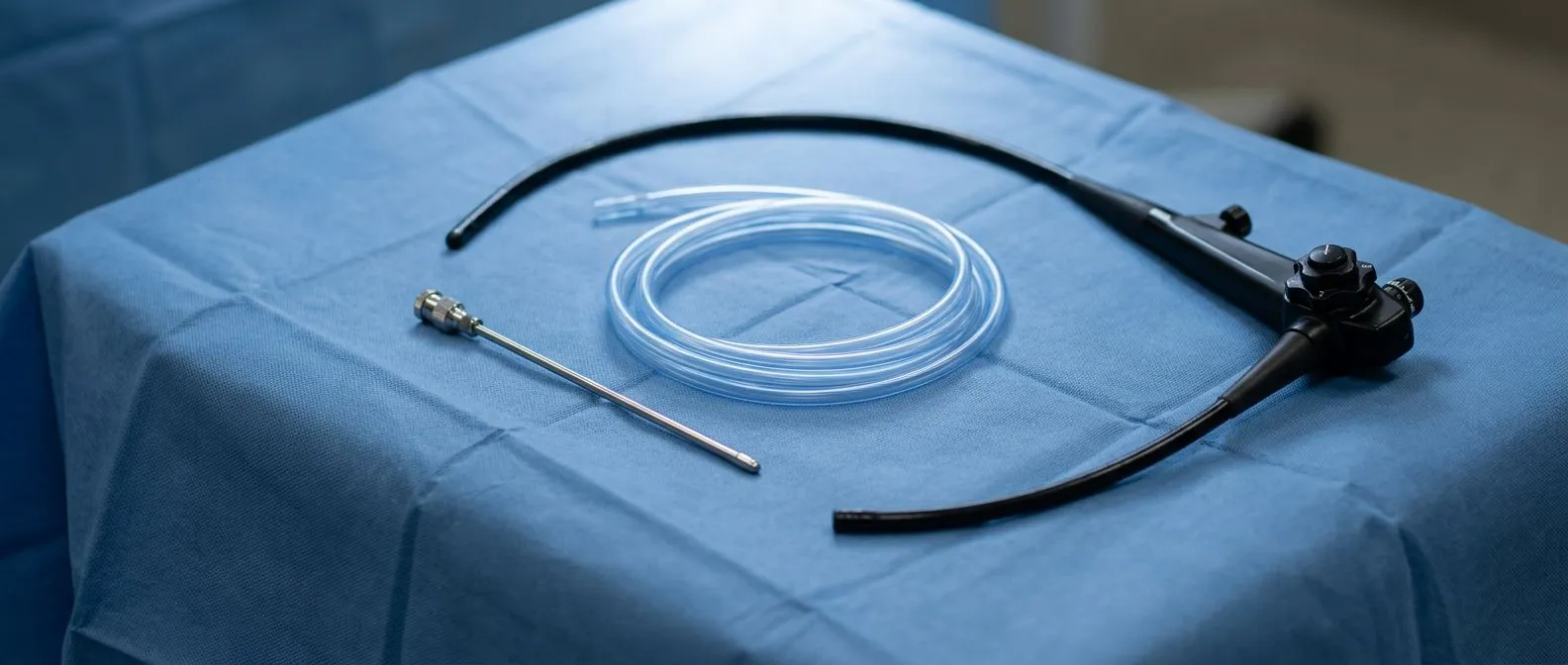
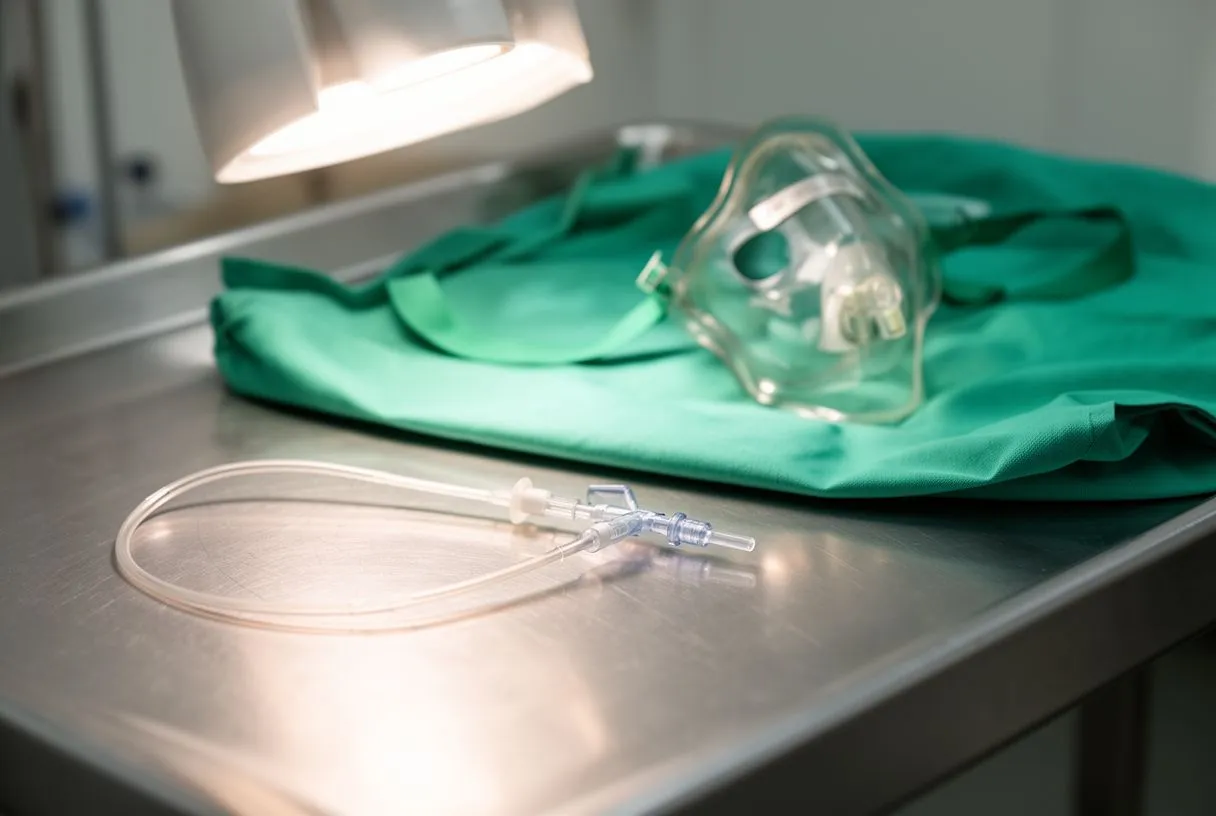
A urinary catheter is a soft, flexible tube inserted through the urethra into the bladder to drain urine continuously into a collection bag. The most common type used during and after heart surgery is a Foley catheter, which has a small balloon at its tip that is gently inflated once inside the bladder to hold it securely in place. This design means the catheter stays positioned correctly without taping or external fastening, and urine flows out passively without any effort from the patient.
During cardiac procedures, the surgical team relies on precise fluid management. The anesthesiologist tracks every milliliter of urine output in real time, because kidney function during cardiopulmonary bypass is a critical indicator of how well the body is tolerating the procedure. The catheter allows continuous, accurate measurement that would be impossible if the patient — who is under general anesthesia — needed to use the bathroom naturally.
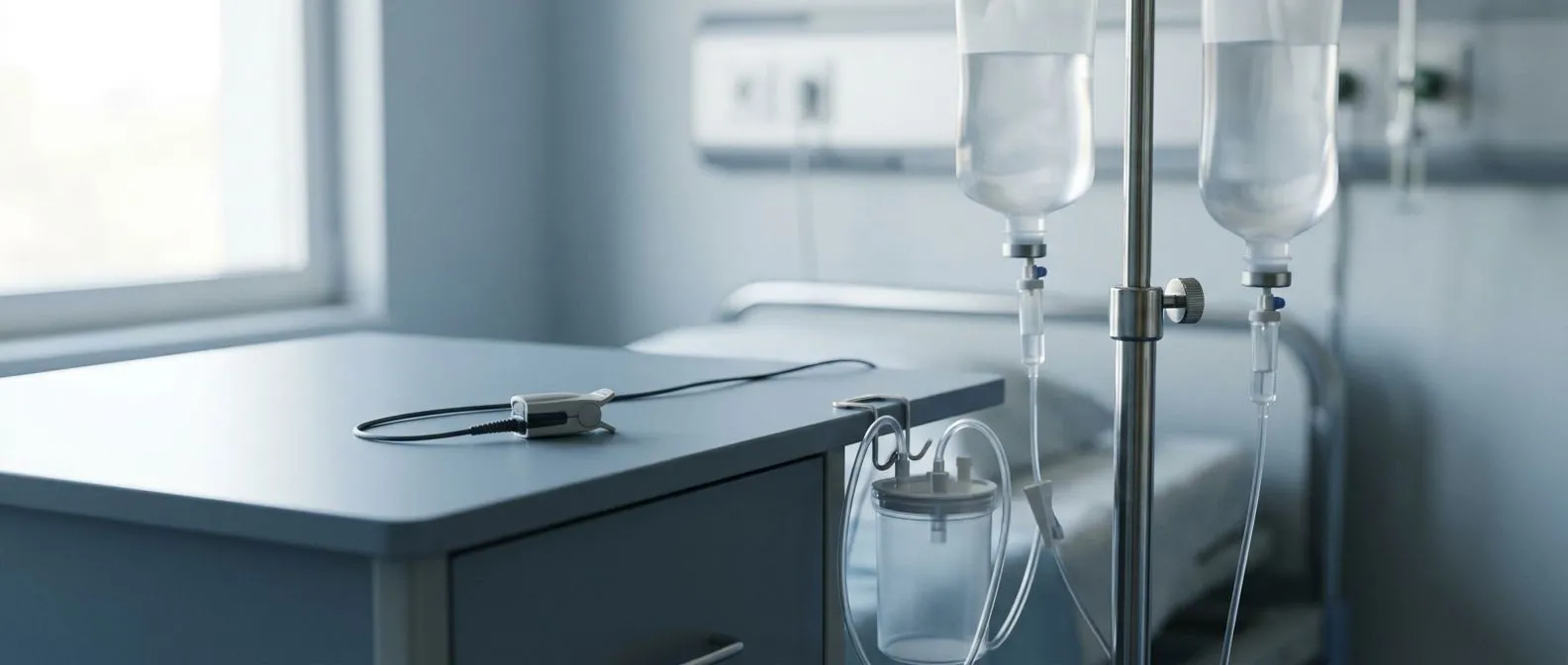
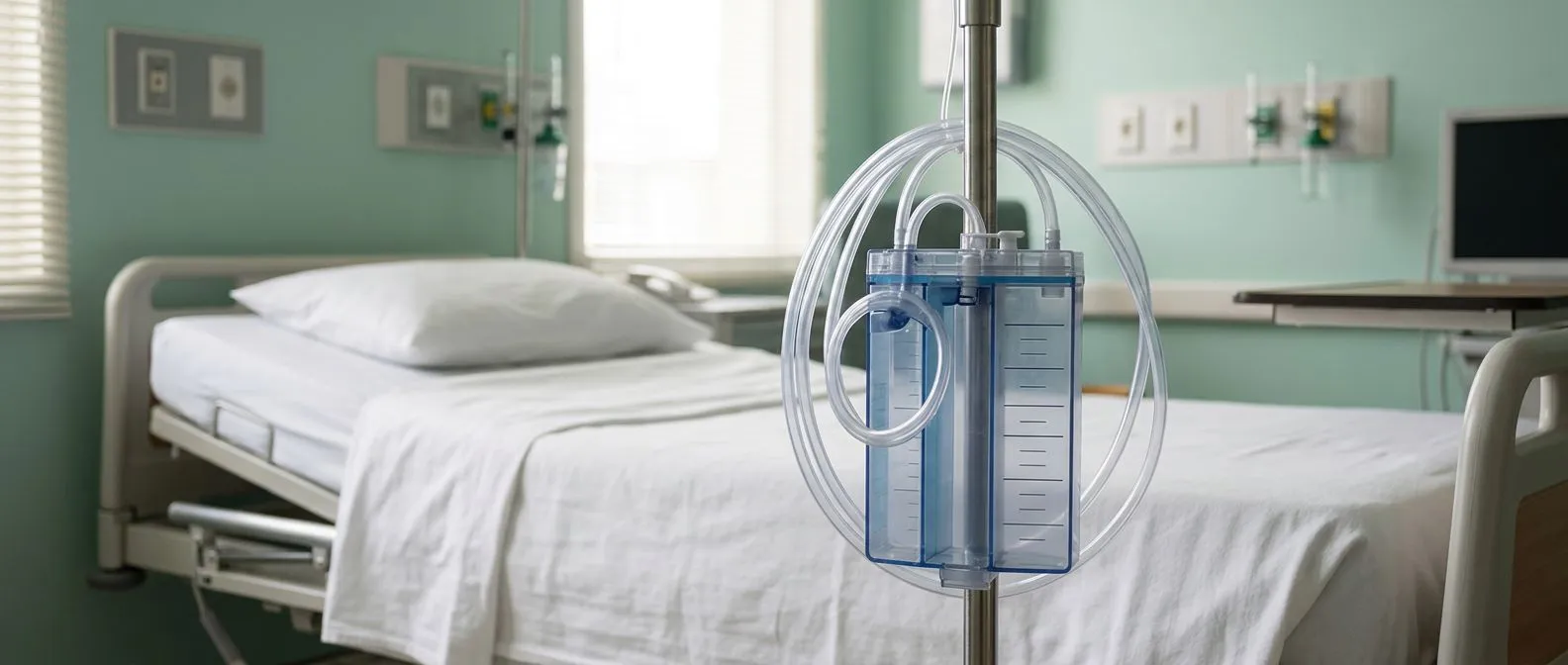
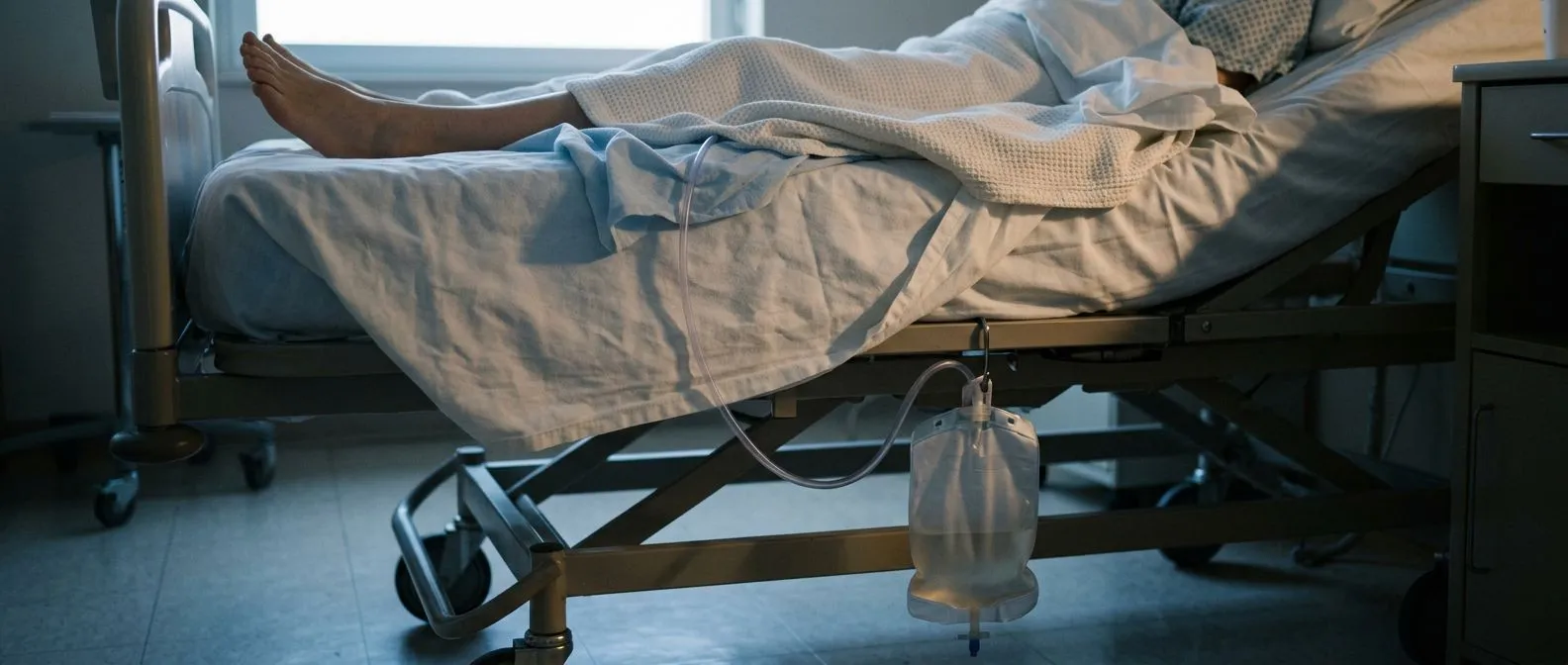
Is the catheter visible while I am in the ICU? Yes. When you wake in the intensive care unit, the collection bag typically hangs on the side of the bed, below the level of your bladder so gravity helps urine flow. You will also see other lines nearby — an arterial line for blood pressure monitoring, possibly an arterial cannula delivering medications, and various drains. The urinary catheter is simply one part of the monitoring system keeping you safe in the early hours after surgery.
Why Is a Urinary Catheter Used During Cardiac Surgery?
Cardiac surgery is fundamentally different from many other operations because it often involves cardiopulmonary bypass — a process where a machine temporarily takes over the work of your heart and lungs. During bypass, your blood is circulated through an external pump and oxygenator, which changes how your kidneys receive blood and filter waste. The surgical team needs to monitor urine output closely to confirm that your kidneys are receiving adequate perfusion throughout this critical period.
Without a urinary catheter, there would be no way to measure urine production during the hours you are under anesthesia. Kidney injury is a recognized risk of cardiac surgery, and declining urine output is one of the earliest warning signs. By draining urine continuously, the catheter gives the team an immediate, real-time read on kidney health. According to Mayo Clinic, monitoring urine output during major surgery is a standard safety practice because it reflects blood flow to vital organs and helps guide intravenous fluid management.
Could the catheter affect other cardiac treatments I am receiving? Not directly. Patients arriving for heart surgery may already be taking medications such as Aspirin for coronary disease, or may have had prior procedures like balloon angioplasty or a balloon aortic valvuloplasty. The catheter is a temporary support device for the surgical period only and does not interfere with your cardiac medications or your underlying treatment plan. It is simply removed once you are stable and able to walk to the bathroom safely.
How Long Does a Urinary Catheter Stay In After Heart Surgery?
For most patients undergoing procedures such as coronary artery bypass grafting, valve repair, or surgery on the ascending aorta, the urinary catheter remains in place for one to two days after surgery. It is inserted in the operating room before the procedure begins and stays connected through your time in the ICU and sometimes into the first day on the regular ward. The exact duration depends on how quickly you regain mobility, how stable your kidney function is, and whether you are producing adequate urine without assistance.
Some patients may have the catheter removed as early as the evening of the first post-operative day if they are alert, sitting up, and their urine output is strong. Others, particularly those who needed a longer time on cardiopulmonary bypass or who have pre-existing kidney concerns, may keep the catheter for an extra day. The goal is always to remove it as soon as it is safe to do so, because prolonged catheter use increases the risk of urinary tract infections.
What if I need the catheter longer than expected? In certain situations — for example, if you experience atrial flutter after surgery, which can affect kidney perfusion, or if your recovery involves complications requiring extended bed rest — the team may keep the catheter for three days or more. This is not a sign that something is wrong; it is a precaution. Your cardiac surgeon and the intensive care team will explain the reasoning and give you a target timeline for removal based on your individual recovery milestones.
What Does Urinary Catheter Insertion Feel Like After Surgery?
For the vast majority of patients, the urinary catheter is inserted while they are already under general anesthesia, meaning you will feel nothing during placement. The anesthesiology team performs the insertion as part of the sterile preparation in the operating room, before the surgical incision is made. This is one detail that surprises and reassures many patients when they learn it: you will not be awake for the insertion, and you will have no memory of it happening.
When you wake up, the catheter is already in place. You will likely feel a sensation of pressure or fullness in the bladder area, and some patients describe an urge to urinate even though the bladder is being continuously drained. This is a normal and expected sensation — the brain interprets the presence of the tube as a signal that the bladder is full. It can feel uncomfortable, but it is not dangerous, and the sensation typically fades within the first day as your body adjusts.
Will I feel the tube inside me when I move? You may feel awareness of the catheter when you shift position in bed, especially when turning onto your side or sitting up for the first time. The nursing staff will show you how to position the tubing so it does not pull. The collection bag should always remain below bladder level, and the tubing should have enough slack to accommodate movement without tension. If you feel sharp pain, tugging, or resistance, tell the nurse immediately — the tube may need repositioning.
Urinary Catheter Removal After Heart Surgery: What Happens?
Removal of the urinary catheter is a quick, straightforward procedure performed by a nurse at your bedside. First, the nurse uses a syringe to deflate the small balloon that holds the catheter in your bladder. This takes only a few seconds. Then the tube is gently and steadily withdrawn through the urethra. The entire process takes under a minute, and while you will feel it, most patients describe it as a brief, odd pulling sensation rather than sharp pain.
Many patients feel apprehensive about removal, sometimes more than about the surgery itself. This is entirely normal. The sensation is brief and manageable, and the nurse will talk you through each step so you know exactly what to expect. You may be asked to take a slow breath and relax your pelvic muscles as the tube comes out, which helps reduce any discomfort. After removal, the nurse will check that you are able to urinate on your own within the next several hours.
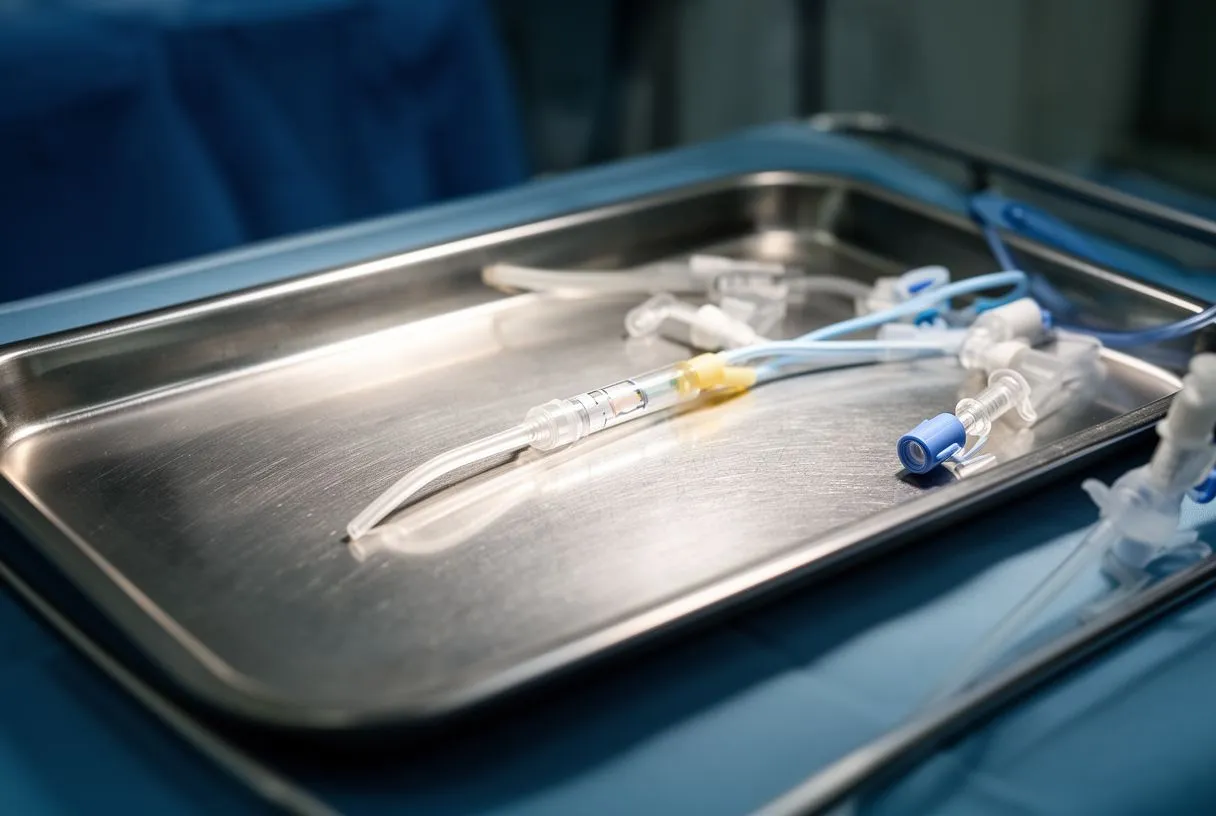
What happens if I cannot urinate after the catheter is removed? Some patients, particularly men with enlarged prostates or patients who had the catheter for more than two days, may experience temporary difficulty urinating after removal. This condition, called post-operative urinary retention, is not uncommon. If you cannot pass urine within four to six hours, the nurse may perform a bedside bladder scan using ultrasound to check how much urine is in your bladder. If the volume is high, a new catheter may be inserted temporarily — usually for just one more day — and then removal is attempted again.
How to Manage Urinary Catheter Care After Cardiac Surgery
While the catheter is in place, the nursing staff handles most of the care, but understanding what they do helps you feel more in control. The collection bag is emptied regularly, and the volume is recorded each time. The tubing is positioned to prevent kinks, loops, or backflow of urine, which could introduce bacteria into the bladder. The area where the tube exits the body is cleaned daily with antiseptic, and the catheter is secured to your leg with a gentle anchor to prevent pulling.
You can help by being mindful of the tubing when you move. If you are helping the nurses reposition you in bed, or if you are getting up to sit in a chair for the first time, let them know you have a catheter so they can position the bag and tubing correctly. Never let the collection bag rest on the floor — it should always hang from the bed frame or a dedicated stand, and the drain valve at the bottom should never touch any surface.
Can I shower with the catheter still in? In most cases, showering is permitted once your surgical incisions have been assessed and approved by the team, even with the catheter in place. The collection bag should be kept outside the shower stream or swapped for a smaller leg bag if available. Avoid submerging in bathwater, as this significantly increases the risk of infection. If you are uncertain, ask your nurse — they will confirm when it is safe based on your specific surgical incisions and recovery progress.
Common Urinary Catheter Side Effects After Surgery
Most side effects related to the urinary catheter are mild and resolve quickly after removal. The most common is a burning sensation when you urinate for the first few times after the tube comes out. This happens because the urethral lining has been in contact with the catheter material and is slightly irritated. Drinking extra water helps dilute the urine and reduces the sting, and the sensation typically fades within one to three days.
Another frequent experience is a feeling of urgency — needing to urinate suddenly and sometimes more frequently than before surgery. The bladder has been resting while the catheter was in place, and it takes a short time for the bladder muscle to resume its normal filling and emptying pattern. This adjustment period is usually brief, and most patients return to their normal urinary rhythm within a week.
Is blood in the urine normal after catheter removal? A small amount of pink-tinged urine or tiny visible flecks of blood can occur in the first day after removal, especially in patients who are also taking blood thinners as part of their cardiac recovery. Visible bright red blood, clots, or inability to pass urine are not normal and require immediate attention. Research published through PubMed 32535007 has examined catheter-related urinary complications in surgical patients, confirming that most minor symptoms resolve without intervention but that persistent bleeding or retention warrants prompt evaluation.
Urinary Catheter Complications After Surgery: When to Seek Help
While complications are uncommon with short-term catheter use, it is important to recognize the warning signs. A urinary tract infection is the most frequent complication, and its symptoms include fever, cloudy or foul-smelling urine, new lower abdominal pain, or a sudden increase in urgency and frequency. If you have already been discharged home and experience any of these, contact your cardiac surgery team or seek medical care promptly.
More serious but rarer complications include urethral injury from the catheter, which may present as persistent bleeding that does not improve, or inability to urinate despite feeling a strong urge. Bladder spasms — sudden, cramp-like pain in the lower abdomen — can also occur, caused by the bladder muscle contracting around the catheter. These spasms can be managed with medication if they are severe, so report them to your nurse rather than trying to endure them silently.
- Fever over 38°C (100.4°F): May indicate a urinary tract infection requiring antibiotic treatment.
- Bright red blood or clots in urine: Could signal urethral injury or bladder irritation; seek evaluation.
- Inability to pass urine for more than six hours after removal: Suggests urinary retention; a bladder scan or temporary re-catheterization may be needed.
- Sharp pain in the lower abdomen or back: Could indicate bladder spasm or, less commonly, a kidney issue; report immediately.
Recovering Bladder Function After Urinary Catheter Removal
Recovering normal bladder function after catheter removal is a gradual process that most patients complete within a week, though some may need longer. In the first few days, you may notice that you need to urinate more frequently, that the stream is weaker than usual, or that you have occasional episodes of mild leakage when coughing or moving suddenly. These are all part of the bladder re-learning its normal rhythm after a period of passive drainage.
Staying well hydrated is one of the most effective things you can do. Drinking adequate water throughout the day helps flush the urinary tract, dilutes the urine to reduce burning, and encourages the bladder to fill and empty in a healthy pattern. Avoid excessive caffeine, which can irritate the bladder lining and increase urgency. If you were prescribed diuretics as part of your heart failure management, your cardiologist will have already accounted for their effect on your urinary pattern.
How long until my bladder feels completely normal again? Most patients report a return to their baseline urinary pattern within five to seven days after catheter removal. Patients who had the catheter for three days or longer, those with pre-existing prostate enlargement, or those with certain neurological conditions may need two to three weeks for full normalization. If symptoms persist beyond two weeks, or if you develop new pain, fever, or visible blood, contact your surgical team. Clinical studies, including work referenced through The CardioPAT Project: A Randomized Trial, have explored interventions to reduce post-operative urinary complications, underscoring that recovery timelines vary and should be individualized.
Returning Home: Life After Urinary Catheter Removal
By the time you are discharged home, the urinary catheter will have been removed and you will be urinating independently. Most patients find that any lingering discomfort — mild burning, slight urgency, or occasional leakage — resolves within the first week at home. Your discharge instructions will include guidance on recognizing signs of a urinary tract infection, since these can develop days after the catheter is removed and after you have left the hospital environment.

It is worth noting that some medications used in cardiac recovery can affect urination. Diuretics increase urine volume, which means you will need to urinate more frequently and should plan accordingly, especially during travel or at night. Blood thinners may make any minor irritation from the catheter more visible as light pink-tinged urine for a day or two, which is usually not concerning. If your cardiac recovery plan includes monitoring for arrhythmias such as atrial flutter, and you are managing conditions related to the atrium, your overall fluid balance and kidney function remain important — so any significant change in urination patterns is worth mentioning to your follow-up team.
- Hydration matters: Aim for clear or pale yellow urine; this indicates adequate fluid intake and helps prevent infection.
- Don't delay bathroom trips: Responding promptly to the urge prevents bladder overdistension, which can slow recovery of normal muscle tone.
- Keep your follow-up appointment: Your surgeon will want to confirm that your kidney function and urinary pattern have returned to baseline, especially if you had any concerns during your hospital stay.
In summary, the urinary catheter after heart surgery is a short-term, routine part of your surgical care that serves a critical safety function during and immediately after your procedure. While the experience can feel unfamiliar and sometimes uncomfortable, understanding each stage — from insertion under anesthesia to removal and recovery at home — removes much of the uncertainty. Every patient's timeline is slightly different, and that is expected. If you are preparing for heart surgery and have questions about any aspect of your recovery, including what to expect with a urinary catheter, we encourage you to discuss your specific situation with a qualified cardiac surgery team. To speak with Dr Alejandro Molina and the team at Cirugía de Corazón in Guadalajara, Querétaro, or Hermosillo, book a consultation — we are here to help you navigate your cardiac journey with confidence and clarity.