When to See an Electrophysiologist for Heart Rhythm
Electrophysiologist heart rhythm specialist: learn when to seek care for palpitations, AFib, or fainting.
What Is an Electrophysiologist for Heart Rhythm?
An electrophysiologist heart rhythm specialist is a cardiologist who has completed additional fellowship training focused exclusively on the electrical system of the heart. While a general cardiologist manages coronary arteries and valve disease, the electrophysiologist diagnoses and treats disturbances in the timing and coordination of heartbeats. If your heart beats too fast, too slow, or in an irregular pattern, this is the doctor whose expertise directly addresses those signals.
Think of the heart as a house with plumbing (the coronary arteries) and wiring (the electrical pathways). A plumber fixes blocked pipes, but when the lights flicker or the circuit breaker trips, you need an electrician. The electrophysiologist is that electrician for your heart. Using specialized catheters, 3D mapping systems, and implantable devices, they locate the misfiring circuits and either redirect or steady them so the heart maintains a healthy rhythm.
If you have been referred to one, it does not mean your condition is necessarily severe. Many patients see an electrophysiologist for symptoms that turn out to be benign once properly evaluated. The goal is precision: to confirm whether a rhythm problem exists, identify its source, and determine whether it needs treatment or simply monitoring. Reassuringly, most rhythm issues are manageable with medication, a targeted procedure, or a small implanted device.
Signs You Need a Heart Rhythm Specialist
Heart palpitations that interrupt daily life: Feeling your heart race, pound, flutter, or skip beats is the most common reason patients seek an arrhythmia doctor. Occasional palpitations tied to caffeine, stress, or poor sleep are often harmless, but when they occur at rest, last more than a few minutes, or come with dizziness, they deserve professional evaluation.
Unexplained dizziness or fainting: Syncope — the medical term for fainting — can happen when the heart pauses or races so quickly it cannot pump effectively. A heart rhythm specialist performs a syncope evaluation to determine whether an electrical problem is responsible, rather than dehydration, low blood pressure, or a neurological cause. A thorough auscultation (listening to the heart with a stethoscope) is only the beginning; prolonged monitoring often reveals the true culprit.
Shortness of breath or chest discomfort with an erratic pulse: These symptoms can overlap with coronary artery disease, but when tests show your arteries are clear and your symptoms still occur, the electrical system becomes the next focus. An electrophysiologist can determine whether conditions such as atrial flutter or ventricular tachycardia are driving the problem and recommend the lowest-risk path for your situation.
Common Heart Rhythm Disorders Treated
The most frequent condition an electrophysiologist manages is atrial fibrillation, or AFib, a chaotic rhythm originating in the upper chambers of the heart. AFib raises stroke risk because blood can pool and clot in the left atrium. Treatment ranges from medication that controls the rate and prevents clots to catheter ablation that isolates the veins triggering the erratic signals.

Another common disorder is atrial flutter, which produces a rapid but organized circuit in the atrium. Unlike the disorganized signals of AFib, flutter often follows a predictable path that an electrophysiologist can map and, in many cases, cure with a single ablation line. Patients with flutter often describe a steady, fast heartbeat that starts and stops abruptly.
Ventricular tachycardia and bradycardia sit at opposite ends of the spectrum. Ventricular tachycardia originates in the lower pumping chambers and can be dangerous, sometimes requiring an implantable defibrillator. Bradycardia, an abnormally slow rhythm, may cause fatigue or fainting and is typically managed with a pacemaker. Each of these conditions has specific guideline thresholds that determine when intervention is recommended.
What to Expect During an Electrophysiology Study
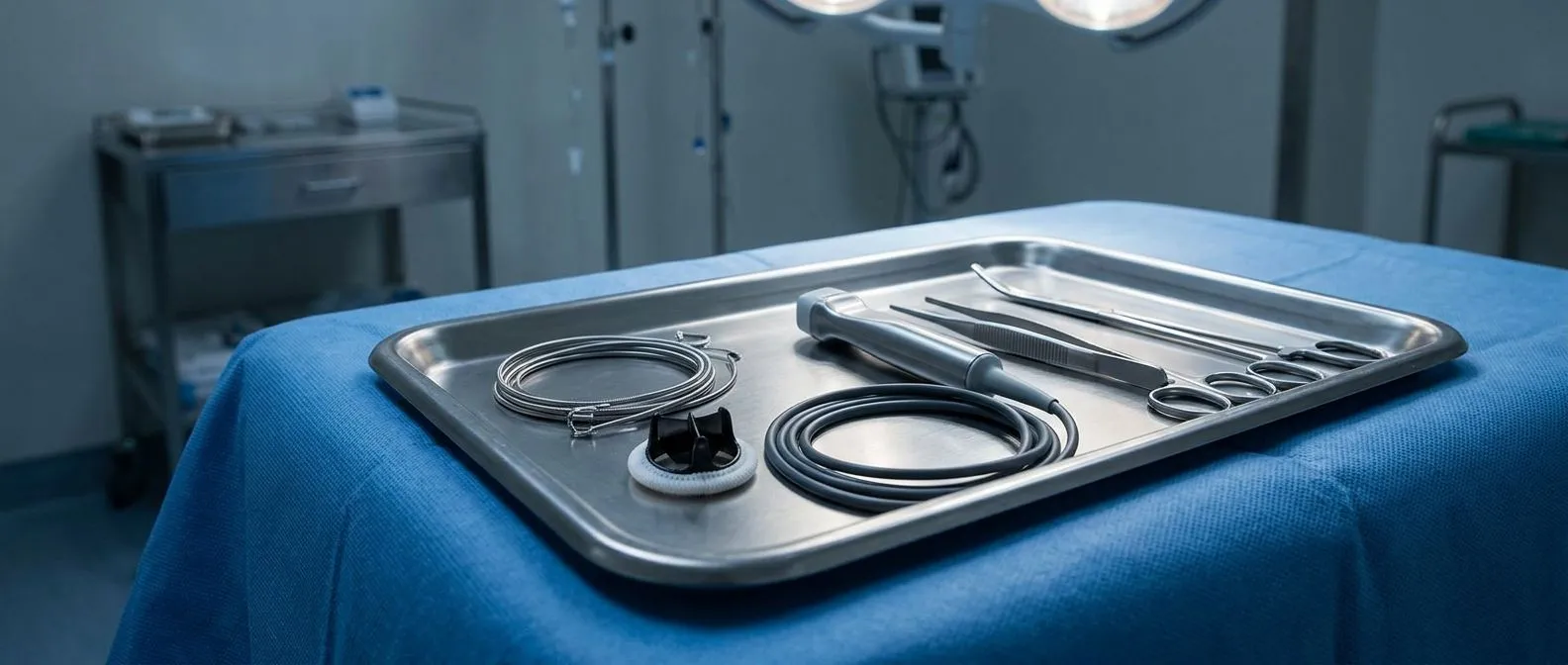
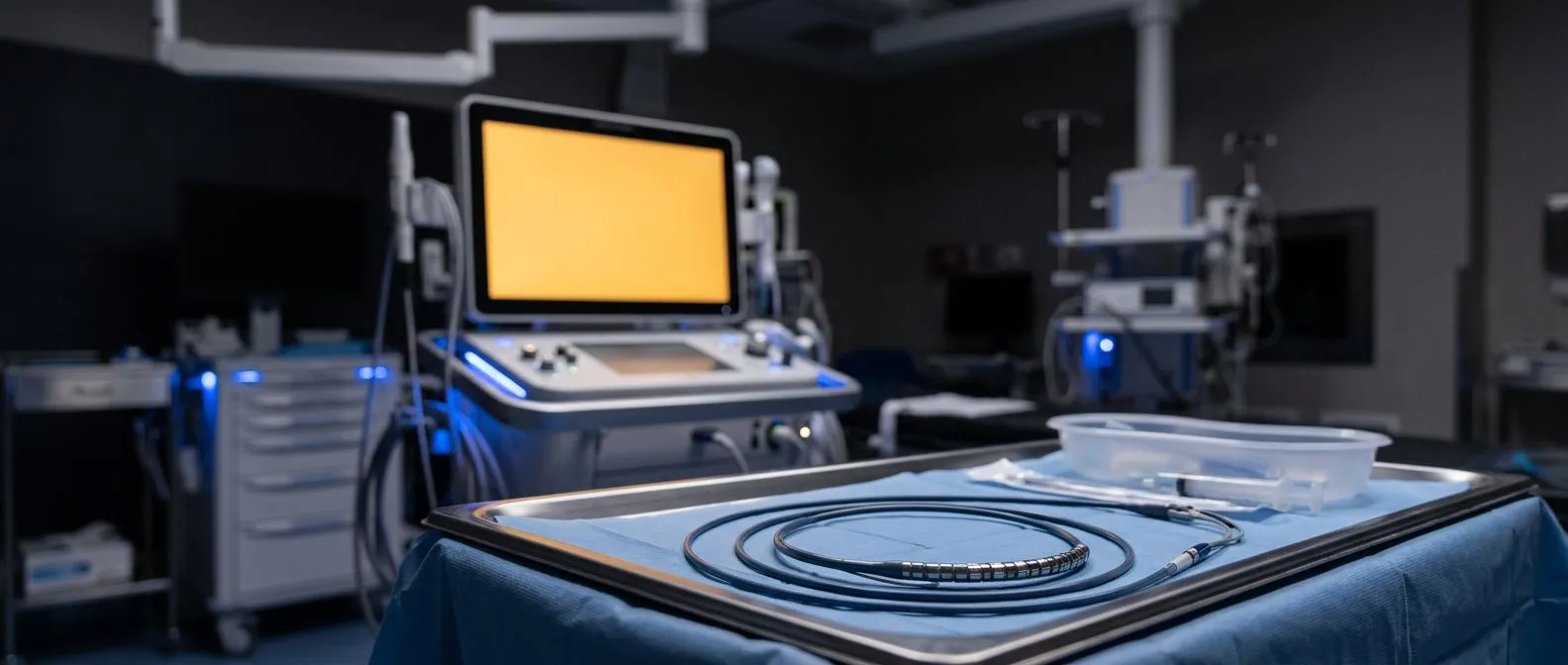
An electrophysiology (EP) study is a diagnostic procedure performed in a specialized laboratory. The doctor threads thin, flexible wires called electrode catheters through a vein in your groin or neck and guides them into the heart using real-time X-ray imaging. Once positioned, these catheters record the heart's electrical signals from the inside, allowing precise measurement of conduction times and the identification of abnormal circuits.
You will typically be awake but lightly sedated, as the team needs to observe your rhythm while it is happening. If the doctor provokes an arrhythmia during the study, you may feel palpitations or lightheadedness — this is expected and is exactly the information the team is looking for. The procedure usually lasts one to three hours, and most patients go home the same day. Before the study, the team will review any blood thinners such as aspirin or anticoagulants you may be taking and give you specific instructions on timing.
If a treatable arrhythmia is found, the doctor may proceed directly to ablation during the same session, since the catheters are already in place. Combining diagnosis and treatment in one visit reduces the need for a second procedure. According to Stanford Health Care, EP studies are highly accurate for locating arrhythmia sources and are considered safe for the majority of patients.
Catheter Ablation Treatment Options
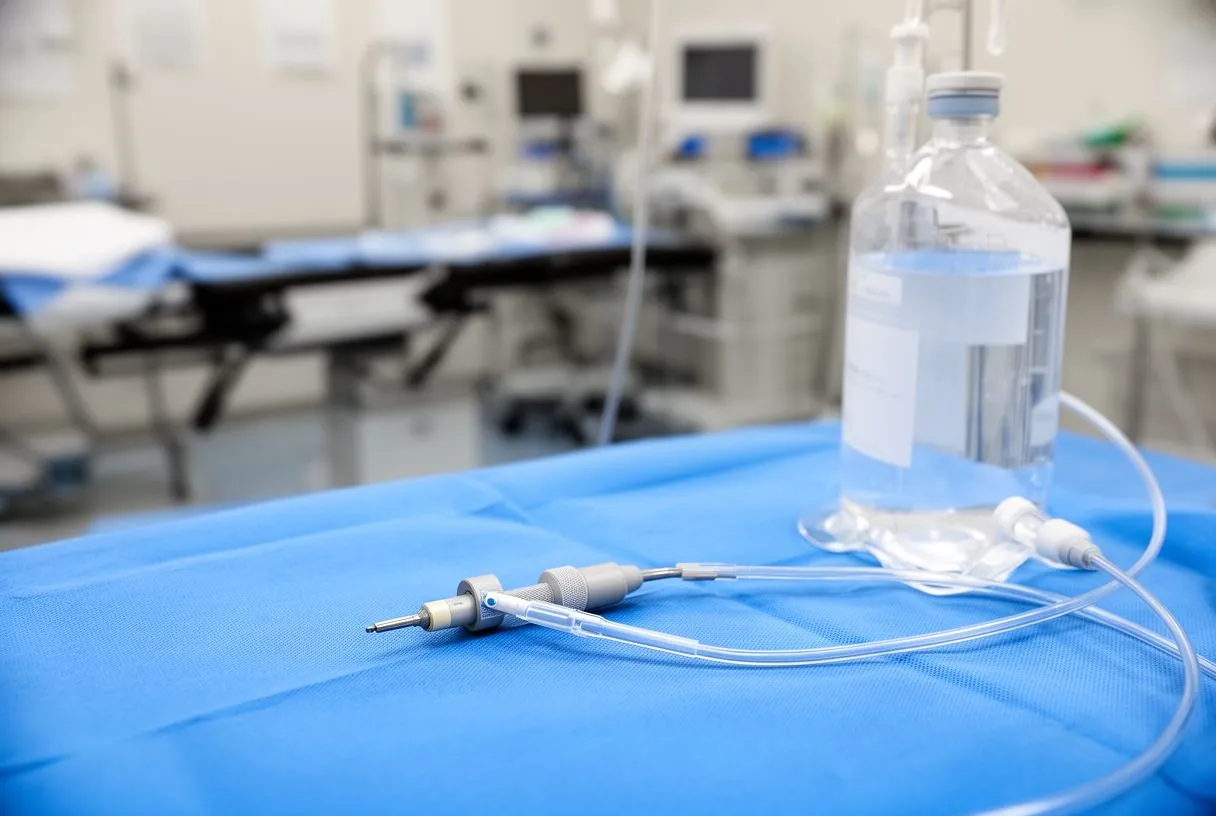
How catheter ablation works: During ablation, the electrophysiologist uses the same catheters from the EP study to deliver targeted energy — usually radiofrequency heat or cryotherapy cold — to the small area of heart tissue generating abnormal signals. By creating a tiny scar, the doctor blocks the misfiring circuit while leaving the surrounding healthy muscle untouched.
When ablation is recommended: Ablation is often suggested when medication fails to control symptoms or causes side effects you cannot tolerate. For atrial fibrillation, it is also considered when a patient prefers a procedural approach over long-term drug therapy. The decision is individualized: your doctor weighs symptom burden, stroke risk factors, and the anatomy of your pulmonary veins before recommending the procedure.
Recovery from ablation is relatively quick. Most patients rest for a few hours in the recovery area and return home the same day or after an overnight stay. Full healing of the ablation scars takes several weeks, during which you may still experience some palpitations as the tissue settles. The success rate depends on the type of arrhythmia, with atrial flutter ablation often achieving long-term rhythm control in a single session, while persistent AFib may require more than one procedure.
Pacemakers and Implantable Defibrillators Explained
A pacemaker is a small device implanted under the skin below the collarbone, with wires threaded into the heart that deliver tiny electrical pulses when the heart rate drops below a programmed threshold. It is primarily used for bradycardia treatment, where the heart's natural pacemaker — the sinus node — fires too slowly or pauses dangerously. Modern pacemakers adjust their pacing based on activity level, so the device supports your heart rhythm whether you are walking, sleeping, or climbing stairs.
An implantable cardioverter-defibrillator (ICD) looks similar but serves a different purpose. Rather than preventing slow rhythms, an ICD monitors for dangerously fast rhythms like ventricular tachycardia and delivers a lifesaving shock to restore a normal pattern. Some patients receive a device called a cardiac resynchronization therapy defibrillator, or CRT-D, which also coordinates the left and right ventricles in patients whose heart muscle is weakened.
The implantation is typically performed under local anesthesia with sedation and takes about one to two hours. You will usually stay overnight for monitoring. Device checks are done remotely and in person, and battery replacement — a smaller procedure — is generally needed every five to ten years. For patients with a history of cardiac arrest or severely reduced heart function, an ICD provides a safety net that continuously watches for life-threatening rhythms.
Heart Rhythm Monitoring at Home
Before committing to a procedure or implant, an electrophysiologist often relies on extended heart rhythm monitoring to capture intermittent symptoms. A Holter monitor records continuously for 24 to 48 hours, while an event monitor or patch worn for one to four weeks captures longer windows. These devices help correlate what you feel with what your heart is actually doing at that exact moment.
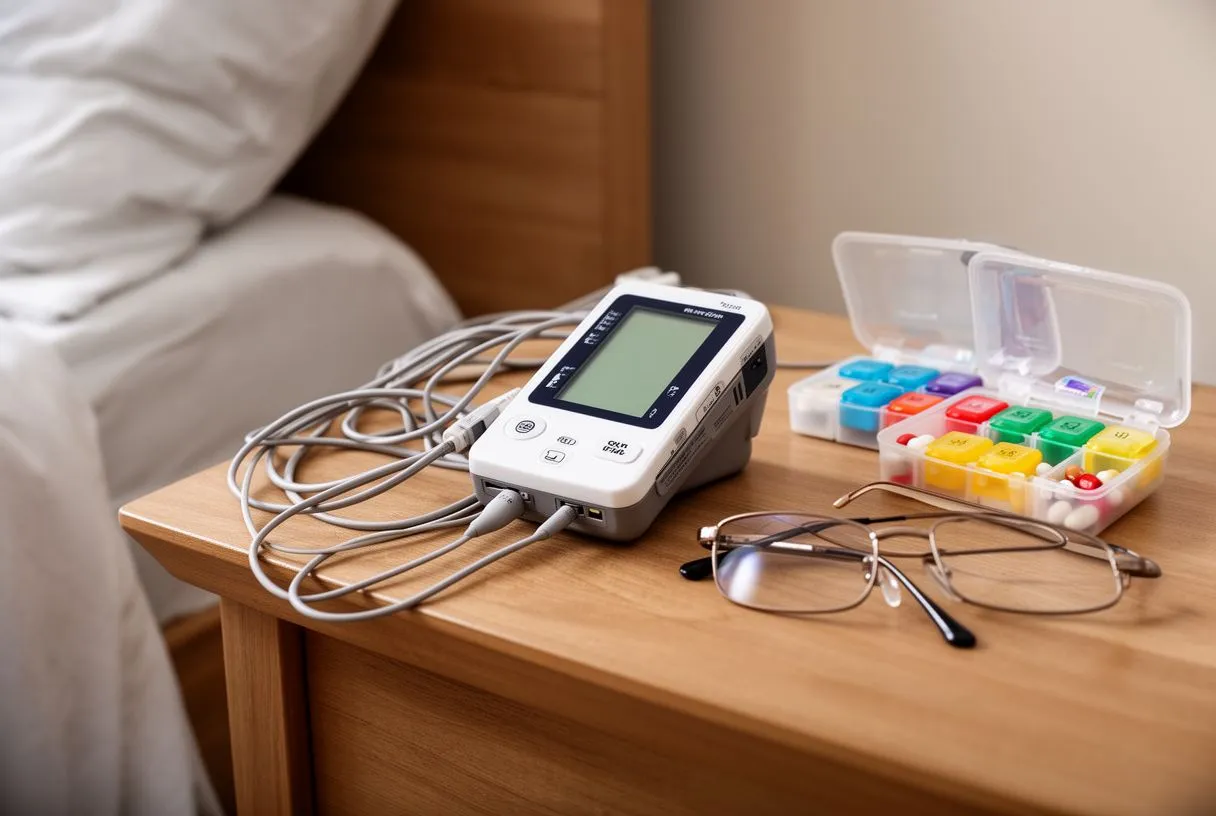
Modern options include wearable patches and smart devices that sync with your phone and transmit data directly to the clinic. This technology is especially useful for arrhythmias that appear only once every few days or weeks. The doctor reviews the downloaded tracings and determines whether the recorded patterns match your symptoms, which is critical for deciding whether treatment is needed at all.
For high-risk patients, such as those with risk factors for stroke in atrial fibrillation, continuous monitoring also helps guide decisions about blood thinners. A large registry study on risk factors for thromboembolic and bleeding events in anticoagulated patients with atrial fibrillation underscores the importance of accurately characterizing rhythm patterns to balance clot prevention against bleeding risk. Monitoring is not just about catching a diagnosis; it informs the entire treatment strategy.
Syncope Evaluation and Irregular Heartbeat
Syncope — fainting — is alarming for patients and families, and determining the cause is a primary reason people are referred to an electrophysiologist. The evaluation begins with a detailed history: how quickly the episode came on, what you were doing beforehand, whether you had warning signs, and how quickly you recovered. These details often point toward a cardiac, neurological, or vascular cause.
When the heart is suspected, the workup may include an ECG, echocardiogram, tilt-table testing, and implantable loop recorder placement. The goal is to correlate the faint with a rhythm disturbance. Some patients discover they have brief pauses in the heartbeat — sometimes just a few seconds — that drop blood flow to the brain long enough to cause collapse. Others learn their fainting is not cardiac at all, which is equally valuable because it prevents unnecessary pacemaker implantation.
Cost and logistics matter, particularly for patients traveling from outside Mexico for evaluation. A syncope evaluation is typically an outpatient process, but if an implantable loop recorder is placed, it stays under the skin for up to three years and transmits data wirelessly. Discuss the total expected cost, follow-up schedule, and whether remote monitoring is available from your home country before you commit to a plan.
Recovery After Heart Rhythm Procedures
Recovery from an EP study or ablation is generally faster than recovery from open-heart surgery, but it still requires patience. You will be asked to avoid heavy lifting and strenuous exercise for about a week, keep the catheter site clean and dry, and watch for any signs of bleeding or infection. Most people return to work and normal activities within a few days.

Medication adherence plays a central role in recovery and long-term success. Blood thinners are usually continued for several months after ablation to prevent clots while the heart tissue heals. A study on the pharmacist role in enhancement of medication adherence and clinical outcomes in acute coronary syndrome patients highlights how closely supervised medication management improves outcomes — a principle that applies equally to arrhythmia care, where missed doses can lead to recurrence.
Follow-up typically includes a clinic visit within a few weeks, a repeat ECG, and sometimes a follow-up monitoring period. If you received a pacemaker or ICD, you will have device checks at regular intervals. These appointments are brief but important: they confirm the device is functioning correctly, the battery has adequate life, and the programmed settings still match your needs. If your symptoms return or change, contact your electrophysiologist rather than waiting for your next scheduled visit.
Finding an AFib Specialist Near You
Choosing the right electrophysiologist involves more than proximity. You want a specialist who performs a high volume of the specific procedure you need, communicates clearly about risks and benefits, and involves you in shared decision-making.
When you contact a clinic, ask whether the electrophysiologist performs both diagnostic EP studies and ablation, what imaging and mapping technology they use, and how they handle post-procedure monitoring for international patients. A good team will explain every step, discuss alternative options, and never pressure you into a procedure before you understand the rationale. If you are taking medications related to other cardiac conditions — such as balloon angioplasty recovery or valve interventions like placement of a balloon-expandable valve — make sure the electrophysiologist coordinates with your existing cardiologist.
Ultimately, the decision to see an electrophysiologist heart rhythm specialist should be guided by your symptoms, your risk profile, and your comfort with the proposed plan. If palpitations, fainting, or an irregular pulse are affecting your daily life, a consultation can provide clarity and a path forward. Book a consultation with the team at Cirugía de Corazón to discuss your specific situation — do not self-diagnose or delay evaluation when symptoms are persistent or worsening.