After Your Heart Surgery: The First Six Weeks
After your heart surgery, learn what to expect week by week for safe healing.
After your heart surgery, the first six weeks are when the real healing happens — and when most patients have the most questions. Your chest feels different, your energy is lower than expected, and everyday tasks like sleeping or climbing stairs suddenly feel like projects. This guide walks through what to expect after your heart surgery, week by week, so you and your family can plan with confidence instead of worry. We will cover incision care, diet, activity, warning signs, and the milestones that matter most in the first six weeks.
What to Expect After Your Heart Surgery: The First Days
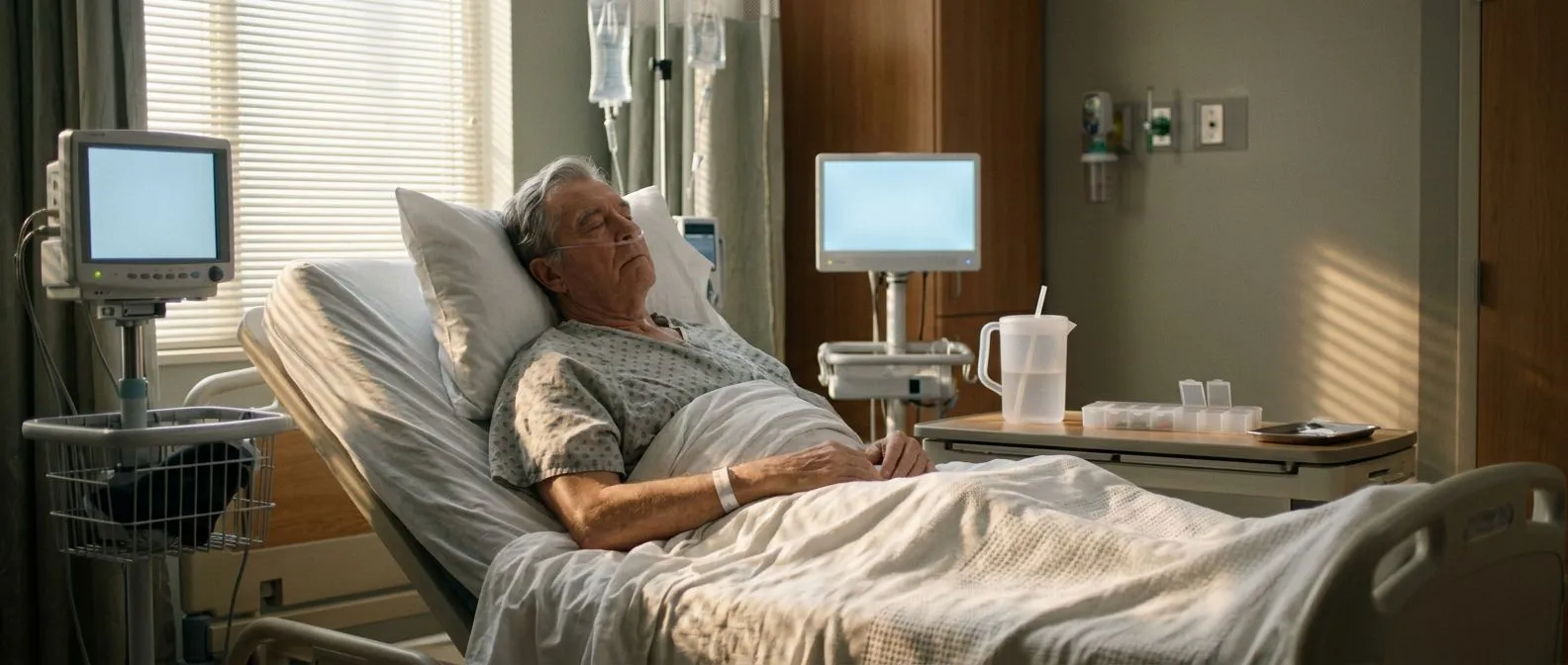
Waking up in the intensive care unit. Most patients spend one to two nights in the ICU after their heart surgery, where nurses monitor heart rhythm, blood pressure, and breathing continuously. You may still have a breathing tube when you first wake, but it is usually removed within hours. Expect a sore throat, a hoarse voice, and a dull ache across the chest — all normal for the first days.
Lines, drains, and tubes. Chest drainage tubes remove fluid that collects around the heart and lungs, and they are typically pulled out within one to two days. A temporary pacing wire and an intravenous line are also common. Each removal is a step forward, and most patients are surprised by how quickly the equipment disappears.
By day two or three, most patients move from the ICU to a regular ward, sit in a chair, and start walking short distances with help. Early walking protects the lungs, lowers the risk of pneumonia, and starts the blood moving again. In our practice, we explain in plain words what each study and each day shows, so no stage of the hospital stay comes as a surprise.
What Does a Cardiac Surgery Recovery Timeline Look Like Week by Week?
The first week at home. The first week is for rest, short walks, and learning your new limits. Your after your heart surgery recovery timeline is not a race — it is a steady climb. Walking is the main activity; lifting anything heavier than a small book is off the table. Fatigue is expected and it is the most common complaint patients report during the first week.
Weeks two to four. Energy slowly returns, and walks get longer. Appetite comes back, sleep improves for most people, and the incision stops stinging. The sternum is still fragile, so driving, twisting, and pushing remain restricted. Some days will feel like a setback — that pattern is normal, not a sign that something is wrong.
By after your heart surgery six weeks, the big changes are behind you. The breastbone is usually knit together enough to resume driving and most normal activities with your surgeon's approval. It is also the typical point for a follow-up appointment to review healing. After your heart surgery what to expect at that visit: a physical exam, a look at the incision, and a conversation about returning to work and exercise.
How Does Sternum Healing After Your Heart Surgery Work?
The breastbone is a broken bone that must knit. During most heart operations the sternum — the breastbone down the center of the chest — is divided and then closed with stainless steel wires. Sternum healing after your heart surgery follows the same biology as any broken bone: soft callus first, then firmer bone over roughly six to eight weeks. The wires stay for life and rarely cause problems.
Why the sternal precautions matter. For about six weeks you will be asked to avoid pushing, pulling, lifting more than around four or five kilograms, and driving. These rules exist because a movement that twists the chest can separate the healing bone. A firm cough held against a chest pillow, sleeping on your back or side, and rolling out of bed log-style all protect the sternum while it mends.
Sternal precautions checklist:
- Roll to your side and push up with your arm to get out of bed — never sit straight up.
- Hug a pillow firmly when coughing, sneezing, or laughing to brace the chest.
- No lifting, pushing, or pulling anything heavier than about 4–5 kg for six weeks.
- No driving until your surgical team clears you, usually around the six-week mark.
Sternal wound problems are uncommon, but patients with diabetes, obesity, or chronic lung disease carry a higher risk, and strict glucose control and breathing exercises are part of prevention in every good program.
Incision Care After Heart Surgery: Signs of Infection to Watch For
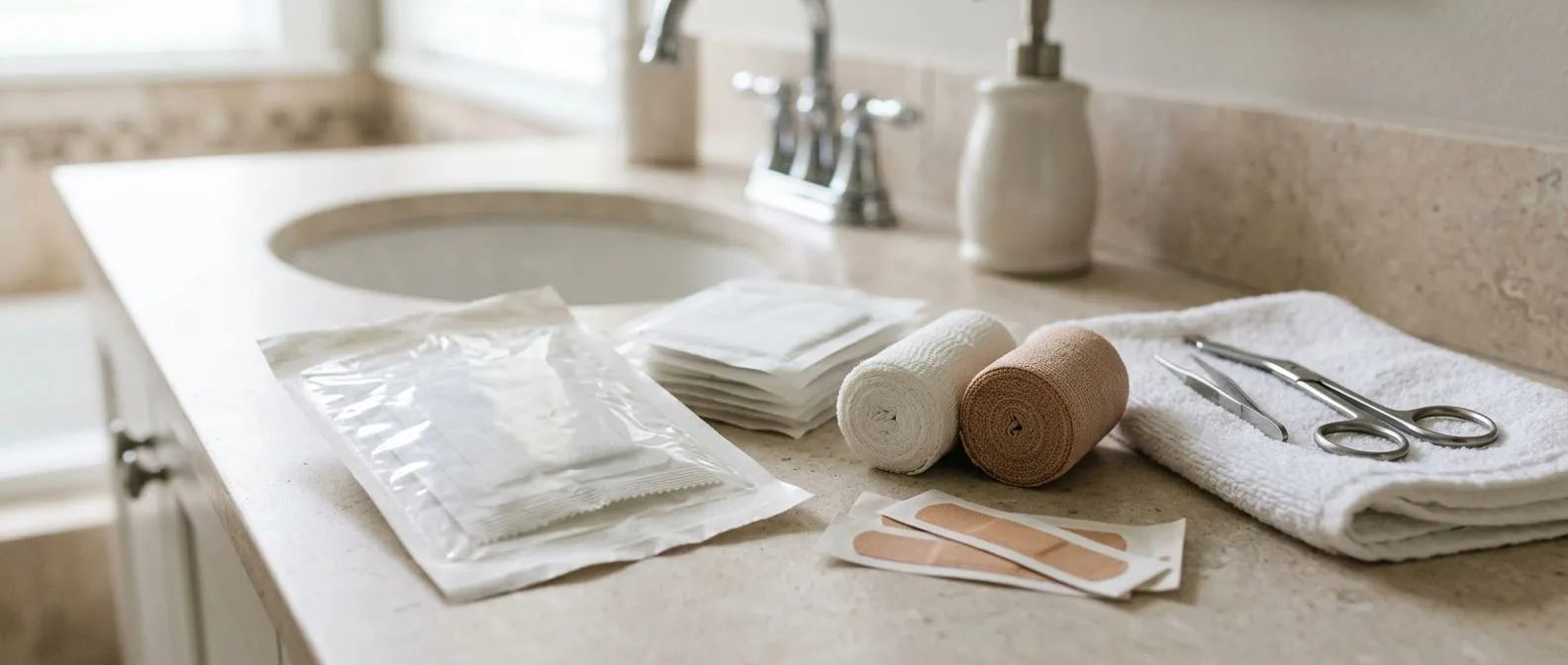
Keep it clean and dry. Incision care after your heart surgery is simple: wash gently with soap and water in the shower, pat dry, and skip lotions, powders, and baths until the incision is fully closed. The leg incision, if a vein was harvested for bypass, needs the same care and often swells more than the chest does.
Normal healing versus signs of infection after your heart surgery. Some redness, bruising, and a firm ridge along the incision are normal. Contact your surgical team if you notice spreading redness, warmth, thick or foul-smelling drainage, increasing pain after the first week, a fever above 38 °C, or any opening of the skin. Chest infections can also appear as fever, productive cough, or worsening breathlessness — report these rather than waiting them out.
It helps to look at the incision every day so small changes stand out early. Photographing the wound every few days can help catch problems sooner, and the images can be shown to your doctors at follow-up visits.
How to Sleep After Your Heart Surgery and Manage Pain Safely
Positions that work. The question of how to sleep after your heart surgery comes up in nearly every first consultation. For the first weeks, sleep on your back with your head slightly raised, or on your side with a pillow between or hugging your knees. Back-sleepers often add a pillow under the arms to take tension off the chest. Side sleeping is safe once it does not strain the sternum.
Why sleep feels hard at first. Anesthesia, pain medication, daytime napping, and the discomfort of a healing chest all disrupt sleep, and many patients also notice vivid dreams or brief anxiety after waking — a common effect of anesthesia that fades on its own. Keeping naps short, walking daily, and taking pain medication before bed rather than waiting for pain usually restore normal sleep within two to three weeks.
Pain control without overdoing it. Take prescribed pain relievers on schedule for the first week or so, then taper as discomfort settles. Most teams move patients off strong opioids within one to two weeks and onto paracetamol-based plans. Pain should improve steadily; pain that worsens after day five deserves a phone call to your surgeon.
What Diet Helps After Your Heart Surgery?
Appetite returns slowly — that is fine. A common early effect of anesthesia and healing is a poor appetite, and constipation from pain medication adds to the discomfort. Eat smaller, more frequent meals, drink water steadily, and use fiber and, if prescribed, a stool softener. Weight loss of one or two kilograms in the first weeks is common and usually recovers.
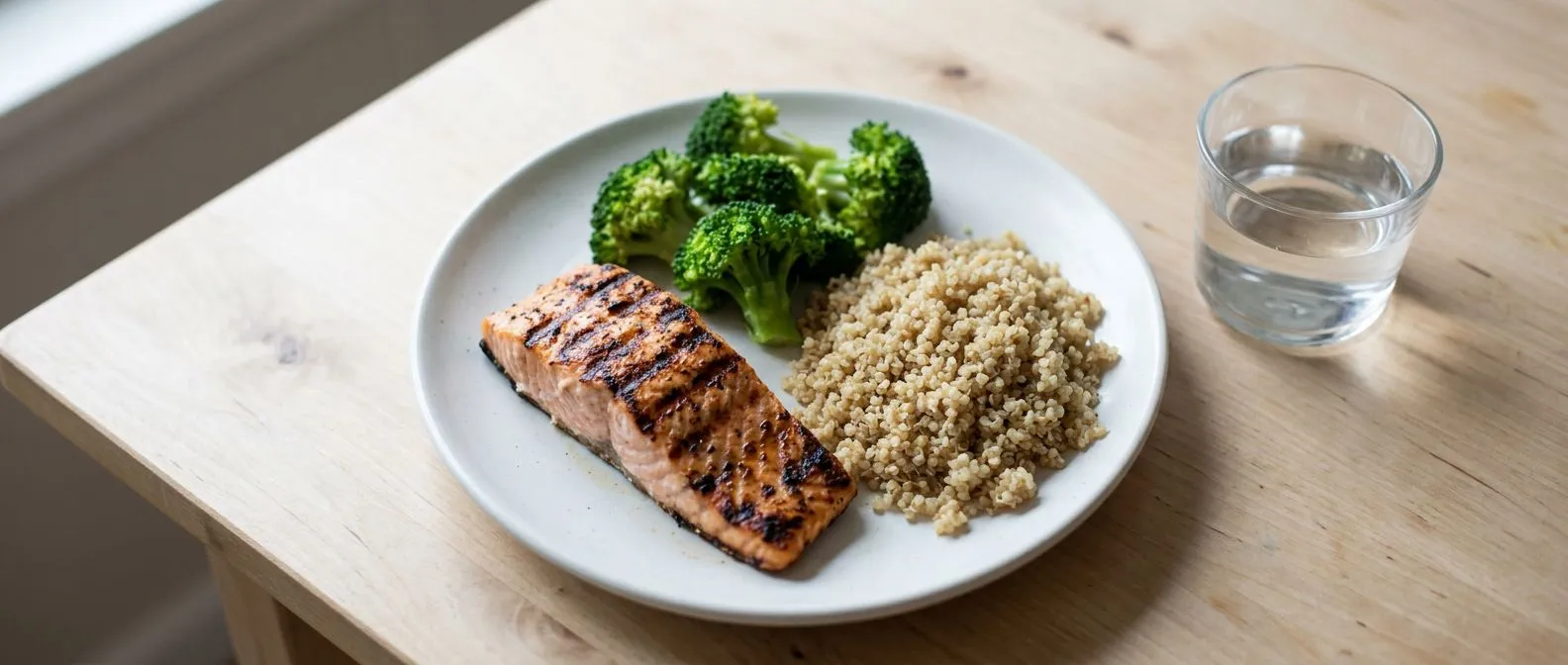
Heart-healthy eating from day one. Diet after your heart surgery matters because it protects the surgery you just had. Build meals around vegetables, legumes, whole grains, fish, and olive oil, and cut back on salt, processed foods, and fried dishes — the same principles that lower the metabolic risk factors behind coronary disease. If you have diabetes or high cholesterol, this is the moment to work those habits in for good. Research in the Indian Heart Journal has examined how metabolic risk factors such as diabetes and dyslipidemia cluster in patients presenting with acute coronary syndrome, which is exactly the pattern that makes diet and follow-up care matter after surgery.
Keep alcohol minimal and follow any fluid restrictions your cardiologist has given you, especially if heart failure was part of your diagnosis. Patients who leave the hospital with a written, simple eating plan, not a vague "eat healthy," tend to keep the habits far better.

Exercise After Heart Surgery: Why Cardiac Rehabilitation Matters
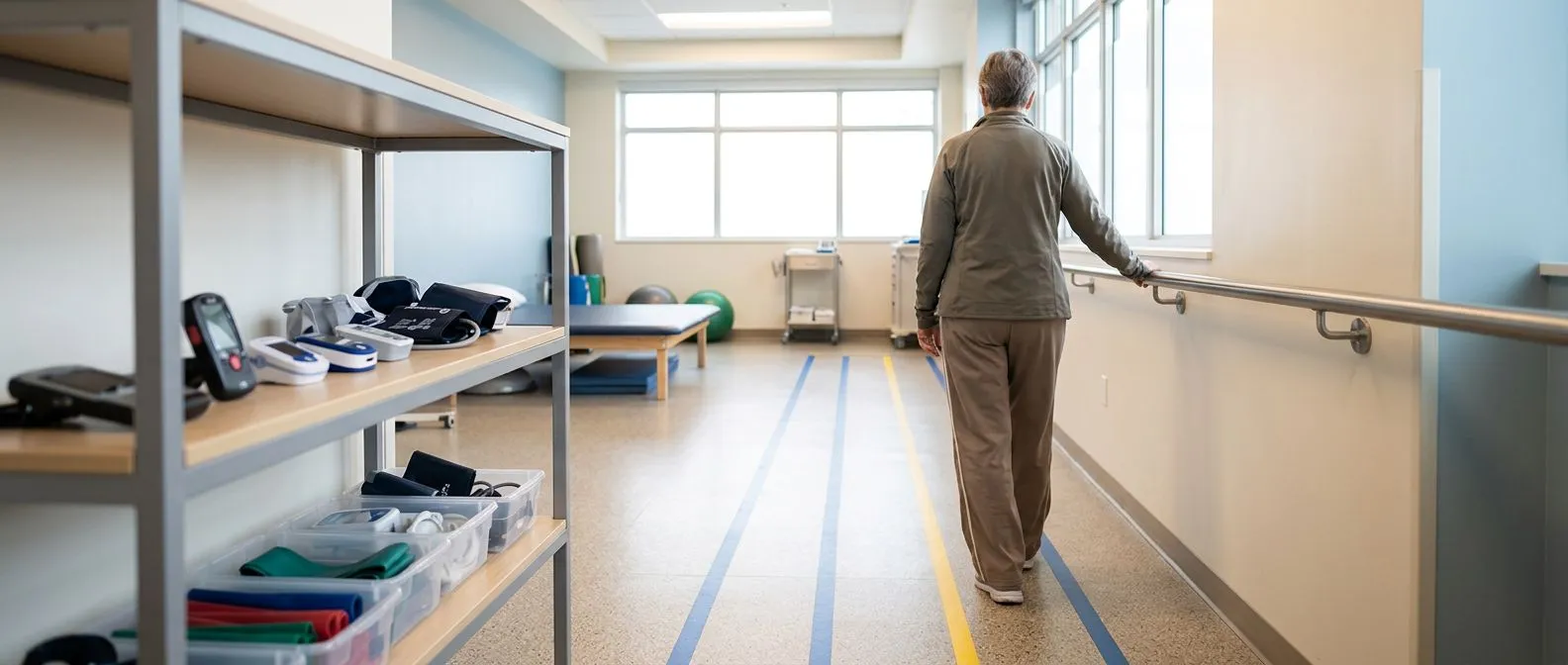
Walking is your first exercise. Exercise after your heart surgery starts in the hospital hallway, not the gym. Aim for several short walks a day, adding a few minutes each day. A simple rule: you should be able to talk while walking. Stop for chest pain, dizziness, or unusual breathlessness — and tell your team about it.
Cardiac rehabilitation after your heart surgery is the most underused tool in recovery. Cardiac rehabilitation is a supervised program of progressive exercise, education, and risk-factor management, usually starting a few weeks after discharge. Studies consistently show it improves exercise capacity, quality of life, and long-term outcomes after cardiac surgery, yet many eligible patients never enroll. Ask your cardiologist for a referral before you leave the hospital, and if a structured program is not available nearby, ask for a written walking plan instead.
What to hold back on. For six weeks: no lifting, no pushing or pulling heavy objects, no swimming, and no sports. From week six, most patients progress back to normal activity with their team's approval, and strength work returns gradually after about twelve weeks. Each patient's return to activity should be guided by international guidelines and their own test results, because the right pace differs between a valve repair and a multi-vessel bypass.
When Can I Drive and Return to Work After Heart Surgery?
Driving waits for the sternum. The question "when can I drive after your heart surgery" has a practical answer: usually around six weeks, once the breastbone can absorb the force of an emergency stop. The restriction is not about the heart itself but about your reflexes and the healing bone. You should also be off sedating pain medication before you drive again.
Returning to work after your heart surgery depends on the job. Desk work often resumes at four to six weeks. Physical work — construction, delivery, nursing, anything involving lifting — usually needs eight to twelve weeks and sometimes a gradual return with lighter duties. Ask your employer about phased options; most are more flexible than patients expect.
Travel and flying. Short flights are often fine from a few weeks out with your team's approval, but long-haul travel is best delayed until after the six-week review, and you should never fly with unresolved chest symptoms. If you are traveling for surgery, plan the follow-up schedule around your return home so no check is missed.
Heart Surgery Recovery at Home: A Practical Checklist
Set up before you come home. Heart surgery recovery at home goes far more smoothly with a little preparation. Before your discharge — or in the first days home — arrange the essentials so you are not improvising while tired:
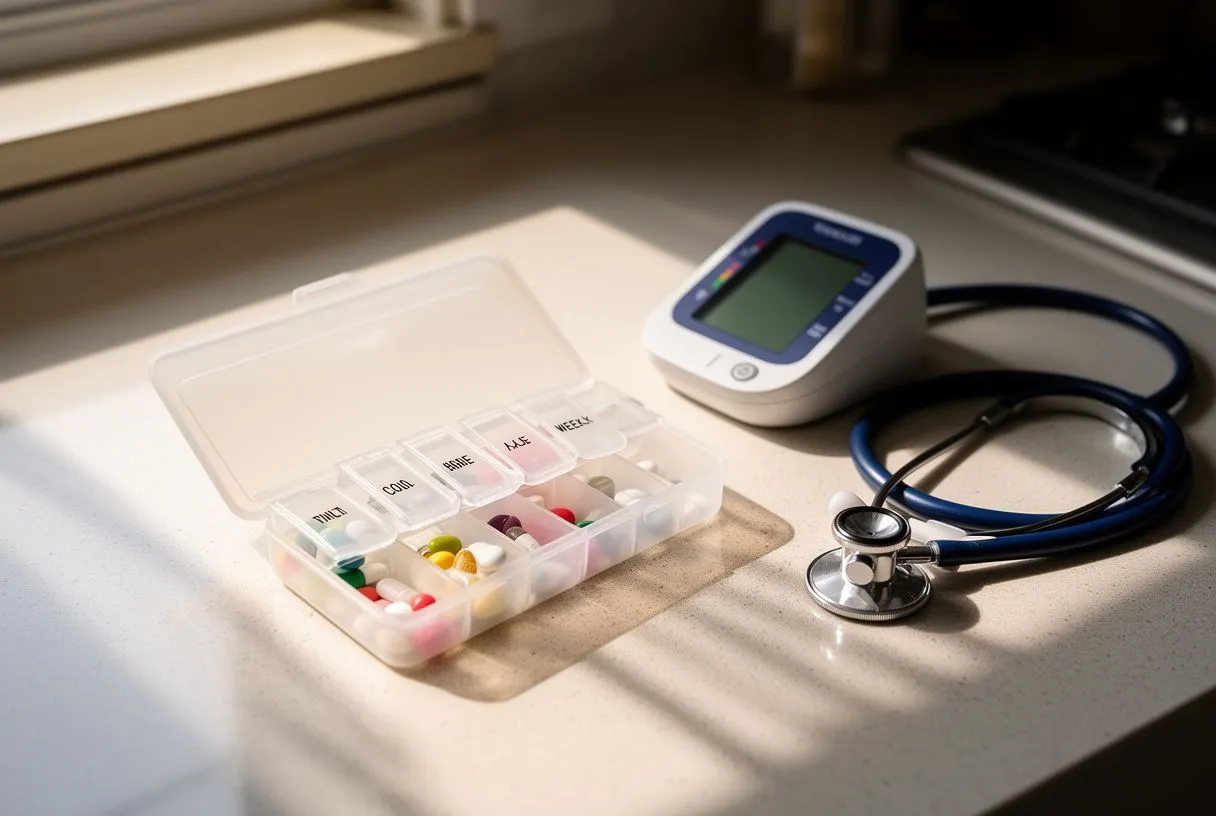
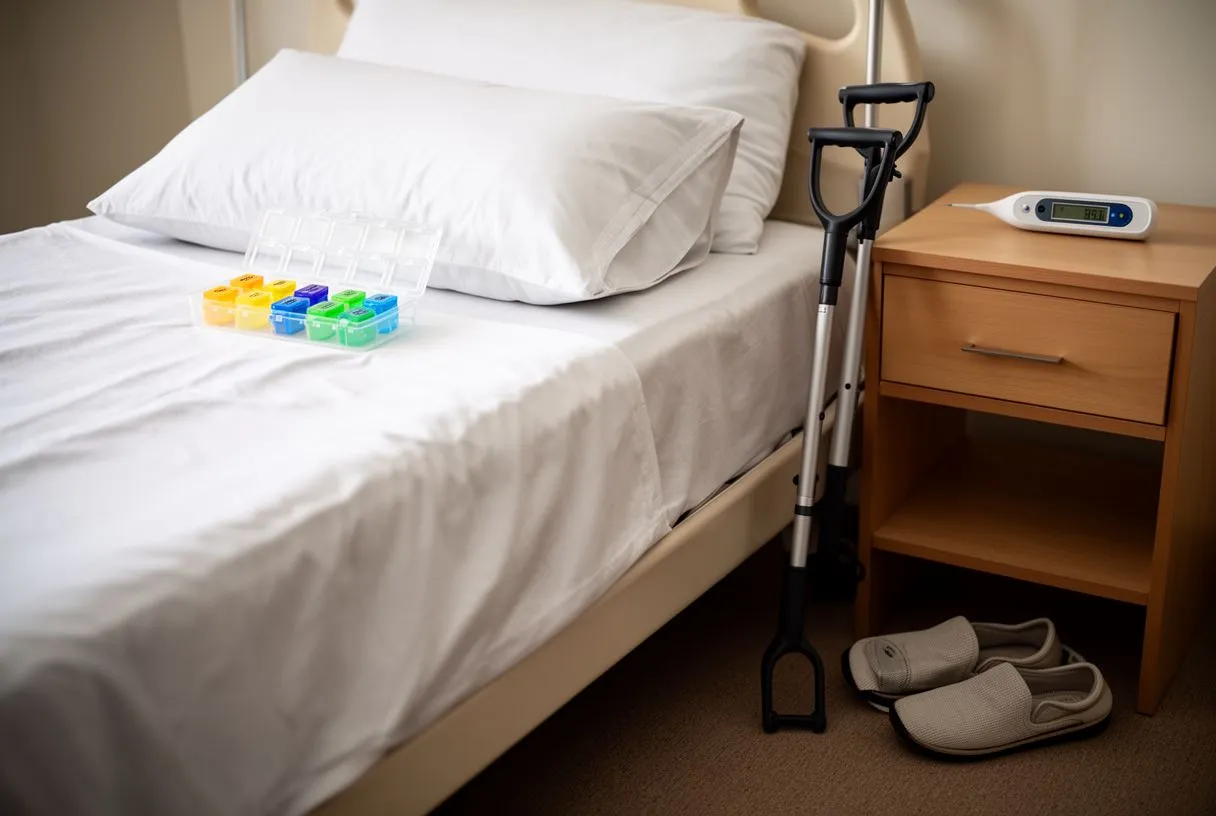
- A written medication list with times and doses, plus a pill organizer filled weekly.
- A daily walking plan: where, how far, and how to increase it week by week.
- A scale for daily weights — a gain of more than about two kilograms in a few days is a red flag to report.
- Your surgical team's phone number, the after-hours contact, and the date of your first follow-up visit.
- A family member or friend for the first week, and rides to appointments for six weeks.
The daily rhythm. Heart surgery recovery at home follows a simple pattern: medications on time, one or two walks, wound check, meals, rest, and an honest note of how you felt. Keeping a brief daily log — weight, walk distance, pain level, sleep — gives your follow-up team real information instead of vague recollections.
The best heart surgery recovery tips are the boring ones. Take medications exactly as prescribed, walk every day, protect the sternum, eat well, sleep on a schedule, and show up to every follow-up. None of these are dramatic, and together they are what separate a smooth recovery from a complicated one. The best heart surgery recovery tips are the ones your own surgical team gives you — write them down and follow them even when you feel better.
Shortness of Breath After Heart Surgery: When to Seek Help
Some breathlessness is expected; some is not. Mild shortness of breath after your heart surgery is common in the first weeks, especially on stairs or hills, and it improves steadily. What is not normal is breathlessness at rest, breathlessness that worsens day by day, waking at night gasping, or needing extra pillows to sleep — these can signal fluid around the heart or lungs and need same-day evaluation.
Call your team immediately for: chest pain that is new or different from your usual post-operative soreness, a heart rate that is persistently fast or irregular, fever, one-sided leg swelling or calf pain, sudden severe breathlessness, fainting, or any bleeding or discharge from the incision. In an emergency — crushing chest pain, collapse, or stroke symptoms — go straight to emergency services rather than calling the clinic.
Follow-up testing is part of safety, not a formality. At the six-week review your team may order an echocardiogram, an electrocardiogram, or other studies to confirm the repair or bypass is working as intended. When a patient's symptoms do not match the expected pattern, imaging such as a CT coronary angiogram can clarify things — its accuracy in high pre-test probability patients has been documented even without heart rate control, in work published in European Radiology. A helpful overview of post-operative expectations is also available from Medical News Today. In our consultations we explain what each study actually shows, in plain words, and order only what is genuinely needed — the first video consultation is free, and its main job is deciding which studies matter for you.
Recovering after your heart surgery is a week-by-week process with a clear arc: protect the sternum, walk daily, eat and sleep well, watch for infection and breathlessness, and lean on cardiac rehabilitation. Every patient heals at their own pace, and the details of your case — the valve, the vessels, the approach — shape the plan. Discuss your own situation with a qualified cardiac team rather than judging your progress against anyone else's, and if you would like a clear, unhurried review of your options, book a consultation with our team in Guadalajara, Querétaro or Hermosillo. After your heart surgery, the goal is not just to heal — it is to get back to a life worth living.