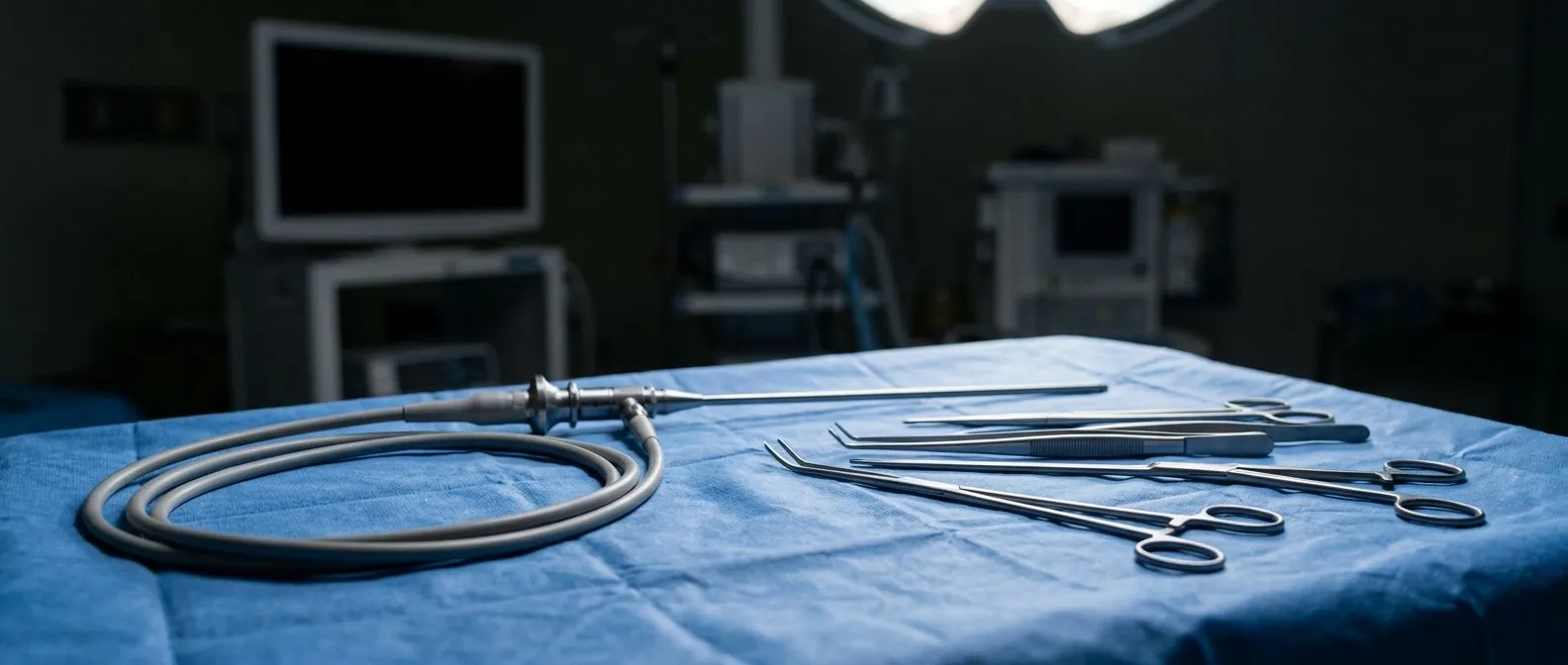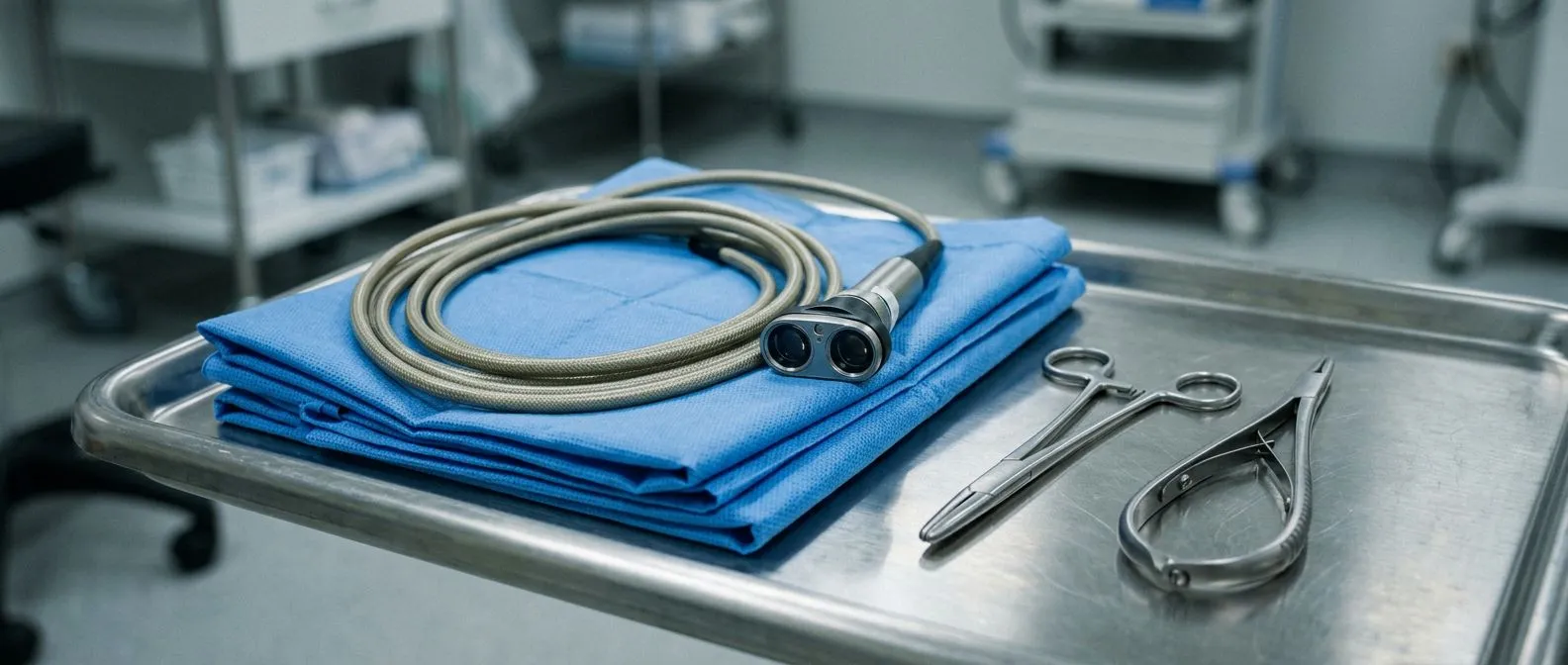
Autologous Blood in Heart Surgery: Using Your Own Blood
Autologous blood heart surgery uses your own blood for safer cardiac procedures in Guadalajara.
Facing heart surgery naturally brings a wave of questions, especially regarding the safety of the procedure and the resources used to keep you stable. One of the most reassuring advancements in modern cardiac care is autologous blood heart surgery, a practice that prioritizes using your own blood rather than relying on donor transfusions. By capturing, cleaning, and returning your blood to your body, surgical teams can significantly lower the risk of complications and support a smoother recovery. Understanding how this process works empowers you to make informed decisions about your care and approach your operation with greater confidence.
What is autologous blood in heart surgery?
The concept of autologous blood heart surgery centers on collecting, cleaning, and reusing a patient's own blood during a cardiac procedure. When facing surgery of the ascending aorta or other vital heart structures, minimizing reliance on donated blood is a major priority for many patients. By using your own blood, the surgical team eliminates the risk of immune reactions or infections transmitted from external donors. This approach leverages advanced medical technology to safely recover what would otherwise be lost.
Why choose your own blood? Donor blood, while rigorously screened and tested, is still a foreign substance to your body. Receiving your own blood, medically known as autotransfusion, ensures perfect biological compatibility. This approach is particularly valuable for complex operations where significant blood loss is anticipated, allowing the surgical team to maintain your hemoglobin levels safely without introducing external cellular components. Your body readily accepts the returned blood, minimizing stress on your immune system.
Patient blood management in cardiac care is an evolving, evidence-based discipline. The strategy involves optimizing your red blood cell count weeks before surgery, minimizing blood loss during the operation through meticulous technique, and utilizing recovered blood afterward. This comprehensive protocol leads to better clinical outcomes, reduces inflammation, and supports a faster physical recovery. It represents the highest standard of personalized cardiac care.
How does autologous blood heart surgery work?
Understanding the mechanics of autologous blood heart surgery requires a look at the cardiopulmonary bypass machine. During cardiac operations, your blood is diverted through this specialized machine, which temporarily takes over the function of your heart and lungs. The machine oxygenates your blood and pumps it back into your body, maintaining circulation while the surgeon works on a still heart. This closed circuit provides an excellent opportunity to salvage blood.
The role of the arterial line: Blood is typically drained and returned through specialized tubes, including an arterial line, which is carefully monitored to ensure stable pressure. If bleeding occurs into the surgical field, the surgical team uses suction devices to collect the spilled blood. This blood is then filtered, washed, and prepared for reinfusion, creating a highly efficient closed-loop system that preserves your vital red blood cells.
This continuous recycling happens in real-time. As the surgeon repairs valves or bypasses blocked arteries, the cell salvage equipment works simultaneously. This ensures that the valuable red blood cells lost into the surgical field are not discarded but are instead rescued, cleaned, and returned to your circulatory system safely. This constant monitoring helps your body maintain adequate oxygen delivery throughout the procedure.
Types of autologous blood donation for cardiac procedures
There are several distinct approaches to using autologous blood during heart procedures, depending on your specific needs and surgical plan. The three primary methods are preoperative autologous donation, intraoperative blood salvage, and postoperative blood recovery. Each technique captures blood at a different stage of the surgical journey to maximize conservation and ensure that your body receives the maximum benefit from its own resources.
Choosing the right method: Your cardiac surgeon will recommend the best strategy based on the complexity of your procedure. For instance, an elective operation might allow for pre-donation weeks in advance, whereas emergency surgeries rely entirely on intraoperative salvage. Understanding these options helps you prepare for the logistics of your surgery.
- Preoperative donation: Blood is drawn weeks before surgery and stored for use during the operation.
- Intraoperative salvage: Blood lost during surgery is collected, washed, and reinfused immediately.
- Postoperative recovery: Blood drained from chest tubes after surgery is processed and returned safely.
While preoperative donation was once common, modern cardiac surgery increasingly favors intraoperative and postoperative recovery. This shift occurs because pre-donating can sometimes leave patients anemic right before a major operation. Intraoperative salvage provides fresh, fully oxygen-carrying red blood cells without compromising your pre-surgical baseline health.
Benefits of using your own blood for cardiac surgery
The benefits of utilizing autologous blood during cardiac surgery extend far beyond simple convenience. The most significant advantage is the drastic reduction in transfusion-related risks. When you receive your own blood, you are not exposed to the minor but real risks of donor blood, such as allergic reactions, fevers, or transfusion-related acute lung injury. Your body recognizes its own cells, preventing unnecessary immune responses.
Lowering complication rates: Studies indicate that avoiding allogeneic (donor) blood transfusions can reduce postoperative infections and shorten hospital stays. This is crucial when placing an arterial graft or repairing complex structures within the chest. The immune system remains undisturbed, allowing your body to focus entirely on healing the surgical wounds rather than reacting to foreign tissue.
According to the Cleveland Clinic, minimizing blood transfusions is a core component of enhancing patient safety in high-risk surgeries. Patients who avoid donor blood often experience less fluid overload and better overall cardiovascular stability. This conservative approach to blood management aligns with modern evidence-based surgical protocols designed to improve long-term outcomes.
What is a cell saver in cardiac surgery?
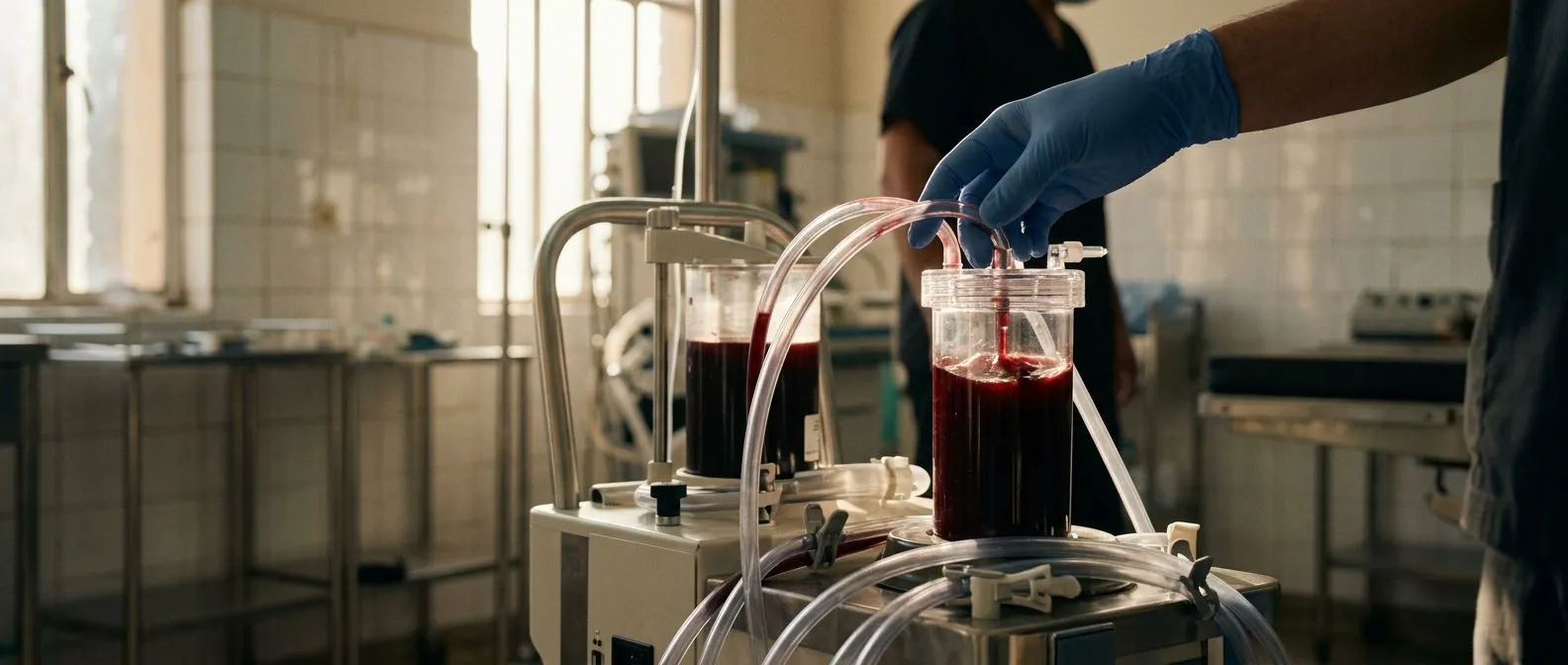
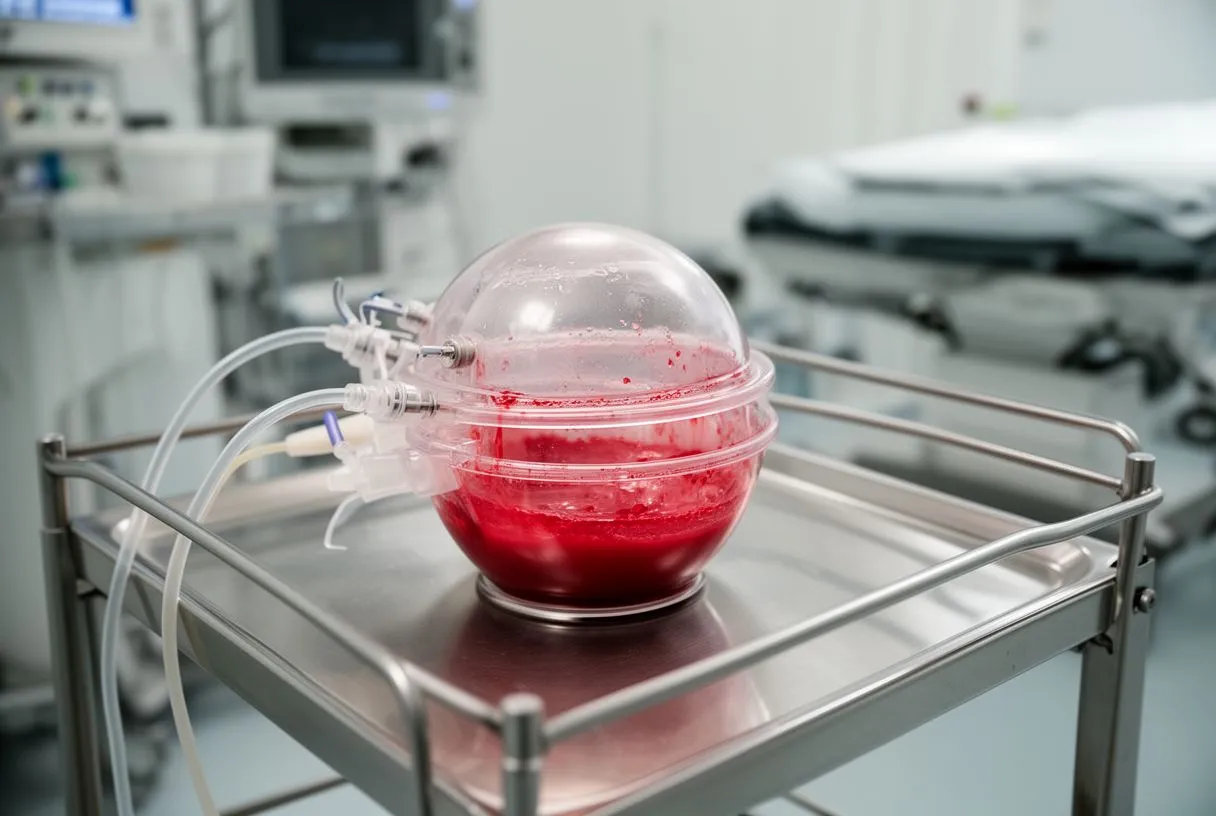
A cell saver is a specialized medical device that forms the backbone of intraoperative blood salvage. During autologous blood heart surgery, this machine acts as an automated centrifuge and washing system. It suctions blood from the surgical field, separates the red blood cells from plasma and platelets, and washes them in a sterile saline solution. This process ensures only the healthiest cells are returned to you.
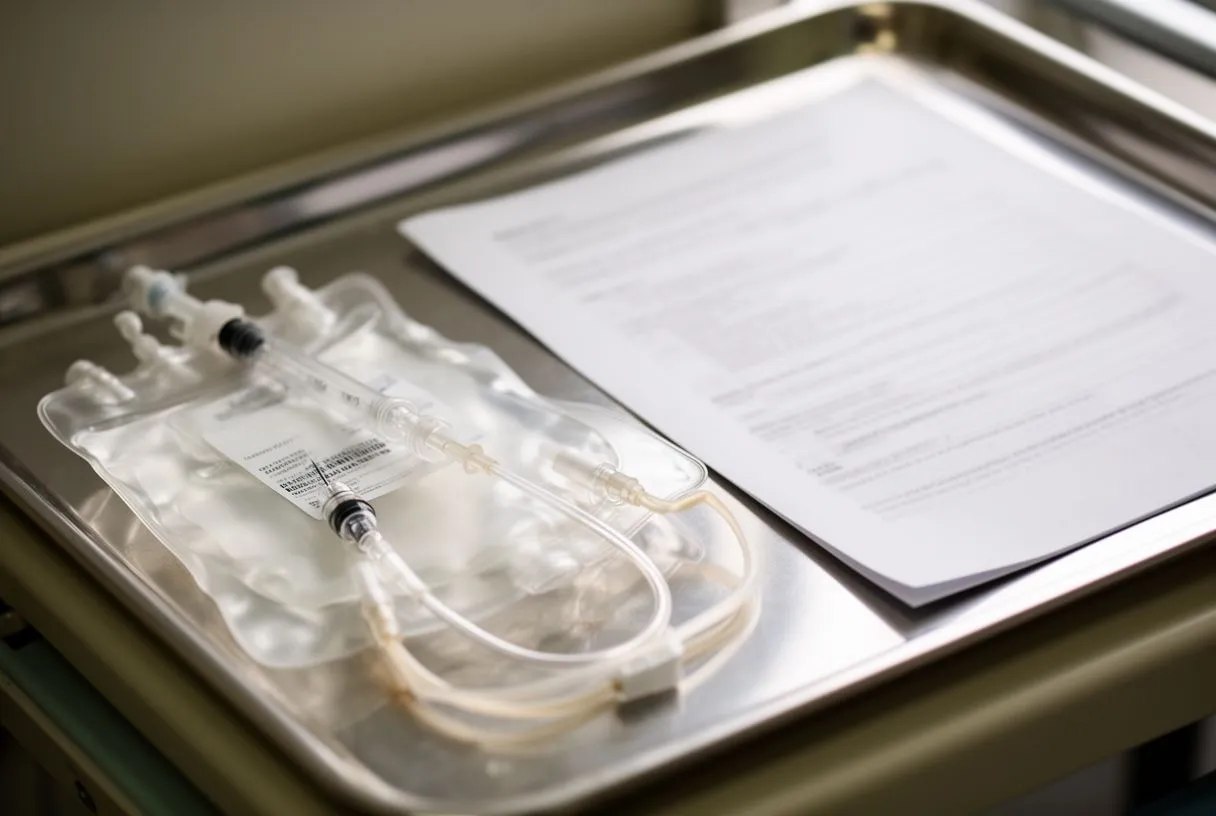
How the machine cleans blood: The process removes surgical debris, anticoagulants, and free hemoglobin that could cause harm if reinfused directly. Once washed, the concentrated red blood cells are suspended in saline and transferred to a sterile bag. This highly concentrated, clean product is then ready for immediate reinfusion into the patient through an intravenous line, providing an instant boost in oxygen-carrying capacity.
The cell saver is remarkably efficient, capable of recovering a significant percentage of red blood cells that would otherwise be discarded as medical waste. Because the returned blood lacks clotting factors and platelets, the anesthesiologist carefully monitors your clotting function. If necessary, they will provide isolated plasma or platelet components to maintain proper hemostasis and ensure safe wound closure during the procedure.
Is autologous blood safe for complex heart surgery?
Safety is a primary concern for patients facing complex cardiac interventions. Autologous blood recovery is not only safe but often preferred for high-risk cases, including those involving significant atheromatous plaque buildup in the aorta. By recycling your own blood, the surgical team ensures that your oxygen-carrying capacity remains stable throughout the operation, even if substantial blood loss occurs.
Managing high-risk patients: For patients with compromised heart function, maintaining optimal blood viscosity is critical. Utilizing salvaged blood prevents the sudden volume shifts that can occur when matching donor units. This precise control is vital when operating on delicate structures like the atrium or performing multiple valve repairs, ensuring your blood pressure remains perfectly stable.
Research underscores the importance of proactive management in cardiac care. A study noted in Clinical inertia in the treatment of heart failure: a major issue to tackle highlights how failing to optimize treatment strategies can negatively impact outcomes. Similarly, proactive blood management prevents the clinical inertia of waiting until a patient is severely anemic before intervening, ensuring steady, safe progress during surgery.
Bloodless heart surgery options for specific patients
For some patients, avoiding donor blood is a deeply held religious or personal conviction. Bloodless heart surgery protocols, heavily reliant on autologous blood techniques, make complex cardiac procedures possible without violating these beliefs. This approach requires meticulous planning, advanced surgical techniques, and specialized equipment to minimize bleeding entirely, treating every drop of the patient's blood as precious.
Preparation for bloodless surgery: Before the operation, patients may receive iron supplements or erythropoietin to boost red blood cell production. During surgery, medications like Aspirin are typically paused days in advance to reduce bleeding risk. The surgical team also uses electrocautery and harmonic scalpels to seal blood vessels instantly as they cut, preventing unnecessary blood loss.
Even a thorough pre-operative evaluation, including careful auscultation of the heart and lungs, is vital to anticipate challenges. The goal is to enter the operating room with optimal blood counts and a surgical plan designed to minimize every drop of blood loss. This highly coordinated effort allows patients to undergo necessary heart surgeries safely while adhering to their personal directives.
Pediatric autologous blood use in congenital heart defects
Blood management takes on unique dimensions in pediatric cardiac surgery. Children, especially infants, have a much smaller total blood volume, meaning even a few tablespoons of blood loss is proportionally significant. Autologous blood recovery and careful volume management are therefore critical in repairing congenital heart defects, ensuring the smallest patients receive the safest care possible.
Challenges in pediatric cardiac surgery: The smaller size of the vessels and the heart requires extreme precision. Surgeons use miniaturized cardiopulmonary bypass circuits to reduce the amount of blood needed to prime the machine. This reduces the dilution of the child's own blood and limits the need for donor transfusions, keeping their tiny circulatory system balanced.
- Miniaturized circuits: Smaller tubes reduce the priming volume of donor blood required.
- Modified ultrafiltration: Removes excess water from the child's blood after bypass.
- Pediatric cell savers: Designed to handle very small volumes of blood efficiently.
The importance of these techniques is underscored by the prevalence of these conditions. According to the Global birth prevalence of congenital heart defects 1970-2017: updated systematic review and meta-analysis of 260 studies, congenital heart defects remain a significant global health challenge. Utilizing autologous blood strategies helps these vulnerable young patients recover faster with fewer complications.

Recovery and postoperative blood management strategies
The commitment to using your own blood extends well beyond the operating room. Postoperative blood management is a crucial phase of recovery. After surgery, patients may have chest tubes draining excess fluid and blood from the surgical site. This drainage can be processed and reinfused, continuing the autologous blood heart surgery protocol into the intensive care unit.
Postoperative blood recovery: Specialized systems collect the blood from chest tubes in the first few hours after surgery. This blood is filtered and returned to the patient, reducing the need for allogeneic transfusions during the critical early recovery period. This is especially beneficial for patients recovering from an atypical infarction or those who have previously undergone interventions like balloon angioplasty.
Close monitoring during this phase ensures that your blood counts stabilize naturally. The medical team will regularly check your hemoglobin and hematocrit levels. By supporting your body's natural ability to regenerate red blood cells and providing essential iron and nutrients, the team helps you regain your strength while minimizing external interventions.
When to discuss autologous blood with your cardiac surgeon
If you are facing a cardiac procedure, bringing up autologous blood options should happen early in your consultation. A proactive discussion allows your surgical team to tailor a blood management plan specific to your medical history and the planned procedure. It also provides you with peace of mind knowing that a concrete strategy is in place to protect your health and respect your preferences.
Questions to ask your surgeon: Inquire whether a cell saver will be used during your operation and if you are a candidate for preoperative autologous donation. Ask about the hospital's protocols for managing patients who wish to avoid donor blood entirely. Understanding these logistics helps you prepare mentally and physically for the surgery, reducing anxiety as the date approaches.
Navigating heart surgery is a significant journey, but you do not have to walk it alone. By understanding your options, including the use of your own blood, you can actively participate in your care. We encourage you to discuss your specific situation with a qualified cardiac team and book a consultation to explore the safest, most effective path forward for your heart health.