

Autologous Blood
Learn how autologous blood transfusion works in cardiac surgery, its benefits, risks, and safety for heart patients in Guadalajara.
What is autologous blood
Autologous blood refers to a patient's own blood that is collected, stored, and later reinfused back into their body during or after a medical procedure. In the context of cardiac surgery, using your own blood means your body receives an exact biological match, completely eliminating the need for donor screening and crossmatching. This process is a core component of patient blood management programs designed to optimize outcomes and conserve valuable resources.
Why does autologous blood matter for heart surgery patients? Cardiac procedures, such as coronary artery bypass grafting or valve replacements, often require the use of a heart-lung machine. This machine can cause blood cells to sustain some degree of trauma, and bleeding is an expected part of the surgical landscape. Having your own blood safely reserved and ready ensures your surgical team can maintain stable hemoglobin levels without relying on the community blood supply.
Understanding this concept helps alleviate the anxiety many patients feel when preparing for an operation. Knowing that your medical team has a plan to utilize and safely return your own biological resources provides a deep layer of reassurance, ensuring that your body functions as normally as possible immediately after leaving the operating room.
How autologous blood transfusion works in cardiac surgery
The autologous blood transfusion process generally begins weeks before the actual operation, or directly in the operating room, depending on the specific technique chosen by your surgical team. When planned in advance, blood is drawn in the weeks leading up to your hospital admission, giving your body adequate time to naturally regenerate its red blood cells. This ensures you are in optimal condition for the stress of surgery.
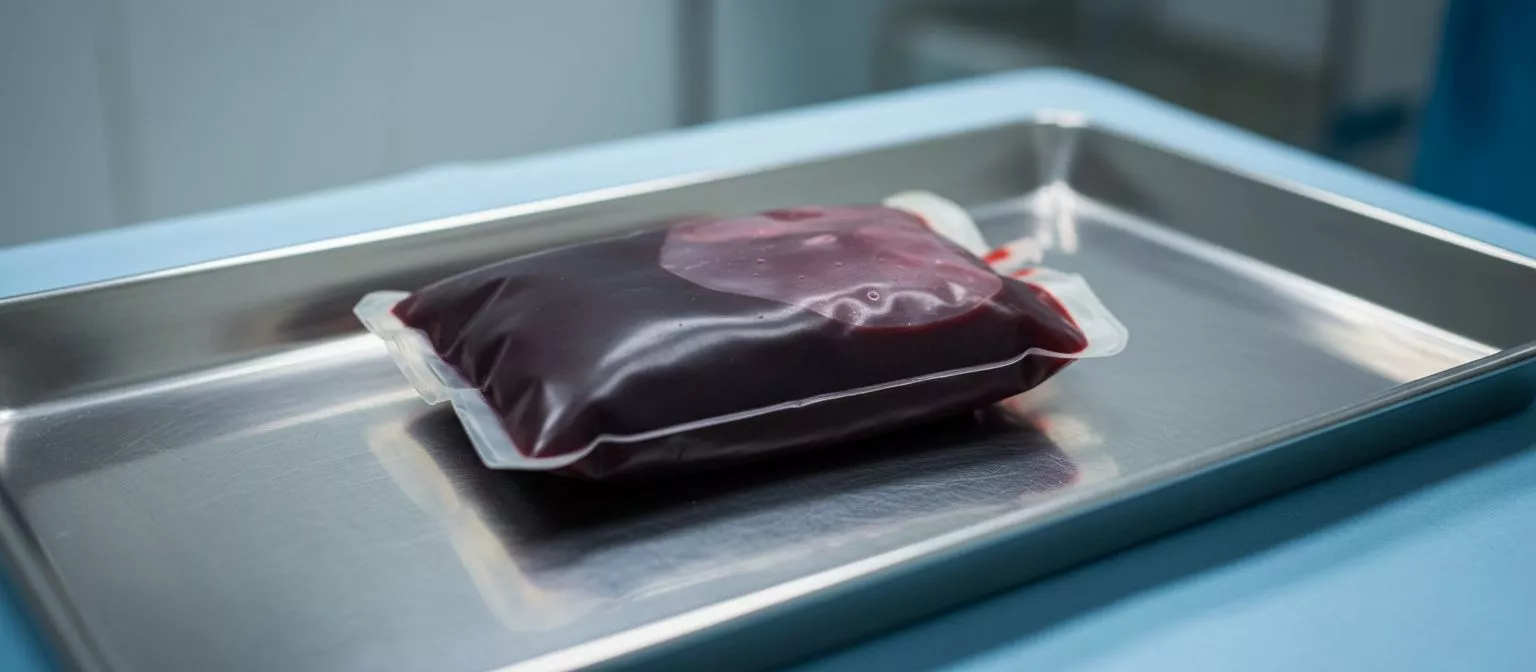
How is autologous blood recovery performed intraoperatively? During the operation, specialized medical equipment is used to collect blood that would otherwise be lost in the surgical field. This blood is gently suctioned, washed with a sterile saline solution to remove any surgical debris and contaminants, and then concentrated. The clean, red blood cells are then directed into a sterile bag, ready to be returned to your body through an intravenous line.
This sophisticated cell-salvage technology allows your surgical team to recover a significant volume of red blood cells that would typically be discarded. By continuously cycling your own blood back into your system, the surgical team maintains your circulation volume and oxygen-carrying capacity seamlessly.
Autologous blood vs allogeneic blood differences
Allogeneic blood is blood donated by another person, carefully screened, typed, and crossmatched before being stored in a blood bank for general use. While highly safe due to rigorous screening protocols, it still introduces foreign biological material into your body. In contrast, autologous blood is uniquely yours, carrying your exact genetic markers, matching your blood type perfectly, and eliminating any risk of immune compatibility issues.
The choice between these two approaches depends heavily on your specific medical condition, the type of cardiac procedure scheduled, and your overall health profile. The primary differences include:
- Immune response: Autologous blood eliminates all risks of transfusion-related immune reactions or allergic responses to donor antibodies.
- Infection risk: Using your own blood avoids any theoretical risk of contracting blood-borne pathogens, such as specific viruses, from a community donor.
- Availability: Allogeneic blood is immediately available from hospital blood banks, whereas preoperative autologous donation requires weeks of advance planning and storage.
By understanding these distinctions, you can have a more productive, informed conversation with your cardiologist or surgeon. They will help determine if autologous methods are appropriate for your specific surgical pathway. Utilizing advanced patient blood management systems helps clinicians blend both methods seamlessly for optimal safety.
Autologous blood transfusion benefits for heart patients
The autologous blood transfusion benefits for cardiac patients are extensive, primarily centering on safety, rapid recovery, and biological compatibility. Because the blood is a perfect match, your body accepts it immediately without triggering any immunological defenses. This seamless acceptance reduces the physiological stress on your heart and lungs during the critical early hours of your recovery.
Does autologous blood reduce postoperative infections? Yes, multiple clinical observations suggest that avoiding allogeneic transfusions can help preserve your immune system function. Allogeneic blood can sometimes cause a mild, temporary suppression of the recipient's immune system, which is a risk heart surgery patients want to avoid. By utilizing your own blood, this immune modulation is bypassed, promoting a cleaner, more efficient healing process.
Furthermore, patients who receive their own blood often experience higher energy levels and a reduced need for extended supplemental oxygen post-surgery. The cells being reinfused are fresh, highly functional, and immediately effective at transporting oxygen throughout your body, supporting the vital healing of your sternum and surrounding heart tissues.
Preoperative autologous blood donation timeline
The preoperative autologous blood donation process requires careful planning, usually beginning three to four weeks before your scheduled cardiac surgery. Your medical team will assess your hemoglobin levels to ensure you are healthy enough to safely donate a unit of blood without causing anemia. If approved, the first collection typically takes place about four weeks prior to the operation.
Subsequent donations can be made weekly, giving your bone marrow time to produce new red blood cells to replace what was drawn. During this period, your doctor will likely prescribe iron supplements to support robust red blood cell production.
The collected units are specially labeled and stored in the hospital's blood bank, reserved exclusively for your use. If your surgery goes smoothly and you do not end up needing the blood, it is safely discarded, as it cannot be given to anyone else. This timeline ensures maximum safety while building up a dedicated reserve.
Autologous blood collection methods during surgery
During cardiac surgery, intraoperative autologous blood collection is a highly orchestrated process that relies on specialized perfusion technology. As your surgical team works, any blood that pools in the chest cavity is collected using a sterile suction device. This blood is immediately processed using a machine called a cell saver, which acts as an advanced filtration system.
What happens to the blood during cell salvage? The collected blood is centrifuged to separate the heavy red blood cells from the lighter plasma, platelets, and any surgical debris. The isolated red blood cells are then vigorously washed with sterile saline, effectively removing any microscopic bone fragments, tissue fragments, or anticoagulants used during the surgery. The resulting concentrated red blood cell mixture is placed in a sterile bag.
This washed blood is then reinfused directly into the patient through an intravenous line, typically either during the closing phases of the surgery or immediately afterward in the intensive care unit. This real-time collection and reinfusion method ensures that very little blood is wasted, maintaining the patient's physiological baseline and drastically reducing the need for community banked blood.
Is autologous blood transfusion safe for cardiac patients
Yes, autologous blood transfusion safety is highly regarded and widely considered the safest possible option for cardiac patients. Because the blood is an exact match, the risks of hemolytic reactions, where the body's immune system attacks the transfused blood, are effectively eliminated. The risk of contracting infectious diseases such as Hepatitis or HIV from a donor is also completely removed from the equation.
The equipment used for cell salvage is entirely closed and sterile, featuring single-use, disposable tubing and bags for every patient. This rigorous, sterile processing is designed to keep the collected blood free of external bacterial contamination. Your surgical and perfusion team are highly trained in managing these complex systems to ensure your complete safety throughout the operation.
While the process is incredibly safe, the clinical team still monitors the patient closely during reinfusion. They watch for any signs of fluid overload or changes in blood pressure, adjusting the rate of transfusion to perfectly match the patient's cardiovascular tolerance, ensuring a stable and smooth physiological recovery.
Autologous blood transfusion risks and considerations
While generally very safe, autologous blood transfusion risks do exist and must be discussed during your preoperative consultations. For preoperative donation, drawing blood in the weeks before surgery can induce a mild state of anemia. If your body does not have enough time to regenerate those lost red blood cells, you might actually enter the operating room at a lower starting hemoglobin level, which can increase the likelihood of needing a transfusion during the procedure.
Regarding intraoperative cell salvage, while extremely effective, there are specific, rare instances where its use is carefully managed or avoided. If a patient has a systemic infection, such as endocarditis or an active bloodstream infection, reinfusing salvaged blood could potentially reintroduce bacteria into the body, though modern washing techniques mitigate much of this concern. The clinical team weighs these factors carefully.
Another minor consideration is the volume of blood that can be recovered. In surgeries where blood loss is exceptionally rapid or voluminous, salvaged blood might not be sufficient to meet all the patient's needs. In such cases, the surgical team will seamlessly transition to utilizing safe, crossmatched allogeneic blood to stabilize the patient immediately.
Autologous blood management in Guadalajara
For patients seeking cardiac care in Mexico, autologous blood management in Guadalajara is highly accessible and integrated into leading heart surgery programs. Top cardiac centers in the city employ state-of-the-art cell salvage technology and comprehensive blood conservation protocols that meet international standards. This allows both local and international patients to benefit from the safest possible surgical practices.
The medical teams in these advanced facilities conduct thorough preoperative assessments to determine the best blood management strategy for your specific valve repair or bypass surgery. They coordinate directly with laboratory services to ensure that any pre-donated blood is safely stored and accurately tracked. This comprehensive approach helps ensure that your blood is ready whenever it is needed.
Choosing a specialized center for your procedure ensures that you have access to this advanced level of care. The teams at Cirugía de Corazón, led by experts like Dr Alejandro Molina, prioritize patient safety through comprehensive strategies, including the utilization of advanced transfusion medicine solutions to optimize your surgical outcome and recovery.
Autologous blood recovery recovery and follow-up
Receiving your own blood back during or after heart surgery significantly streamlines the healing process. Because your body does not have to process new foreign proteins, your immune system can focus entirely on repairing your surgical incisions and protecting your newly treated heart. Many patients find that their energy levels return more quickly, allowing them to begin cardiac rehabilitation sooner and with greater ease.
During your follow-up appointments, your cardiologist will check your complete blood count to ensure your hemoglobin and red blood cell levels have stabilized at healthy, normal levels. They will also evaluate your overall cardiovascular recovery, assessing how well your heart is pumping and adapting following the operation. This monitoring is a critical part of the long-term success of cardiac surgery.
Ultimately, utilizing your own blood is a profound way to maximize your safety and comfort during a major medical event. By engaging actively with your surgical team about blood management options, you take a powerful step toward a smoother, safer recovery, ensuring you can return to your daily life with a stronger, healthier heart.






