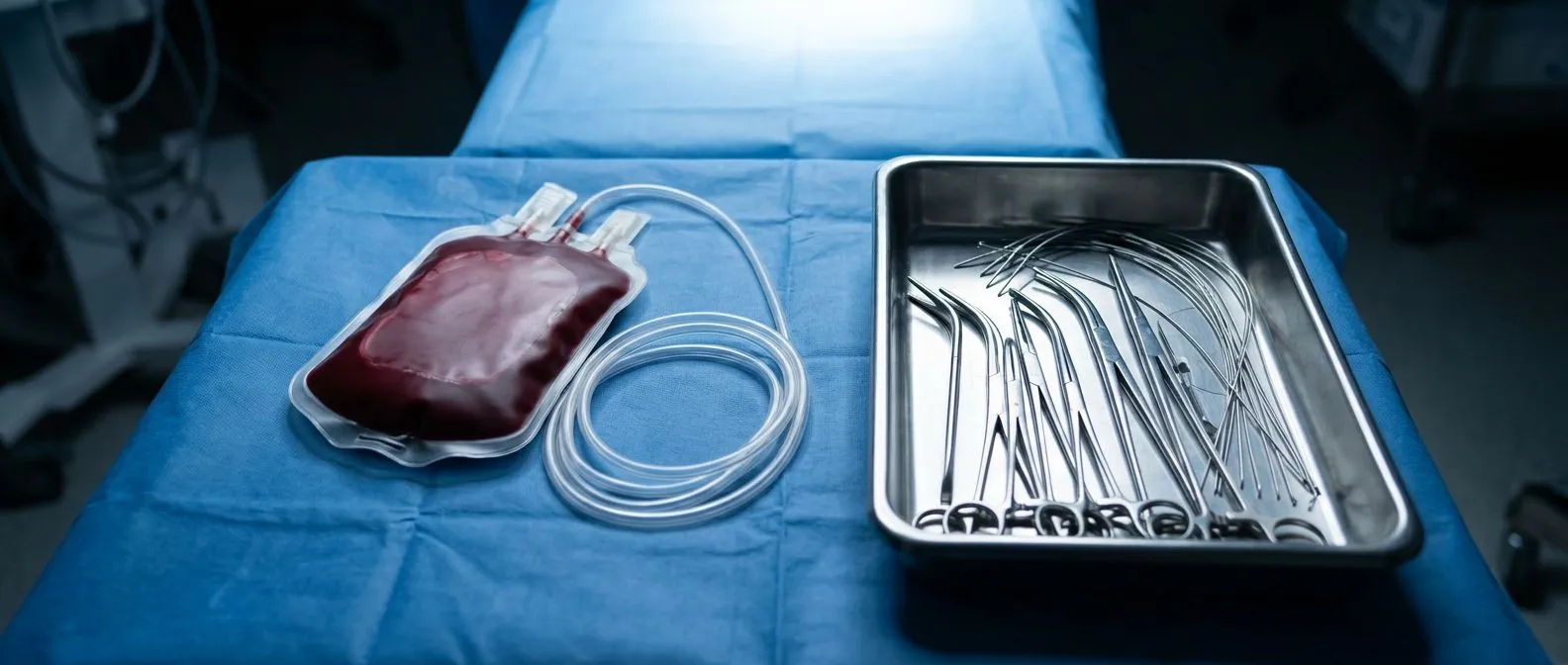
Blood Transfusion in Heart Surgery: Risks and Alternatives
Blood transfusion heart surgery carries risks patients should understand.
For many patients preparing for cardiac surgery, the possibility of receiving a blood transfusion is one of the first concerns that surfaces during preoperative consultations. A blood transfusion heart surgery scenario involves the administration of donor blood or blood components to replace volume or oxygen-carrying capacity lost during an operation on the heart. While transfusion can be life-saving in critical moments, modern cardiac programs increasingly emphasize blood conservation strategies that minimize exposure to donor blood, reduce complications, and support faster recovery. Understanding when transfusions are truly necessary, what risks they carry, and what alternatives exist empowers patients and families to make informed decisions alongside their surgical team.
What Is Blood Transfusion in Heart Surgery?
A blood transfusion in the context of heart surgery refers to the intravenous delivery of blood products — typically red blood cells, platelets, or fresh frozen plasma — to a patient before, during, or after a cardiac operation. Cardiac procedures such as coronary artery bypass grafting or valve replacement require the use of a heart-lung machine, which circulates and oxygenates blood outside the body while the heart is temporarily stopped. This cardiopulmonary bypass circuit dilutes the patient's blood and can reduce the concentration of red cells, platelets, and clotting factors, sometimes necessitating transfusion to maintain safe oxygen delivery and prevent excessive bleeding.
Why does cardiac surgery carry higher transfusion rates than other operations? The heart-lung machine, also called a bypass pump, requires a priming solution that mixes with the patient's own blood, effectively diluting it. Additionally, the Ascending Aorta — the first segment of the body's largest artery, which carries oxygen-rich blood away from the heart — is manipulated during many procedures, and an Arterial Cannula (a tube inserted into an artery to channel blood) is placed to connect the patient to the bypass circuit. These mechanical interactions can damage blood cells and deplete clotting proteins, making transfusion more likely than in non-cardiac surgeries.
What blood components are most commonly transfused? Red blood cells are the most frequently transfused product in cardiac surgery because they carry haemoglobin, the protein that transports oxygen throughout the body. Platelets — small cell fragments essential for clot formation — and fresh frozen plasma, which contains soluble clotting factors, may also be given when bleeding persists despite adequate red cell levels. According to Verywell Health, understanding the distinction between these components helps patients grasp why a single transfusion event may involve several different blood products rather than a single unit of whole blood.
When Is a Blood Transfusion Needed During Cardiac Surgery?
Surgeons and anaesthesiologists decide to transfuse based on real-time measurements of haemoglobin levels, the patient's overall clinical status, and evidence of ongoing bleeding. Modern practice has shifted toward a more restrictive approach, meaning transfusion is generally reserved for patients whose haemoglobin falls below approximately 7 to 8 grams per decilitre, rather than the older threshold of 10 g/dL. This evidence-based change reflects the understanding that unnecessary transfusions can introduce risks that outweigh benefits in stable patients.
What intraoperative situations trigger immediate transfusion? When bleeding is rapid and difficult to control — for instance, if a suture line on the Atrium (one of the two upper chambers of the heart that receive blood returning from the body or lungs) continues to leak, or if a patient arrived for surgery already anaemic — the team may transfuse emergently to prevent shock. Patients on long-acting blood thinners such as Aspirin (a medication that prevents platelets from clumping together) who undergo urgent operations may also require platelet transfusion to restore normal clotting during bypass. In elective cases, however, careful preoperative planning often reduces or eliminates the need for donor blood entirely.
How does postoperative bleeding influence transfusion decisions? After the chest is closed, drainage tubes collect blood from around the heart. If the volume of postoperative bleeding exceeds a certain rate — typically more than 200 millilitres per hour for several consecutive hours — the team investigates whether surgical bleeding sites need re-exploration or whether clotting factors and platelets should be supplemented. An Arterial Line, a thin catheter placed in a wrist or groin artery for continuous blood pressure monitoring, provides the blood samples used to track haemoglobin and coagulation status in real time, guiding these decisions.
What Are the Risks of Blood Transfusion in Heart Surgery?
Although modern blood banking and screening have made transfusions far safer than in decades past, they are not risk-free. Transfusion-related complications range from mild immune reactions to serious inflammatory responses that can extend hospital stays and, in rare cases, contribute to mortality. The key principle shared by most cardiac surgery programs is that every transfusion should be given only when the expected benefit clearly outweighs the potential harm.
What are the most common transfusion reactions? Febrile non-haemolytic reactions — characterised by fever and chills during or shortly after transfusion — are among the most frequent. More serious but rarer events include transfusion-related acute lung injury (TRALI), in which donor antibodies damage the recipient's lung tissue, causing breathing difficulty that can resemble acute respiratory distress syndrome. Transfusion-associated circulatory overload (TACO) can occur when too much fluid volume is delivered too quickly, stressing the heart and lungs of patients whose cardiac function is already compromised.
Can transfusions affect long-term outcomes after heart surgery? Several large observational studies have associated transfusion with longer intensive care unit stays, higher rates of postoperative infection, and increased risk of kidney injury. While these associations do not prove that transfusion directly causes every complication — sicker patients tend to receive more blood — they reinforce the value of blood conservation. Research published as Rescue transventricular off-pump mitral valve repair with artificial neochords for acute mitral regurgitation due to postinfarction papillary muscle rupture illustrates how complex cardiac interventions can sometimes be accomplished with techniques that reduce bypass time and, by extension, transfusion exposure.
How Common Are Transfusion Complications After Bypass?
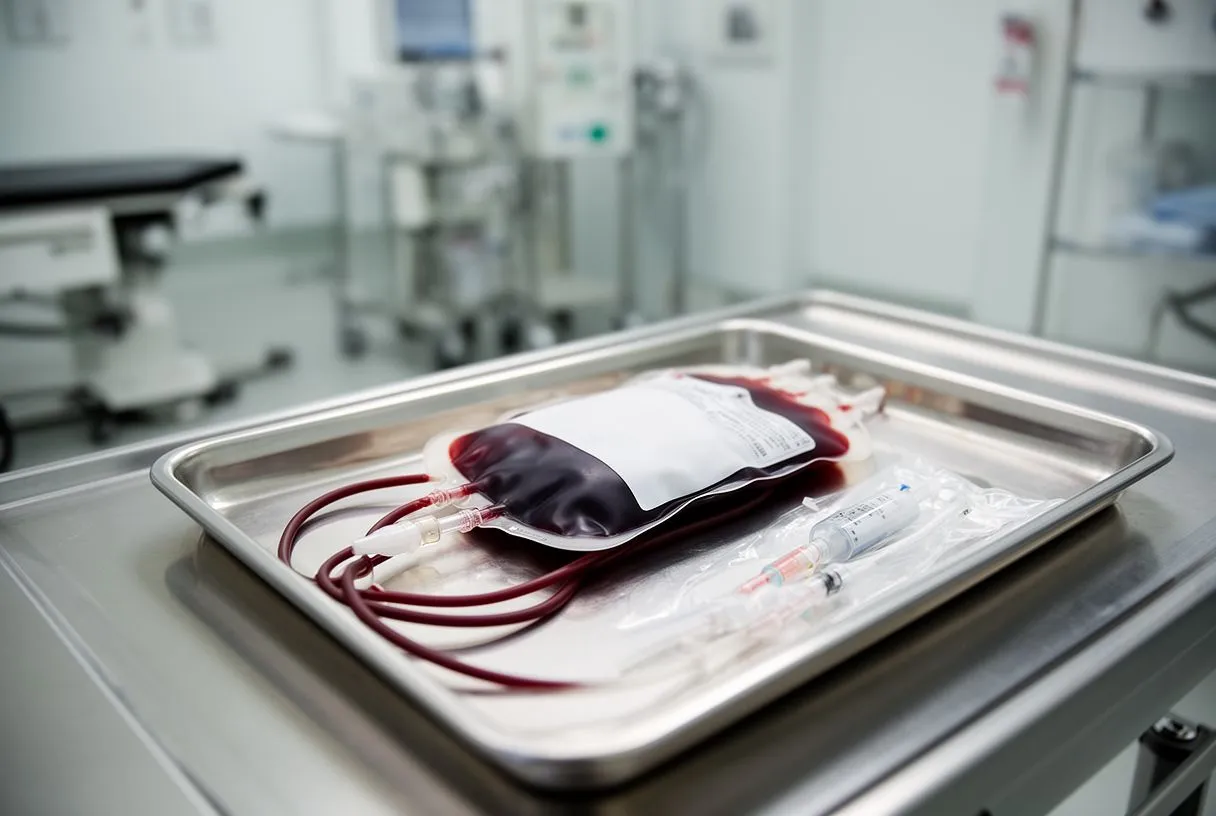
Published rates of transfusion in cardiac surgery vary widely depending on the institution, the patient population, and the specific procedure performed. Some centres report that more than half of their bypass patients receive at least one unit of red blood cells, while leading blood conservation programs have driven that figure below twenty percent. The variation itself demonstrates that transfusion rates are not fixed by the nature of the operation — they are heavily influenced by institutional culture, surgeon technique, and patient blood management protocols.
Which patient factors increase transfusion likelihood? Pre-existing anaemia, advanced age, low body weight, urgent or emergency surgery, and the use of multiple antiplatelet or anticoagulant medications all raise the probability that a patient will need donor blood. Patients who require re-operation through a previous incision, or who have extensive Atheromatous Plaque (a deposit of cholesterol, calcium, and inflammatory cells within an artery wall) in their aorta, may also face longer bypass times that increase bleeding risk. Recognising these factors in advance allows the team to plan mitigation strategies.
How do institutions measure and improve their transfusion rates? Many hospitals now participate in registries that track transfusion rates, re-exploration for bleeding, and related outcomes, using the data to benchmark against national averages. Simple but powerful interventions — such as stopping certain blood thinners at the correct interval before surgery, using smaller bypass circuits that require less priming fluid, and employing cell salvage devices that collect, wash, and return the patient's own blood — have collectively reduced transfusion frequency substantially over the past decade.
What Is Bloodless Heart Surgery and Who Is It For?
Bloodless heart surgery refers to a comprehensive approach that aims to perform cardiac operations without the use of allogeneic (donor) blood products. It is not a single technique but rather a bundle of preoperative, intraoperative, and postoperative strategies designed to build up the patient's own blood reserve, minimise surgical bleeding, and recycle the patient's blood whenever possible. Although initially developed for patients who refuse transfusion for religious reasons, bloodless methods have proven beneficial for a much broader population.
Who benefits most from a bloodless approach? Beyond patients whose faith prohibits transfusion, individuals who are difficult to cross-match because of rare blood types or multiple prior antibodies, those with compromised immune systems, and patients who simply prefer to avoid the risks associated with donor blood can all benefit. The principles of bloodless surgery also appeal to patients concerned about health-care-associated infections and those facing complex redo operations where every millilitre of preserved blood matters.
What does a bloodless program actually involve? A well-structured program typically includes thorough preoperative anaemia evaluation and treatment, minimisation of blood draws for laboratory testing during hospitalisation, use of medications that boost red cell production, intraoperative cell salvage and Autologous Blood (the patient's own blood, collected and returned) recovery, and meticulous surgical techniques that emphasise precise haemostasis. Some centres also employ pharmacologic agents that stabilise clot formation, such as antifibrinolytic medications that prevent premature breakdown of blood clots during and after bypass.

How Does Autologous Blood Donation Work Before Surgery?
Autologous blood donation allows a patient scheduled for elective cardiac surgery to donate their own blood in the weeks before the operation, so that it is available for reinfusion if needed. Because the blood is the patient's own, the risk of immune reactions and transfusion-transmitted infections is essentially eliminated. However, the approach must be timed carefully so that the patient's haemoglobin has time to recover before surgery, and it is generally reserved for procedures with a moderate to high expected blood loss.
What are the practical steps and limitations? A typical autologous donation schedule involves one or two units collected three to five weeks apart, with the final donation no later than 72 hours before surgery to allow volume restoration. Patients must have adequate haemoglobin levels — usually above 11 g/dL — to be eligible, and they may be prescribed oral iron and erythropoietin (a hormone that stimulates the bone marrow to produce red blood cells) to accelerate recovery between donations. The main limitation is that not all patients are candidates: those with severe anaemia, unstable angina, or active infections are typically excluded.
How does preoperative donation compare with other blood conservation methods? While autologous donation is conceptually appealing, studies have shown that it is less cost-effective than cell salvage and acute normovolemic hemodilution, and it carries its own risks, including clerical errors and bacterial contamination if storage conditions are not meticulously controlled. Most modern blood conservation programs favour intraoperative recovery techniques over pre-donation, reserving autologous donation for specific situations where intraoperative salvage alone is unlikely to meet anticipated needs.
What Is Acute Normovolemic Hemodilution in Cardiac Procedures?
Acute normovolemic hemodilution (ANH) is an intraoperative technique in which a calculated volume of the patient's blood is removed and stored at the bedside immediately after anaesthesia is induced, while an equal volume of crystalloid or colloid solution is infused to maintain normal blood pressure and circulating volume. Because the blood that remains in circulation is now diluted, any blood lost during surgery contains fewer red cells per millilitre. At the end of the procedure, the stored whole blood — rich in red cells, platelets, and clotting factors — is returned to the patient.
Which patients are the best candidates for ANH? Patients with a healthy starting haemoglobin who are scheduled for procedures with anticipated moderate blood loss are ideal candidates. The technique is particularly useful in operations where cell salvage is contraindicated, such as certain cancer resections where returning shed blood might theoretically re-introduce tumour cells. In cardiac surgery, ANH is often combined with cell salvage to maximise the proportion of the patient's own blood that is preserved and reinfused.
What are the risks and contraindications? ANH is not appropriate for patients who begin surgery with significant anaemia, severe coronary artery disease, or unstable haemodynamics. The temporary dilution of red cells means the heart must pump a larger volume to deliver the same amount of oxygen, which can be problematic for patients with critical aortic stenosis or severe left ventricular dysfunction. Careful Auscultation (listening to the heart with a stethoscope to detect murmurs or abnormal sounds) and preoperative echocardiography help the team determine whether ANH is safe for a given individual.
Can Jehovah's Witnesses Have Heart Surgery Without Transfusion?
Jehovah's Witnesses refuse transfusion of whole blood, red cells, white cells, platelets, and plasma based on deeply held religious convictions. For decades, this refusal was seen as an insurmountable barrier to complex cardiac surgery. Today, however, numerous centres worldwide — including programs in Mexico — have demonstrated that coronary bypass, valve replacement, and even aortic aneurysm repair can be performed safely without transfusion when a rigorous blood conservation protocol is in place.
What specific techniques make transfusion-free cardiac surgery possible for this population? The cornerstone is a multidisciplinary plan that begins weeks before surgery with aggressive treatment of iron deficiency and anaemia using intravenous iron and erythropoietin-stimulating agents. Intraoperatively, the team employs miniaturised bypass circuits that drastically reduce the volume of blood exposed to artificial surfaces, cell salvage with continuous circulation that avoids any interruption in the blood's flow, and pharmacologic agents such as tranexamic acid to preserve clot integrity. Surgeons may also select alternative approaches — for instance, off-pump bypass or minimally invasive valve techniques — to avoid the dilution and inflammation associated with standard cardiopulmonary bypass.
What outcomes have been reported in transfusion-free programs for Jehovah's Witnesses? Studies from dedicated centres show that, with careful patient selection and protocolised care, mortality and major complication rates are comparable to those of non-Witness patients undergoing similar procedures. The key is not to force a one-size-fits-all approach but to tailor the operation, the bypass strategy, and the postoperative monitoring to the individual's cardiac anatomy and baseline health. A study titled A murine model of aortic regurgitation generated by trans-apical wire destruction of the aortic valve exemplifies the kind of precise, targeted research that underpins the development of less invasive cardiac interventions, many of which align with the principles of blood conservation.
How Is Anemia Managed Before Heart Surgery to Reduce Bleeding Risk?
Preoperative anaemia is one of the strongest predictors of transfusion during cardiac surgery, and addressing it before the operation is arguably the single most effective blood conservation strategy available. Anaemia — a condition in which the blood has fewer red blood cells or less haemoglobin than normal — reduces oxygen delivery to tissues and limits the patient's ability to tolerate any blood loss that occurs during surgery. Identifying and treating anaemia weeks in advance gives the bone marrow time to produce additional red cells before the stress of surgery.
What causes anaemia in cardiac patients, and how is it treated? Iron deficiency is the most common cause, often resulting from poor dietary intake, chronic aspirin or anticoagulant use causing microscopic gastrointestinal blood loss, or the inflammatory state associated with heart failure. Treatment typically begins with oral iron supplements, but when time is short or oral iron is poorly tolerated, intravenous iron can raise haoglobin levels within two to three weeks. Erythropoietin may be added for patients with chronic kidney disease or those whose marrow response is sluggish. Correcting underlying causes — such as evaluating for occult gastrointestinal bleeding or adjusting medications that interfere with iron absorption — is equally important.
How far in advance should anaemia treatment begin? Ideally, assessment occurs four to six weeks before the scheduled operation. A complete blood count, iron studies, and in some cases vitamin B12 and folate levels are checked at the time of surgical consultation. If deficiencies are identified and treated promptly, many patients who would otherwise have required transfusion arrive in the operating room with haemoglobin levels sufficient to tolerate the expected blood loss. This proactive approach shifts the focus from reactive transfusion to preventive optimisation, which is the central philosophy of patient blood management in cardiology.
- Screen early: Complete blood count and iron studies at least 4–6 weeks before surgery to identify anaemia before it becomes a transfusion trigger.
- Treat aggressively: Intravenous iron and erythropoietin can raise haemoglobin faster than oral supplements when time is limited.
- Investigate causes: Work up gastrointestinal bleeding, medication effects, and inflammatory conditions that may be contributing to low red cell counts.
- Reassess before scheduling: If haemoglobin remains below target despite treatment, consider postponing elective surgery to allow further optimisation.
What Should Patients Ask Their Cardiac Team About Blood Conservation?
Open communication between patients and their surgical team is essential for aligning treatment with personal values, medical needs, and risk tolerance. Patients who understand the rationale behind blood conservation and the specific strategies available at their institution are better equipped to participate in shared decision-making and to set realistic expectations for their recovery. The following questions can serve as a starting point for a productive conversation during a preoperative consultation.
What questions help clarify transfusion risk and alternatives? Patients should ask what their institution's transfusion rate is for the specific procedure they are scheduled to undergo, and how that rate compares with national benchmarks. They should inquire whether the program has a formal patient blood management protocol, whether cell salvage and acute normovolemic hemodilution are routinely available, and whether their preoperative anaemia has been assessed and treated. For patients who wish to avoid transfusion — whether for religious, personal, or medical reasons — it is important to ask whether the team has experience caring for patients with that preference and what contingency plans exist if life-threatening bleeding occurs.
Cardiac surgery is a deeply personal journey, and every patient's situation is unique. While understanding the risks of blood transfusion and the alternatives available can reduce anxiety and support informed choices, no article can replace a direct conversation with a qualified cardiac surgeon and anaesthesiologist who know your specific anatomy, comorbidities, and goals. If you or a loved one are facing heart surgery and have questions about blood conservation, transfusion-free options, or anaemia management before your operation, we encourage you to schedule a consultation with Dr Alejandro Molina and the team at Cirugía de Corazón in Guadalajara, Querétaro, or Hermosillo. Together, you can develop a plan that offers the lowest risk for your situation and the strongest foundation for a smooth recovery.
- Ask about transfusion rates: What percentage of patients undergoing my procedure at this hospital receive donor blood?
- Ask about conservation tools: Do you routinely use cell salvage, mini-bypass circuits, and antifibrinolytic medications?
- Ask about pre-op anaemia: Have my iron levels been checked, and what is the plan if I am anaemic before surgery?
- Express your preferences: If I prefer to avoid transfusion, how will that be accommodated, and what are the limits of what can be safely done?