Compassionate Use of New Heart Devices: How Access Works
Learn how compassionate use heart devices work, who qualifies, and how to start the application process.
What Are Compassionate Use Heart Devices?
When standard treatments have been exhausted and no approved therapy can help, compassionate use heart devices offer a carefully regulated pathway to receive an investigational cardiac device before it has received full market authorization. This is not a shortcut or a loophole — it is a formal, documented process overseen by regulatory authorities such as the FDA in the United States and equivalent agencies in other countries. The term "compassionate use" (also called expanded access) refers specifically to making an unapproved device available to a patient who has a serious or immediately life-threatening condition and for whom no comparable alternative exists. For families facing advanced heart disease, understanding this option can open doors that otherwise seemed permanently closed.
How does this differ from a clinical trial? In a clinical trial, researchers are testing a device to answer specific scientific questions, and enrollment follows strict protocols designed to gather data — the patient's benefit is hoped for but not guaranteed. Compassionate use, by contrast, is patient-centred: the primary goal is to treat that individual, not to generate research data. The treating physician petitions the regulator, the device manufacturer must agree to supply the device, and an ethics board (known as an Institutional Review Board or IRB) must approve the plan. Each step exists to protect the patient while acknowledging that the alternative — doing nothing — carries its own grave risk. You can explore peer-reviewed literature on expanded access programmes through the Directory of Open Access Journals, which indexes many open-access studies on regulatory pathways for investigational devices.
Why would a device not yet be approved? Medical device approval is a rigorous, multi-phase process that can take years. A valve, a stent, or a circulatory support pump may have demonstrated safety in early laboratory and animal testing and may be progressing through human trials, but full approval requires extensive clinical evidence. Compassionate use allows patients who cannot wait for that timeline to access the device under controlled conditions. The device manufacturer has already gathered enough preliminary data to believe the device has a reasonable chance of helping, but it has not yet met the full burden of proof for broad commercial release. For a patient with, say, a deteriorating ascending aorta and no conventional surgical option left, that preliminary evidence can represent a genuine lifeline.
How the Compassionate Use Program Works for Cardiac Patients
The compassionate use pathway follows a defined sequence of steps, each involving multiple parties who must agree before a device reaches the patient. First, the treating cardiologist or cardiac surgeon must determine that the patient meets the criteria: a serious or life-threatening condition, no satisfactory approved alternative, and inability to enrol in an ongoing clinical trial. The physician then contacts the device manufacturer to request access — the manufacturer is under no legal obligation to provide the device, and factors such as limited supply or manufacturing capacity may influence the decision. If the manufacturer agrees, the physician submits a formal application to the relevant regulatory body, accompanied by a treatment plan that describes how the device will be used and monitored.
What role does the ethics committee play? Before the device is implanted or applied, an independent ethics committee — typically the hospital's IRB — reviews the proposal to ensure the patient understands the experimental nature of the treatment and that the potential benefits outweigh the risks. This committee examines the informed consent document, which must clearly explain that the device is unapproved, describe known and unknown risks, and state that the patient may withdraw at any time before the procedure. The committee also verifies that the treating team has the expertise and infrastructure to manage any complications. In cardiac care, this oversight is especially critical because complications from investigational devices can be immediate and severe — a malfunctioning valve or circulatory support pump can create emergencies that demand resources such as an arterial line for continuous blood pressure monitoring or even awake ECMO (extracorporeal membrane oxygenation, a form of partial heart-lung bypass) in critical scenarios.
How long does the process take? Timelines vary widely depending on the urgency of the case, the responsiveness of the manufacturer, and the regulatory pathway used. In the United States, the FDA offers both individual patient expanded access (which can sometimes be approved within days or even hours for emergencies) and broader pathways for groups of patients. In Mexico and other countries, the equivalent health authorities have their own frameworks, and international patients may need to coordinate between their home country's regulations and those of the treating centre. The cardiac surgeon managing your case should be able to give you a realistic estimate based on the specific device and the regulatory pathway involved, and should keep you informed at every stage.
Who Qualifies for Expanded Access Heart Devices?
Eligibility for compassionate use heart devices rests on several interlocking criteria, all of which must be satisfied simultaneously. The patient must have a serious or immediately life-threatening cardiac condition — this is not a pathway for convenience or preference, but for situations where the prognosis without intervention is poor. Standard, approved treatments must have been tried and failed, or must be deemed unsuitable for the individual patient's anatomy or physiology. The patient must also be unable to participate in a clinical trial for the device in question, whether because no trial is enrolling, the patient does not meet trial inclusion criteria, or the trial site is geographically inaccessible.
What cardiac conditions might meet the threshold? Conditions that commonly trigger compassionate use requests include severe valvular disease where conventional surgical replacement is not feasible (for example, a patient whose atrium and surrounding anatomy have been altered by previous operations), end-stage heart failure where approved mechanical circulatory support devices are unsuitable, and certain congenital structural defects for which no approved device exists in the patient's size or configuration. The 2016 International Society for Heart and Lung Transplantation updated its listing criteria for heart transplantation, which also inform decisions about when mechanical support or investigational devices become the most appropriate bridge for patients awaiting transplant. Patients with complex atheromatous plaque burden or unusual coronary anatomy may also fall into this category when standard balloon angioplasty (a procedure that uses a small inflated balloon to widen a narrowed artery) has been exhausted.
Are there situations where compassionate use is not appropriate? Yes. If an approved device or therapy exists that could reasonably treat the condition, regulators will typically require that option to be pursued first. If the patient's overall health is so compromised that the investigational device is unlikely to provide meaningful benefit — or if the risks of the procedure itself are prohibitive — the treating team and ethics committee may conclude that compassionate use is not in the patient's best interest. This is a difficult conversation, but an honest one. The goal is never to offer false hope but to identify whether a genuine, defensible opportunity exists for this specific patient at this specific moment.
Types of Heart Devices Available Through Compassionate Use
The range of cardiac devices that have been accessed through compassionate use is broad, reflecting the diversity of challenges in advanced heart disease. Valve devices — including transcatheter aortic valve replacements (TAVR) and novel balloon-expandable valve systems — have been made available to patients with severe aortic stenosis who are too high-risk for open surgery and for whom approved TAVR devices are unsuitable due to anatomy. Mechanical circulatory support pumps, which assist or replace the pumping function of the failing heart, have been provided through expanded access when approved ventricular assist devices do not fit a particular patient's size or condition.
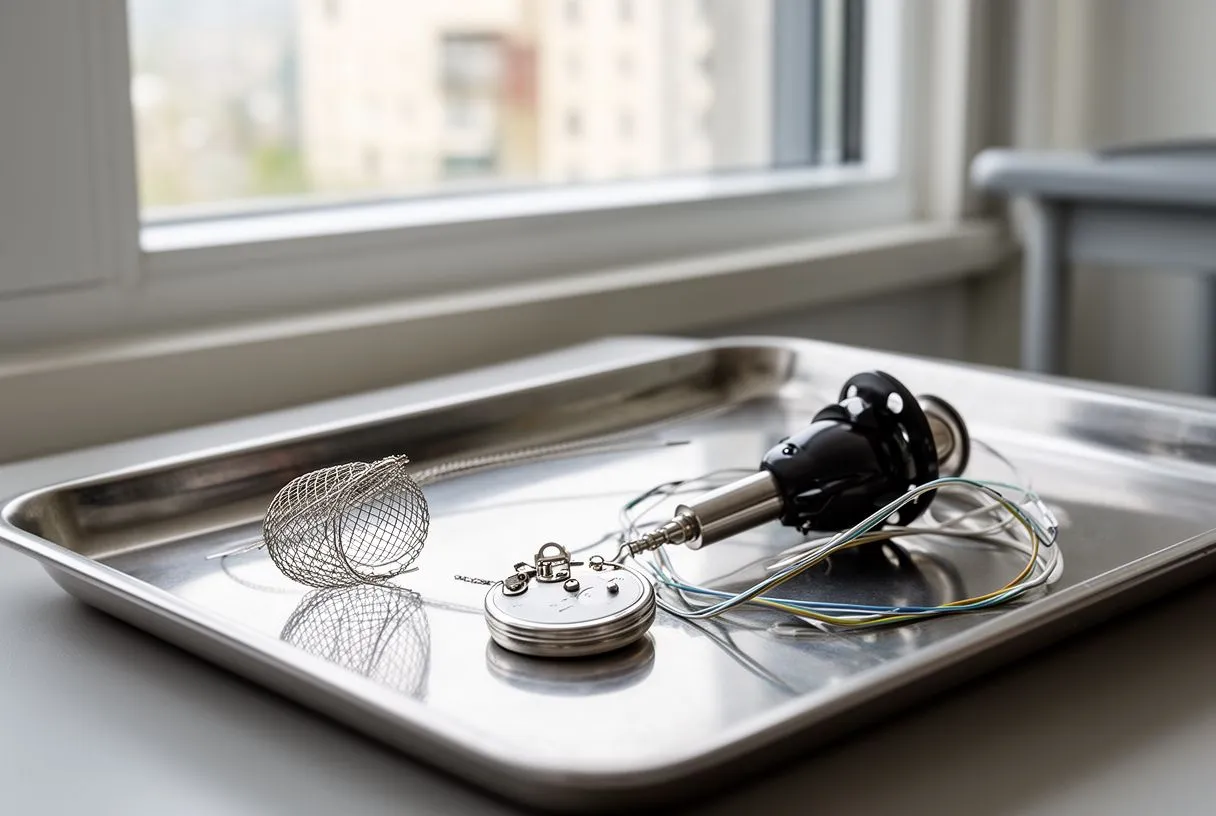
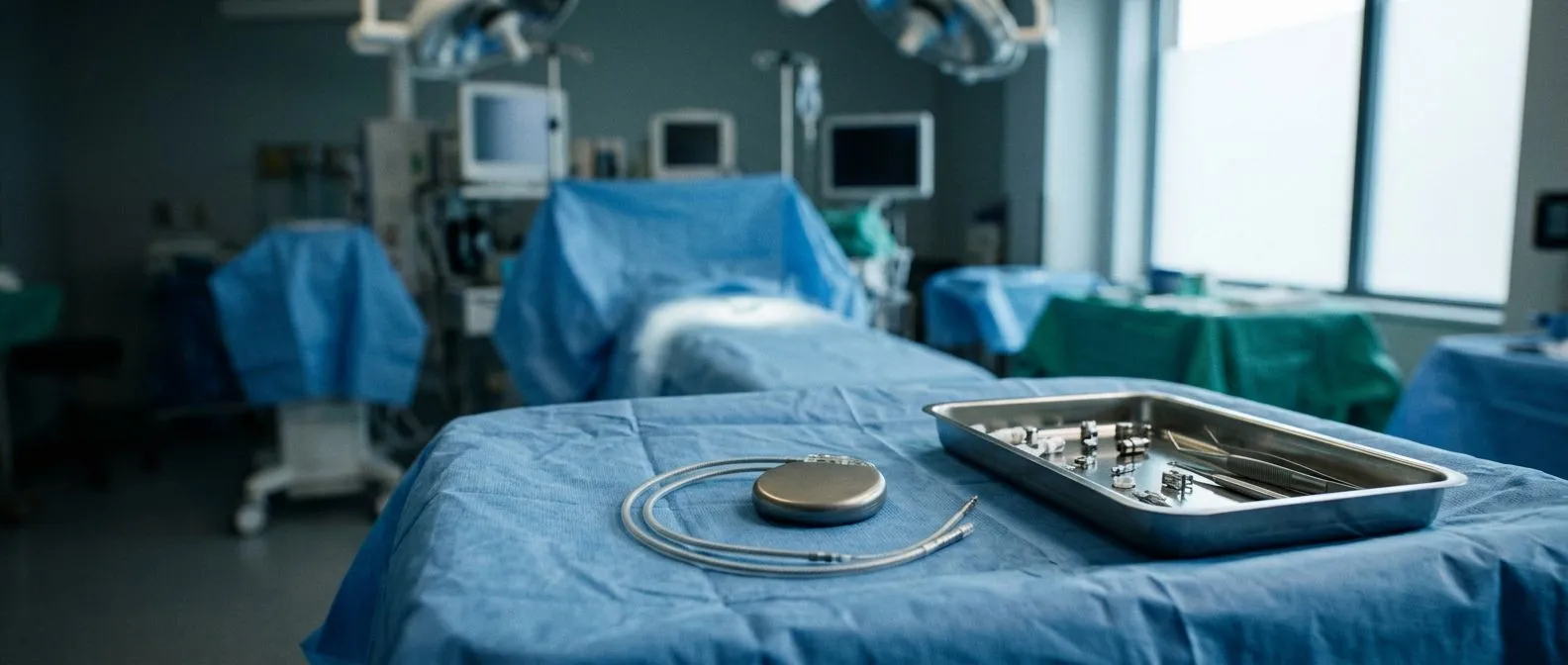
What about implantable electronic devices? Next-generation pacemakers, implantable cardioverter-defibrillators (ICDs), and devices for treating atrial flutter (a rapid, organized rhythm disturbance in the upper chambers of the heart) have also been accessed through compassionate use. In some cases, a patient may need a device with specific features — such as leadless pacing or novel sensing algorithms — that are not yet commercially available in their region but have demonstrated promising results elsewhere. An automated external defibrillator designed for a specialised use case, or a wearable cardioverter-defibrillator with investigational monitoring capabilities, might also be accessed through this pathway if the clinical justification is strong enough.
How are these devices tracked and evaluated? Even though the primary purpose is treatment rather than research, manufacturers and regulators collect data on compassionate use outcomes. Each case contributes to the growing body of evidence about the device's safety and performance, and serious adverse events must be reported promptly. This means that a patient receiving a compassionate use device is contributing — voluntarily and indirectly — to the future approval of that device for other patients. It is one of the ways the process benefits not only the individual but the broader cardiac community, while never losing sight of the patient's own clinical needs as the central priority.
The Role of Clinical Trials in New Heart Device Approval
Clinical trials are the structured research pathway through which new heart devices accumulate the evidence needed for regulatory approval, and compassionate use exists alongside — not in place of — this process. A typical device trial progresses through phases: early feasibility studies with small numbers of patients, pivotal trials that gather the primary evidence of safety and effectiveness, and post-market studies that monitor real-world performance after approval. Compassionate use cases typically occur when a device is somewhere in this pipeline — often during or after pivotal trials — and a patient outside the trial population has a compelling need that cannot wait for the full approval timeline.
Why can't every patient just join a trial? Clinical trials have strict inclusion and exclusion criteria designed to produce clean, interpretable data. A patient might be excluded because of age, comorbidities, previous surgeries, anatomical variations, or simply because the trial has already enrolled enough participants at the nearest site. Trial geography is another barrier — a patient in Guadalajara or Hermosillo may live far from the few centres enrolling participants for a specific device trial. In these situations, compassionate use becomes the practical alternative that allows access to the same investigational technology without the constraints of trial enrollment. Advances in precision medicine — including molecular profiling approaches like those described in the comprehensive molecular characterization of gastric adenocarcinoma — are gradually informing how cardiac patients, too, may one day be matched to specific therapies based on biological markers, though this remains an emerging field for heart devices.
What happens to trial data vs compassionate use data? Trial data is collected under controlled, protocol-driven conditions and forms the primary evidence base for regulatory decisions. Compassionate use data is collected more loosely — the device is used in a real-world clinical setting with the patient's welfare as the priority, and the data quality may vary. Regulators consider compassionate use reports as supporting, not primary, evidence. This distinction matters because it explains why a device that seems to work well in compassionate use cases still must complete its trials before it can be broadly approved: the controlled trial environment provides the rigorous evidence that compassionate use, by design, cannot.
Compassionate Use vs Standard Treatment: Key Differences
Understanding the differences between compassionate use and standard approved treatment helps patients and families set realistic expectations. Standard treatment uses devices that have completed full regulatory review — their safety and effectiveness have been demonstrated in clinical trials, their manufacturing is controlled, their labelling describes approved uses and known risks, and post-market surveillance systems track long-term outcomes. Compassionate use devices lack this complete evidence base: they are promising but unproven, their labelling is limited, and their long-term track record is still being established.
How does informed consent differ? The consent process for compassionate use is more extensive than for standard procedures. Patients must understand that the device is investigational, that its risks are not fully characterised, and that there is no guarantee of benefit. The consent document will also explain what is known from preclinical data and early trial results, what unknowns remain, and what alternatives — including palliative care or no intervention — are available. This conversation is typically more detailed and emotionally challenging than consent for an approved device, because the honest answer to many patient questions is "we do not yet know." For example, a patient considering an investigational arterial graft (a surgically placed substitute for a diseased artery) may need to weigh the known risks of their disease against the uncertain risks of the new material.
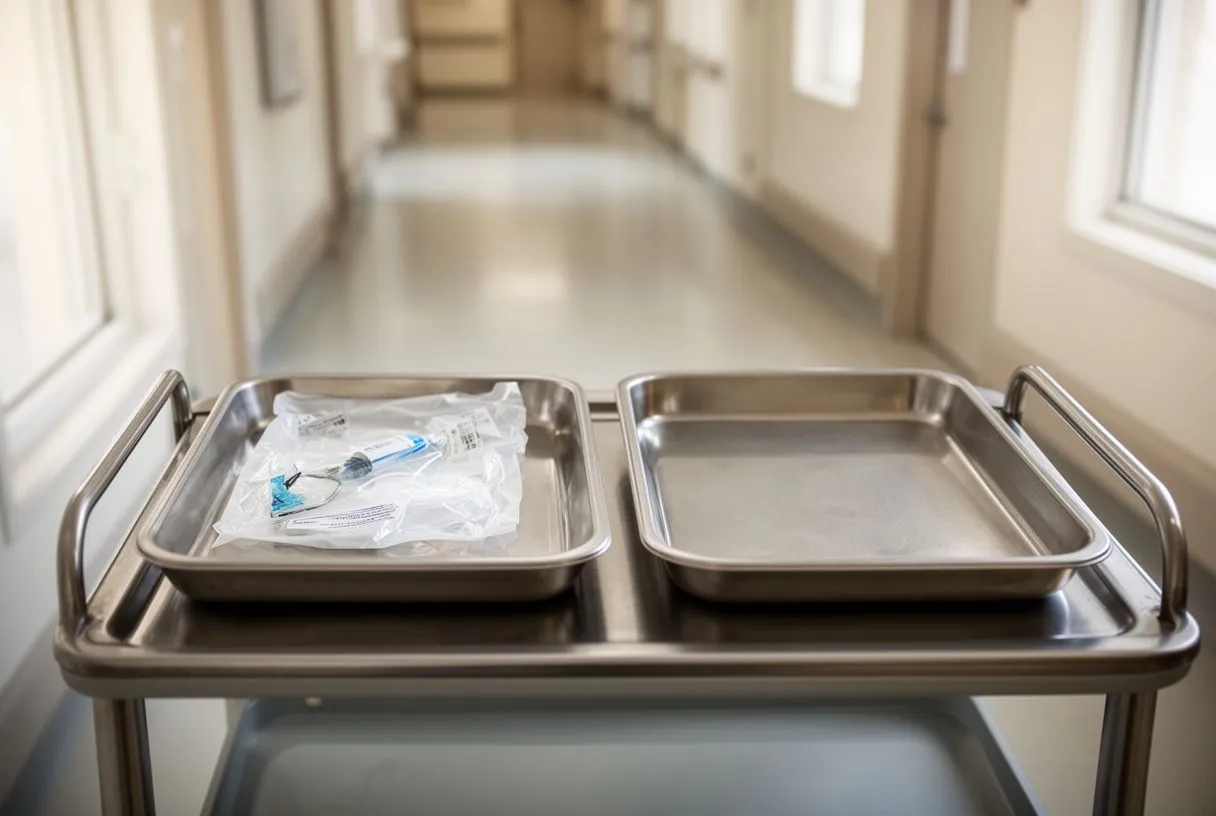
What about device supply and availability? Approved devices are manufactured in commercial quantities with established supply chains. Compassionate use devices may be available only in limited numbers, and the manufacturer must allocate each unit deliberately. This can create waiting periods and uncertainty. Additionally, if the device is being developed by a company in another country, import regulations, customs, and international shipping logistics may add further complexity. Your cardiac team should be transparent about these practical realities so you can plan accordingly and understand what timelines to expect.
What to Expect During the Heart Device Access Process
Once a decision is made to pursue compassionate use, the process moves through several stages that patients and families should understand in advance. The treating physician prepares a detailed clinical rationale, documenting the patient's condition, previous treatments, and why no approved alternative is suitable. The device manufacturer reviews the request and decides whether to supply the device. The regulatory authority evaluates the application for scientific soundness and patient safety. The ethics committee reviews the consent process and treatment plan. Each of these stages has its own timeline, and communication between the parties is essential to keep the process moving.
- Physician submission: Your cardiologist or surgeon compiles your medical history, current condition, and clinical justification into a formal request submitted to the manufacturer and regulator.
- Manufacturer response: The company that makes the device reviews the request, confirms availability, and agrees (or declines) to supply the device at no cost or under agreed terms.
- Regulatory review: The health authority evaluates whether the request meets legal and safety criteria, which can take hours for emergencies or several weeks for non-urgent cases.
- Ethics approval: The hospital's ethics committee verifies that consent is informed, the treatment plan is sound, and the team can manage potential complications.
What happens on the day of the procedure? The procedure itself is performed using the same surgical or transcatheter techniques that would be used if the device were approved. For example, a TAVR procedure involves guiding a replacement valve through a catheter — usually inserted through a blood vessel in the groin — and positioning it within the diseased native valve. During the procedure, the team uses standard cardiac monitoring, which may include auscultation (listening to the heart with a stethoscope), echocardiography, and continuous haemodynamic monitoring. If the procedure involves open surgery, the team may use an arterial cannula (a thin tube placed in an artery for blood pressure monitoring and blood sampling) and may reserve autologous blood (the patient's own blood, collected before surgery for potential reinfusion) as a safety measure. The key difference from a standard procedure is not the surgical technique but the investigational nature of the device being implanted.
Risks and Considerations for Experimental Heart Devices
Every medical intervention carries risk, and investigational devices carry additional layers of uncertainty that patients must understand before consenting. Known risks are those identified in preclinical testing and early clinical trials — for example, a specific valve design may have a known risk of paravalvular leak (blood flowing around the edges of the implanted valve) or a particular pump may have a known tendency to form blood clots. Unknown risks are those that have not yet been observed because the device has not been used in enough patients or followed for long enough. This distinction is at the heart of the compassionate use conversation: the known risks can be discussed concretely, while the unknown risks must be acknowledged honestly.
How do teams manage device-related complications? The same comprehensive cardiac care infrastructure that supports standard procedures is mobilised for compassionate use cases. If a patient develops atypical infarction (a heart attack with unusual symptoms or patterns on electrocardiogram), the team must be ready to respond with established protocols — including medications such as aspirin to prevent further clotting, anticoagulation strategies guided by studies like the ARISTOTLE trial (which evaluated apixaban for atrial fibrillation), and interventional backup if needed. If arm pain develops after a transradial procedure (a catheter approach through the wrist artery), the team must distinguish between common post-procedural discomfort and signs of a more serious complication. The presence of this full support infrastructure is one of the reasons ethics committees require that compassionate use procedures be performed at centres with comprehensive cardiac capabilities.
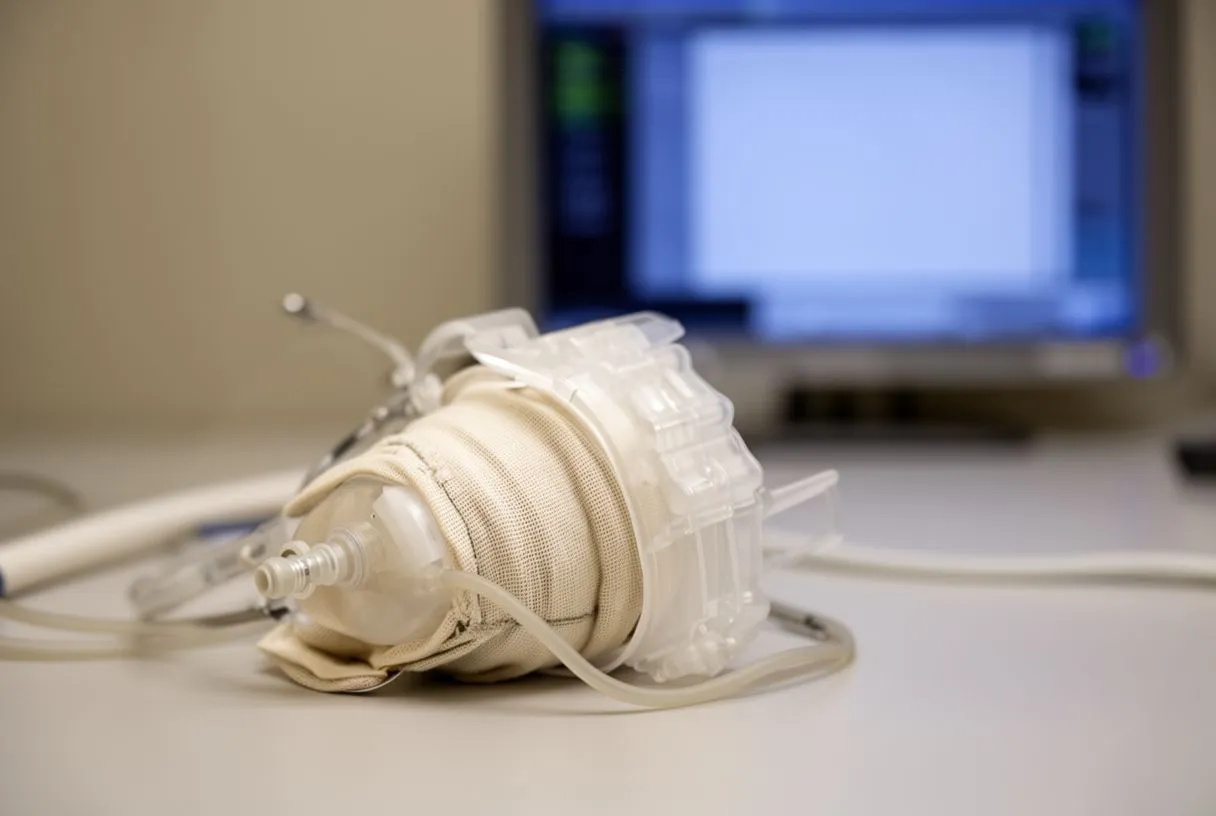
What if the device does not work or causes harm? If the investigational device fails to produce the expected clinical benefit, or if it causes an adverse event, the treating team follows the same principles that govern any cardiac complication: stabilise the patient, address the problem with available approved treatments, and report the event to the manufacturer and regulator. The patient's welfare is never secondary to the device's development timeline. In some cases, a failed investigational device may need to be removed or supplemented with an approved alternative — for example, if a novel valve malfunctions, the team may need to convert to a standard surgical approach using an approved autograft (tissue taken from the patient's own body) or a commercially available bioprosthetic valve. Understanding this possibility before consenting is essential.
Recovery and Follow-Up After Compassionate Use Cardiac Devices
Recovery after a compassionate use device procedure follows the same general principles as recovery after any cardiac intervention, but with additional monitoring requirements because the device is investigational. Patients typically spend time in an intensive care unit immediately after the procedure, with continuous cardiac monitoring, frequent imaging to confirm device position and function, and close observation for any early complications. The length of stay depends on the complexity of the procedure, the patient's baseline condition, and whether any complications arise.
What does long-term follow-up involve? Because the device's long-term performance is still being evaluated, follow-up is typically more intensive than for approved devices. Patients may need more frequent echocardiograms, additional clinic visits, and specific tests to assess device function — for instance, blood tests to monitor for markers like apolipoprotein B (a protein carried on LDL cholesterol particles, relevant to cardiovascular risk assessment) if the care team is tracking overall cardiac health alongside device performance. The manufacturer and treating centre may also request periodic data collection, and patients should understand what information will be gathered and how it will be used. This follow-up is not purely for research purposes — it also ensures that any developing problems are caught early and addressed promptly.
How does quality of life factor in? The ultimate goal of compassionate use is not just survival but meaningful improvement in the patient's quality of life. A device that extends life but leaves a patient bedridden with severe symptoms may not represent a true success. Your cardiac team should discuss quality-of-life expectations honestly — what activities the patient may be able to resume, what limitations will remain, and what the realistic trajectory looks like over months and years. For a patient who was housebound with severe heart failure, being able to walk short distances without breathlessness may represent a profound improvement even if the device is not a complete cure. For a patient with a previously inoperable valve condition, successful balloon aortic valvuloplasty (a procedure that uses a balloon catheter to stretch a narrowed aortic valve) followed by an investigational valve implant may restore function that seemed permanently lost. These outcomes, while not guaranteed, are what make the compassionate use pathway worth exploring for the right patient.
How to Talk to Your Cardiologist About Early Access Heart Therapy
Bringing up compassionate use with your cardiac team can feel daunting, especially when you are already navigating the emotional weight of a serious diagnosis. The best approach is to ask direct, specific questions and to expect honest, sometimes complex answers. Start by asking whether your current treatment options have been fully explored — this establishes a baseline understanding of where you stand. Then ask whether any investigational devices exist that might be relevant to your condition, and whether your treating centre has experience with the compassionate use process. A team that has navigated expanded access before will be better equipped to guide you through the regulatory, ethical, and logistical steps involved.

- "Have we exhausted all approved options?" — Ask your cardiologist to walk through every standard treatment and explain why each has been ruled out for your specific case.
- "Are there clinical trials I could join?" — Even if you think you are not eligible, ask specifically; trial criteria change and new sites may open.
- "Is there an investigational device that could help me?" — If your team is aware of devices in development for your condition, ask what is known about their safety and performance so far.
- "Can you help me understand the realistic outcomes?" — Ask for an honest assessment of what the device might achieve, what risks remain unknown, and what happens if it does not work as hoped.
Compassionate use heart devices represent a bridge between the urgent needs of individual patients and the careful, deliberate process of medical device development. They are not a guarantee, not a miracle, and not a substitute for the full regulatory pathway — but for the right patient at the right moment, they can be the difference between having no options and having one more. If you or a loved one is facing advanced cardiac disease and standard treatments have been exhausted, the most important step you can take is to have an open, detailed conversation with a qualified cardiac team. Discuss your full medical history, ask about every available pathway — including trials, approved devices, and compassionate use — and make decisions together based on your specific clinical situation. To explore whether any of these options might apply to your case, we encourage you to book a consultation with Dr Alejandro Molina's cardiac surgery team, who can evaluate your condition in depth and help you understand the full range of possibilities for your care.