

Congenital Heart Defect Repair in Adults
Congenital heart repair adults can trust: Guadalajara specialists explain ASD/VSD surgery, recovery timelines, and how to choose your surgeon.
Many adults live for years with a heart they were born with — some knew about it since childhood, and others only discovered it when a new doctor listened to a murmur. Congenital heart repair for adults is now a well-established field, and more people than ever are candidates for it. This guide walks through the common defects, the procedures used to fix them, what recovery actually looks like, and how to decide whether surgery makes sense for you.
What Is Congenital Heart Repair for Adults?
Defining the field. Congenital heart defect repair refers to surgical or catheter-based procedures that correct structural problems present from birth — holes in the walls of the heart, malformed valves, or abnormal connections between vessels. While these operations were once performed almost exclusively on children, adults now make up a large and growing share of patients. Some were repaired as children and need a reoperation decades later; others reached adulthood with a defect that was never treated.
Why adults differ from children. Adult hearts and bodies respond differently to surgery. Tissue is less elastic, other conditions such as high blood pressure or diabetes may coexist, and prior chest surgery makes reoperation more complex. That is why adult congenital cardiac surgery sits between general adult heart surgery and paediatric cardiac surgery — it draws on both. The American Heart Association notes that more adults than children now live with congenital heart disease, which is why specialised adult follow-up and repair have become a discipline of their own.
Repair versus replacement. Wherever possible, the goal is to preserve the patient's own tissue — a Valve Repair or Septal Defect Closure using a patch is preferred over replacing the structure entirely. Preserved tissue grows less dependent on blood-thinning medication and often lasts longer. Your surgical team will explain which approach fits your specific anatomy, because no two defects are identical.
Why Are More Adults Having Congenital Heart Defect Repair?
The population has aged. Advances since the 1950s mean most children born with a heart defect now reach adulthood. That success created a new challenge: repaired hearts sometimes develop new problems decades later — leaking valves, narrowed pathways, or small residual holes — and unrepaired defects can worsen with age. Many of these late complications are treatable, which is why grown-up congenital heart disease surgery has expanded so much.
Better diagnosis finds hidden defects. Echocardiography (an ultrasound scan of the heart), CT scans and cardiac MRI now detect small defects that were silently present for years. Some adults only learn of a problem after a routine check-up or a new symptom like breathlessness or palpitations. Finding it is the first step; deciding what to do about it is the second.
Our experience with this shift. Our multidisciplinary team reviews each adult congenital heart disease case against international practice guidelines before recommending anything. Many of these patients were told years ago to "keep an eye on it" — and now that the eye has seen something, they deserve a clear, unhurried explanation of the options.
What Is the Most Common Congenital Heart Defect?
Atrial septal defect. The most common congenital defect seen in adults is the Atrial Septal Defect — a hole in the wall between the heart's two upper chambers. Because the heart's left side operates at higher pressure, blood repeatedly shunts from left to right through the hole, gradually overloading the right side of the heart. Many adults have no symptoms for decades; the defect may be discovered when a doctor hears a murmur or sees an enlarged right chamber on an ultrasound.
Ventricular septal defect. The Ventricular Septal Defect — a hole in the wall between the two lower chambers — is the most common defect in children overall. Many close on their own in childhood; the ones that persist into adulthood tend to be the larger ones. In adults, a longstanding VSD can cause the lung arteries to stiffen, which changes the entire treatment plan.
Other defects adults carry. Other frequent findings include a patent ductus arteriosus (a vessel that should have closed after birth but stayed open), a Transcatheter Edge-to-edge Repair candidate with a leaking mitral valve related to congenital anatomy, and tetralogy of Fallot. Here is a quick comparison of what adults most often carry:
- Atrial septal defect (ASD): often silent until adulthood; frequently closable with a catheter device instead of open surgery.
- Ventricular septal defect (VSD): may need surgical patch closure if still large or causing symptoms in adulthood.
- Patent ductus arteriosus (PDA): a leftover fetal vessel; usually closed with a plug or coil through a catheter.
- Tetralogy of Fallot: repaired in childhood, but often needs reoperation in adulthood.
How Do Surgeons Correct an Atrial Septal Defect in Adults?
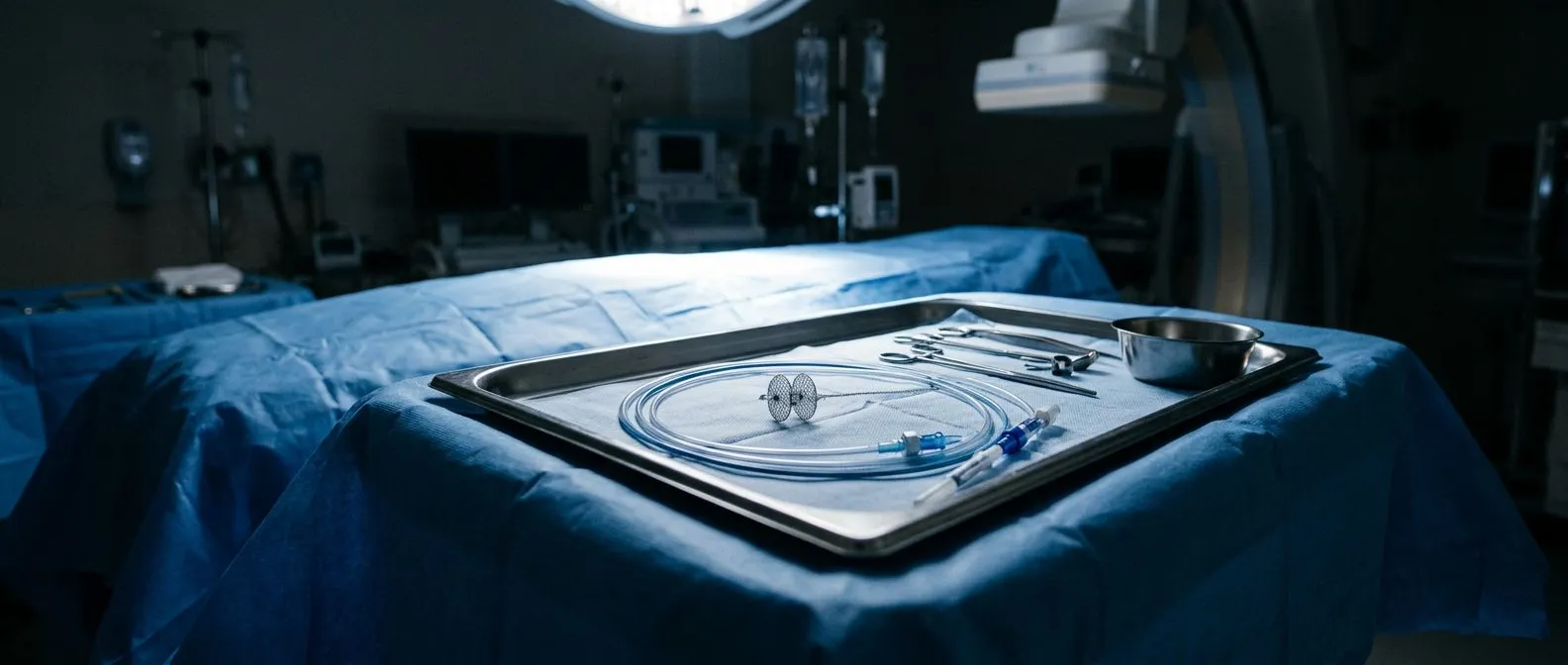
Device closure through the groin. When the hole is small or medium-sized and has enough tissue around its edges, an Endovascular Aneurysm Repair–style catheter approach — borrowed from the same minimally invasive logic — is often used: a device closure. A catheter is threaded through a vein in the groin, and a small mesh device is delivered across the hole, where it seals it permanently. The procedure takes a few hours, usually requires no chest incision, and most patients go home the next day.
Surgical patch closure. Very large holes, or holes with unusual edges, need open surgery. Through a sternotomy (breastbone incision) or a minimally invasive chest approach, the heart is opened and the hole is sewn shut with a patch of pericardium — the tissue that surrounds the heart — or with synthetic material. Surgical closure in adults is durable and has a long track record.
How we decide. Our team weighs the imaging findings, your age, and your other conditions, and we recommend the less invasive route only where the evidence supports it for that patient — if the hole's anatomy does not suit a device, we will say so plainly rather than force it. The final decision always rests with the patient, once every option has been explained.
Ventricular Septal Defect in Adults: When Is Repair Needed?
At what age is a VSD typically repaired? In children, a significant VSD is usually repaired in infancy or early childhood — within the first year or two of life if the hole is large and overloading the lungs. When a VSD survives to adulthood unrepaired, the question changes. Small defects that cause no pressure overload and no symptoms may never need surgery, just lifelong monitoring. Large defects, or small ones causing heart enlargement, valve leakage, or repeated infections, are candidates for repair at any adult age.
Why the lungs decide the plan. A longstanding VSD exposes the lung arteries to extra blood flow. Over years, they can develop high resistance — a condition called pulmonary hypertension. Once the lungs resist too strongly, the shunt may even reverse, making closure dangerous rather than helpful. Cardiac catheterisation measures this resistance precisely before any repair is offered.
Transoesophageal echo guides the operation. During VSD repair, surgeons rely heavily on transoesophageal echocardiography — an ultrasound probe placed in the oesophagus that shows the heart from behind, in real time. Recent case-series research on transoesophageal echocardiography following ventricular septal defect repair highlights its role in checking the result immediately and in watching how the right ventricle unloads from the pulmonary artery after closure — a key sign of how the heart adapts. This is exactly the kind of intraoperative checking our team treats as routine: the repair is not finished until the echo confirms it.
Can Tetralogy of Fallot Be Repaired Later in Life?
The defect itself. Tetralogy of Fallot is a combination of four problems present from birth: a VSD, an aorta that sits over both ventricles, a narrowed outflow tract to the lungs, and a thickened right pumping chamber. Without repair, most patients could not survive to adulthood; with childhood Congenital Repair, many now live full lives. But the childhood repair itself rarely lasts forever — the pulmonary valve often becomes leaky, and patches can develop aneurysms (bulges) or holes.
Reoperation in adulthood is common and effective. Adults with repaired tetralogy frequently need their pulmonary valve replaced or their right ventricular outflow tract rebuilt. This reoperation carries higher technical complexity than the first one, because scar tissue from the original surgery must be carefully dissected. New leaks can also form where old repairs meet normal tissue — a known pattern called a Gerbode defect, described in published reports of Gerbode defect formation two decades after tetralogy of Fallot repair. Knowing these patterns is precisely why adults with congenital repairs need lifelong specialist follow-up.
Timing matters more than urgency. Adults with repaired tetralogy should be monitored with regular MRI to measure right ventricle size and function before it deteriorates. In our practice we review every reoperation case as a multidisciplinary team before proposing a specific valve or approach. Timely, planned reoperation generally goes better than emergency reoperation.

What Happens During Congenital Heart Surgery for Adults?
Before the operation. You will undergo echocardiography, and often cardiac MRI or CT, to map the defect in three dimensions. Some patients need cardiac catheterisation to measure pressures inside the heart and lungs. Blood tests, lung function tests and an anaesthetic review complete the picture. In our first free video consultation, we talk through the condition, review which studies you already have, and tell you exactly which ones are still needed — so no unnecessary tests are ordered.
During the operation. Most open repairs use the heart-lung machine, which takes over circulation while the heart is stopped and opened. The surgeon closes the defect — with a patch, stitches, or a valve — under magnified vision. Minimally invasive approaches use a smaller incision on the side of the chest; robotic techniques use instruments controlled from a console. Our team performs conventional, minimally invasive, robotic and transcatheter procedures, and Dr Molina performed the first robotic heart surgery in Guadalajara, so we can offer the full range and choose what fits the patient rather than what fits the surgeon's habit.
Immediately after. You wake in the intensive care unit with monitoring lines in place. Most adult patients are sitting up and out of bed within a day or two. Transoesophageal echo results are reviewed before you leave theatre, and the surgical team confirms the repair before you wake. Some patients ask about "neonatal heart surgery" — surgery in the first days of life — which is a different, highly specialised field for newborns; adults, by contrast, are operated on a calm, planned schedule.
What Is the Success Rate for Congenital Heart Defect Surgery?
Why exact numbers are hard to give. There is no single success rate for congenital heart defect surgery, because outcomes depend on the defect, the patient's age, lung pressures, and whether it is a first repair or a reoperation. Simple closures like an ASD device closure or a PDA closure have very low complication rates. Complex reoperations, such as redo surgery after a childhood tetralogy repair, carry more risk and need careful planning.
What the long-term data show. Overall, corrective surgery for congenital heart disease in adults is well established and routinely successful when patients are properly selected. Can you live a long life with a congenital heart defect? Yes — most people born with a heart defect today live well into adulthood, and many repaired defects do not shorten life. But "long life" also depends on continued follow-up: problems can emerge years after a repair, and catching them early keeps options open.
What is the best treatment for heart disease? For congenital defects specifically, the best treatment is the one that fixes your anatomy with the lowest risk for your situation — which might be a catheter device, open surgery, or simply close monitoring. We encourage second opinions and treat seeking one as a normal part of deciding about heart surgery; a good team welcomes it, not fears it. There is no universal "best" — only the best fit for your heart and your life.
What Is Recovery Like After Congenital Heart Repair for Adults?
The first weeks. After an uncomplicated open repair, hospital stays typically run four to seven days. You will be tired — that is normal and expected. Walking is encouraged from day one; most patients drive again around four to six weeks after a sternotomy. Catheter-based closures have a far shorter course: many patients are back to normal activity within a week.
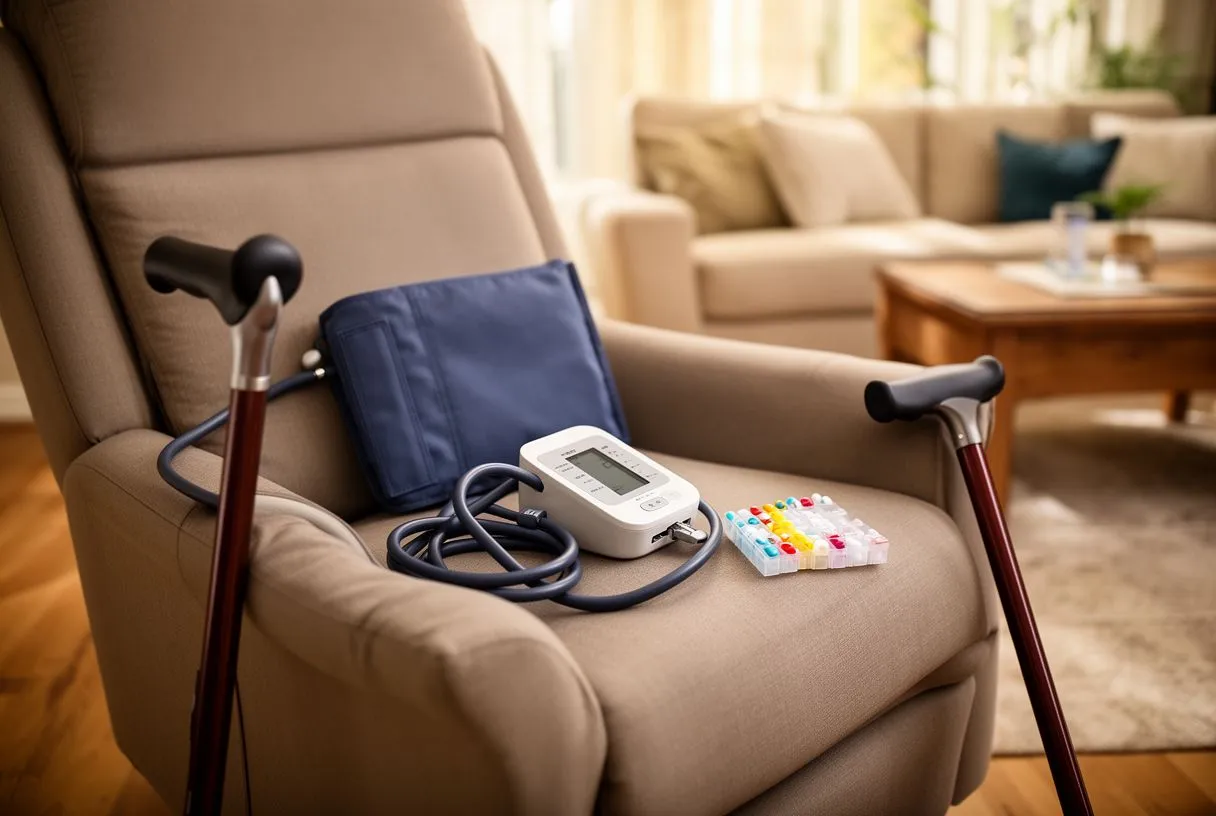
Lifelong follow-up is part of the repair. Adults with congenital heart disease need periodic review even after a successful operation. Echocardiography checks that the repair holds; MRI tracks ventricle size; blood tests and rhythm monitoring watch for late arrhythmias. What is the life expectancy after AVSD repair — repair of an atrioventricular septal defect? Patients repaired in childhood frequently reach adulthood in good health, but outcomes depend on valve function over time, which is why those follow-up visits are not optional extras.
Recovery milestones we monitor. Recovery has several milestones — wound healing, cardiac rehabilitation, return to work — and progress is worth reviewing at every stage rather than only at the operation. Recovery is not one event; it is a series of checkpoints, and each one is easier when someone is watching with you.
How Do You Choose an Adult Congenital Heart Surgeon?
Look for genuine experience with adult cases. Adult congenital heart disease is a small sub-specialty; ask how many adult cases — not just paediatric ones — a surgeon or centre handles each year. Ask specifically about your defect type: an adult with a VSD, a tetralogy reoperation, and a simple ASD have different needs. Training and volume matter more than marketing.
Questions to bring to the consultation. A good consultation should leave you informed, not pressured. Consider asking:
- What exactly does my imaging show, in plain words?
- Is the less invasive route appropriate for me, and why or why not?
- What are the realistic risks and recovery times for my specific defect?
- What follow-up will I need after the repair, and for how long?
Our approach to choosing. Dr Molina trained in cardiothoracic surgery at the Universidad de Guadalajara, in cardiac, minimally invasive, robotic and structural surgery at the University of Montreal, and in structural cardiology and TAVR at CHU Bordeaux, and our team trained at Jena, Bad Berka and Buffalo. Every case is discussed by the multidisciplinary team before a recommendation is made, the patient receives a clear proposal with alternatives, and the final decision is always theirs. In the consultation we take the time to explain what the studies actually show, in plain words, and to answer every question before any decision.
Congenital heart defect repair in adults is no longer rare, experimental, or something to be feared without evidence. Whether you carry a hole discovered late in life, a childhood repair that needs renewing, or a valve that has drifted from its original shape, modern congenital heart repair for adults offers a realistic path to a better, longer life — provided you have the right team and the right information. The first step is not a diagnosis you make on your own; it is a conversation with a qualified cardiac team about your own situation. If you would like to begin, book a consultation and bring your questions — all of them.






