Creatinine and Kidney Function Before Heart Surgery
Creatinine before heart surgery shows if your kidneys are ready for the procedure.
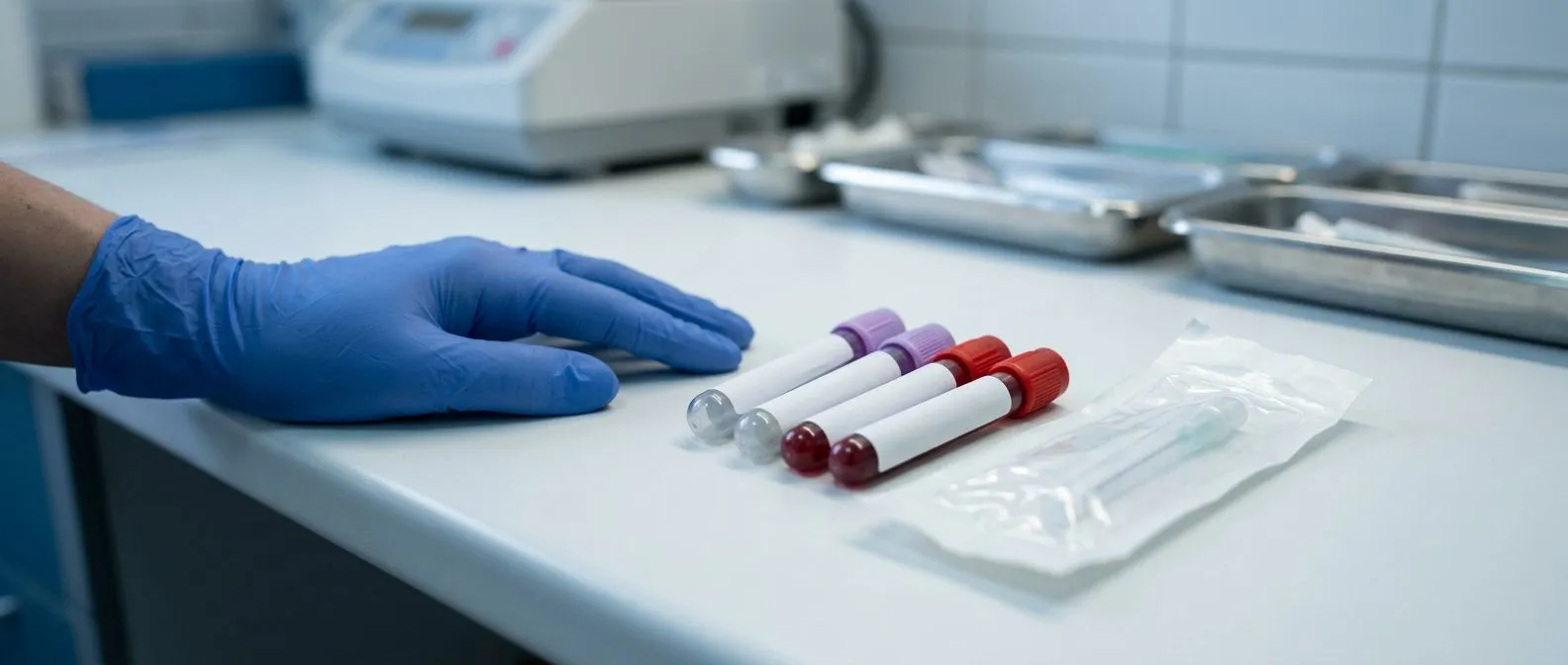
If you or a loved one has been told that heart surgery is on the horizon, the list of preoperative tests can feel overwhelming. One of the most important — and most misunderstood — is a simple blood test measuring creatinine before heart surgery. This small molecule tells your surgical team how well your kidneys are working, and that matters enormously: your kidneys filter the medications, contrast dye and fluids used during a cardiac procedure, and they share a close relationship with your heart. In this guide we explain what creatinine is, what your numbers mean, and how kidney function shapes the plan for your operation.
What Is Creatinine and Why Does It Matter?
Creatinine is a waste product of muscle metabolism. Your muscles use creatine phosphate for energy, and the natural breakdown of that compound releases creatinine into the bloodstream at a fairly steady rate. Because the body produces it constantly, it is a reliable window into one specific organ: the kidneys. Healthy kidneys filter creatinine out of the blood and excrete it in urine, so when blood levels rise, it usually means the filters are slowing down.
Because everyone has a different muscle mass, the "normal" number varies from person to person. A muscular athlete may have a creatinine that would be mildly concerning in a small, older adult. This is why doctors never read a single number in isolation — they look at the trend over time, your age, sex, muscle mass and other blood values together.
Europe PMC hosts extensive research on creatinine metabolism and its usefulness for evaluating kidney function, and decades of studies have confirmed that this simple measure remains one of the most practical bedside tools in medicine. It is cheap, quick to obtain, and meaningful — which is exactly why it appears on virtually every preoperative blood panel, including for cardiac procedures.
What Do the Kidneys Do for Your Heart?
The kidneys and heart work as a pair. Your kidneys filter about 180 liters of blood every day, removing waste, balancing fluids and salts, regulating blood pressure, and producing hormones that stimulate red blood cell production. When kidney function declines, fluid can build up in the lungs and legs, blood pressure rises, and the heart has to work harder — a cycle that strains both organs.
Cardiologists and cardiac surgeons pay close attention to this connection because the two conditions feed each other. Chronic kidney disease — long-term, progressive loss of kidney filtering ability — is one of the strongest risk factors for coronary artery disease and heart failure. Conversely, a weakened heart can reduce blood flow to the kidneys and cause their function to decline. This is why reviewing kidney function test heart surgery results is a standard step before any operation.
The liver matters too, and a complete preoperative panel often includes Liver Function Tests alongside kidney measures, because both organs process the medications used in anesthesia and recovery. A full picture of how your body handles the stress of surgery lets the team plan safely.
What Does It Mean When Your Creatinine Level Is High?
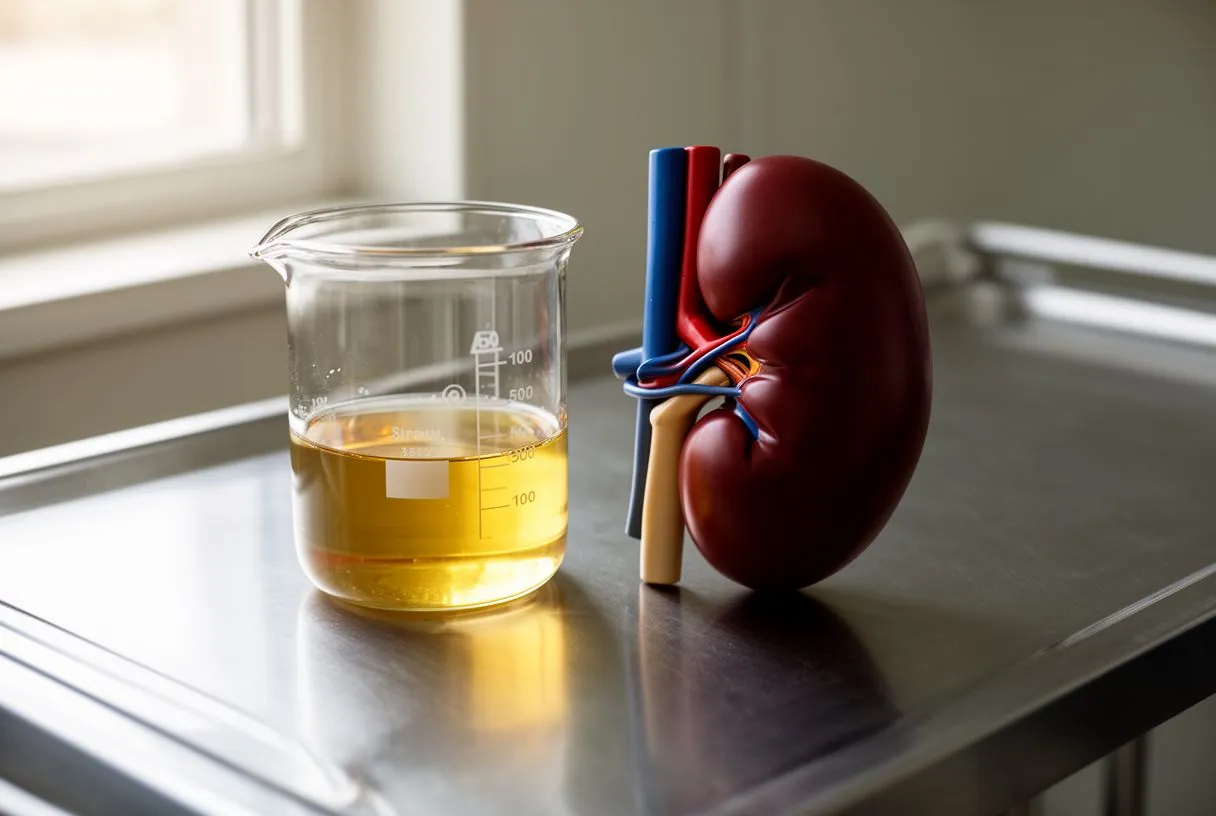
An elevated creatinine is a signal, not a diagnosis on its own. It means your kidneys are not clearing waste as efficiently as they should. Possible causes include dehydration, chronic kidney disease, a blocked urinary tract, certain medications, or an acute kidney injury — a sudden, often temporary drop in kidney function caused by illness, low blood pressure or medication effects. The distinction matters: acute kidney injury can sometimes resolve with fluids and time, while chronic kidney disease is managed long-term.
How high is too high? Doctors compare your result to the normal range and to your own previous values. A small rise from a normal baseline is treated very differently from a large jump, or from a level that has been creeping up for months. Your medical team will look at your result alongside your history, your medications and other tests before deciding what it means for you.
For a cardiac patient, an elevated creatinine changes the risk conversation. Research consistently shows that preoperative kidney function is one of the factors that influences outcomes after cardiac surgery, which is why a high value prompts a closer look rather than a cancellation.
What Is a Normal Creatinine Range Before Surgery?
Typical ranges differ by sex and muscle mass. In general, adult men fall roughly between 0.7 and 1.3 mg/dL, and adult women between 0.6 and 1.1 mg/dL. These are approximate reference values; each laboratory prints its own range on the report, and your doctor interprets your result against that range and your personal baseline.
For preoperative creatinine screening, surgeons are less interested in the absolute number than in the trend and the estimated kidney function it implies. A creatinine of 1.2 that has been stable for years carries a different meaning than a creatinine of 1.2 that was 0.8 last month. That is why we ask patients to bring any previous blood tests to the consultation — the trend tells the story.
In our practice, every case is reviewed by the multidisciplinary team against international practice guidelines before a recommendation is made, and kidney values are always part of that review. The patient receives a clear proposal with the alternatives, and the final decision is always theirs.
What Medications Affect Creatinine Levels?
Several common medications can raise creatinine without true kidney damage. This is an important distinction, and one of the first things a good surgeon will check before drawing conclusions from a high result.
- Blood pressure medications: ACE inhibitors (ending in "-pril") and ARBs (ending in "-sartan") reduce the pressure inside the kidney filters, which can raise creatinine modestly — often without meaning the kidneys are worse.
- Diuretics ("water pills"): By removing fluid, they can cause dehydration that temporarily raises creatinine. Rehydrating often brings the number back down.
- NSAIDs and other drugs: Anti-inflammatory painkillers like ibuprofen, some antibiotics, and certain contrast agents used in imaging can strain kidney function, especially when combined.
- Trimethoprim and similar drugs: Some medications block the excretion of creatinine into the urine, raising the blood level without any actual change in kidney function.
Never stop a medication on your own before surgery. Some drugs need to be held for a day or two before the operation, others continued, and the decision depends on your specific situation. In our consultations we take the time to explain what the studies actually show, in plain words, and to answer every question before any decision — including which medications to pause and which to keep.
What Is Creatinine Clearance and GFR?
Creatinine clearance and GFR estimate how well your kidneys filter. The glomerular filtration rate — GFR — is the standard measure of kidney function, calculated from your creatinine, age, sex and sometimes other factors. It expresses the rate at which blood is filtered, in milliliters per minute. A GFR above 60 is generally considered adequate; below 60 suggests moderate loss of function, and below 15 defines kidney failure.
Creatinine clearance is a slightly different, more direct measure: it compares the amount of creatinine in a 24-hour urine collection to the amount in your blood. It is less commonly ordered now because the GFR calculation is easier and nearly as accurate, but it can still be useful when more precision is needed — for example, when planning doses of certain medications before surgery.
Creatinine clearance cardiac risk assessment is a real thing in surgical planning: a calculated GFR helps the team stratify the risk of complications after procedures like bypass or valve replacement. The lower the GFR, the more carefully the surgical approach, the choice of heart-lung machine settings, contrast use and medication doses are planned.
Is a Creatinine of 2.5 Dangerous? Do You Need Dialysis?
A creatinine of 2.5 mg/dL is above normal, but it does not automatically mean dialysis. This is one of the most common fears patients bring to us. Dialysis is a treatment that takes over the blood-filtering job of the kidneys when they cannot do it themselves — it is a major step, not a number on a lab report.
Whether dialysis is needed depends on several factors. Doctors consider not just the creatinine level, but how quickly it rose, whether there are symptoms of fluid overload or dangerous chemical imbalances, the overall GFR, and the presence of other organs' problems. A stable creatinine of 2.5 from long-standing chronic kidney disease is managed with medication and monitoring. A sudden jump to 2.5 from 1.0 over two days, with fluid in the lungs, is a different situation entirely. The number alone does not decide; the whole clinical picture does.
If a creatinine of 2.5 appears on your preoperative report, the right move is not panic but a conversation. Ask your cardiac team what the value means in your specific case, whether it is new or long-standing, and what it changes — if anything — about the surgical plan.
Why Check Creatinine Before Bypass and Valve Surgery?
Kidney function shapes every major cardiac surgical decision. During a Stress Test on a Treadmill Test protocol, during cardiac catheterization with contrast dye, and especially during open-heart surgery on the heart-lung machine, the kidneys are exposed to temporary reductions in blood flow and to medications and dyes that they must filter. Knowing your starting kidney function lets the team plan around these challenges.
Preoperative creatinine also feeds into surgical risk scoring. Tools like EuroSCORE II — a formula that estimates the risk of complications from cardiac surgery — include kidney dysfunction among their inputs. This is not about labeling a patient "too risky." It is about choosing the right operation, the right approach and the right timing.
Emerging research is exploring more refined markers. For example, one study examined the prognostic role of the serum uric acid-to-serum creatinine ratio in patients with ST-elevation myocardial infarction and multivessel coronary artery disease, reflecting how specialists continue to look for blood markers that sharpen risk prediction beyond the classic measures (Cardiology Journal). Your surgical team may order a broader panel depending on your condition.
Our work covers valve disease, coronary disease, the aorta and structural heart conditions, and before recommending conventional, minimally invasive, robotic or transcatheter procedures, we review each patient's kidney function and overall risk profile against international practice guidelines — recommending the less invasive route only where the evidence supports it for that patient.
How to Lower Creatinine Before an Operation?
Some causes of high creatinine are reversible before surgery. If your creatinine is mildly elevated, there may be practical steps that bring it down — but only under your doctor's guidance, and only when the underlying cause allows it.
- Hydration: Mild dehydration is one of the most common reversible causes. Drinking adequate water in the days before a blood test can bring a temporarily high creatinine down.
- Medication review: If a medication is the culprit, your doctor may pause or substitute it — never adjust this yourself.
- Blood pressure and salt control: Keeping blood pressure in range and limiting excess salt protects kidney filters over the long term.
- Treating the underlying condition: If chronic kidney disease is present, managing it properly with a nephrologist before surgery gives the best possible starting point.
Be cautious with internet advice. Creatine supplements, extreme protein diets and unproven "kidney cleanses" do not lower creatinine and some can worsen kidney function. If the kidneys have sustained genuine, long-term damage, the focus shifts from lowering the number to protecting remaining function and planning surgery around it.
In the free video consultation that starts our process, we get to know the patient, talk through the condition, and say which studies are still needed so no unnecessary ones are ordered — a face-to-face visit at the consulting rooms follows when the patient decides to go ahead.
How to Prepare for Your Pre-Surgery Blood Tests?
Good preparation makes the results accurate. A few simple habits before your blood draw can prevent a falsely alarming creatinine result.
- Follow fasting instructions: Some preoperative panels require fasting; follow the instructions your team gives you exactly.
- Drink water normally: Unless told otherwise, good hydration the day before helps avoid a dehydration-related rise in creatinine.
- Avoid intense exercise: A hard workout the day before can temporarily raise creatinine through muscle breakdown.
- Bring your medication list: Include supplements, herbal products and over-the-counter drugs — some affect kidney readings.
- Bring previous labs: Old results show the trend, which is often more informative than a single number.
Creatinine monitoring before valve replacement or other procedures may continue after the test as well — the team may repeat the value close to the surgery date to make sure nothing has changed. Pulmonary Function Tests and other studies may also be scheduled; each one answers a specific question about your readiness for the operation.
In the end, a creatinine test is not a judgment — it is information. A cardiac team that knows your kidney function can plan a safer operation, choose the right approach, and give you honest answers about your options. If you are facing heart surgery and have questions about your blood tests or what your numbers mean, we encourage you to discuss your situation with a qualified cardiac team and book a consultation rather than try to interpret results alone. In our practice we encourage second opinions and treat seeking one as a normal part of deciding about heart surgery — the choice of treatment is always yours to make, informed by clear explanations at every step.