Diuretics After Heart Surgery: Managing Fluid at Home
Learn how to use diuretics after heart surgery safely at home.
Coming home after heart surgery is a milestone, but it also brings a new set of responsibilities. One of the most common and most important is managing fluid. Your cardiac team likely prescribed diuretics after heart surgery to help your body shed the extra water that accumulates during recovery. Understanding how these medications work, what to watch for, and how to fit them into daily life will help you recover more comfortably and avoid preventable complications.
What Are Diuretics After Heart Surgery?
What do diuretics actually do in the body? Diuretics, often called "water pills," are medications that prompt your kidneys to remove excess sodium and water through urine. After cardiac surgery, your body often holds onto more fluid than it needs. This can happen because of the stress of surgery, the fluids given through an arterial line or intravenous drip during the operation, and changes in how your heart pumps while it heals. Diuretics help restore a healthier fluid balance so your heart does not have to work as hard.
Diuretics are not a one-size-fits-all prescription. Your surgeon or cardiologist selects the type and dose based on your heart function, kidney health, and the specific procedure you had. Some patients need them only briefly; others may continue for weeks or longer. The goal is always the same: to keep fluid from collecting in your lungs, legs, or abdomen while your heart recovers its normal rhythm and strength.
Are diuretics the same as blood pressure pills? Not exactly, though some diuretics do lower blood pressure as a side effect. Their primary job in this setting is fluid control, not blood pressure management. If you were already taking blood pressure medication before surgery, your team will review every prescription to make sure the combinations are safe and effective for your recovery phase.
Why Fluid Builds Up After Cardiac Procedures
Why does the body retain water after surgery? The body's response to any major surgery includes inflammation, and inflammation draws fluid into tissues. During your operation, you received fluids to maintain blood pressure and protect organ function. Once you are home, your kidneys and heart need time to process and eliminate that excess. This is especially true if your heart was operating on bypass or if your aorta or valves were repaired.
Heart surgery also temporarily changes how well the heart pumps. Even a successful procedure leaves the heart muscle somewhat stunned for days or weeks. When the heart pumps less forcefully, fluid can back up into the lungs or pool in the legs. Diuretics after heart surgery give your kidneys a signal to accelerate fluid removal, acting as a bridge until your heart regains its normal output.
According to research published in JAMA Network, fluid overload in the early postoperative period is associated with longer hospital stays and more complications. That is why your team does not simply wait for the fluid to resolve on its own. Active management with diuretics, careful monitoring, and dietary adjustments is standard practice for most cardiac surgery patients.
Types of Diuretics Prescribed Post-Surgery
What are the main classes of diuretics? The three categories you are most likely to encounter are loop diuretics, thiazide diuretics, and potassium-sparing diuretics. Loop diuretics, such as furosemide, are the strongest and are the most commonly prescribed after heart surgery. They act on a specific part of the kidney to remove large amounts of water and sodium quickly. Thiazide diuretics are milder and sometimes added when loop diuretics alone are not enough. Potassium-sparing diuretics help retain potassium, an essential mineral that loop and thiazide diuretics tend to wash out.
Your prescription may include a single diuretic or a combination. The choice depends on your kidney function, your potassium levels, and how aggressively fluid needs to be removed. Doses are often adjusted in the first weeks after surgery, so expect changes. Never stop taking a diuretic abruptly, even if you feel better, unless your cardiac team instructs you to do so.
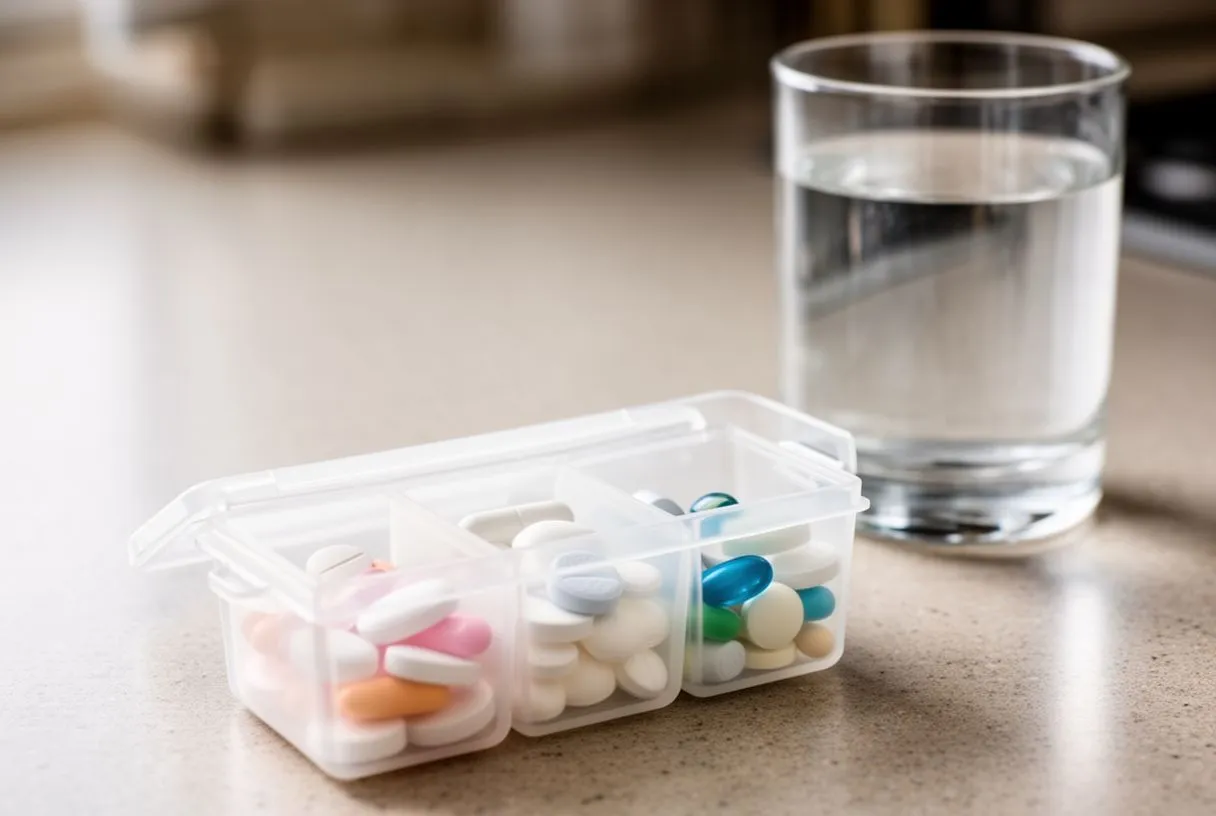
How do doctors choose the right diuretic for each patient? Selection is guided by blood tests, daily weight, and sometimes an echocardiogram to assess heart function. If your potassium drops too low, your doctor may switch you to or add a potassium-sparing option. If your kidneys are not responding well to one class, another may be tried. This is a dynamic process that mirrors your recovery, not a static prescription you carry unchanged for months.
How to Take Diuretics Safely at Home
What is the best time of day to take a diuretic? Most patients are advised to take diuretics in the morning or early afternoon. Because these medications increase urine output, taking them late in the day can disrupt sleep with frequent trips to the bathroom. If you are prescribed a second dose, your doctor will usually suggest taking it by mid-afternoon at the latest. Always follow the schedule your cardiac team gives you.
Consistency matters. Take your diuretic at the same time each day, with or without food as directed. Do not skip a dose because you feel well, and do not double up if you miss one. If you forget, take it as soon as you remember unless it is close to the time for your next dose. In that case, skip the missed dose and resume your normal schedule. A study referenced in Heart Views highlights how careful monitoring of cardiac patients, including medication adherence, directly affects outcomes during recovery.
Can I drink less water to avoid needing diuretics? This is a common misconception. Restricting fluids too aggressively can actually harm your kidneys and concentrate your blood, making it harder for your heart. Follow your team's specific guidance on how much liquid to drink each day. Some patients are told to limit fluids to a certain amount; others are encouraged to drink normally. The right approach depends on your heart function, kidney health, and current weight trends.
Monitoring Your Weight and Fluid Balance
Why is daily weighing so important? Your weight is the single most reliable indicator of fluid balance at home. A sudden increase of one to two kilograms in a single day, or two to three kilograms in a week, usually means your body is retaining fluid even if you do not yet feel symptoms. Weigh yourself every morning at the same time, after using the bathroom and before eating or drinking. Record the number in a notebook or app so you can spot trends.

What other signs show fluid is accumulating? Beyond the scale, watch for swelling in your ankles, lower legs, or fingers. Rings that suddenly feel tight, shoes that no longer fit comfortably, or a sense of fullness in your abdomen can all signal fluid retention. If fluid collects in your lungs, you may notice shortness of breath that worsens when you lie flat, or you may need extra pillows to sleep comfortably. These are warning signs that your diuretic dose may need adjustment.
Bring your weight log to every follow-up appointment. Your doctor can use this data to fine-tune your medication. If your weight is climbing steadily, the dose may be increased temporarily. If it is dropping too quickly, the dose may be reduced. This back-and-forth adjustment is a normal part of recovery, not a sign that something is wrong.
Dietary Tips While on Diuretics
How much sodium is safe when taking diuretics? Sodium makes your body hold onto water, which works directly against your medication. Most cardiac surgery patients are advised to keep sodium intake under 2,000 milligrams per day. This means avoiding processed foods, canned soups, deli meats, and restaurant meals that are often loaded with hidden salt. Cooking at home with fresh ingredients gives you the most control over your sodium intake.
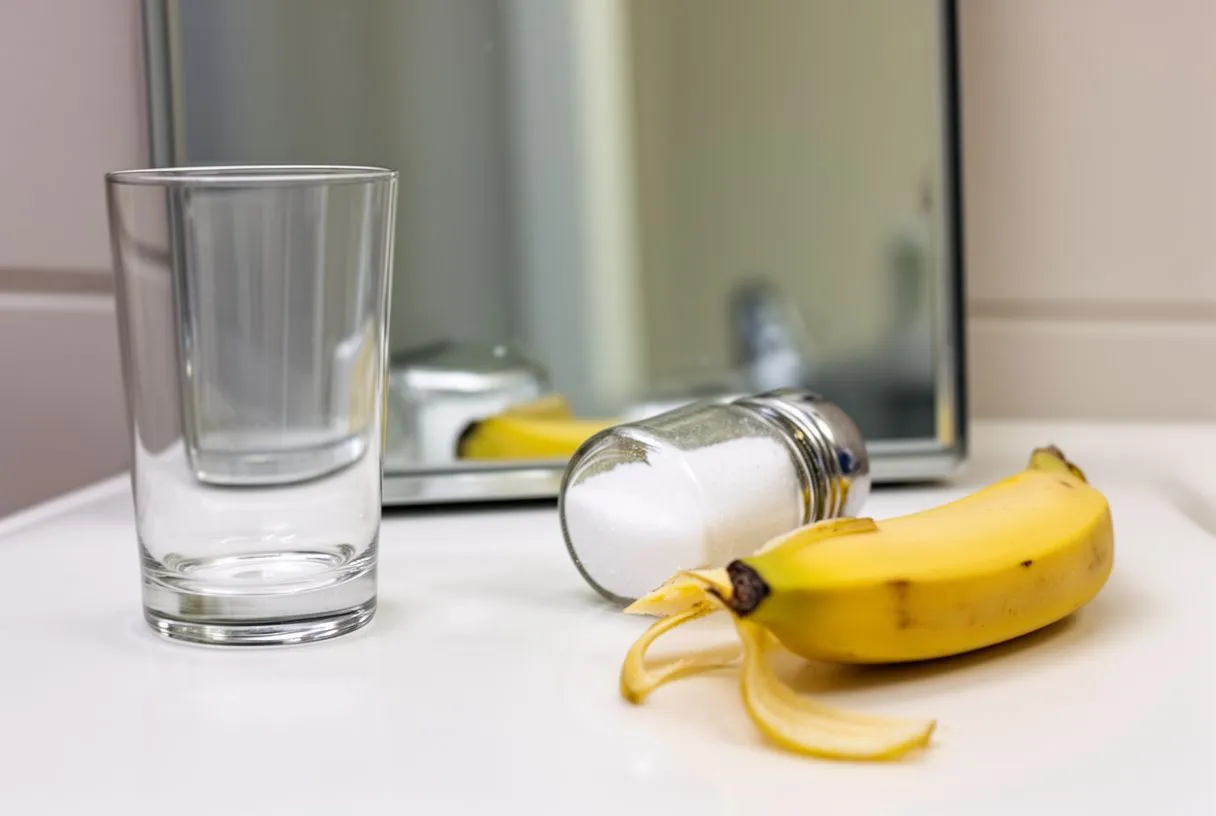
Do I need to eat more potassium-rich foods? That depends on which diuretic you are taking. Loop and thiazide diuretics can lower potassium, so your team may encourage foods like bananas, oranges, spinach, and avocados. However, if you are taking a potassium-sparing diuretic, eating too many high-potassium foods can actually be dangerous. Always ask your doctor or a dietitian before making significant changes to your potassium intake.
Here are some practical dietary reminders for patients on diuretics after heart surgery:
- Limit salt: Aim for under 2,000 mg of sodium daily by choosing fresh, unprocessed foods.
- Check potassium needs: Ask your team whether you should increase or limit potassium-rich foods based on your specific diuretic.
- Follow fluid targets: Drink the amount your doctor recommends, neither forcing extra water nor restricting without guidance.
- Watch caffeine and alcohol: Both can affect hydration and interact with heart medications, so discuss limits with your team.
Side Effects and Warning Signs to Watch
What are common side effects of diuretics? The most frequent side effects are increased urination, thirst, and mild fatigue. These are expected as your body adjusts. Some patients experience muscle cramps, which can indicate that electrolytes like potassium or magnesium are low. Dizziness when standing up quickly can occur if blood pressure drops too low. These effects are usually manageable with dose adjustments, so report them rather than suffering in silence.
Which symptoms require urgent attention? Certain signs should never be ignored. Severe dizziness or fainting, rapid or irregular heartbeat, significant weakness, or confusion can all point to serious electrolyte imbalances. If you notice ringing in your ears, especially with loop diuretics, contact your team promptly. Research published in the RUDN Journal of Medicine underscores the importance of monitoring cardiac patients for arrhythmias and other complications that can arise during postoperative medication management.
Keep a simple symptom diary in the first few weeks. Note anything unusual, even if it seems minor. Patterns are easier to spot when you write things down, and this information is invaluable to your cardiac team. Remember that side effects are not failures; they are signals that help your doctor tailor your treatment.
How Long Will I Need Diuretics After Surgery?
Is there a standard timeline for stopping diuretics? There is no fixed schedule. Some patients only need diuretics for a week or two after discharge, while others continue for a month or longer. The duration depends on how quickly your heart recovers its pumping strength, how well your kidneys are functioning, and whether you had additional conditions before surgery that contribute to fluid retention, such as chronic heart failure.
Your team will gradually reduce the dose as your weight stabilizes and your symptoms resolve. This tapering process is important. Stopping suddenly can cause fluid to rebound, sometimes worse than before. Trust the pace your doctor sets, and use your daily weight log as evidence of progress. A steady, predictable pattern is what matters most.
For patients who had valve replacement, coronary bypass, or repair of the ascending aorta, the timeline may differ based on the complexity of the procedure. Do not compare your recovery to someone else's. Your cardiac team is tracking your individual response, and that is the only timeline that matters.
Interactions With Other Heart Medications
Can diuretics interact with my other prescriptions? Yes, and this is why open communication with your team is essential. Many cardiac surgery patients take aspirin to prevent clots, beta-blockers to control heart rate, or medications to manage atrial flutter or other rhythm issues. Diuretics can affect how these drugs work, and vice versa. For example, low potassium caused by a loop diuretic can increase the risk of dangerous arrhythmias if you are also taking certain rhythm-control medications.
Over-the-counter supplements and herbal remedies can also interact. Some patients assume natural products are always safe, but potassium supplements, licorice root, and even certain pain relievers can disrupt the balance your team is carefully maintaining. Always tell your doctor about everything you take, including vitamins and remedies recommended by family or friends.
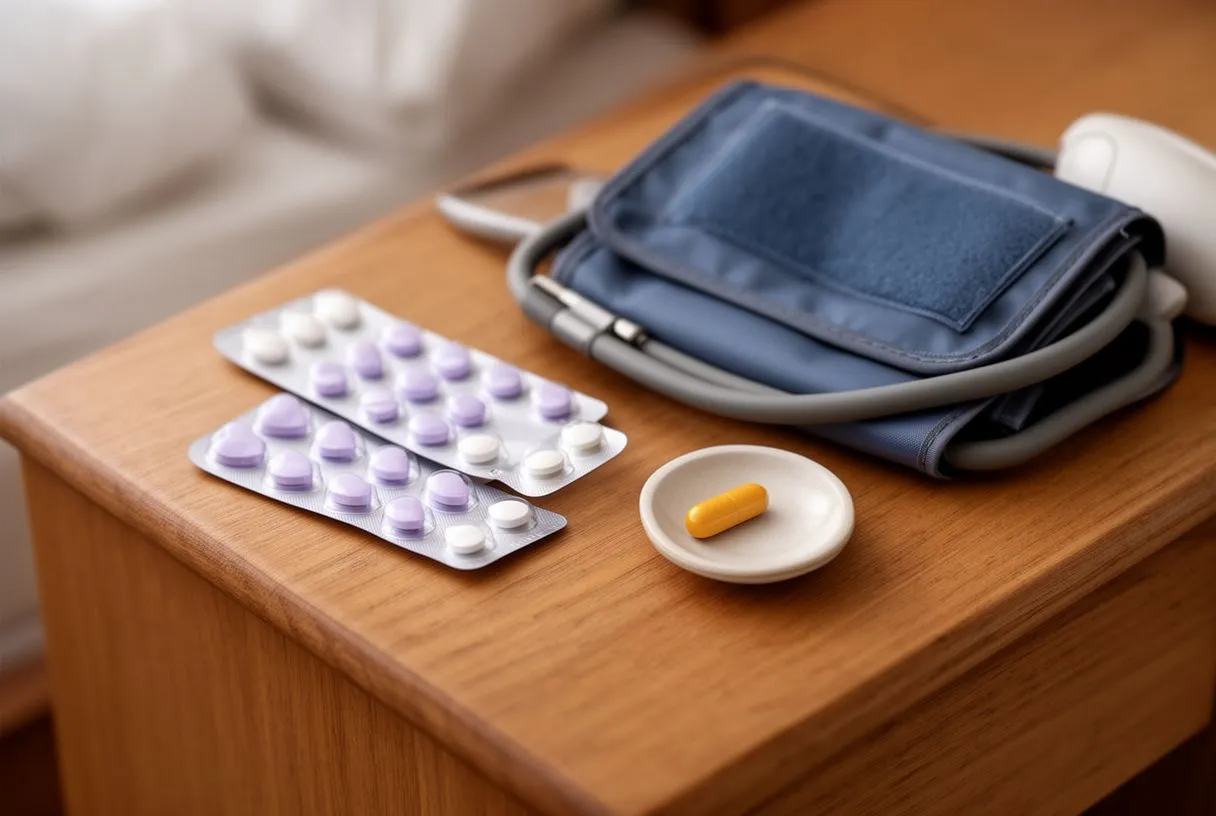
Keep an updated medication list with dosages and bring it to every appointment. If multiple specialists are involved in your care, make sure each one knows what the others have prescribed. Coordination is one of the most effective safeguards against harmful interactions, and you play a central role in making it happen.
When to Call Your Cardiac Team
What symptoms warrant an immediate phone call? Contact your team without delay if you gain more than one kilogram in a day or two kilograms in a week, if you develop new or worsening shortness of breath, or if you notice swelling that spreads upward from your ankles. Chest pain, fainting, or a heart rate that suddenly becomes very fast or very slow are reasons to seek emergency care, not wait for a callback.
Other reasons to call include persistent dizziness, severe muscle cramps that do not resolve, or signs of dehydration such as dark urine, extreme thirst, or confusion. If your diuretic seems to have stopped working and your weight keeps climbing despite taking it as prescribed, your doctor needs to know right away. This could mean your dose needs changing or that another issue has developed.
Recovery from heart surgery is a partnership. Dr Alejandro Molina and his team in Guadalajara, Querétaro, and Hermosillo are there to guide you through every phase, including the weeks at home when questions and concerns are most likely to arise. Do not hesitate to reach out. No question is too small when your heart is healing, and timely communication is one of the most powerful tools for a smooth, successful recovery.
If you or a loved one is preparing for or recovering from cardiac surgery, book a consultation with our team to discuss your individual fluid management plan. Personalized guidance from experienced cardiac specialists is the safest path forward.