
Chronic Kidney Disease and Heart Surgery Risk
Chronic kidney disease heart surgery risk: how CKD affects cardiac outcomes and what Guadalajara specialists do to protect you.
When a patient is facing a major cardiac procedure, the health of their kidneys plays a critical role in their overall outcome and survival. The connection between chronic kidney disease heart surgery risk is a primary concern for cardiac surgeons and nephrologists alike, requiring careful planning and precise execution. Understanding how these two vital organ systems interact helps patients and families make informed decisions, set realistic expectations, and approach surgery with confidence rather than fear.
What is chronic kidney disease heart surgery risk?
Patient scenario and initial fears: Many patients arrive at our clinic anxious about how their existing kidney problems might complicate an upcoming heart operation. Chronic kidney disease heart surgery risk refers to the increased likelihood of complications—such as acute kidney injury, severe fluid imbalances, or prolonged intensive care stays—that can occur when operating on a heart if the kidneys are already struggling to filter waste effectively.
Anatomical and physiological interplay: The heart and kidneys are deeply dependent on each other to maintain systemic balance. The heart pumps oxygen-rich blood to the kidneys so they can perform their filtration duties, while the kidneys regulate blood pressure and fluid volume to keep the heart from working too hard against high resistance. When one organ begins to fail, the other is soon affected, creating a dangerous cycle of dysfunction that requires careful medical management.
Clinical guidelines and global standards: Modern cardiac teams never treat the heart in isolation from the rest of the body. According to the European Society of Cardiology, assessing renal function is mandatory before any major cardiac intervention because impaired kidneys drastically alter the surgical strategy and recovery trajectory. Recognizing this risk early allows the surgical team to tailor their approach, ensuring the lowest risk for your specific physiological situation.

How do the kidneys and heart share a biological burden?
Vascular disease as a shared root cause: Both the heart and the kidneys are highly vascular organs, meaning they rely on a massive, intricate network of small and large blood vessels to function properly. When a patient has systemic vascular disease, it often manifests as an atheromatous plaque—a rigid buildup of cholesterol, calcium, and inflammatory cells in the artery walls—in both the coronary arteries feeding the heart and the renal arteries feeding the kidneys simultaneously.
Biomarkers of systemic damage: Patients burdened with this shared vascular disease often have elevated levels of apolipoprotein B, a structural protein that carries cholesterol in the blood and actively promotes plaque formation inside the vessel walls. This specific biomarker signals that the entire circulatory system is under immense stress, meaning the structural integrity of the microscopic blood vessels feeding the kidneys is just as compromised as the major arteries feeding the heart muscle.
Navigating arrhythmias and stroke risk: Structural heart disease stemming from vascular burden often leads to electrical rhythm problems, which further complicate kidney function by disrupting steady blood flow. Research highlighted in the Screening of Multiple Biomarkers Associated With Ischemic Stroke in Atrial Fibrillation demonstrates how systemic inflammation and vascular stress directly affect both organs. When blood flow becomes erratic, the kidneys suffer micro-infarctions, which are tiny areas of tissue death that gradually and permanently reduce overall kidney function.
Why does reduced renal function raise cardiac surgery risk?
Fluid overload and lung stress: Healthy kidneys constantly filter out excess fluid, but reduced renal function means fluids can accumulate rapidly during the physical stress of surgery. This fluid overload puts immense pressure on the recovering heart and can back up into the lungs, causing acute pulmonary edema and severe breathing difficulties. Surgeons and anesthesiologists must carefully balance hydration to keep the heart well-perfused without drowning the delicate lung tissues.
Electrolyte imbalances and heart rhythms: The kidneys are responsible for regulating vital minerals like potassium and magnesium in the bloodstream. If the kidneys are sluggish, potassium levels can spike, which irritates the heart muscle and makes it highly prone to dangerous, life-threatening arrhythmias. The surgical team must constantly monitor and aggressively correct these chemical imbalances to keep the heart beating in a stable, predictable rhythm.
Impact on the aorta and surgical approach: Severe vascular disease often affects the ascending aorta, the main artery carrying blood from the heart to the rest of the body. During a preoperative evaluation, the surgeon may use auscultation—carefully listening to the heart and blood vessels with a stethoscope—to detect abnormal blood flow sounds that suggest severe vascular calcification. If the aorta is heavily calcified, the surgeon must modify the surgical technique to avoid dislodging plaque fragments that could travel to the kidneys and cause immediate failure.
- Bleeding risks: Uremic toxins from poor kidney function impair blood clotting, increasing surgical bleeding.
- Drug clearance: Anesthesia and pain medications linger longer in the body, delaying wake-up times and recovery.
- Fluid retention: Inability to excrete fluids requires the use of diuretics or dialysis immediately after surgery.
What happens during a preoperative kidney assessment before heart operations?
Blood tests and filtration rates: The foundation of a preoperative kidney assessment is a simple blood test measuring creatinine, a waste product that healthy kidneys normally filter out of the blood. From this measurement, the laboratory calculates the estimated glomerular filtration rate (eGFR), which tells the surgical team exactly how much blood the kidneys are clearing per minute. A significantly lower eGFR signals a higher CKD heart operation risk and prompts a complete review of the surgical plan.
Advanced monitoring lines: During the operation itself, the anesthesiologist may place an arterial line, a thin, highly sensitive tube inserted directly into an artery to monitor blood pressure continuously, beat by beat. This precise, real-time monitoring is crucial for patients with poor kidneys, as even brief or modest drops in blood pressure can permanently damage renal tissue that is already vulnerable to ischemic stress.
Identifying silent heart damage: Advanced kidney disease can mask the traditional warning symptoms of heart disease, often leading to an atypical infarction—a heart attack that presents without the classic crushing chest pain. Because the symptoms are silent or expressed as mild indigestion, the heart damage is often worse by the time it is discovered, making the preoperative assessment even more critical to map out the true extent of the coronary blockages.

How is contrast dye kidney damage managed during heart catheterization?
The threat of contrast-induced nephropathy: Before open heart surgery, patients usually undergo a coronary angiogram to map the exact location and severity of blockages. This diagnostic test uses an iodine-based contrast dye that can be highly toxic to kidneys, potentially causing acute kidney injury. For someone with chronic kidney disease, preventing contrast dye kidney damage is a top clinical priority before proceeding to the operating room.
Minimizing dye and using alternatives: The cardiologist will use the lowest possible dose of contrast and may opt for carbon dioxide as a contrast agent in certain vascular territories. They also ensure the patient is aggressively hydrated with intravenous fluids before, during, and after the procedure to flush the dye through the kidneys rapidly, diluting its toxic effect on the renal tubules.
Interventional approaches and valve choices: Sometimes, structural interventions like balloon angioplasty to open a narrowed artery, or a balloon aortic valvuloplasty to stretch a tight heart valve, are performed to improve heart function prior to surgery. If a transcatheter aortic valve replacement (TAVR) is planned, the team may use a balloon-expandable valve, which requires careful, precise deployment to minimize the need for repeat dye injections. Managing clot risks during these procedures often involves medications like rivaroxaban; exploring the study Rivaroxaban in stroke prevention in patients with non-valvular atrial fibrillation helps clinicians balance bleeding and clotting risks in vulnerable kidneys.
Can you have heart surgery with poor kidneys, including dialysis and bypass?
Modifying surgical techniques: Yes, patients with advanced kidney disease can safely undergo heart surgery, but the standard surgical technique must be adapted to their unique physiology. When a coronary artery bypass is needed, the surgeon will prioritize using an arterial graft, which is a healthy blood vessel taken from the chest or arm that stays open longer than a traditional leg vein graft, ensuring long-term blood flow without placing extra metabolic stress on the kidneys.
Using the patient's own tissues: In certain complex valve repairs, a surgeon might use an autograft, which is living tissue transferred from one part of the patient's own body to another, significantly reducing the risk of infection and immune rejection. To further protect kidney function during the bypass phase, the team relies on autologous blood, which is the patient's own blood collected and reused during surgery to avoid the immune system stress and fluid shifts associated with donor blood transfusions.
Integrating dialysis into the surgical plan: For patients who already require dialysis before open heart surgery, the nephrology team will coordinate tightly with the surgical team to perform dialysis immediately before and shortly after the operation. This careful scheduling ensures the patient's fluid levels and electrolytes are perfectly balanced, creating a stable, clean internal environment for the heart to recover without overwhelming the struggling kidneys.
What is kidney-friendly anesthesia and blood pressure control?
Choosing the right medications: Kidney-friendly anesthesia involves meticulously selecting drugs that do not rely solely on the kidneys for elimination from the body. Anesthesiologists use short-acting, liver-metabolized medications whenever possible, ensuring that once the surgery is over, the patient wakes up quickly and their kidneys are not burdened by lingering, toxic anesthetic agents that can depress renal function.
Precise blood pressure management: The anesthesiologist often places an arterial cannula, a slightly larger tube in the artery, to facilitate cardiopulmonary bypass or provide highly precise pressure monitoring. Maintaining a higher mean arterial pressure during the bypass phase ensures the kidneys receive a steady, gentle stream of blood throughout the operation, preventing ischemic damage to delicate renal tissues that cannot tolerate low-flow states.
Advanced support when needed: In highly complex cases where the heart and kidneys are both severely compromised, the team might consider Awake ECMO, a highly specialized form of extracorporeal membrane oxygenation where the patient remains conscious while a machine circulates and oxygenates their blood. This approach is managed with carefully titrated medication to reduce anxiety and pain while providing maximal, low-stress rest for both the failing heart and the struggling kidneys.
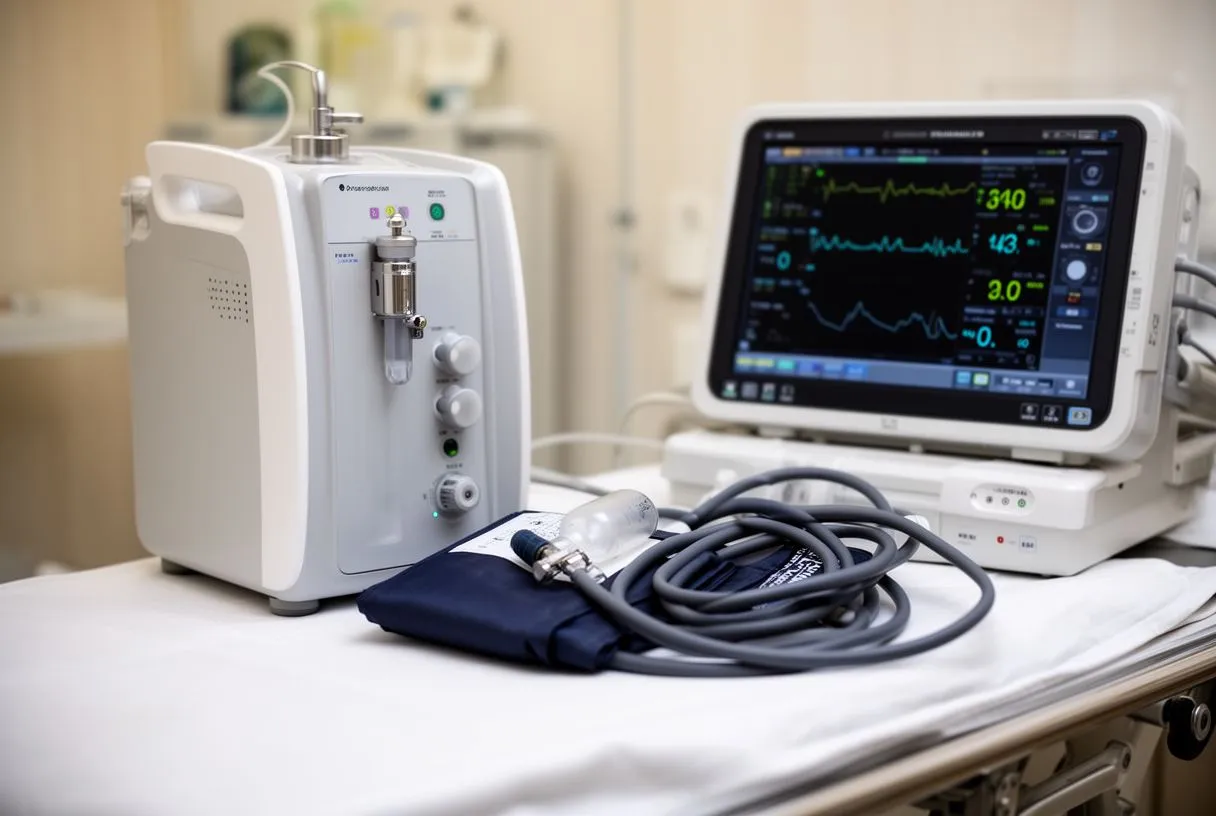
How do we prevent postoperative renal failure after heart surgery?
Immediate postoperative vigilance: The first 48 hours after surgery are the most critical window for the kidneys. The intensive care team strictly measures every drop of fluid going in and coming out, adjusting intravenous medications in real-time based on urine output. If the kidneys show signs of slowing down, specific medications are administered to boost renal blood flow and encourage urine production before toxins can build up.
Balancing blood thinners and kidney safety: Postoperative care often involves Aspirin to prevent blood clots from forming in the new grafts or replacement valves. While low-dose aspirin is generally safe, the team must carefully monitor kidney function, as any decline in filtration can lead to drug accumulation, which increases the risk of dangerous bleeding in the gastrointestinal tract or surgical wounds.
- Strict fluid balance: Daily weights and urine output charts guide all hydration decisions.
- Electrolyte checks: Potassium and sodium are tested every few hours to prevent dangerous heart rhythms.
- Emergency readiness: An automated external defibrillator is always on standby in the ICU in case sudden arrhythmias occur.
Recognizing the signs of distress: Preventing complete renal failure means catching the warning signs incredibly early. The care team is trained to look for subtle changes in urine color, volume, and daily lab markers, intervening with renal replacement therapy before nitrogenous waste products build up to dangerous levels in the bloodstream.
Why does multidisciplinary heart care matter for CKD patients?
A team-based approach to complex disease: Treating a patient with combined heart and kidney disease is never a one-person job. Multidisciplinary heart care brings together cardiac surgeons, nephrologists, anesthesiologists, and intensive care specialists to review the patient's case simultaneously, ensuring every medical decision is vetted from multiple expert perspectives before any incision is made.
Managing rhythm disturbances: Patients with advanced kidney disease are highly prone to atrial flutter, a rapid, abnormal heart rhythm originating in the upper chambers of the heart. When this erratic rhythm disrupts the proper filling of the atrium, the heart's upper chamber, the resulting sharp drop in cardiac output can severely harm the kidneys. The combined team manages these episodes aggressively to protect overall organ function.
Tailoring long-term care plans: Treating arrhythmias and managing clot risks safely requires deep expertise. In cases involving anticoagulation, teams reference major clinical trials like the ARISTOTLE study to guide the safe use of blood thinners, ensuring that we prevent strokes without causing dangerous kidney-related bleeding. A multidisciplinary team doesn't just plan for the surgery; they coordinate long-term blood pressure management and lifestyle counseling for the decades that follow.

What is the recovery reality and quality of life after surgery for CKD patients?
Setting realistic expectations: Recovery from heart surgery when you have kidney disease is often a slower, more measured process than for patients with normal renal function. Patients may spend a few extra days in the hospital to ensure their kidney function has stabilized completely before going home. This extended monitoring is a necessary precautionary measure, not a sign of surgical failure, and allows the team to fine-tune medications safely.
Physical rehabilitation and monitoring: Cardiac rehabilitation is essential for long-term success, but it must be paced appropriately for kidney health. Patients might initially experience unusual arm pain if an artery from the arm was used for a bypass graft, requiring modified, gentle exercises. The rehabilitation team works closely with the nephrology team to ensure physical exertion does not spike blood pressure or stress the kidneys.
Conclusions and next steps: Ultimately, the goal of navigating chronic kidney disease heart surgery risk is to achieve a meaningful, lasting improvement in your quality of life. While the path requires careful coordination, the right medical team can safely guide you through the complexities of combined heart and kidney care. We encourage you to discuss your specific cardiac and renal situation with a qualified medical team. Book a consultation today to understand your options, review your personal risk profile, and take the next step toward better health with confidence.