Drug Interactions With Blood Thinners and Heart Medicines
Drug interactions blood thinners cause can lead to dangerous bleeding or clots.
What Are Drug Interactions Blood Thinners and Heart Medicines?
When your cardiac team prescribes a regimen to protect your heart, understanding drug interactions blood thinners can cause is essential for your safety. Many patients facing heart surgery or managing chronic cardiac conditions take multiple medications simultaneously. While these medicines are prescribed to prevent clots, stabilize heart rhythms, or lower blood pressure, their effects can be significantly altered by other substances. An interaction occurs when another drug, food, or supplement changes how your heart medication works, either making it too strong or not strong enough.
Understanding anticoagulant basics: Blood thinners, or anticoagulants, do not actually thin the blood; they delay the clotting process. If you have an irregular heartbeat like Atrial Flutter, blood can pool in the upper chambers of the heart, increasing the risk of a clot forming and traveling to the brain. Medications like Aspirin or targeted anticoagulants reduce this risk. However, when an outside substance interferes with how your liver processes these drugs, the delicate balance is disrupted. This can lead to dangerous bleeding or, conversely, a failure to prevent life-threatening clots.
Why cardiac patients are at higher risk: Patients undergoing procedures such as Balloon Angioplasty or those who have had stents placed in their heart vessels rely heavily on a precise dosage of heart medications. If you are taking a combination of drugs to manage your heart and another condition, the potential for an interaction increases. Managing these risks does not mean you must stop taking your prescriptions, but it does mean you need to be aware of what else you are putting into your body. Awareness and open communication with your healthcare provider are your best defenses against unexpected complications.
How Do Blood Thinner Drug Interactions Happen in the Body?
To understand how blood thinner drug interactions occur, it helps to know a little about how the body metabolizes medicine. Most drugs are processed by the liver, specifically by a group of enzymes known as the cytochrome P450 system. When you take a new medication, it must be broken down by these enzymes. If two medications require the exact same enzyme to be cleared from your body, they end up competing. One drug might block the enzyme, causing the second drug to build up to dangerous levels in your bloodstream. Conversely, some substances force the liver to produce excess enzymes, clearing your heart medication out of your system too quickly before it can do its job.
The role of the liver and kidneys: According to the National Heart, Lung, and Blood Institute, understanding how your body processes medication is crucial for managing heart disease. The liver breaks down the chemical compounds, and the kidneys filter the resulting waste into your urine. If you have reduced kidney or liver function, which is common in older adults or those with long-standing heart disease, medications stay in your body much longer. This is why a standard dose of a blood thinner might be perfectly safe for one person but cause severe bleeding in another who has slightly compromised organ function.
Pharmacodynamic vs. pharmacokinetic interactions: Interactions generally fall into two categories. Pharmacokinetic interactions are about how the body affects the drug, such as the liver enzyme competition described above. Pharmacodynamic interactions are about how the drug affects the body. For example, if you take an anticoagulant to prevent clots and then take a non-steroidal anti-inflammatory drug that irritates the stomach lining, you are combining two substances that independently increase bleeding risk. The combined effect is greater than the sum of its parts, creating a high risk for gastrointestinal bleeding without changing how the liver processes either drug.
Common Blood Thinner Interactions With Over-the-Counter Drugs
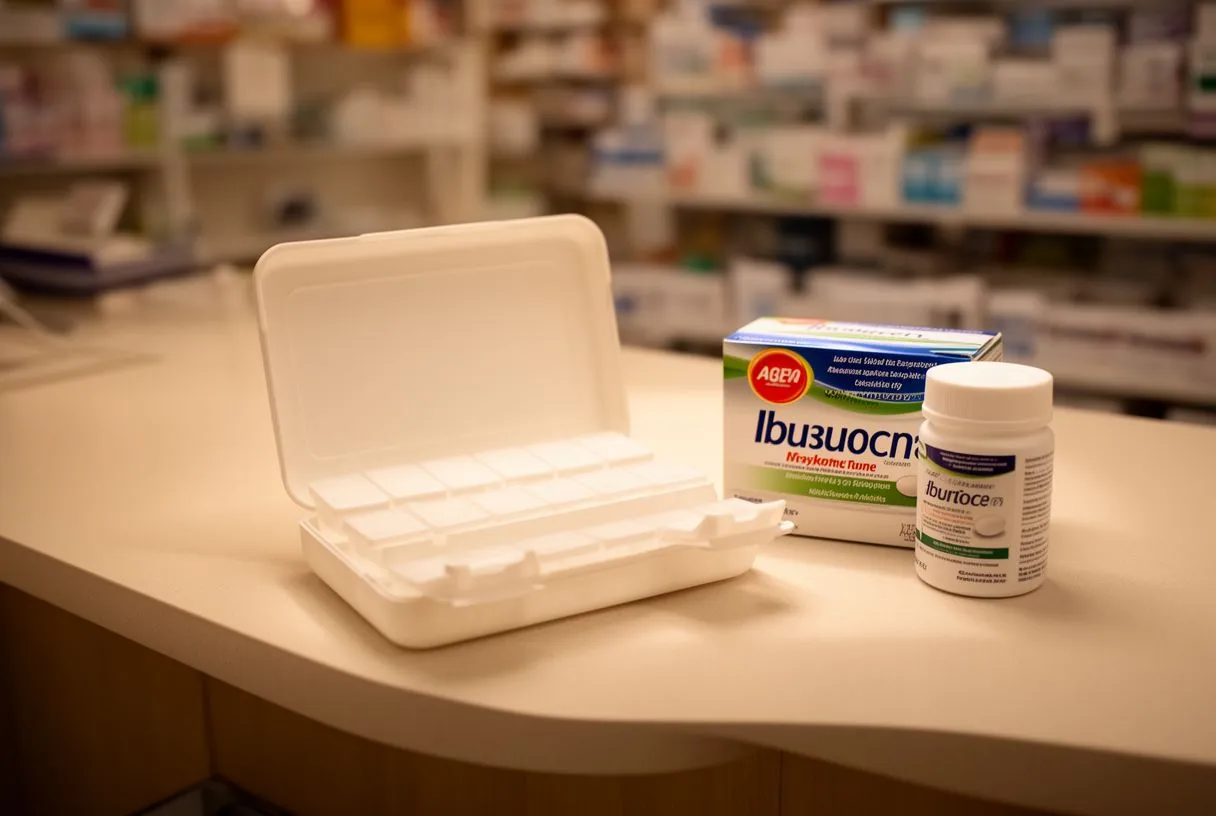
Many patients assume that over-the-counter (OTC) medications are safe because they do not require a prescription. Unfortunately, drug interactions blood thinners have with common OTC pain relievers are some of the most frequent and dangerous issues cardiac teams see. Non-steroidal anti-inflammatory drugs, such as ibuprofen and naproxen, are widely used for aches and pains. However, when taken alongside a prescribed anticoagulant, they significantly increase the risk of severe gastrointestinal bleeding. They can also reduce the blood flow to the kidneys, compounding risks for patients who already have heart or kidney conditions.
Cold, allergy, and herbal supplements: OTC cold and allergy medications often contain multiple active ingredients, making them a minefield for heart patients. Some contain decongestants like pseudoephedrine, which can elevate heart rate and blood pressure, counteracting the benefits of your heart medicines. Herbal supplements are another major concern. Products containing ginkgo biloba, garlic, or ginseng have natural blood-thinning properties. When combined with a prescribed anticoagulant, they can unpredictably amplify the effect, leading to spontaneous bruising or prolonged bleeding from minor cuts.
Safe alternatives for pain relief: If you are taking blood thinners and need relief for a headache or joint pain, acetaminophen is generally considered the safest OTC option, provided it is taken at the recommended doses. However, even acetaminophen should not be taken continuously for long periods without consulting your doctor. Always read the active ingredients on the back of any OTC box, even if you have taken the brand before, as formulas frequently change. When in doubt, call your pharmacist or your cardiac care team before swallowing the first pill.
Blood Thinners and Food Interactions You Need to Know
The foods you eat can have a profound impact on how well your heart medications work. Blood thinners and food interactions are particularly famous in the case of warfarin, a commonly prescribed anticoagulant. Warfarin works by interfering with vitamin K, a nutrient your body uses to help blood clot. If you suddenly eat large amounts of vitamin K-rich foods, such as spinach, kale, broccoli, or Brussels sprouts, the vitamin K can counteract the medication, increasing your risk of a blood clot. This does not mean you must avoid these healthy vegetables entirely, but your intake must remain consistent from week to week.
Hidden culprits in the pantry: Beyond leafy greens, other common food items can alter your medication's effectiveness. Cranberry juice and cranberry supplements can increase the blood-thinning effect of warfarin, potentially raising your risk of bleeding. Grapefruit and grapefruit juice affect the liver enzymes that process several types of heart medications, including certain statins used to lower cholesterol and calcium channel blockers used for blood pressure. Grapefruit blocks these enzymes, causing higher levels of the drug to remain in your system, which can lead to toxic side effects.
Managing your diet safely: You do not need to radically change your diet, but you must be consistent and mindful. If you enjoy a daily salad, continue eating one, but do not suddenly switch from iceberg lettuce to a massive bowl of raw kale. Tell your cardiac team about your typical diet, especially if you are planning to make major changes, such as starting a new diet plan or traveling to a different country where your normal foods are unavailable. Sudden dietary shifts are the primary trigger for food-related medication interactions.
Warfarin Drug Interactions: What Patients Should Watch For
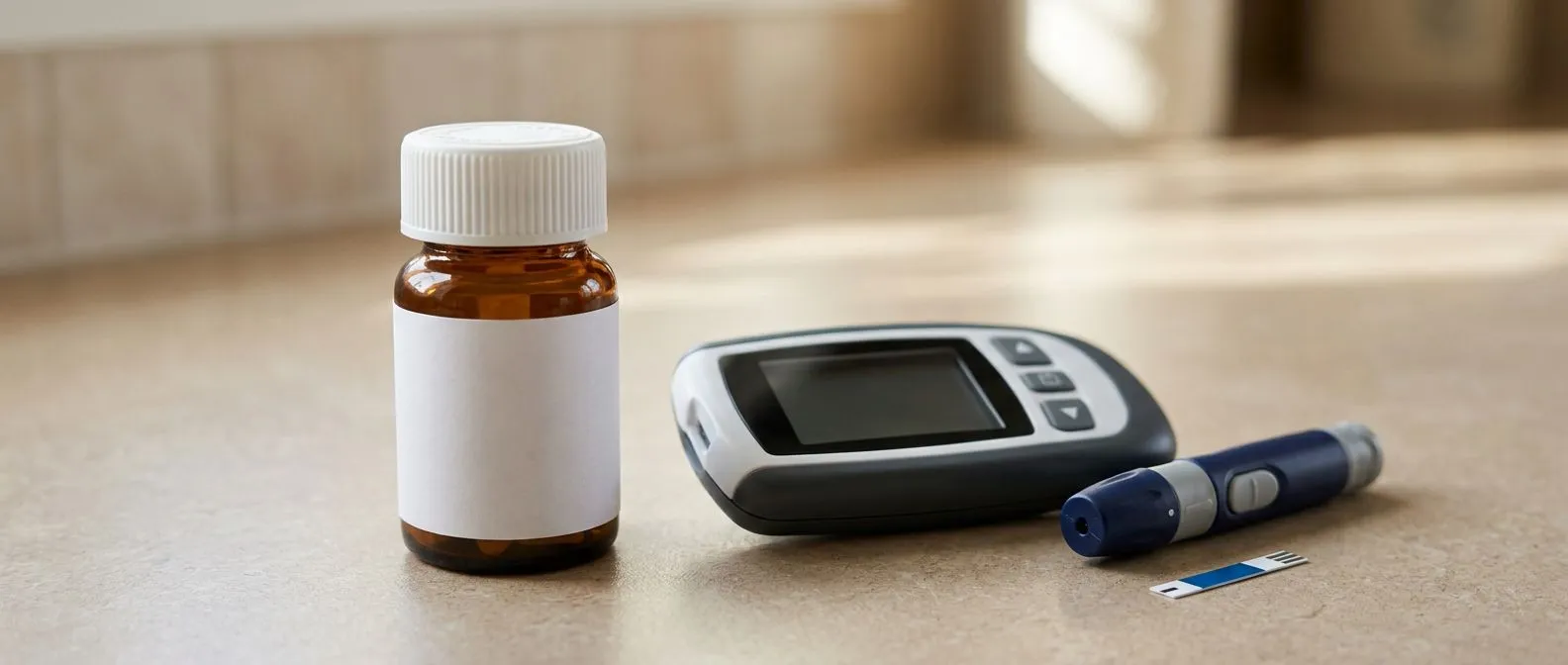
Warfarin is a highly effective and widely used anticoagulant, but it requires careful monitoring. Because warfarin drug interactions can be severe, patients on this medication must have their blood tested regularly to measure their International Normalized Ratio, or INR. This test measures how long it takes your blood to clot. If an interaction causes your INR to rise too high, your blood becomes too thin, and you risk internal bleeding. If the INR drops too low, you are at risk of forming the dangerous clots the medication was meant to prevent.
Signs your INR might be off: Because the therapeutic window for warfarin is narrow, you must be vigilant for physical signs that your blood is too thin or too thick. Warning signs of elevated bleeding risk include unexplained nosebleeds, bleeding gums when brushing your teeth, unusually heavy menstrual periods, or bruises that appear without any remembered injury. If you notice blood in your urine or stool, which may look pink, brown, or black, you should seek medical attention immediately. These signs mean an interaction might be causing the medication to build up in your system.
The role of other prescription drugs: Many medications interact with warfarin. Certain antibiotics and antifungal medications can dramatically increase warfarin levels in the blood. Drugs that reduce stomach acid, like proton pump inhibitors, can sometimes affect absorption. Even drugs used to treat irregular heartbeats, like those evaluated in the ARISTOTLE clinical trial comparing newer anticoagulants to warfarin, highlight how sensitive heart patients are to chemical changes. Always carry a list of your current medications, including dosages, so any new doctor you see can check for potential conflicts before prescribing something new.
Heart Medication Interactions With Antibiotics and Antifungals
When you develop an infection, your primary care doctor may prescribe antibiotics or antifungals to clear it up. However, if you are taking heart medicines, these infection-fighting drugs can cause serious heart medication interactions. Many common antibiotics, such as certain macrolides and fluoroquinolones, affect the electrical signaling in the heart. When combined with medications designed to control your heart rate or rhythm, they can trigger a condition called prolonged QT interval, which can lead to a dangerous irregular heartbeat. This is especially risky for patients who already have structural heart disease or an enlarged Atrium.
How infections complicate cardiac care: An infection itself stresses the body, temporarily changing how your heart functions and how it processes medications. A fever increases your heart rate, requiring your heart to work harder. At the same time, the inflammation from the infection can make your blood more likely to clot, directly opposing the goal of your blood thinners. When you add an antibiotic that chemically interferes with your heart or anticoagulant medication, you have a perfect storm. Your cardiac team needs to know about any infections so they can adjust your heart medicines if necessary.
Safe management of common infections: If you have a heart condition and develop an infection, do not borrow leftover antibiotics from a friend or family member. Contact your cardiac team or a clinic that understands your medical history. They can prescribe an antibiotic that is known to be safe for your specific heart medications. If you must take a drug that has a known interaction, your doctor may temporarily adjust the dose of your heart medicine and monitor you more closely until the infection is cleared and you can return to your normal regimen.
Recognizing Blood Thinner Side Effects and Warning Signs
Being able to recognize blood thinner side effects is a crucial skill for any cardiac patient. While minor bruising is common and usually not a cause for alarm, severe or spontaneous bleeding is a medical emergency. Because blood thinners delay clotting, even a small cut might bleed longer than usual, which is expected. However, bleeding that does not stop with gentle pressure after fifteen minutes requires urgent medical attention. You must also watch for internal bleeding, which is not immediately visible but can be life-threatening if left untreated.
When to seek emergency help: Certain symptoms indicate that a drug interaction has caused severe internal bleeding or a serious cardiac event. If you experience sudden, severe Arm Pain that radiates to your jaw or back, it could be an Atypical Infarction or a heart attack, which can be masked or altered by certain medications. If you cough up blood, vomit material that looks like coffee grounds, or experience sudden severe headaches, vision changes, or weakness on one side of your body, you must go to the emergency room immediately. These are signs of bleeding in the lungs, stomach, or brain.
Distinguishing side effects from normal responses: It is normal to feel a little fatigued when adjusting to a new heart medication. Mild upset stomach or slight dizziness when standing up quickly can also be normal as your body adapts. However, if you feel faint, dizzy, or experience a rapid, irregular heartbeat that does not resolve, your medication levels may be off due to an interaction. Keeping a simple daily log of how you feel can help you and your doctor spot trends that might indicate a subtle drug interaction before it becomes an emergency.
Cardiac Medication Safety Tips Before and After Surgery
Preparing for heart surgery, whether it is a minimally invasive procedure or a major operation involving the Ascending Aorta, requires careful management of your medications. Cardiac medication safety is paramount in the weeks leading up to your operation. Your surgical team will give you specific instructions on which medications to stop and when. Stopping blood thinners is necessary to prevent excessive bleeding during surgery, but stopping them too early can lead to a preoperative heart attack or stroke. Never alter your medication schedule without explicit written instructions from your surgeon.
Post-operative medication adjustments: After surgery, your medication regimen will likely change. You may need to restart anticoagulants at a specific time to prevent clots from forming around surgical sites or new grafts. If you received an Autograft or a synthetic replacement, your doctor will carefully balance the risk of bleeding against the risk of clotting. Pain management is also a concern; you will be guided toward safe alternatives that do not interact dangerously with your post-surgical blood thinners. Research on specific features of an early period after minimally invasive cardiac surgery indicates that careful monitoring of these medication shifts is critical for a smooth recovery.
Special considerations for pediatric and complex cases: Medication safety rules change when dealing with pediatric heart patients or highly complex anatomical issues. For instance, techniques like intraoperative transfontanelle ultrasonography for pediatric patients are used to monitor the brain during and after surgery, but the medications given to keep the child stable must be dosed precisely to avoid interactions. In rare, highly specialized scenarios, an Awake ECMO approach might be used for lung support, requiring a delicate balance of sedatives and anticoagulants. These complex situations require specialized pharmacy teams to review every single drug given to the patient.
- Pre-Surgery Checklist: Bring a complete, updated list of every medication, including over-the-counter drugs and supplements, to your pre-admission appointment.
- Pain Management: Ask your surgeon for a specific post-operative pain relief plan that is safe to take with your prescribed blood thinners.
- Restart Schedule: Ensure you have clear, written instructions on exactly when to resume your normal heart medications after you wake up from anesthesia.
Mixing Blood Thinners With Medications: What to Avoid
One of the most critical aspects of managing your heart health is knowing exactly what to avoid. Mixing blood thinners with medications that also affect bleeding or heart rate requires extreme caution. If you are on dual antiplatelet therapy, which means taking two different types of blood thinners simultaneously, your risk of bleeding is already elevated. Adding a third substance, even a seemingly harmless one like a daily low-dose aspirin prescribed by a different doctor for a different reason, can push your bleeding risk to a dangerous level. Always ensure all your doctors know about every medication prescribed by every other specialist.
Supplements and alternative therapies: Many patients turn to alternative therapies to support their heart health, but these are frequent culprits for interactions. Supplements like fish oil, vitamin E, and coenzyme Q10 can have mild blood-thinning effects. While they may be beneficial on their own, combining them with a prescription anticoagulant can lead to excessive bruising or internal bleeding. Always clear any supplement with your cardiologist before adding it to your daily routine. They can tell you if the supplement is safe or if it might interfere with your specific heart medicines.
Protecting your stomach lining: Blood thinners are notoriously hard on the stomach. If you have a history of ulcers or acid reflux, your doctor might prescribe a medication to protect your stomach lining. However, you must avoid certain over-the-counter antacids that contain magnesium or aluminum, as they can bind to your heart medications and prevent your body from absorbing them properly. If you need relief from heartburn while on heart medicines, ask your pharmacist for a recommendation that will not alter the pH of your stomach in a way that disrupts drug absorption.
Heart Patient Medication Guide: Talking to Your Cardiac Team
Successfully navigating life with heart disease means building a strong partnership with your medical providers. This heart patient medication guide emphasizes that you are a crucial part of the care team. Do not be afraid to ask questions when a new medication is prescribed. Ask why you need it, what the common side effects are, and whether it interacts with your existing prescriptions. Your cardiac team expects these questions and wants you to be informed. An empowered patient is a safer patient, and clear communication is the best tool for preventing harmful interactions.
Keep a living medication list: The single most effective step you can take is maintaining an updated medication list. Write down the name of each drug, the dosage, how often you take it, and which doctor prescribed it. Keep a copy in your wallet and take a photo of it on your phone. Every time you see a new doctor, visit an urgent care clinic, or go to the dentist, show them the list. This simple habit prevents prescribing errors and helps other healthcare providers spot potential interactions your cardiologist might not have been informed about.
Conclusion and next steps: Living with heart disease and managing complex medications can feel overwhelming, but you do not have to do it alone. Understanding the risks and knowing what to avoid keeps you safe and keeps your treatments effective. If you have concerns about your current medications, or if you are considering a procedure and want to understand how your drug regimen will be managed, we encourage you to discuss your specific situation with a qualified cardiac team. Book a consultation with Dr Alejandro Molina and his team to get personalized, expert guidance tailored to your heart health needs.
- Ask Questions: Never leave an appointment unsure about why a medication was prescribed or how it fits with your existing pills.
- Update Records: Review your medication list with your cardiologist at every visit, especially if your primary care doctor has made changes.
- Monitor Symptoms: Keep a simple diary of any new symptoms or side effects to share with your care team for better dose management.